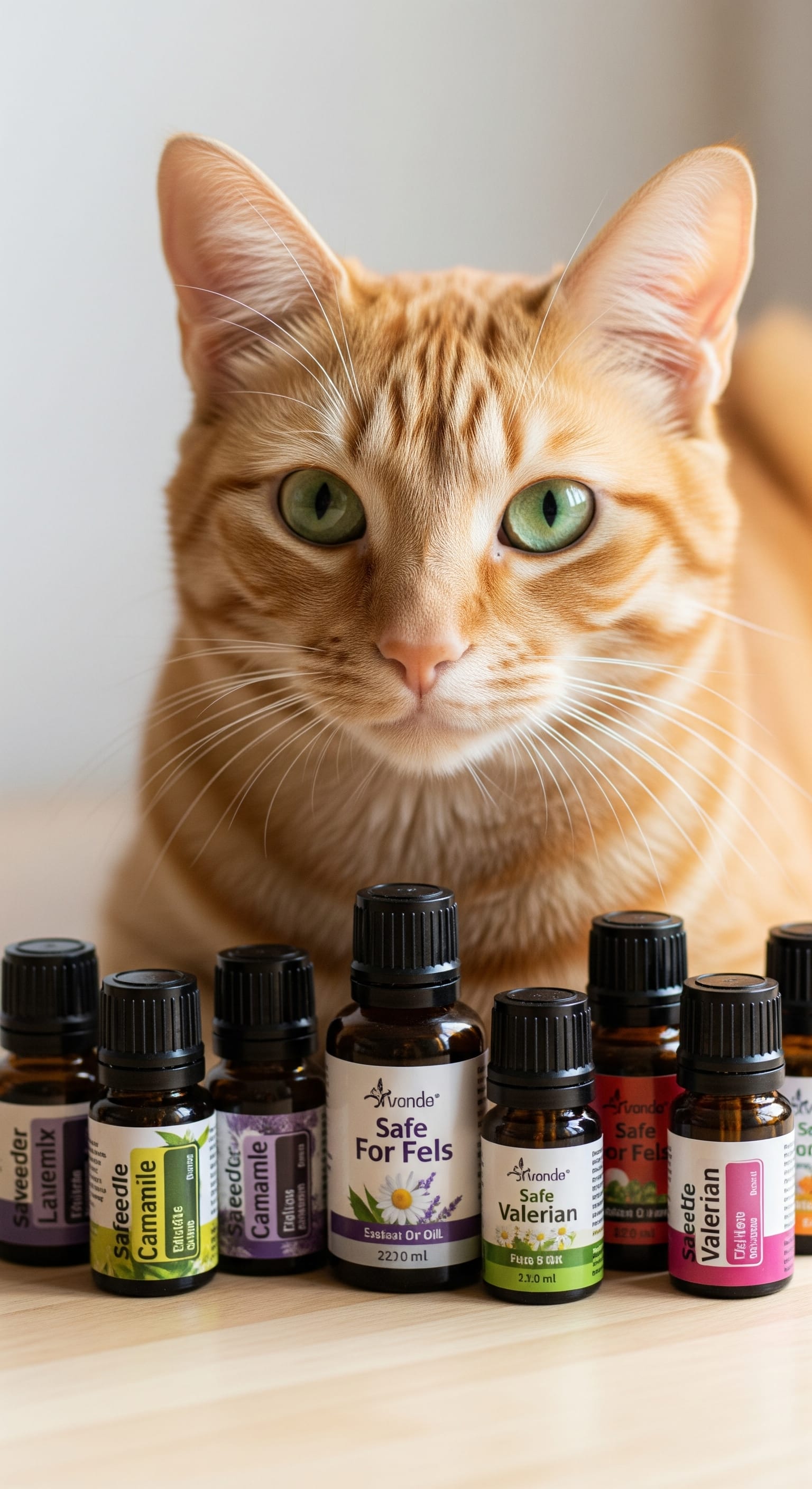
Is Jasmine Oil Safe for Cats? Toxicity, Risks, and Safety Guide
No, jasmine oil is not safe for cats. While the non-concentrated Jasmine plant (Jasminum spp.) is generally non-toxic to felines, concentrated jasmine essential oil contains high levels of volatile organic compounds, including linalool...
No, jasmine oil is not safe for cats. While the non-concentrated Jasmine plant (Jasminum spp.) is generally non-toxic to felines, concentrated jasmine essential oil contains high levels of volatile organic compounds, including linalool and benzyl acetate. Cats lack the essential liver enzymes needed to metabolize these compounds, making exposure through inhalation, topical application, or ingestion toxic and potentially life-threatening.
Contents
Understanding Feline Vulnerability: Why Essential Oils Are Toxic to Cats
To understand why jasmine oil poses a serious threat to cats, it is necessary to examine feline metabolic physiology. Cats process foreign substances, medications, and environmental toxins differently than humans and dogs. The primary reason for this biological vulnerability lies in the feline liver.
Cats are deficient in a key metabolic pathway known as glucuronidation. Specifically, cats have a functional absence or severe limitation of certain enzymes within the UDP-glucuronosyltransferase (UGT) family, particularly the UGT1A6 isoform. In humans and dogs, glucuronosyltransferase enzymes bind glucuronic acid to lipophilic (fat-soluble) chemicals, converting them into water-soluble compounds that can be safely excreted through urine or bile.
Essential oils—including high-grade, organic, or therapeutic-grade jasmine extracts—are concentrated mixtures of volatile organic compounds, terpenes, phenols, and aromatic esters. Because cats cannot perform glucuronidation efficiently, these fat-soluble chemical constituents accumulate in the bloodstream and tissues rather than being cleared. Over time or upon high exposure, this buildup leads to hepatic stress, central nervous system depression, and systemic toxicity.
Furthermore, feline skin is remarkably thin and highly vascularized, allowing topically applied oils to rapidly enter the bloodstream. Combined with a cat's instinctual grooming behavior, any oil applied to the fur or skin is almost guaranteed to be ingested orally, multiplying the overall toxic dose.
Jasmine Essential Oil vs. The Jasmine Plant
Pet owners often confuse the safety profile of the living botanical plant with that of its concentrated essential oil extract. Understanding this distinction is vital for home safety.
| True Jasmine Plant (Jasminum officinale) | Jasmine Essential Oil (Concentrated Extract) |
|---|---|
| • Non-toxic in raw botanical form | • Highly toxic to felines |
| • Low concentration of compounds | • Hyper-concentrated compounds |
| • Safe in pet-accessible gardens | • Risks via mist, contact, ingestion |
The Live Jasmine Plant (Jasminum)
According to the ASPCA Animal Poison Control Center, true jasmine belonging to the Jasminum genus (such as Jasminum officinale or common white jasmine) is classified as non-toxic to cats. If a cat nibbles on a leaf or flower of a true jasmine vine, it may experience minor stomach upset due to indigestible plant fiber, but it will not suffer systemic chemical poisoning.
Toxic Lookalikes to Avoid
It is critical not to confuse true jasmine with toxic botanical species that share the common name "jasmine":
- Carolina Jasmine / Yellow Jessamine (Gelsemium sempervirens): Highly poisonous plant containing toxic neurotoxic alkaloids (such as gelsemine) that can cause paralysis and respiratory failure in pets.
- Star Jasmine (Trachelospermum jasminoides): While not classified as intensely toxic, its sap can cause localized oral and dermal irritation.
- Night-Blooming Jasmine (Cestrum nocturnum): A member of the Solanaceae (nightshade) family containing toxic solasodine glycosides, which cause cardiovascular and gastrointestinal severe symptoms.
The Essential Oil Extract
Jasmine essential oil is produced via solvent extraction or enfleurage from thousands of jasmine blossoms, condensing aromatic molecules into a potent liquid. A single drop of pure jasmine oil contains a concentration of volatile compounds hundreds of times greater than what exists naturally in the living flower. The primary chemical constituents of jasmine oil include benzyl acetate, linalool, benzyl alcohol, indole, and cis-jasmone.
While these molecules produce pleasant aromas for humans, linalool and benzyl derivatives are known upper-respiratory and nervous system irritants in small animals. When these concentrated chemicals enter a cat’s body, the lack of metabolic clearance creates a direct toxic hazard.
Primary Routes of Exposure and Potential Hazards
Feline exposure to jasmine oil generally occurs through three main pathways: inhalation, dermal contact, and direct ingestion. Each route carries distinct clinical risks.
- Jasmine Oil Exposure
- Inhalation (Diffusers/Mists)
- Respiratory Irritation & Bronchospasm
- Dermal Contact (Skin/Fur Apply)
- Skin Burning & Rapid Systemic Absorption
- Direct Ingestion (Grooming/Spills)
- Severe Toxicity & Liver Stress
- Inhalation (Diffusers/Mists)
1. Inhalation (Diffusers and Mists)
Active diffusers—such as ultrasonic, steam, or nebulizing diffusers—break essential oils down into micro-droplets suspended in the air. Passive diffusers, including reed diffusers, candle warmers, and room sprays, release volatile organic vapors.
- Ultrasonic & Nebulizing Diffusers: These devices project micro-particles of water and oil into the air. When a cat breathes in these airborne droplets, the oil directly coats the respiratory lining, irritating delicate alveolar tissue.
- Passive Diffusers: Even without droplets, high vapor concentrations can trigger airway inflammation, causing watery eyes, sneezing, and coughing. Cats with pre-existing feline asthma or upper respiratory infections are exceptionally vulnerable to bronchospasm.
2. Topical Application (Direct Skin or Fur Contact)
Applying diluted or pure essential oils directly onto a cat's skin, paws, or fur is extremely dangerous. Some internet sources incorrectly promote "natural" essential oil flea treatments or soothing balms. Because feline skin absorbs lipophilic compounds rapidly, topical jasmine oil quickly reaches systemic circulation, overloading the liver while irritating the dermal tissue beneath the fur.
3. Direct Ingestion
Ingestion can occur if a cat knocks over an open bottle of oil, licks an active diffuser, or grooms airborne oil droplets off its coat. Ingestion presents the fastest path to acute toxicity, exposing the upper digestive tract, stomach lining, and liver to raw chemical concentrations.
Symptoms of Jasmine Oil Poisoning in Cats
Clinical signs of toxicity depend on the exposure route, the concentration of the oil, and the cat’s overall health status. Symptoms may develop within minutes of inhalation or hours after dermal absorption and grooming.
Early and Mild Signs of Exposure
- Watery eyes and runny nose: Direct reaction to volatile aromatic vapors.
- Frequent sneezing or coughing: Indication of upper airway irritation.
- Pawing at the mouth or face: Sign of oral mucosal burning or localized discomfort.
- Excessive drooling (ptyalism): Common response to chemical tasting or systemic nausea.
- Lethargy: The cat may appear quiet, withdrawn, or unwilling to play.
Severe Clinical Toxicity Signs
If exposure is significant or sustained, serious neurotoxic and organ-level symptoms will emerge:
- Ataxia (Unsteadiness): Wobbling, loss of balance, or a "drunken" gait caused by central nervous system depression.
- Difficulty Breathing (Dyspnea): Open-mouth breathing, rapid shallow respiration, panting, or wheezing.
- Vomiting and Nausea: Repeated retching or vomiting of stomach contents.
- Low Body Temperature (Hypothermia): Cold extremity pads and severe lethargy due to metabolic dysfunction.
- Muscle Tremors or Seizures: Advanced neurotoxicity resulting from metabolic overload and central nervous system distress.
- Hepatic Stress/Failure: Jaundice (yellowing of gums, eyes, or skin) occurring days after heavy exposure due to hepatocellular injury.
Fragrance Toxicity Comparison Matrix
Not all household fragrances carry identical danger levels, though essential oils generally present higher risks than controlled synthetic fragrances. The table below illustrates how jasmine oil compares to other common household scents regarding feline safety and clinical impact.
| Fragrance / Essential Oil | Feline Safety Rating | Dominant Toxic Compounds | Primary Exposure Danger | Common Clinical Symptoms |
|---|---|---|---|---|
| Jasmine Oil | Unsafe | Linalool, Benzyl Acetate, Indole | Inhalation, Dermal, Oral | Respiratory distress, ataxia, drooling, vomiting |
| Tea Tree Oil (Melaleuca) | Extremely Toxic | Terpinen-4-ol, Cineole | Dermal, Oral | Severe tremors, paralysis, hypothermia, death |
| Lavender Oil | Unsafe | Linalool, Linalyl Acetate | Inhalation, Oral | Central nervous system depression, drooling, liver stress |
| Eucalyptus Oil | Toxic | Eucalyptol (1,8-cineole) | Inhalation, Dermal | Bronchospasm, excessive salivation, vomiting, lethargy |
| Peppermint Oil | Toxic | Menthol, Menthone | Inhalation, Dermal | Gastrointestinal upset, aspiration risk, respiratory paralysis |
| Synthetic Fragrance Spray | Variable / Low-Moderate Risk | Phthalates, Synthetic Solvents | Inhalation | Sneezing, airway irritation, asthmatic flare-ups |
Emergency Response Protocol: What to Do If Exposed
If you suspect your cat has inhaled, ingested, or touched jasmine essential oil, rapid and deliberate action is critical.
Immediate First-Aid Steps
- Remove the Source and Provide Fresh Air: Immediately turn off diffusers, open windows, and move your cat into a well-ventilated room free of aromatic vapors.
- Prevent Self-Grooming: If oil is present on the fur or paws, place an Elizabethan collar (e-collar) on the cat or wrap them securely in a clean towel to prevent them from licking their coat.
- Decontaminate the Fur (For Dermal Exposure Only):
- Wash the affected area using mild, liquid dish soap (such as original Dawn) and warm water.
- Dish soap effectively breaks down lipophilic oils. Do not use tea tree soaps, human scented shampoos, or essential-oil-based cleansing wipes.
- Rinse thoroughly and dry the cat to prevent hypothermia.
- Do NOT Induce Vomiting: Never attempt to force a cat to vomit at home. Inducing vomiting can cause corrosive burns to the esophagus or lead to aspiration pneumonia if volatile oils are inhaled into the lungs during retching.
- Do NOT Administer Home Remedies: Avoid giving milk, mineral oil, or activated charcoal unless explicitly directed by a licensed veterinarian.
When to Seek Immediate Veterinary Care
Contact a veterinarian or an animal poison control service immediately if your cat exhibits any of the following:
- Wobbling, weakness, or inability to stand.
- Labored breathing, panting, or coughing.
- Persistent vomiting or severe drooling.
- Exposure to an unknown quantity of concentrated liquid oil.
When visiting the emergency clinic, bring the bottle or product package of jasmine oil with you. This allows veterinary staff to inspect the exact ingredients and concentration levels.
For expert guidance, pet owners in North America can contact specialized poison centers (consulting fees usually apply):
- ASPCA Animal Poison Control Center (APCC): (888) 426-4435
- Pet Poison Helpline: (855) 764-7661
Safe Air Quality Alternatives for Cat Owners
Maintaining a pleasant home scent while preserving feline health requires switching from active essential oil diffusion to pet-safe alternatives.
- Pet-Safe Home Aromas
- Air Quality Improvement
- HEPA Filter Air Purifiers
- Activated Carbon Scubbers
- Open Window Cross-Ventilation
- Safe Botanical Options
- Potted Cat Grass / Catnip
- Simmer Pots (Cinnamon/Apple)
- Fresh True Jasminum Plants
- Air Quality Improvement
1. High-Efficiency Particulate Air (HEPA) Filters
Instead of masking odors with aromatic oils, use an air purifier equipped with a true HEPA filter and an activated carbon layer. HEPA filters trap dander, dust, and pollen, while activated carbon adsorbs organic odor molecules safely without introducing liquid aerosols into your cat's environment.
2. Natural Simmer Pots (Out of Cat Reach)
A pet-friendlier alternative to diffusing concentrated oils is boiling a traditional stovetop simmer pot. Combining whole, non-toxic ingredients—such as fresh apple slices, rosemary sprigs, and plain cinnamon sticks—in water on low heat releases light aroma through simple steam. Ensure your cat cannot reach or jump onto the stovetop.
3. Pet-Safe Living Plants
Enhance home decor and freshness by placing live, non-toxic plants throughout your space. Excellent options safe for homes with cats include:
- True Jasmine (Jasminum officinale): Offers light, natural floral fragrance without the hyper-concentrated risk of essential oil extracts.
- Boston Fern (Nephrolepis exaltata): Safe indoor greenery that helps clean indoor air.
- Spider Plant (Chlorophytum comosum): Non-toxic and engaging for indoor cats.
- Cat Grass (Wheatgrass, Oats, Barley): Provides safe botanical enrichment for cats that enjoy nibbling foliage.
Frequently Asked Questions
Can I diffuse jasmine oil if my cat is in a different room?
It is not recommended. Central HVAC systems circulate airborne micro-droplets and volatile organic compounds throughout the entire home. Additionally, microscopic oil particles settle on furniture, rugs, and feline fur over time, creating a secondary exposure risk through contact and subsequent grooming.
Are passive reed diffusers safer than ultrasonic diffusers for cats?
Passive reed diffusers do not spray water droplets into the air, making them slightly less dangerous for immediate respiratory inhalation than ultrasonic units. However, they still release concentrated volatile vapors that accumulate in closed spaces, and they present a severe tipping hazard. If a cat knocks over a reed diffuser, direct dermal contact or ingestion of liquid oil can occur rapidly.
What should I do if my cat licked a small drop of diluted jasmine oil?
Monitor your cat closely and offer fresh water. Wipe their tongue and mouth gently with a damp, cool cloth if permitted. Check for symptoms such as drooling, vomiting, lethargy, or unsteadiness over the next 24 hours. If any of these signs appear, contact your veterinarian or a poison control center immediately.
Is synthetic jasmine fragrance oil safer for cats than pure essential oil?
Synthetic fragrance oils do not contain natural botanical terpenes, but they often utilize synthetic chemical solvents, fixatives, and phthalates. While they lack the specific natural compounds of pure essential oils, synthetic scents can still trigger respiratory irritation, coughing, and asthmatic reactions in sensitive cats. They should also be avoided in enclosed environments.
Are there any essential oils that are entirely safe to diffuse around cats?
No essential oil is completely free of risk when used in active diffusers around cats. Due to the feline deficiency in glucuronidation enzymes, all concentrated essential oils present varying degrees of metabolic challenge. If you must use fragranced products, keep concentrations low, utilize passive methods far out of reach, ensure rooms are thoroughly ventilated, and provide your cat with an open door to escape the scented area freely.
Final Recommendation and Summary
When evaluating home fragrances, protecting your cat's health must take priority over atmospheric scenting. Because cats lack critical liver enzymes to break down volatile organic compounds, jasmine oil should never be applied topically, ingested, or actively diffused in a cat-friendly home.
If you suspect your cat has been exposed to jasmine oil and is exhibiting symptoms like drooling, coughing, wobbling, or vomiting, move them to fresh air immediately, wash any skin contact points with mild dish soap, and seek prompt assistance from a veterinarian or an animal poison control center. To maintain a fresh home safely, replace essential oil diffusers with HEPA air purifiers, open ventilation, and pet-safe botanical alternatives like live true jasmine plants or fresh cat grass.
EDITORIAL CATEGORY METADATA:
Image Gallery