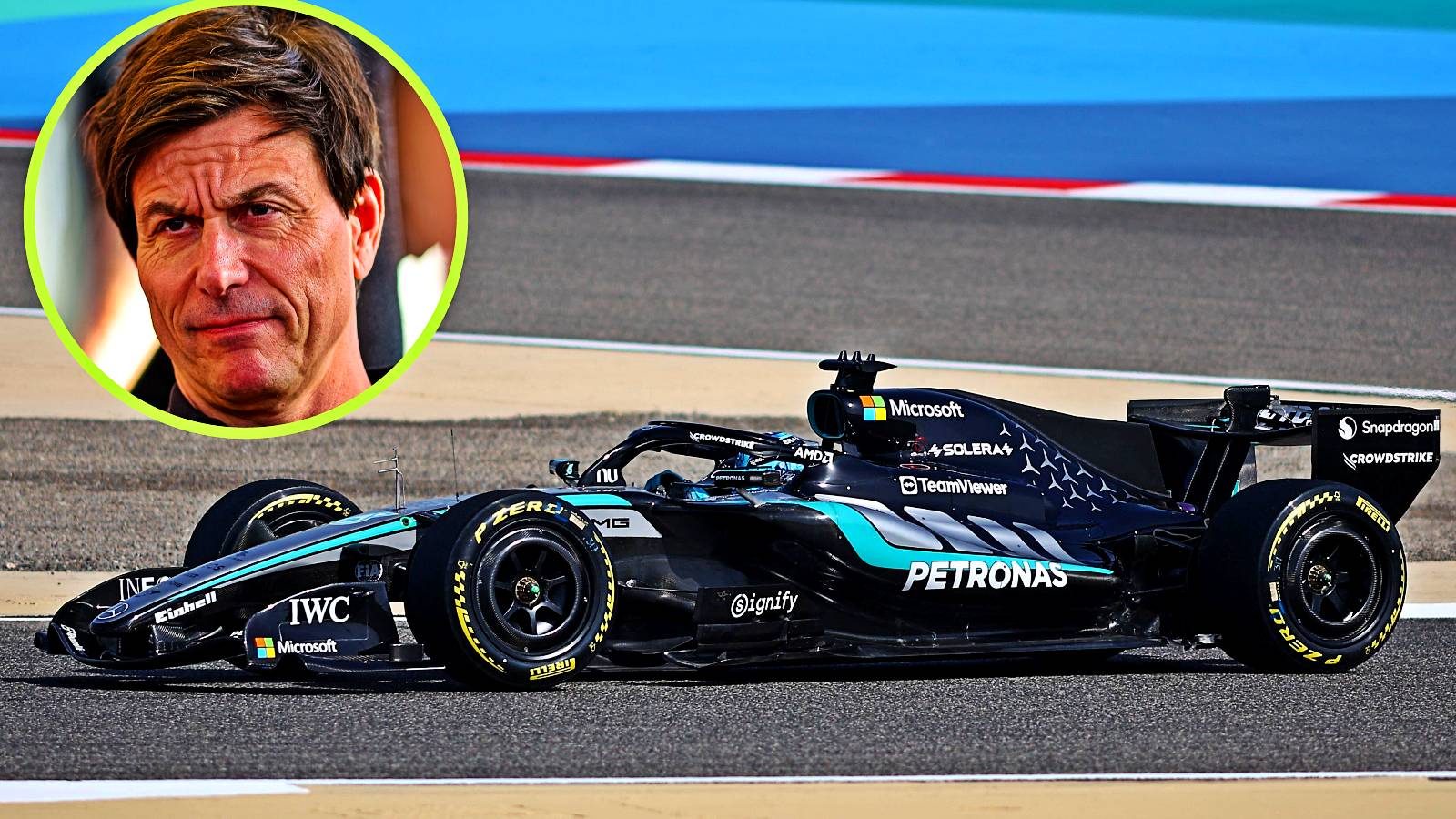
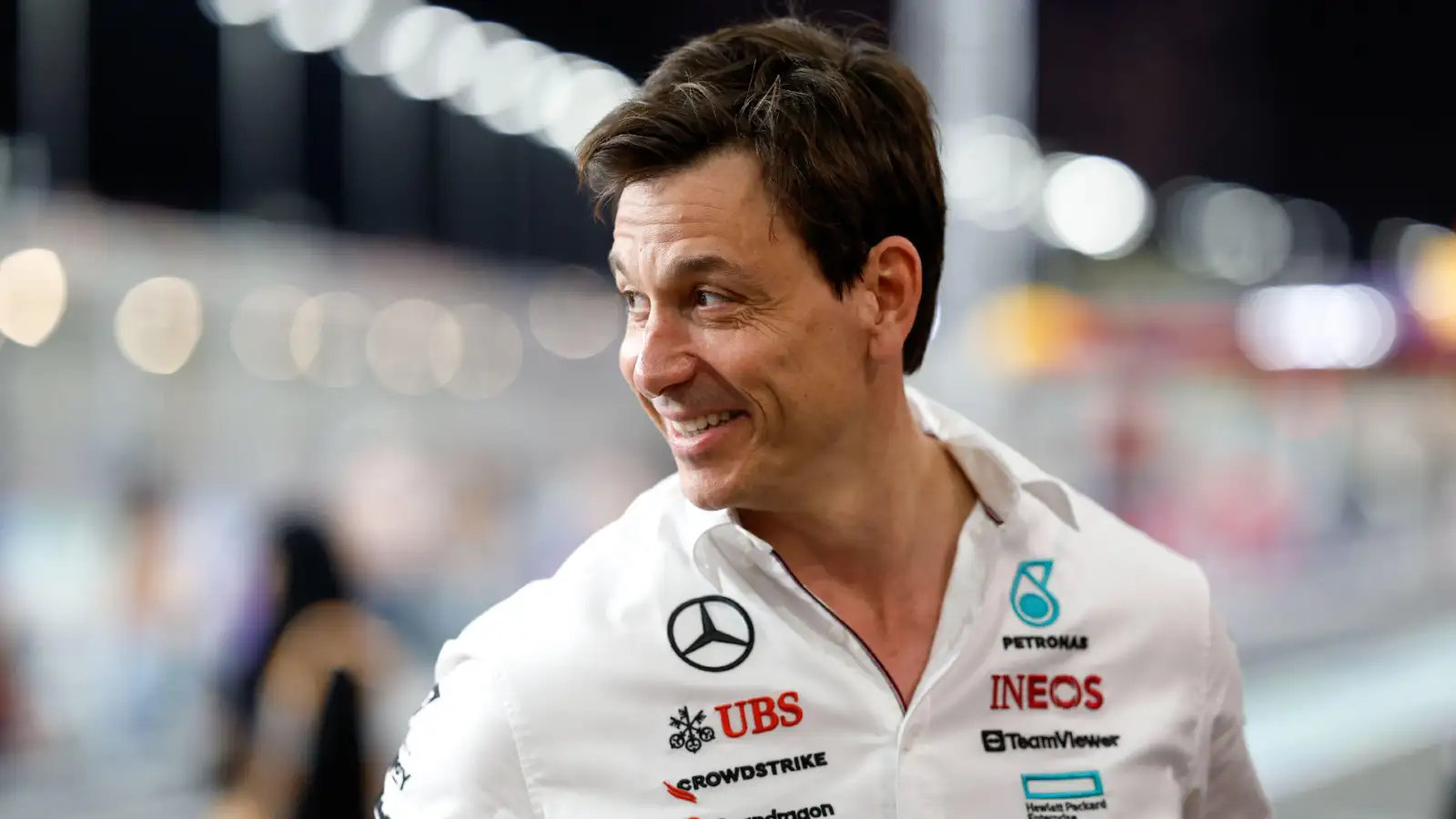
How Much Is Toto Wolff Worth? Inside the F1 Executive's Net Worth
Toto Wolff is estimated to be worth $1.6 billion, placing him among the elite billionaire executives in global sports. His net worth is primarily driven by his 33% equity stake in the Mercedes-AMG PETRONAS Formula One Team, alongside l...
Toto Wolff is estimated to be worth $1.6 billion, placing him among the elite billionaire executives in global sports. His net worth is primarily driven by his 33% equity stake in the Mercedes-AMG PETRONAS Formula One Team, alongside lucrative venture capital investments in technology, automotive manufacturing, and sports property management.
Contents
Breakdown of Toto Wolff's Net Worth and Portfolio
Understanding the financial standing of Torger Christian "Toto" Wolff requires examining how a former racing driver transitioned into a venture capitalist and ultimately became one of the most successful team principals in Formula 1 history. Unlike traditional sports managers who operate strictly as salaried employees, Wolff built his fortune through equity ownership, enterprise restructuring, and early investments in high-growth technology ventures.
- Toto Wolff Estimated Net Worth (~$1.6 Billion)
- Mercedes F1 33% Stake (~$1.2B-$1.4B valuation)
- Aston Martin Lagonda (~$15M-$30M)
- VC & Private Equity Funds (March 15/ 16, BRR)
The 33% Stake in Mercedes-AMG PETRONAS F1 Team
The largest single component of Wolff’s net worth is his one-third ownership share of the Mercedes-AMG PETRONAS Formula One Team. The team structure is divided equally into three 33.3% shares among:
- Mercedes-Benz Group AG (Corporate parent)
- INEOS Group (Led by Sir Jim Ratcliffe)
- Toto Wolff (Through his investment entities)
Recent private equity transactions, commercial sponsorship expansions, and league-wide financial reforms have pushed team valuations to unprecedented heights. Industry valuations evaluate top-tier Formula 1 teams like Mercedes-AMG PETRONAS between $3.0 billion and $3.8 billion. Consequently, Wolff’s personal equity in the team alone accounts for between $1.0 billion and $1.25 billion of his total net worth.
In addition to equity growth, Mercedes F1 regularly generates substantial net profits. Because the franchise operates as a cash-generative business, Wolff receives annual dividend distributions on top of his estimated executive salary of £16 million to £20 million ($20 million to $25 million USD).
Aston Martin Lagonda Investment
In April 2020, Wolff acquired a private financial investment in Aston Martin Lagonda Global Holdings PLC. Purchasing roughly a 4.95% stake—which was later diluted to under 1% following secondary equity offerings and corporate recapitalization—Wolff’s investment served as a financial trade rather than an operational role.
Although regulators scrutinize cross-team holdings, the International Automobile Federation (FIA) and Formula 1 compliance bodies confirmed no conflict of interest existed, as Aston Martin’s F1 operation operates independently of the car manufacturer's road-car division stock holdings. His residual stake in Aston Martin is valued between $15 million and $30 million, depending on public market fluctuations.
Venture Capital Funds: March Fifteen and March Sixteen
Long before taking the helm at Mercedes F1, Wolff established his wealth in European venture capital. In 1998, he founded March Fifteen, followed by March Sixteen in 2004. These tech-focused investment firms targeted early-stage European software, internet, and medium-tech companies.
Key investments made during this period included:
- SMS.ac: An early global mobile messaging platform.
- BRR Motorsport: A leading supplier of rally racing parts and engine tuning in Europe.
- Co-investments in tech incubators: Funding European software startups through seed and Series A rounds.
Proceeds from these early venture capital exits supplied the liquid capital necessary for Wolff to buy his initial shares in motor racing entities, starting with Williams Grand Prix Holdings PLC.
How Formula 1’s Financial Revolution Boosted Wolff's Enterprise Value
The dramatic increase in Toto Wolff’s personal net worth from approximately $400 million in 2020 to well over $1.5 billion coincides with a structural change in Formula 1's underlying economics.
- Traditional F1 Model (Pre-2021)
- Unlimited spending ($400M+)
- Loss-leader for OEMs
- volatile private ownership
- Modern F1 Model (Post-Budget Cap)
- Strict Cost Cap (~$135M base)
- High Profitability & Cash Flow
- Enterprise Franchise Valuations
The Introduction of the F1 Financial Regulations (Cost Cap)
Historically, Formula 1 teams operated as loss-leader marketing channels for major automobile manufacturers or capital-draining passion projects for wealthy individuals. Top teams spent anywhere from $400 million to $500 million annually, making consistent corporate profitability rare.
In 2021, Formula 1 introduced a strict financial cost cap, initially set at $145 million per season and subsequently adjusted to a base of $135 million (excluding driver salaries, top executive pay, and engine manufacturing costs). This regulatory shift altered the business model:
- Expense Control: Operating expenses became capped and predictable.
- Guaranteed Profit Margins: Teams with maximum commercial revenue instantly became highly profitable businesses.
- EBITDA Expansion: Mercedes-AMG F1 transformed from a zero-margin marketing operation into an enterprise generating tens of millions of dollars in net annual income.
Revenue Redistribution and the Concorde Agreement
The Eighth Concorde Agreement reshaped how commercial rights and television distribution funds are allocated among the 10 grid teams. Under Liberty Media’s ownership, Formula 1 expanded its global broadcasting reach, premium hospitality offerings, and U.S. event footprint (such as the Austin, Miami, and Las Vegas Grands Prix).
Because prize money distribution is now more equitable and total commercial revenues have expanded, every team on the grid holds guaranteed asset value. The combination of cost caps and rising revenue streams converted F1 teams into scarce sports franchises—similar to National Football League (NFL) or National Basketball Association (NBA) teams—significantly boosting Wolff's equity valuation.
Career Path: From Motor Racing to Strategic Investor
Toto Wolff’s financial journey stands out because he approached motorsport as an investor first and an operational executive second.
- 1990s: Driver & Early Business
- Austrian Formula Ford
- Realized limits in cockpit
- 2000s: Tech VC & Williams Stake
- Founded March Fifteen/Sixteen
- Acquired 15% Williams F1 stake
- 2013-Present: Mercedes Ownership & CEO
- Acquired 30% (later 33%) Mercedes F1
- Built 8 consecutive Constructors' titles
Early Motorsport and Business Career
Born in Vienna, Austria, Wolff started his career competing in Austrian Formula Ford and the Ford Zetec Series. However, recognizing his financial and physical limitations in reaching the top tier of professional driving, he shifted focus to business management and finance.
After attending the Vienna University of Economics and Business, he took a position at an investment firm before launching his own venture capital funds. His background in corporate finance gave him an advantage when evaluating under-managed sports properties.
The Williams F1 Investment
In 2009, Wolff bought a 15% equity stake in Williams Grand Prix Holdings PLC, joining the board of directors. During his tenure, Williams secured its 2012 Spanish Grand Prix victory under team principal Sir Frank Williams.
Wolff’s strategic leadership at Williams caught the attention of Daimler AG (now Mercedes-Benz Group AG). When Daimler sought to restructure its works team to challenge Red Bull Racing and Ferrari, it approached Wolff not just to manage the team, but to invest directly in its ownership.
Transition to Mercedes-AMG PETRONAS
In January 2013, Wolff exited his executive role at Williams and purchased a 30% stake in the Mercedes F1 team. He was appointed Team Principal and CEO, taking full control of both track performance and commercial strategy alongside Non-Executive Chairman Niki Lauda (who acquired a 10% stake).
Under Wolff's leadership, the team secured eight consecutive Constructors' World Championships from 2014 to 2021, establishing one of the most dominant eras in modern sports history. In December 2020, the ownership structure was reorganized to grant Wolff, Mercedes-Benz AG, and INEOS equal 33.3% shares.
Financial Overview & Primary Assets
The table below summarizes Toto Wolff’s major asset holdings, estimated values, and their underlying commercial drivers.
| Asset / Entity | Estimated Stake / Ownership | Valuation Range (USD) | Primary Income / Value Source |
|---|---|---|---|
| Mercedes-AMG F1 Team | 33.3% Equity Share | $1.0B – $1.25B | Team enterprise value, commercial sponsors, F1 revenue share |
| Executive Compensation | CEO & Team Principal | $20M – $25M / year | Base executive salary, performance bonuses, operational allowances |
| Mercedes F1 Dividends | 33.3% Shareholder Dividends | $10M – $30M / year | Annual net profit distributions from team operating margins |
| Aston Martin Lagonda | ~0.95% Public Equity | $15M – $30M | Public stock exchange value, automotive market capitalization |
| Venture Capital Portfolio | March Fifteen / Sixteen Funds | $50M – $100M | Early-stage investments, tech startups, real estate, liquid securities |
Executive Compensation vs. Equity Capital Gains
A common point of confusion is the difference between Toto Wolff’s annual salary and his net worth.
- Toto Wolff Compensation Structure
- Operational Compensation
- Fixed CEO Base Salary
- On-Track Performance Bonus
- Commercial Sponsorship Incentives
- Capital Asset Growth
- 33.3% Team Equity
- Profit Dividends
- VC Portfolio Gains
- Operational Compensation
- Salary & Bonuses: As CEO and Team Principal, Wolff receives a fixed salary alongside performance-based incentives for podium finishes, championship titles, and commercial partnership deals. This cash income covers personal operating expenses and fuels private liquid investments.
- Unrealized Equity Growth: The bulk of his wealth gain over the last decade comes from asset appreciation. Because the Mercedes-AMG F1 team grew from a $400 million organization into a multibillion-dollar asset, Wolff’s net worth increased without requiring him to sell his equity.
- Dividend Cash Flow: Because the team operates under a strict cost cap, it generates positive annual EBITDA. As an equal shareholder, Wolff receives direct dividend payouts when profits are distributed, adding liquid wealth separate from his fixed salary.
Frequently Asked Questions
Is Toto Wolff richer than Christian Horner?
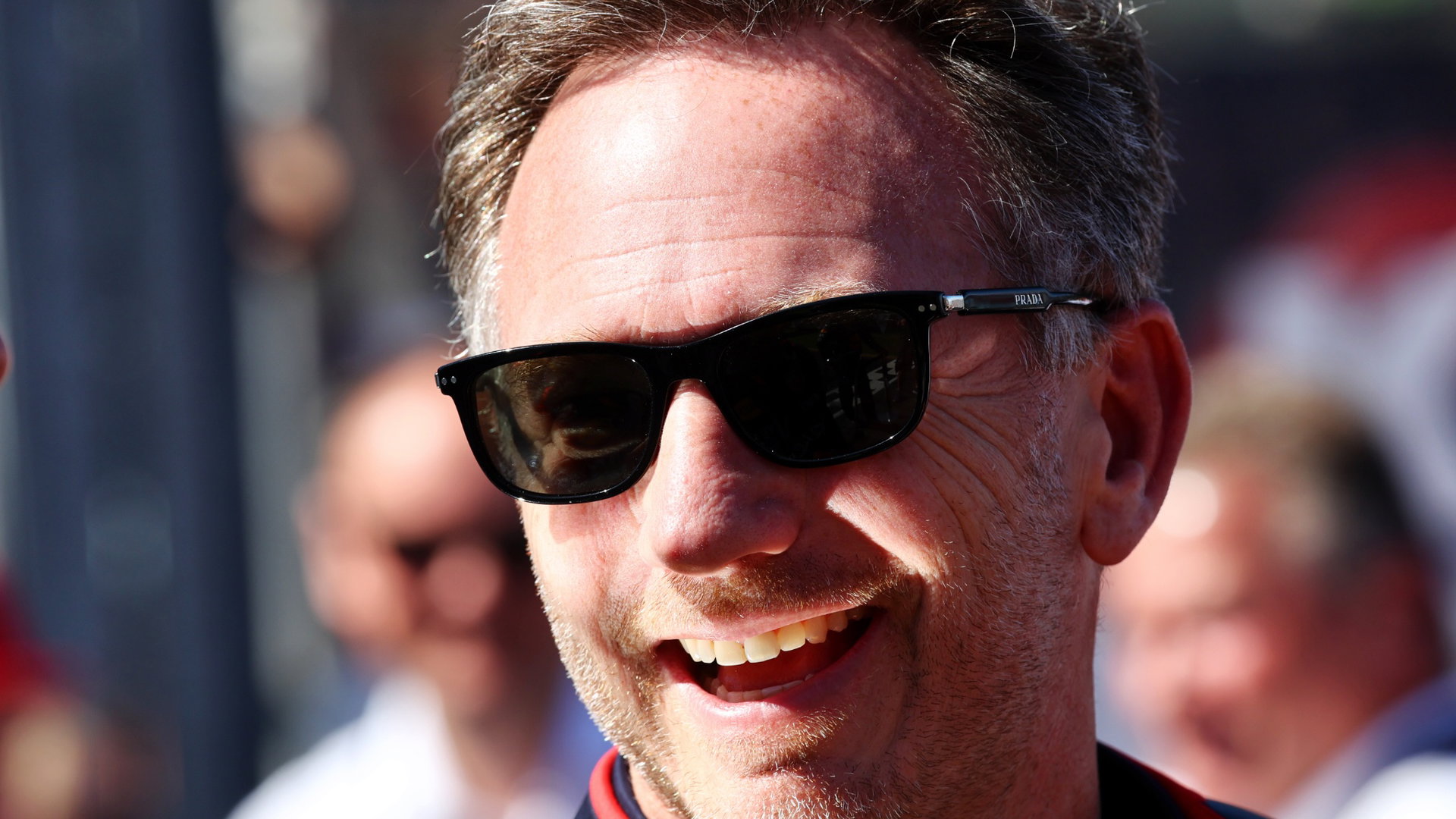
Yes. Christian Horner, Team Principal of Red Bull Racing, has an estimated net worth of roughly $50 million to $80 million, primarily derived from his executive salary. Unlike Wolff, Horner does not hold an equity ownership stake in Red Bull Racing, which is owned entirely by Red Bull GmbH.
How did Toto Wolff make his initial money?
Wolff earned his initial wealth through venture capital. In the late 1990s and early 2000s, he established investment firms March Fifteen and March Sixteen, securing early stakes in high-growth European technology, telecommunications, and software businesses.
Does Toto Wolff still own shares in Williams F1?
No. Wolff divested his shares in Williams Grand Prix Holdings PLC in stages after joining Mercedes. He sold the final portion of his holdings to healthcare executive Brad Hollinger in 2016 to avoid any lingering financial overlap between competing teams.
What percentage of Mercedes F1 does Toto Wolff own?
Toto Wolff owns exactly 33.3% of the Mercedes-AMG PETRONAS Formula One Team. The remaining equity is split equally between Mercedes-Benz Group AG (33.3%) and chemical group INEOS (33.3%).
Is Toto Wolff a billionaire according to Forbes?
Yes. Forbes officially recognized Toto Wolff on its global billionaires list after the valuation of Formula 1 teams spiked due to international growth, broadcast revenue increases, and the financial stability brought by the F1 cost cap.
Business Lessons from Toto Wolff's Wealth Strategy
For executives, sports investors, and financial analysts, Toto Wolff’s wealth build offers practical lessons in structure and timing:
- Prioritize Equity Over Salary: Real long-term wealth comes from holding enterprise equity rather than relying solely on high executive pay.
- Align Management with Ownership: By serving as both CEO and a 33% owner, Wolff aligns his operational decisions directly with the team's long-term enterprise value.
- Capitalize on Structural Industry Shifts: Wolff acquired his Mercedes stake when F1 teams faced financial instability, positioning himself for massive upside when structural changes like the cost cap were implemented.
Investors evaluating sports franchises should look beyond short-term operational results and assess structural factors—such as spending limits, media distribution terms, and ownership scarcity—that convert high-profile teams into long-term cash-generating assets.
Image Gallery