5 Key Benefits of a 4-Wheel Lightweight Suitcase for Modern Travel
A 4-wheel lightweight suitcase delivers 360-degree mobility, significant physical strain reduction, and maximized packing weight within strict airline limits. By combining advanced lightweight materials with multidirectional spinner wh...
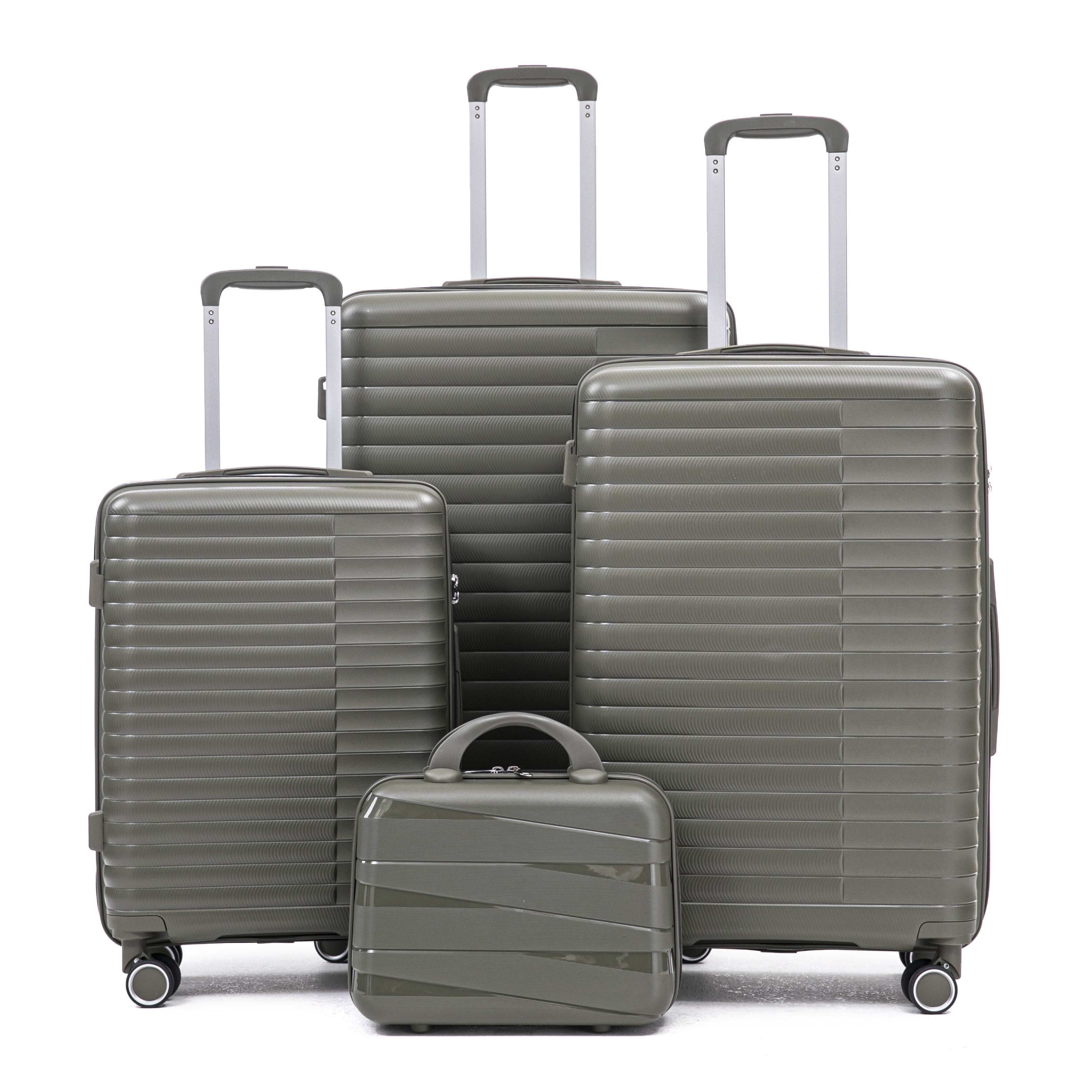
A 4-wheel lightweight suitcase delivers 360-degree mobility, significant physical strain reduction, and maximized packing weight within strict airline limits. By combining advanced lightweight materials with multidirectional spinner wheels, these bags let travelers glide effortlessly through crowded terminals and narrow airplane aisles without supporting the luggage's dead weight.
Contents
The Evolution of Travel Gear: Why Weight and Wheel Design Matter
Luggage design has transformed dramatically over recent decades. Early suitcases were rigid, heavy trunks that required manual carrying. The introduction of two-wheel "rollaboard" bags in the late 1980s made transit easier, but still required travelers to tilt the bag and pull a portion of its weight behind them.
Modern travel demands higher efficiency. Airline baggage allowances have become strictly enforced, and large transit hubs require long walks across airport concourses, train platforms, and city streets. The emergence of four-wheel spinner suitcases, combined with ultralight material engineering, addresses these challenges by changing how weight is distributed and moved. Understanding the core functional advantages of a four-wheel lightweight suitcase helps travelers make informed choices for business, leisure, and frequent transit.
Benefit 1: Superior Ergonomics and Reduced Physical Body Strain
The primary mechanical advantage of a four-wheel suitcase lies in how it manages weight. Traditional two-wheel suitcases function as levers. When tilted to roll, a significant percentage of the bag's total mass is transferred directly onto the user's wrist, arm, shoulder, and lower back. Over long walks, this continuous tension can cause muscle fatigue and joint strain.
- Two-Wheel Pull System: User applies pulling force and supports approximately 30% load from the luggage.
- Four-Wheel Push System: User applies directional push force only to luggage moving on four wheels.
A four-wheel lightweight suitcase distributes 100% of its weight directly onto the ground when upright. Because the wheels roll in any direction, travelers push or guide the bag alongside them rather than dragging it.
Key Ergonomic Advantages:
- Zero Arm Support Load: The ground carries the entire weight of the packed bag. The traveler applies horizontal force only to guide direction.
- Neutral Spine Posture: Pushing a bag at your side lets you maintain an upright posture, preventing the asymmetric torso twisting required when pulling a two-wheel case.
- Joint Protection: Reduced tension on wrist flexors, elbows, and rotator cuffs makes four-wheel luggage an ideal option for travelers with mobility limitations, arthritis, or back injuries.
Benefit 2: Maximized Airline Weight Allowance
Airlines worldwide enforce strict limits on both carry-on and checked luggage weight. For carry-on bags, limits typically range between 7 kg (15 lbs) and 10 kg (22 lbs), while checked bags are usually capped at 23 kg (50 lbs) or 32 kg (70 lbs) for premium cabins before heavy excess baggage fees apply.
Old-style heavy luggage constructed from thick plastic, wood frames, or heavy canvas could weigh 4.5 kg to 6 kg (10 to 13 lbs) while completely empty. This consumed more than half of a standard carry-on weight allowance before a single item of clothing was packed.
- Traditional Heavy Suitcase (Empty: 5.0 kg): Frame: 5.0 kg + Packed Gear: 2.0 kg = 7.0 kg Max Limit
- Modern Lightweight Suitcase (Empty: 2.0 kg): Frame: 2.0 kg + Packed Gear: 5.0 kg = 7.0 kg Max Limit
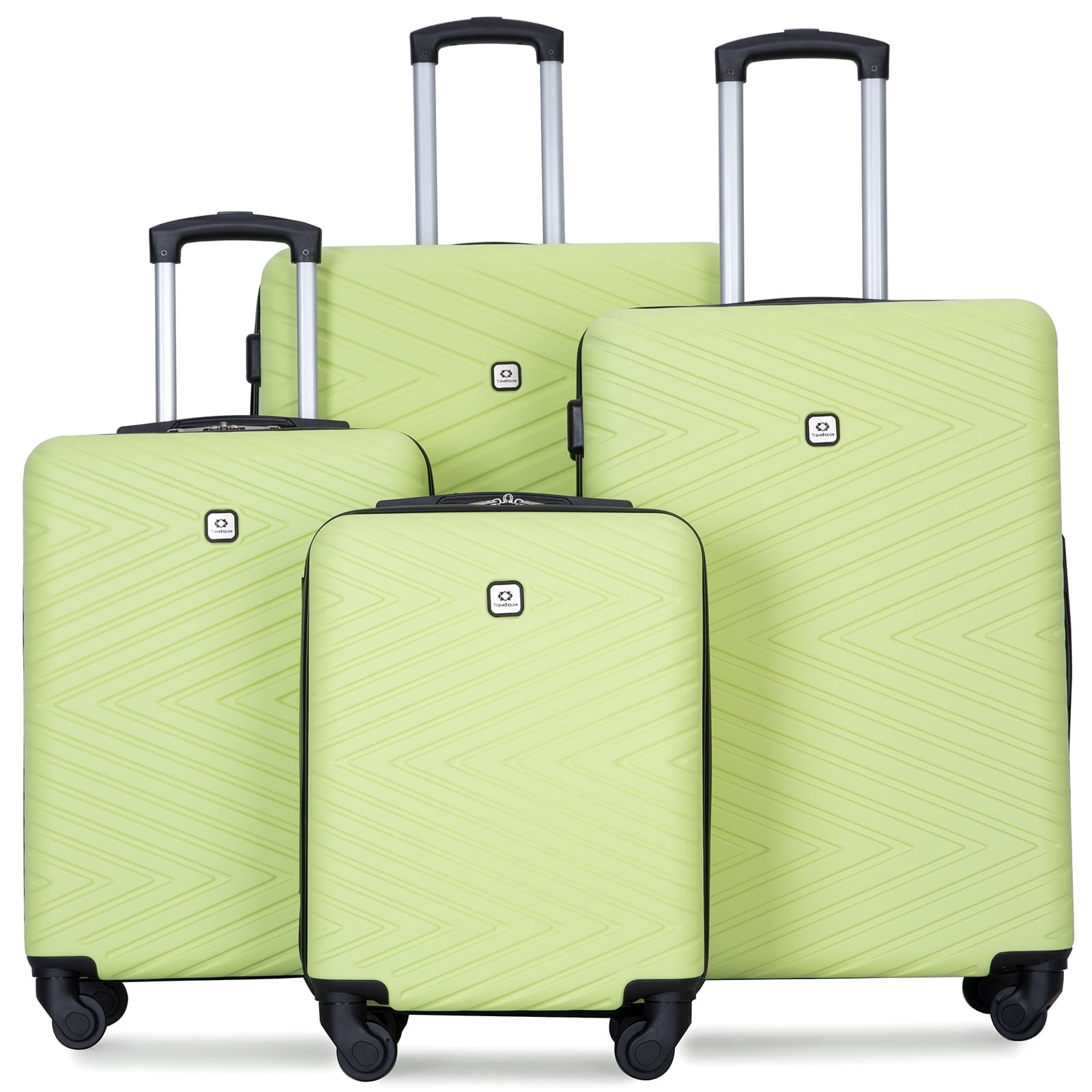
Modern lightweight four-wheel suitcases utilize advanced materials to drop empty weights down to 1.8 kg – 2.5 kg (4 to 5.5 lbs) for carry-ons.
Practical Impact on Packing:
- More Personal Items: Saving 2 kg (4.4 lbs) on empty bag weight lets you pack extra apparel, shoes, or electronics without exceeding cabin allowances.
- Elimination of Overweight Fees: Lower tare weight provides a safety margin at airport check-in scales, preventing costly last-minute repacking or overweight surcharges.
- Easier Overhead Lifting: A lighter base weight makes it significantly easier to lift the suitcase into airplane overhead bins or upper train luggage racks.
Benefit 3: Effortless Steering in Narrow and Crowded Spaces
Airport terminals, subway platforms, and airplane aisles are often congested. Navigating these spaces with a two-wheel bag dragged behind you creates a wide footprint that can trip other pedestrians or catch on obstacles.
Four-wheel suitcases feature 360-degree rotating spinner casters. This allows the bag to move sideways, backwards, diagonally, or spin in place without requiring room to turn around.
- Airplane Aisle Clearance Comparison:
- Two-Wheel Dragging: Wide drag footprint between seats (High Obstruction)
- Four-Wheel Sideways: Bag turned sideways between seats (Narrow Profile)
Navigating Specific Constraints:
- Aircraft Aisles: Standard single-aisle aircraft aisles are approximately 15 to 20 inches wide. A two-wheel suitcase pulled behind will frequently snag on seat armrests. A four-wheel spinner can be turned sideways and pushed flat along its narrow profile directly to your assigned seat.
- Elevators and Turnstiles: You can maneuver a four-wheel bag in front of you through tight ticket gates or inside crowded elevators without needing room to swing the bag behind you.
- Security Lines: In slow-moving queues, a four-wheel bag can be nudged forward with a foot or finger, eliminating the repetitive pick-up-and-tilt motion required by two-wheel luggage.
Benefit 4: Outstanding Balance and Standalone Stability
One of the common frustrations of two-wheel luggage is its tendency to tip forward when placed upright, especially when outer pockets are packed heavily or a secondary bag is attached to the handle.
A four-wheel suitcase rests on four widely spaced contact points. This broader wheelbase lowers the center of gravity and creates a balanced, stable platform.
Functional Benefits of Standalone Balance:
- Hands-Free Standing: The bag stays upright on flat surfaces without needing to be propped against a wall or held constantly.
- Secondary Bag Stacking: You can secure a laptop bag, backpack, or tote over the extended trolley handle using a luggage sleeve. The four-wheel base absorbs the combined weight of both bags without tipping over.
- Safe Queueing: Stays stable when waiting at check-in desks, passport control, or hotel receptions, freeing your hands to manage travel documents, phones, or children.
Benefit 5: High Durability Through Modern Material Engineering
Older lightweight bags often sacrificed structural protection to save weight, relying on soft, thin fabrics stretched over weak metal wires. Today's lightweight four-wheel suitcases achieve low weight while maintaining structural strength by using engineered polymers and high-tenacity textiles.
Advanced Lightweight Shell Materials:
- Polycarbonate (PC): An amorphous thermoplastic known for high impact resistance and flexibility. Under heavy pressure or impact, polycarbonate flexes to absorb force and then pops back into its original shape without cracking.
- Polypropylene (PP): One of the lightest polymers used in luggage construction. It offers high chemical resistance, excellent flexural strength, and lower density than standard plastics, providing rigid hardshell protection at minimal weight.
- Curv® / Self-Reinforced Polypropylene: A specialized composite technology where polypropylene fibers are woven and matrix-reinforced. It offers exceptional impact resistance, particularly at sub-zero temperatures, while remaining remarkably thin and light.
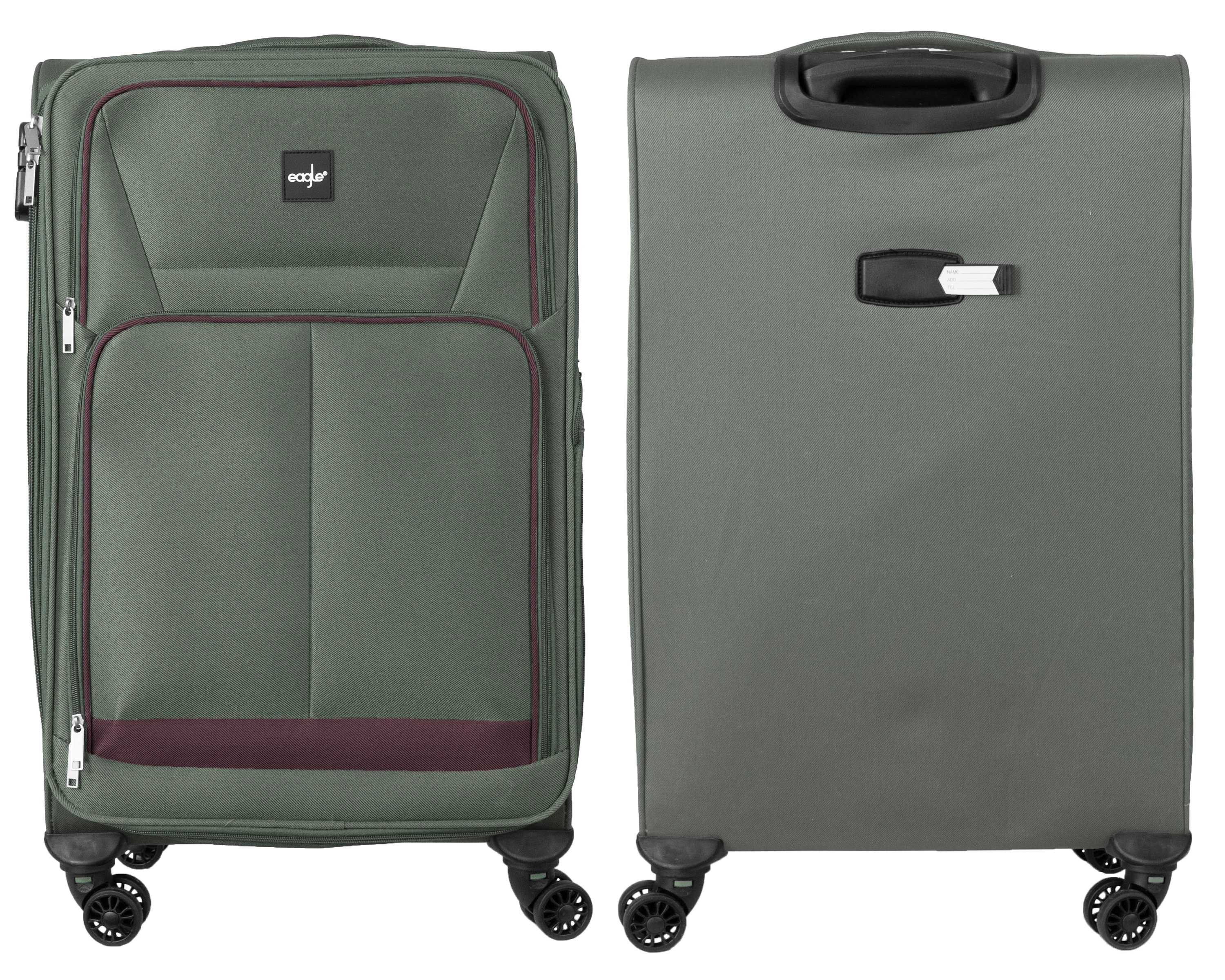
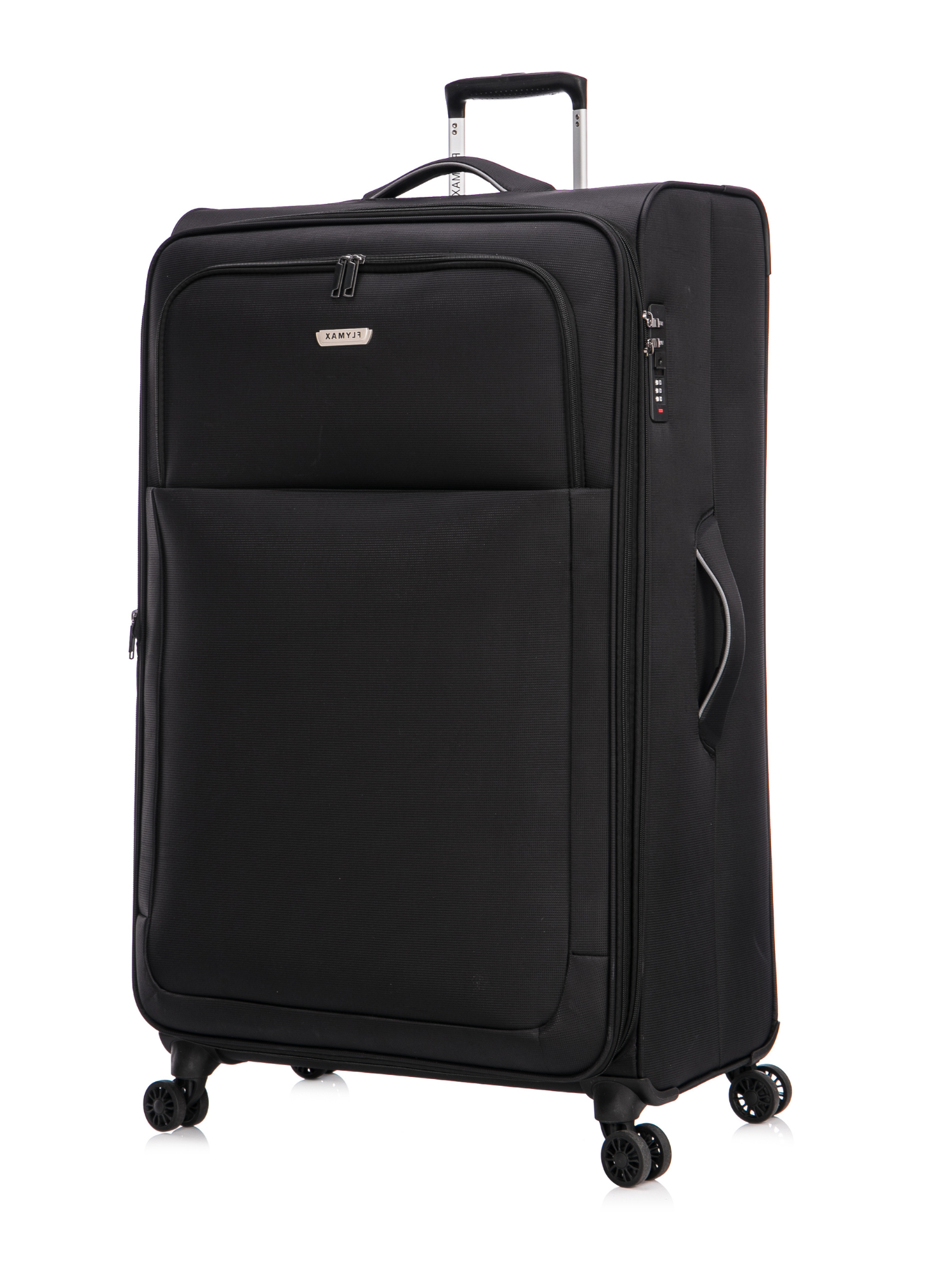
- High-Denier Ripstop Nylon / Cordura: Used in softshell luggage, these woven synthetic fabrics use crosshatch reinforcement threads to deliver tear resistance and water repellency while keeping overall frame weight minimal.
Side-by-Side Comparison: 4-Wheel Lightweight vs. 2-Wheel Standard Suitcases
To understand how these design choices perform in real-world conditions, consider the key operational differences between 4-wheel lightweight models and traditional 2-wheel heavy suitcases:
| Feature / Metric | 4-Wheel Lightweight Suitcase | 2-Wheel Standard Heavy Suitcase |
|---|---|---|
| Typical Empty Weight (Carry-On) | 1.8 kg – 2.5 kg (4.0 – 5.5 lbs) | 3.8 kg – 5.0 kg (8.4 – 11.0 lbs) |
| Primary Movement Style | 360° Upright Push, Side-Glide, or Pull | 2-Wheel Angled Pull Only |
| Weight Distribution | 100% Floor-Supported | ~30% Supported by Wrist/Arm |
| Narrow Aisle Clearance | Excellent (Rolls sideways along long axis) | Poor (Requires wide turning radius) |
| Standing Stability | High (Balanced across 4 wheel hubs) | Moderate to Low (Prone to tipping forward) |
| Primary Material Types | Polycarbonate, Polypropylene, Ripstop Nylon | Heavy ABS, Thick PVC, Heavy Steel Frame |
| Best Surface Performance | Smooth Airport Terminals, Tile, Asphalt | Cobblestones, Gravel, Dense Carpet |
Technical Considerations: Single vs. Double (Dual) Spinner Wheels
When selecting a four-wheel suitcase, the design of the wheel assembly itself plays a critical role in smooth rolling performance and long-term durability.
- Single Wheel Assembly: Wheel Hub with Single Rubberized Wheel
- Double / Dual Wheel: Wheel Hub with Left Wheel and Right Wheel
- Single Spinner Wheels: Feature one wheel per corner post (4 wheels total). They are lighter and contribute to lower overall bag weight, but can catch more easily in floor cracks or sidewalk gaps.
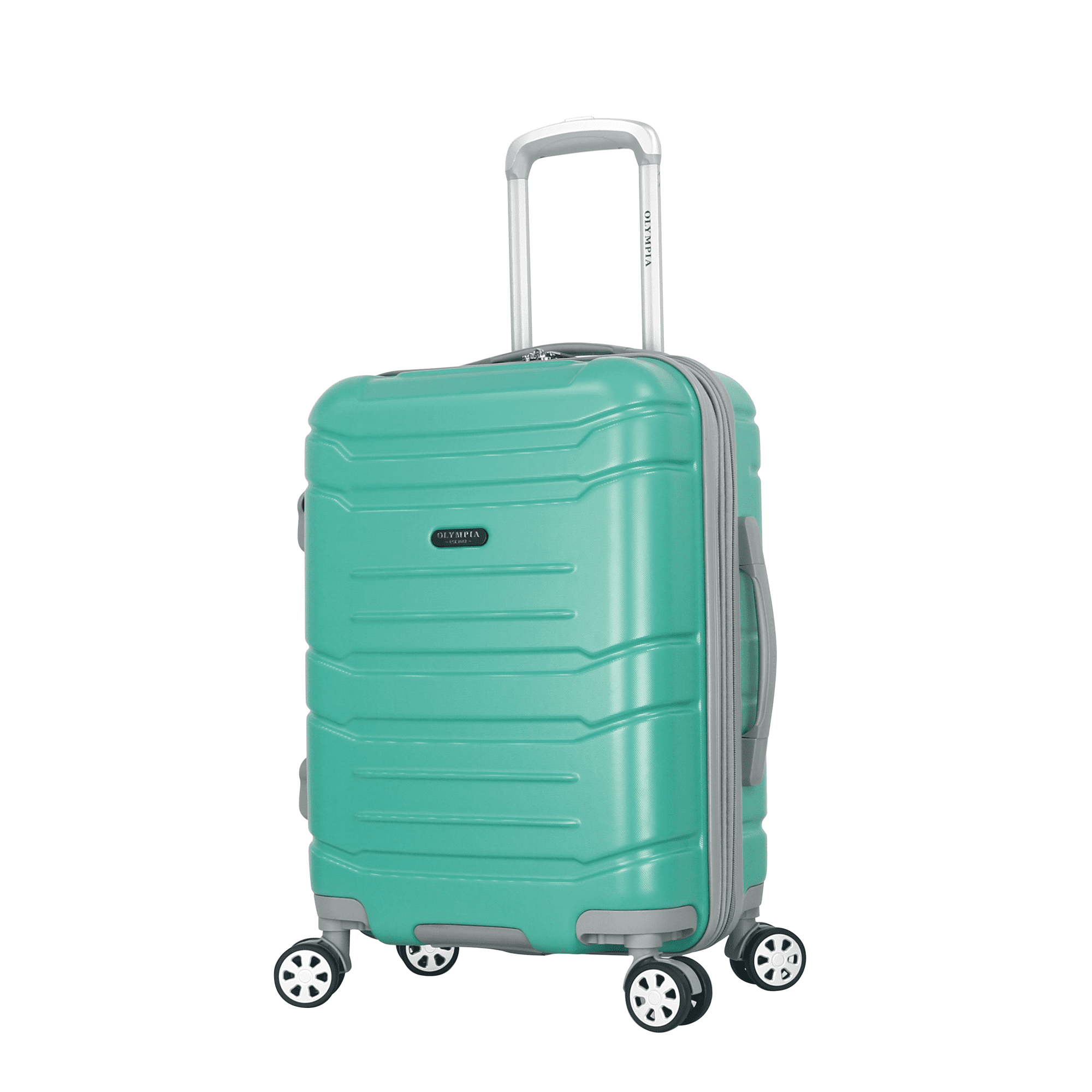
- Double / Dual Spinner Wheels: Feature two paired wheels per corner post (8 wheels total). Dual wheels distribute weight across double the surface area, reducing friction, offering smoother 360-degree rotation, and bridging small cracks in pavement effortlessly.
For travelers who regularly pull bags across varied outdoor terrain outside of flat airports, dual spinner wheel setups offer superior stability and wear resistance.
Practical Care and Maintenance for 4-Wheel Luggage
To preserve the performance and lifespan of a four-wheel lightweight suitcase, follow these operational best practices:
- Transition Wheels on Rough Surfaces: While 4-wheel spinners excel on flat terminal floors, dragging them over deep gravel, cobblestones, or tall grass on four wheels can wear down small caster bearings. On rough surfaces, tilt the bag onto its two rear wheels to pull it smoothly over obstacles.
- Clean Wheel Axles Regularly: Hair, carpet fibers, and dirt can wrap around the wheel axles over time, causing friction and noise. Periodically inspect the wheel hubs and use tweezers or compressed air to clear debris from the bearings.
- Distribute Internal Weight Evenly: Place heavier items—such as shoes, toilet kits, and books—at the bottom of the suitcase near the wheel base. This lowers the center of gravity and prevents the bag from feeling top-heavy when guided at high speeds.
- Avoid Exceeding Weight Limits: Overloading an ultralight bag beyond its rating puts excessive stress on the wheel mounts, handle rivets, and zippers. Always stay within recommended packing capacities.
Frequently Asked Questions
Are 4-wheel suitcases better than 2-wheel suitcases?
Four-wheel suitcases offer superior ergonomics, 360-degree maneuverability, and zero wrist strain on flat surfaces like airport concourses and train stations. Two-wheel bags perform better on uneven outdoor surfaces like cobblestones or gravel. However, modern dual-wheel 4-wheel suitcases can be tilted onto two wheels when needed, offering the advantages of both designs.
Can you pull a 4-wheel suitcase on two wheels?
Yes. Quality 4-wheel spinner suitcases are designed to roll upright on all four wheels or tilt back onto two wheels when rolling across uneven pavements, thick rugs, or outdoor curbs.
What is considered a lightweight carry-on suitcase weight?
An empty carry-on suitcase is considered lightweight if it weighs between 1.8 kg and 2.5 kg (4.0 to 5.5 lbs). Bags weighing less than 2.0 kg (4.4 lbs) fall into the ultralight category, giving travelers the maximum capacity for packed items without exceeding strict airline limits.
Do spinner wheels break easily on rough surfaces?
Early spinner wheels had exposed plastic housings that were vulnerable to impact. Modern 4-wheel suitcases feature recessed wheel mounts, reinforced corner guards, and high-impact polyurethane wheels with ball bearings, drastically reducing the risk of breakage during transit.
Which material is lightest for a hardshell 4-wheel suitcase?
Polypropylene (PP) and composite woven materials like Curv® offer the lowest weight among hardshell options. Polycarbonate (PC) is slightly heavier than polypropylene but offers higher impact resistance and shell elasticity.
Final Recommendation: How to Choose the Right Suitcase
Selecting the right luggage comes down to matching your primary travel environments with your physical comfort requirements.
If your travel involves flying, commuting through train stations, maneuvering down narrow aircraft aisles, or avoiding physical strain on your back and shoulders, a 4-wheel lightweight suitcase with dual spinner wheels offers the best performance. Look for models made from polycarbonate or polypropylene for hardshell bags, or high-denier ripstop nylon for softshell options. Prioritize bags with multi-stage aluminum telescoping handles to ensure smooth, effortless transport wherever you travel.
Image Gallery