Why The Rodon Group Matters: The Benchmark for High-Volume American Injection Molding
The Rodon Group is a cornerstone of American high-volume plastic injection molding, proving that domestic manufacturing can compete globally through automation and precision engineering. By integrating mold design, tool building, and m...
The Rodon Group is a cornerstone of American high-volume plastic injection molding, proving that domestic manufacturing can compete globally through automation and precision engineering. By integrating mold design, tool building, and manufacturing under one roof, they offer a competitive pricing model for large-scale production while maintaining rigorous quality and sustainability standards.
Contents
The Evolution of a Manufacturing Powerhouse
To understand why The Rodon Group matters in the landscape of 2026, one must look back at its foundational philosophy. Established in 1956 by Irving Glickman, the company was born from a desire to create a more efficient manufacturing process for small, high-volume plastic parts. While many American firms spent the late 20th century offshoring production to East Asia to chase lower labor costs, Rodon stayed in Hatfield, Pennsylvania.
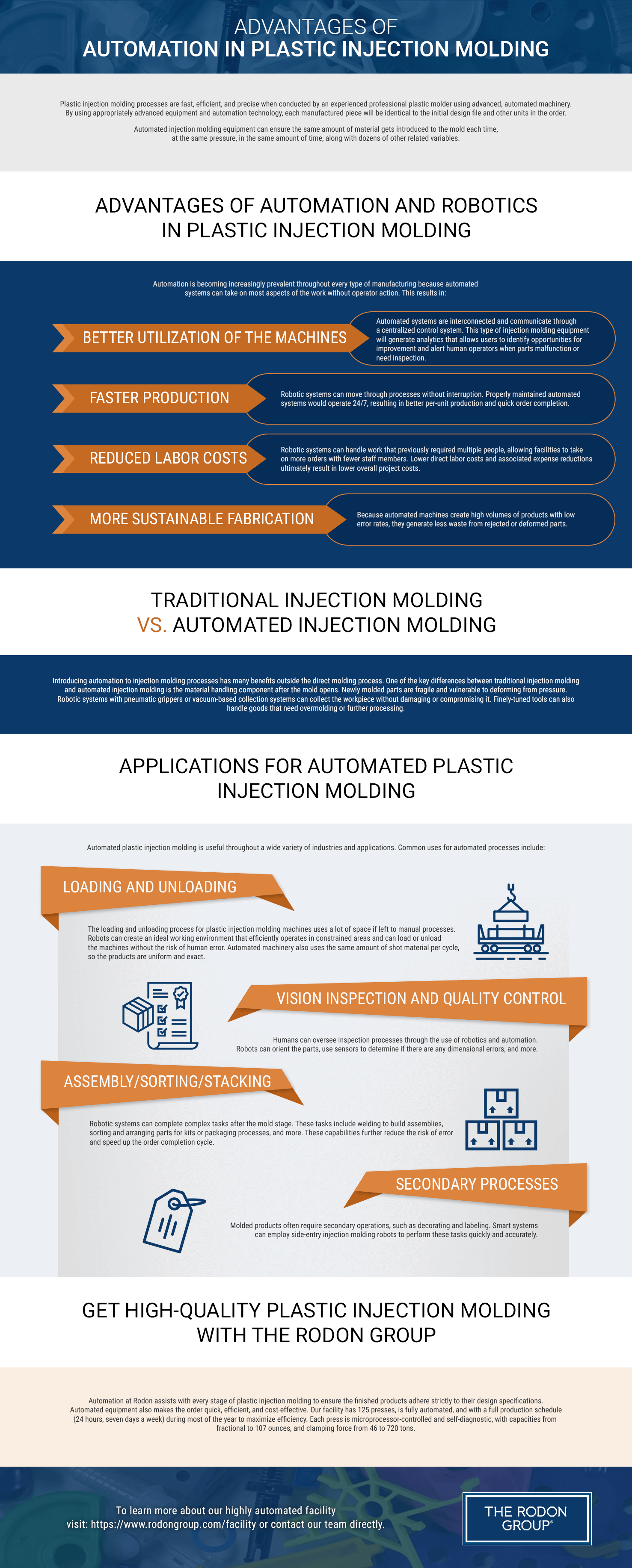
Their survival and subsequent dominance were not accidental. They pivoted toward a "lights-out" manufacturing philosophy early on, utilizing robotics and automated systems to minimize labor overhead. This strategic decision allowed them to offer a "Cheaper than China" pricing strategy for high-volume orders. In 2026, as global supply chains remain sensitive to geopolitical shifts and carbon footprints, Rodon’s localized, highly efficient model serves as a blueprint for the "reshoring" movement that has redefined American industry over the last decade.
High-Cavity Tooling and the Science of Scale
A primary reason The Rodon Group remains a leader in the industry is its mastery of high-cavity tooling. While many injection molders focus on short-run prototyping or medium-volume production, Rodon specializes in quantities ranging from the hundreds of thousands into the tens of millions.
The technical difference lies in the mold itself. Rodon designs and builds stainless steel molds that can feature up to 128 cavities or more. In injection molding, the "cycle time"—the time it takes for plastic to be injected, cooled, and ejected—is the primary driver of cost. By using high-cavity molds, Rodon can produce 128 parts in the same time a standard molder might produce four or eight.
This approach requires an extraordinary level of precision. When dealing with such high volumes, even a fraction of a millimeter of deviation in one cavity can lead to millions of defective parts. Rodon’s internal tool shop ensures that every mold is maintained to tolerances that prevent flash (excess plastic) and ensure part consistency over millions of cycles. This vertical integration—designing the part, building the tool, and running the production in one facility—eliminates the "finger-pointing" that often occurs when a manufacturer blames a third-party tool builder for production issues.
The K’NEX Legacy: A Proof of Concept
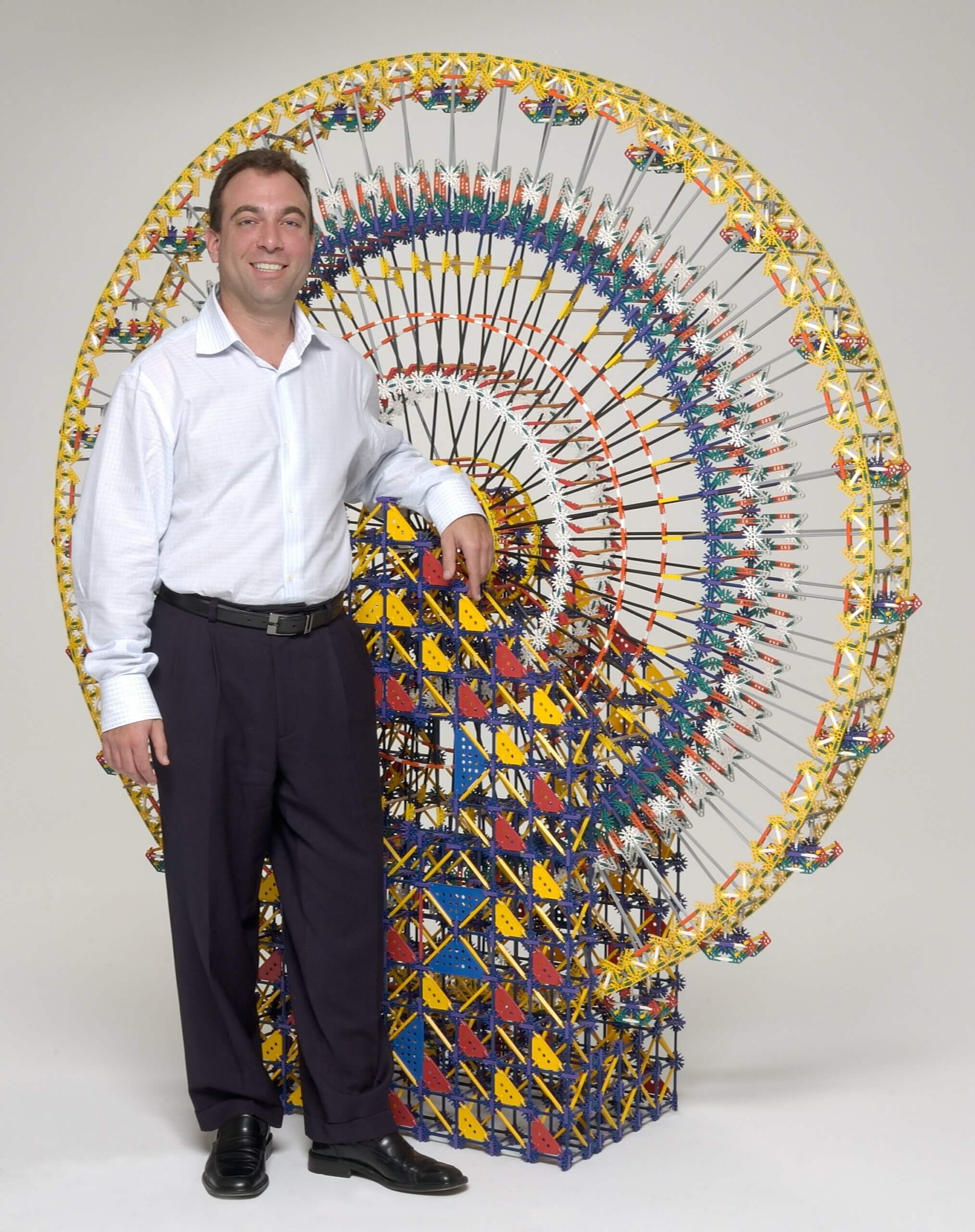
Perhaps the most visible reason The Rodon Group matters to the broader consumer world is its history with K’NEX. As the sister company to the iconic building toy brand, Rodon was responsible for manufacturing billions of K’NEX components.
The K’NEX project was a massive stress test for high-volume precision. Toy components must fit together with a "snap-fit" that is consistent across different batches produced years apart. If a connector is too loose, the structure collapses; if it is too tight, a child cannot use it. Rodon achieved this level of perfection at a scale of over 30 billion parts.
Although the K’NEX brand was sold to Basic Fun! in 2018, Rodon retained the manufacturing expertise gained from that decades-long partnership. It proved to the global market that complex, high-tolerance consumer goods could be manufactured in the United States at a price point that was competitive with overseas factories, provided the volume was high enough to justify the initial investment in high-quality tooling.
Sustainability and Landfill-Free Operations
In 2026, the environmental impact of plastic manufacturing is under more scrutiny than ever before. The Rodon Group has set an industry standard for sustainability that many other firms are still struggling to match. They are a certified landfill-free facility, meaning that virtually 100% of the waste generated during the manufacturing process is recycled or repurposed.
This commitment to sustainability manifests in several ways:
- Closed-Loop Water Systems: They utilize advanced cooling systems that recycle water, significantly reducing consumption.
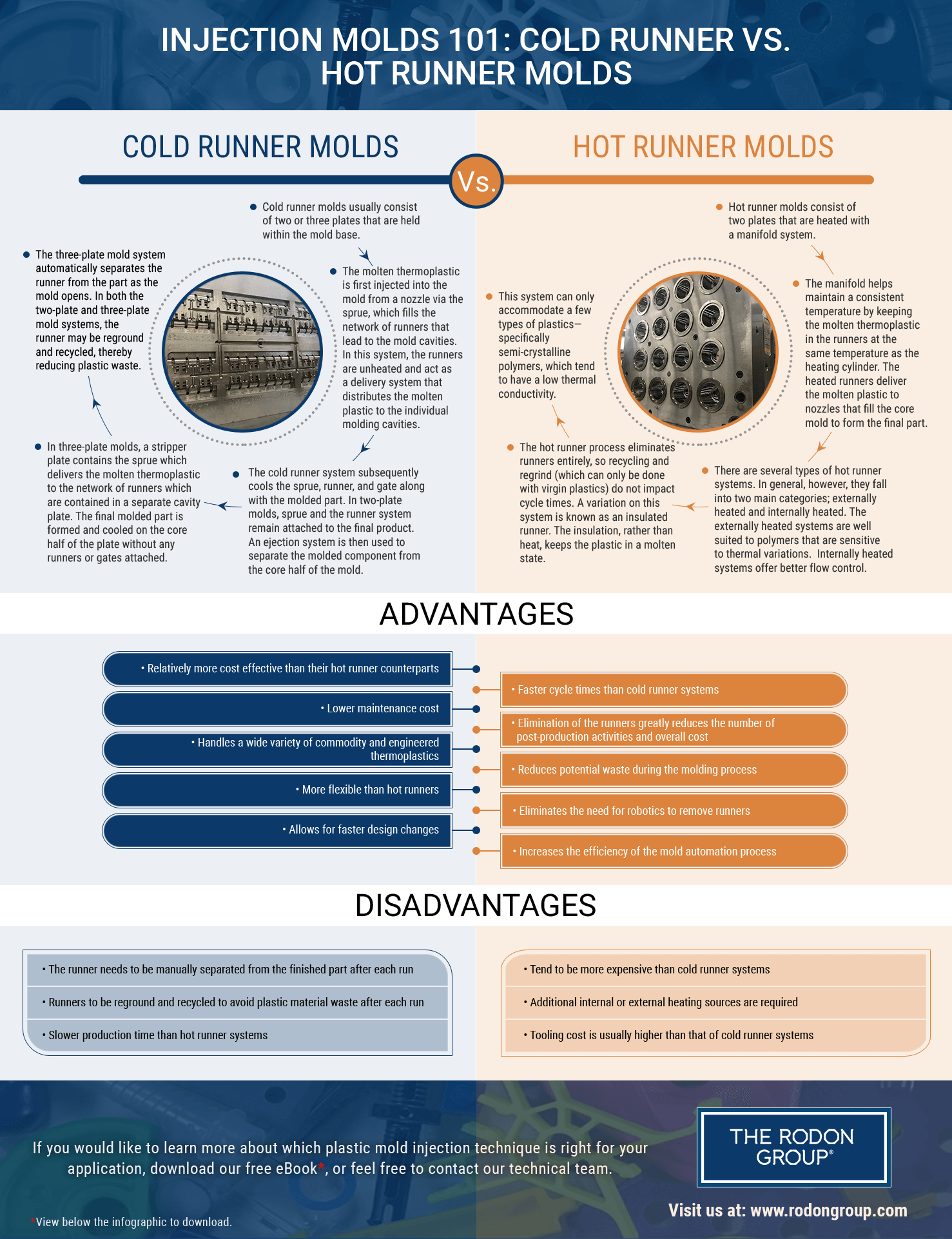
- Regrind Utilization: Whenever possible, "sprues" and "runners" (the excess plastic from the molding process) are ground down and reintroduced into the production cycle, ensuring zero material waste.
- Energy Efficiency: The Hatfield facility employs high-efficiency servo-electric presses which consume significantly less power than traditional hydraulic presses and provide cleaner operation.
- Non-Toxic Materials: Rodon works primarily with resins that are BPA-free and phthalate-free, catering to the medical, food service, and toy industries where safety is paramount.
Technical Capabilities and Facility Specifications
The Rodon Group operates one of the largest injection molding facilities in the United States. Their capacity allows them to serve diverse sectors, from medical diagnostics and food packaging to construction and consumer electronics.
| Feature | Specification / Capability |
|---|---|
| Facility Size | Over 125,000 square feet |
| Number of Presses | 125+ high-speed injection molding machines |
| Press Tonnage | 46 to 400 tons |
| Materials Handled | ABS, Nylon, Polypropylene, Polyethylene, Polystyrene, and more |
| Certifications | ISO 9001:2015, HACCP Compliant, UL Certified |
| Specializations | High-cavity tooling, automated assembly, custom color matching |
| Production Volume | Minimums typically start at 25,000 to 50,000+ pieces |
The Economic Importance of "Made in USA" in 2026
The Rodon Group is a vocal advocate for American manufacturing through its involvement in organizations like "American Made Matters." In the current economic climate of 2026, the "Made in USA" label represents more than just national pride; it represents supply chain resilience.
By manufacturing domestically, Rodon's clients avoid the complexities of international shipping, customs duties, and the volatility of trans-oceanic logistics. Furthermore, the proximity of the manufacturing site to the engineering team allows for faster iterations and quality audits. If a client in the United States needs to inspect their production line, they can fly to Pennsylvania in hours rather than traveling to a different continent. This proximity reduces the "total cost of ownership," a metric that smart companies use to evaluate manufacturing partners beyond the simple per-unit price.
Strategic Advantages for Modern Clients
For a company looking to bring a high-volume product to market in 2026, Rodon offers several strategic advantages that separate them from "job shop" molders:
- Lower Unit Costs: Through high-cavity molds and 24/7 automated production, the cost per part often matches or beats quotes from low-labor-cost countries.
- Tooling Guarantees: Rodon often offers "lifetime" tool guarantees for as long as they are running the production. This removes the risk of a client having to pay for a new $50,000 mold if the original wears out after five million cycles.
- Inventory Management: With a massive facility, Rodon can offer "Just-in-Time" (JIT) delivery, holding safety stock for clients to ensure that supply chain disruptions do not halt their assembly lines.
- Resin Sourcing Power: Due to their massive throughput, Rodon has significant bargaining power with resin suppliers, often securing lower material costs which are then passed on to the client.
Frequently Asked Questions
Does The Rodon Group handle small-batch prototyping?
While Rodon provides design support and can assist in the transition from prototype to production, they are specifically optimized for high-volume manufacturing. Their business model and machinery are most efficient for orders exceeding 25,000 to 50,000 parts. Companies seeking 100 or 1,000 parts may find better value with 3D printing or low-volume "bridge" molders.
What industries does Rodon primarily serve?
Rodon is highly active in the medical and pharmaceutical sectors (producing diagnostic components and disposables), food and beverage (caps, closures, and containers), and the hardware/construction industry (fasteners and spacers). They also maintain a presence in the toy and consumer goods markets.
How does Rodon maintain quality at such high speeds?
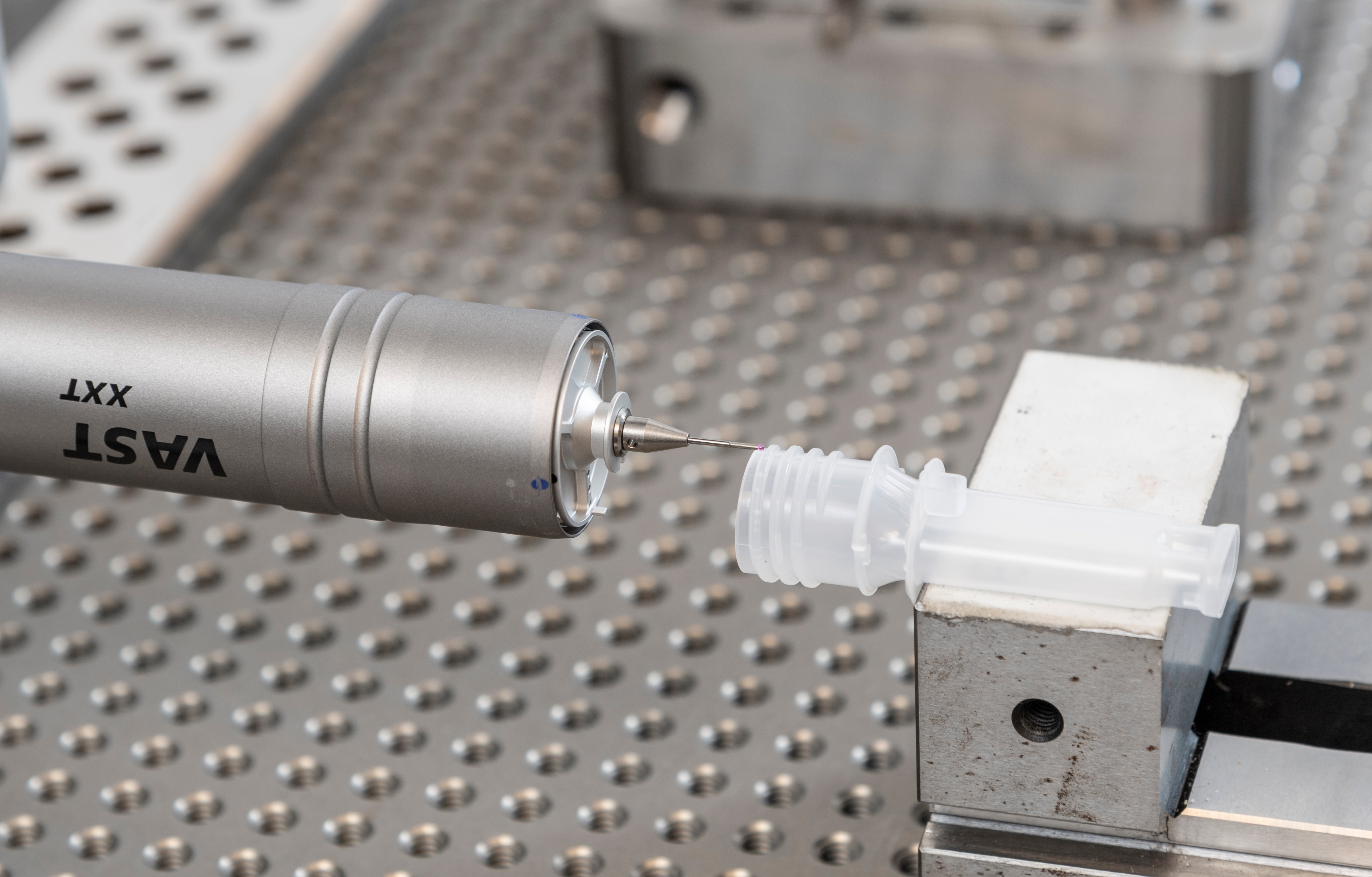
Rodon utilizes a combination of automated vision systems and statistical process control (SPC). High-speed cameras and sensors monitor parts as they are ejected from the mold, automatically flagging and diverting any part that deviates from the programmed dimensions. This allows for 100% inspection on critical components without slowing down production.
Can Rodon help with part design and material selection?
Yes, Rodon’s engineering team often collaborates with clients during the "Design for Manufacturing" (DFM) phase. By optimizing the part geometry early, they can ensure the part is suitable for high-cavity tooling, which prevents issues like sink marks or air traps and minimizes material usage.
Is The Rodon Group still a family-owned business?
The Rodon Group was acquired by Rite-Hite in 2023. While it is part of a larger corporate family now, it maintains its specialized focus on high-volume injection molding and continues to operate out of its landmark Hatfield, Pennsylvania facility with the same core leadership and engineering principles.
Final Recommendation for Manufacturers
The Rodon Group matters because they have solved the primary dilemma of modern manufacturing: how to maintain high quality and domestic production without sacrificing price competitiveness. For businesses that require high-precision plastic components in volumes exceeding 100,000 units per year, Rodon is not just a vendor but a strategic partner.
If you are currently evaluating a transition from offshore to domestic manufacturing, your first step should be a Comprehensive Cost of Ownership (TCO) analysis. This should include shipping, duties, lead-time delays, and the cost of quality defects. Most high-volume manufacturers find that when these variables are factored in, the automated, high-cavity approach offered by The Rodon Group provides a superior return on investment and a much more stable supply chain for the long term.
Image Gallery