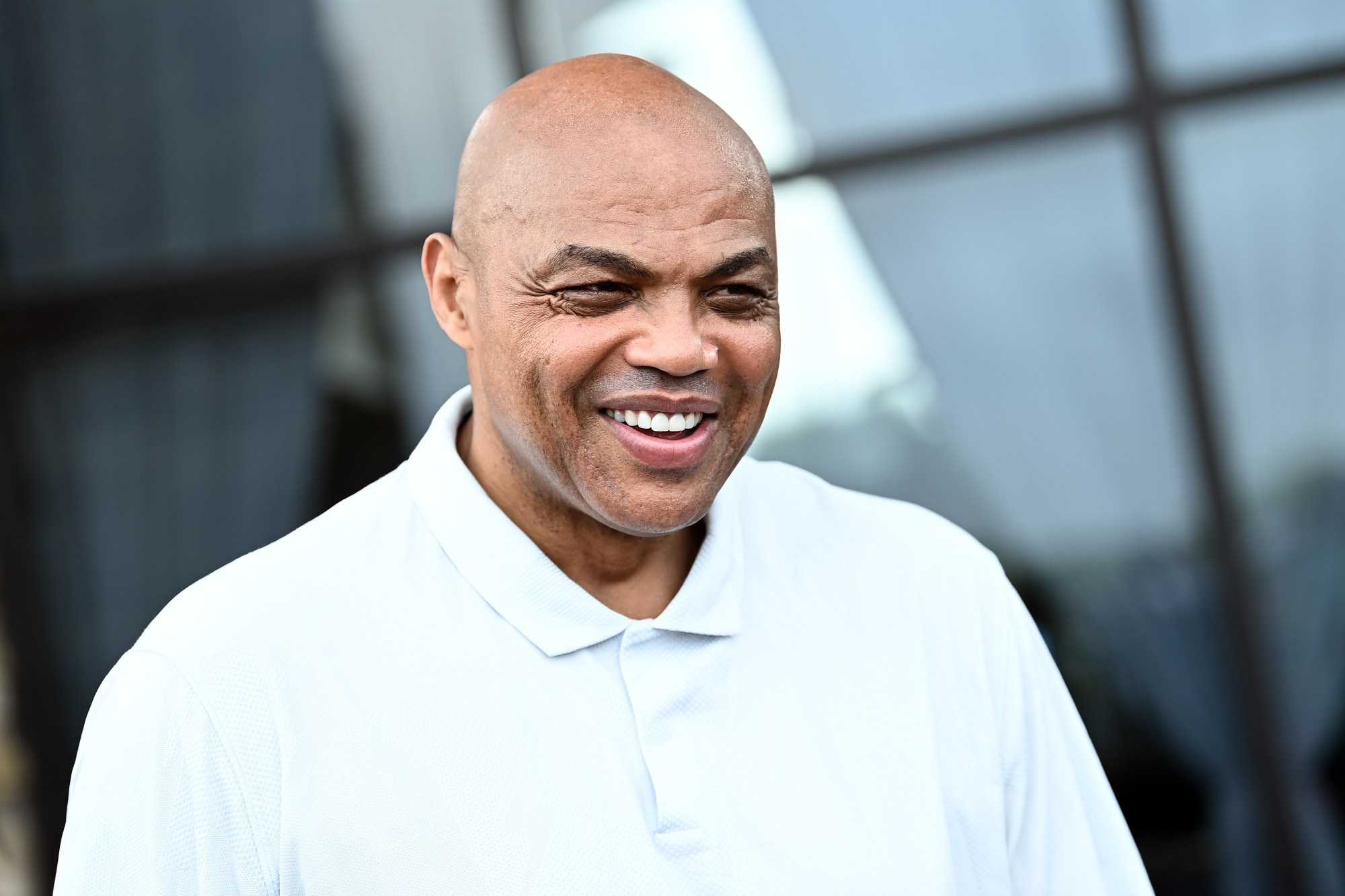
Why Charles Barkley Washing His Own Uniform Matters for Basketball History
Charles Barkley washing his own uniform symbolizes a lost era of professional self-reliance and the "blue-collar" roots of the NBA. Beyond a simple chore, it represents the transition from the league’s gritty, underfunded origins to th...
Charles Barkley washing his own uniform symbolizes a lost era of professional self-reliance and the "blue-collar" roots of the NBA. Beyond a simple chore, it represents the transition from the league’s gritty, underfunded origins to the high-luxury standards of 2026, highlighting Barkley’s philosophy on humility, work ethic, and professional accountability.
Contents
The Origin of the Charles Barkley Uniform Story
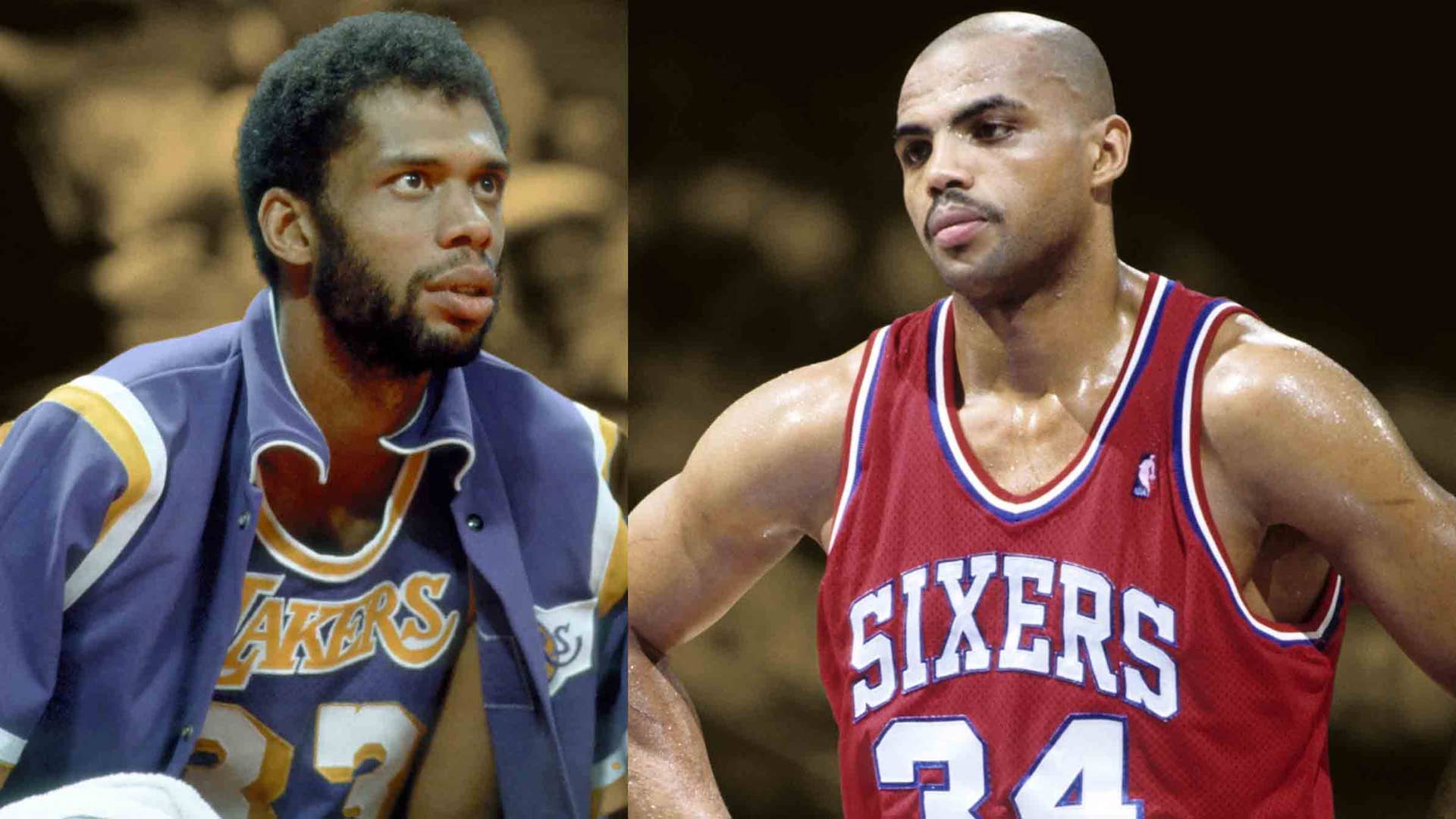
To understand why a Hall of Fame power forward washing his own jersey in a hotel shower matters, one must look at the landscape of the NBA in 1984. When Charles Barkley was drafted fifth overall by the Philadelphia 76ers, the league was in a state of precarious growth. Unlike the global phenomenon it is in 2026, the NBA of the mid-80s was still shaking off the "tape-delay" era.
Barkley has frequently shared the anecdote during his broadcasts on Inside the NBA. In his rookie season, he was surrounded by veteran legends like Moses Malone, Julius "Dr. J" Erving, and Maurice Cheeks. The story typically involves Barkley—uncertain of the team’s laundry protocols or simply following the lead of older players who grew up in even leaner times—taking his uniform into the shower after a game. He would use hotel soap to scrub the sweat and grime out of his jersey and shorts, hanging them over the shower rod or a lamp to dry before the next game.
This wasn't an act of poverty; Barkley was a high first-round pick with a significant contract for the time. Rather, it was a reflection of the "figure it out" culture that defined the league. There were no dedicated "player care" departments or travel coordinators handling every minute detail of a player's life. If you wanted a clean uniform for a back-to-back game in another city, you ensured it happened yourself.
The Shift from Hardship to Luxury in Professional Sports
The narrative of the self-washed uniform serves as a "before and after" marker for the professionalization of sports. By 2026, the contrast is stark. Modern NBA players travel on private luxury charters, stay in five-star accommodations with dedicated floors, and have their equipment managed by a small army of staff.
The Evolution of Player Support Systems
In the 1980s, the "support staff" for a team might consist of a head coach, two assistants, and a single athletic trainer who also doubled as the equipment manager. In this environment, the logistics of laundry on a road trip were often the responsibility of the individual or a shared responsibility that could easily fall through the cracks.
By comparison, a 2026 NBA franchise employs:
- Equipment Managers and Assistants: Dedicated specifically to uniforms, footwear, and gear.
- Performance Chefs: Managing nutrition in real-time.
- Sleep Coaches: Monitoring circadian rhythms to optimize recovery.
- Logistics Coordinators: Ensuring every piece of luggage and gear is in the locker room before the player even arrives at the arena.
Barkley’s story matters because it anchors the history of the league in a tangible, physical struggle. It reminds the current generation that the prestige they enjoy was built on a foundation of commercial flights, shared hotel rooms, and hand-washed jerseys.
Charles Barkley’s Philosophy on Professionalism
The reason Barkley continues to tell this story in 2026 isn't just for a laugh; it is a rhetorical tool used to critique what he perceives as the "softness" of the modern era. Barkley often uses the uniform anecdote to bridge the gap between his "old school" values and the contemporary issues of "load management" and player empowerment.
For Barkley, washing your own uniform is a metaphor for ownership. When a player is responsible for the maintenance of their own tools—their body, their shoes, and their jersey—they develop a different psychological relationship with the game. In Barkley’s view, the more a player is pampered, the further they are removed from the "hunger" required to win at the highest level.
This philosophy was heavily influenced by Moses Malone. Malone famously called Barkley "fat and lazy" during his rookie year, a moment Barkley credits with saving his career. Malone didn't just teach Barkley how to rebound; he taught him how to be a professional. The act of caring for one's own gear was an extension of that professionalism—a way of saying, "I am responsible for my own readiness."
Comparing the Rookie Experience: 1984 vs. 2026
The differences in the daily life of an NBA rookie have shifted dramatically over the last four decades. The following table illustrates the logistical reality that makes Barkley's uniform story so significant to sports historians.
| Feature | 1984 (Barkley's Rookie Year) | 2026 (Modern Era) |
|---|---|---|
| Travel | Commercial flights, often early morning | Private luxury charters, scheduled for optimal sleep |
| Uniform Care | Frequently self-managed or limited team service | Full-service equipment staff; multiple sets per game |
| Recovery Tech | Ice bags and whirlpools | Cryotherapy, hyperbaric chambers, and biometrics |
| Salary (Avg Rookie) | Approximately $75,000 - $150,000 | $3 million - $10 million (Top 10 picks) |
| Communication | Pay phones and hotel landlines | Integrated team apps and 24/7 digital connectivity |
| Nutrition | Fast food or hotel room service | Team-provided organic, macro-calculated meals |
Why the Anecdote Persists in Sports Media
The "washing the uniform" story has become a piece of NBA folklore because it humanizes a larger-than-life figure. Charles Barkley is one of the greatest players in history, yet the image of him scrubbing a jersey in a cramped hotel shower creates an immediate connection with the "average" worker.
In the media landscape of 2026, where players are often seen as distant, multi-million dollar brands, these stories of mundane struggle are essential. They serve several purposes:
- Authenticity: It reinforces Barkley's "Sir Charles" persona—someone who tells it like it is and hasn't forgotten where he came from.
- Educational: It teaches younger fans that the NBA wasn't always a billion-dollar juggernaut.
- Cultural Critique: It provides a platform to discuss the trade-offs between modern comfort and the "competitive grit" of previous generations.
Practical Takeaways for Modern Athletes and Professionals
While players in 2026 will never be required to wash their own uniforms in a shower, the underlying principle Barkley champions remains relevant. This "matters" because the lesson is transferable to any high-stakes environment.
- Eliminate Entitlement: Even when support staff are available, understanding the work that goes into your preparation builds respect for the organization.
- Attention to Detail: Barkley’s story is about being "ready." If the uniform wasn't clean, he wasn't ready. In 2026, "readiness" might mean studying film or maintaining a strict sleep schedule, but the requirement for self-discipline is the same.
- Mentorship: The story highlights the importance of veterans. Barkley did what he did because he saw the "grown men" on his team taking the job seriously. He didn't want to be the weak link in a locker room of legends.
The "Dream Team" and the Expansion of the Legend
The legend of Barkley’s self-reliance grew during the 1992 Olympic "Dream Team" run. Despite being surrounded by the greatest collection of talent ever assembled, Barkley remained the most productive player on the court. His "no-nonsense" approach to the game, which included his peculiar laundry habits and his refusal to be intimidated by the international stage, cemented his status as a global icon.
By the time he reached the Phoenix Suns and later the Houston Rockets, the league had modernized. However, Barkley kept the "uniform washing" stories in his repertoire to remind his teammates that the bells and whistles of the NBA didn't make them better basketball players—only hard work did.
Frequently Asked Questions
Did Charles Barkley really wash his own uniform in the shower?
Yes, Barkley has confirmed this multiple times in interviews and on Inside the NBA. It was a common practice for him during his rookie season and occasionally on the road during the early part of his career when team logistics were less organized than they are today.
Why didn't the Philadelphia 76ers have a laundry service?
They did, but the service was often localized to the home arena. On the road, particularly during "back-to-back" games or long road trips involving commercial travel, the turnaround time for hotel laundry or local services was often too slow for the players' schedules.
Is this story a criticism of modern NBA players?
Usually, yes. When Barkley tells this story, he is typically contrasting the "toughness" of his generation with the perceived "pampering" of modern players. He uses it to argue that modern luxuries might be contributing to issues like load management and a lack of competitive fire.
How does this story affect Barkley’s legacy?
It reinforces his image as a "man of the people." Despite his massive wealth and fame in 2026, the story keeps him grounded in the eyes of the public. It suggests that his success was built on basic, fundamental hard work rather than just natural talent.
Are there other NBA players who did the same thing?
Many players from the 1960s, 70s, and early 80s have similar stories. The NBA was a much smaller operation then, and players were often responsible for their own transportation to the arena and the maintenance of their personal gear.
Final Recommendation
For sports fans and aspiring athletes in 2026, the story of Charles Barkley washing his uniform should be viewed as a lesson in foundational discipline. While you should take advantage of the modern tools and support systems available to you, never allow them to replace the personal responsibility you have for your own performance. Use Barkley’s anecdote as a reminder that at the end of the day, you are the one who must be ready when the whistle blows.
Image Gallery