How to Block a Country IP Range Ethically
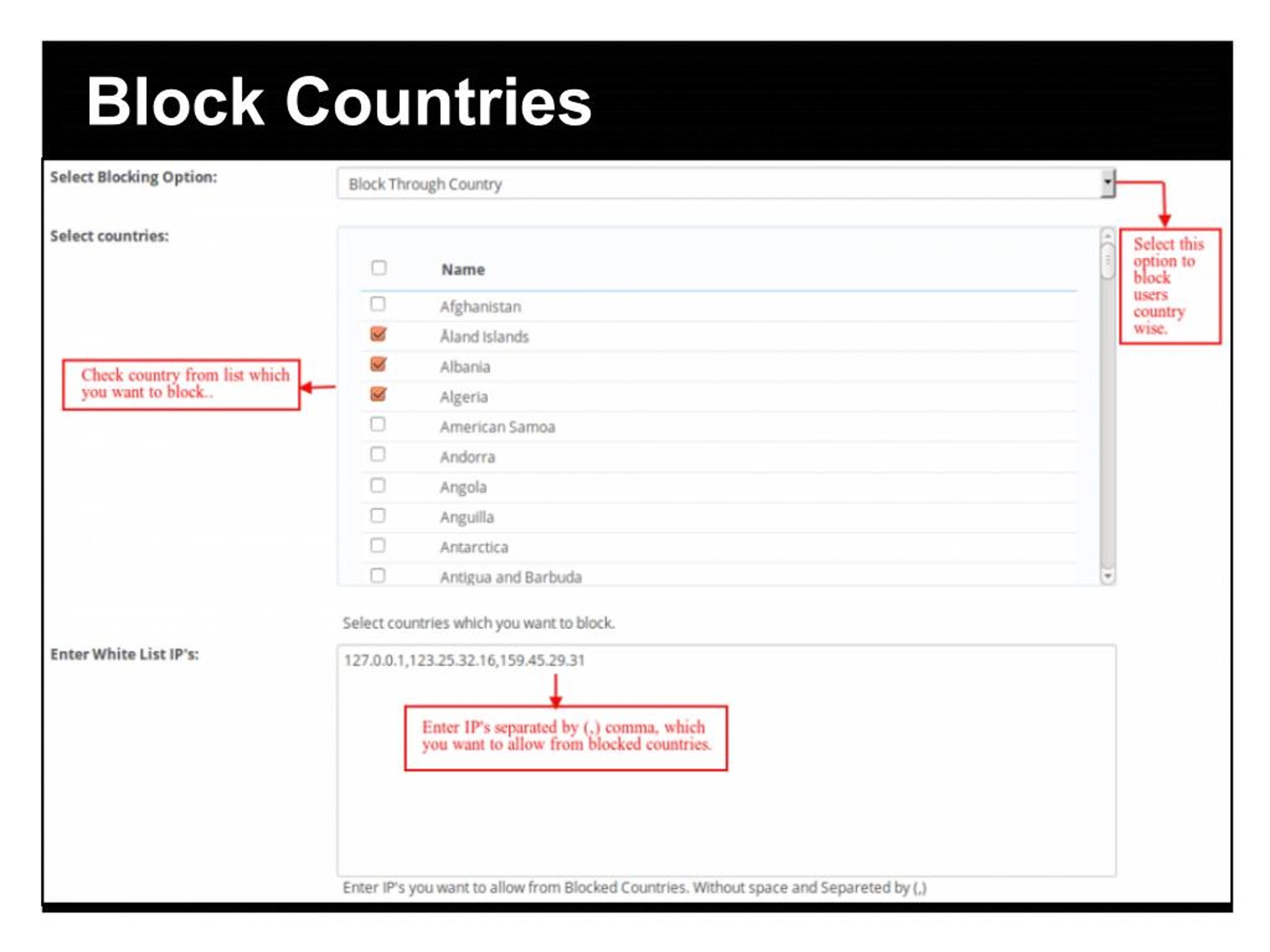
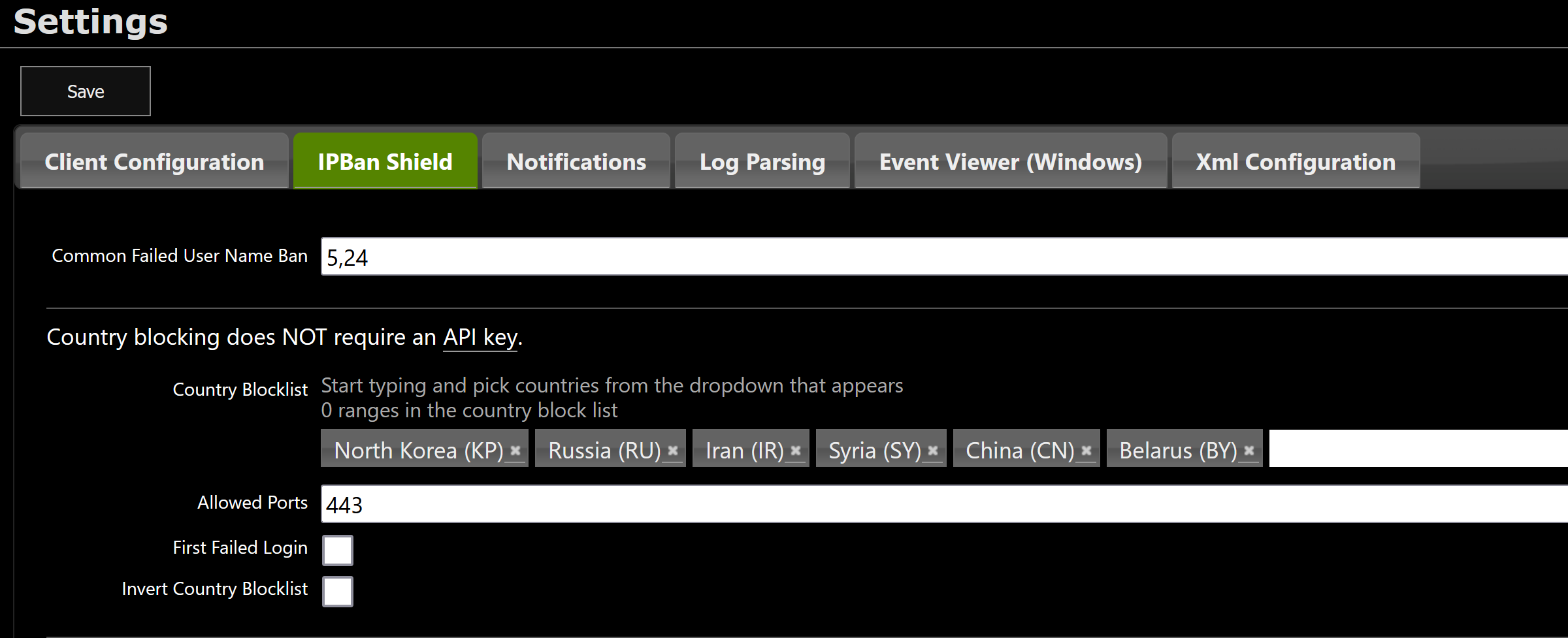
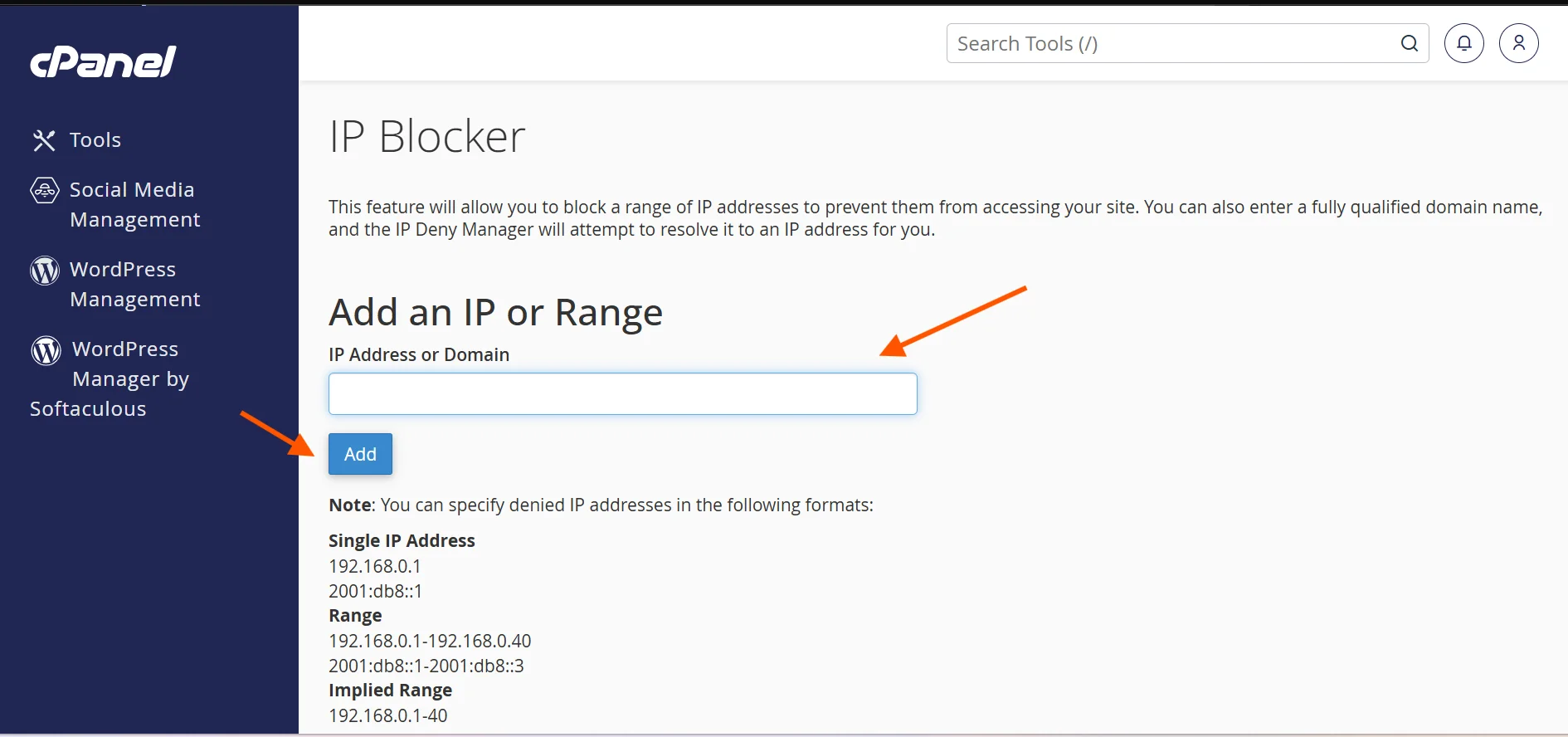
Blocking a country IP range ethically involves implementing geographic restrictions, or geofencing, for legitimate security, regulatory, or operational reasons while maintaining transparency and minimizing impact on legitimate users. B...
Blocking a country IP range ethically involves implementing geographic restrictions, or geofencing, for legitimate security, regulatory, or operational reasons while maintaining transparency and minimizing impact on legitimate users. By utilizing edge-layer filtering, providing clear communication to blocked visitors, and ensuring high-accuracy data sources, administrators can protect their infrastructure without violating the fundamental principles of digital accessibility.
Contents
The Ethical Landscape of Geographic IP Blocking
In 2026, the concept of a borderless internet remains a core ideal, yet the practical reality of cybersecurity and international law necessitates regional boundaries. Blocking an entire country by its IP range is a significant technical action that carries ethical weight. It is often referred to as "geofencing" or "geo-blocking."
Ethical blocking is defined by intent and execution. When an organization blocks a country because of a localized DDoS attack or to comply with strict regional trade sanctions, the action is generally considered a defensive or legal necessity. However, if blocking is used as a tool for discrimination or to suppress information without a technical or legal justification, it crosses an ethical line.
The primary ethical concern is "over-blocking." IP databases are not 100% accurate; blocking a specific country might inadvertently block legitimate users, expatriates, or users on mobile roaming networks. Furthermore, in an era where digital equity is a priority, preventing access to information based solely on geography requires a robust justification and a clear path for remediation for those wrongly affected.
Legitimate Use Cases for Country-Level Blocking
Before implementing a block, it is essential to determine if the motivation aligns with ethical standards. There are three primary pillars of legitimate geofencing:
1. Security and Threat Mitigation
Large-scale cyberattacks, such as Distributed Denial of Service (DDoS) or coordinated brute-force attempts, often originate from specific geographic clusters. If a website or service is under a massive state-sponsored or botnet-driven attack, temporarily or permanently blocking the originating IP ranges is a standard defensive measure to maintain service for the rest of the world.
2. Legal and Regulatory Compliance
Many organizations must restrict access to comply with international laws. For example, a financial services platform operating in the European Union must comply with GDPR, while a streaming service may only have the licensing rights to show content in North America. Blocking other regions is a legal requirement to avoid copyright infringement or regulatory fines.
3. Operational Efficiency and Spam Reduction
For small businesses that only provide services locally—such as a regional plumbing company in the UK—receiving thousands of spam inquiries or bot registrations from other continents provides no value. In these cases, blocking traffic from regions outside their service area reduces server load and protects their lead generation systems from pollution.
Technical Methods for Ethical Implementation
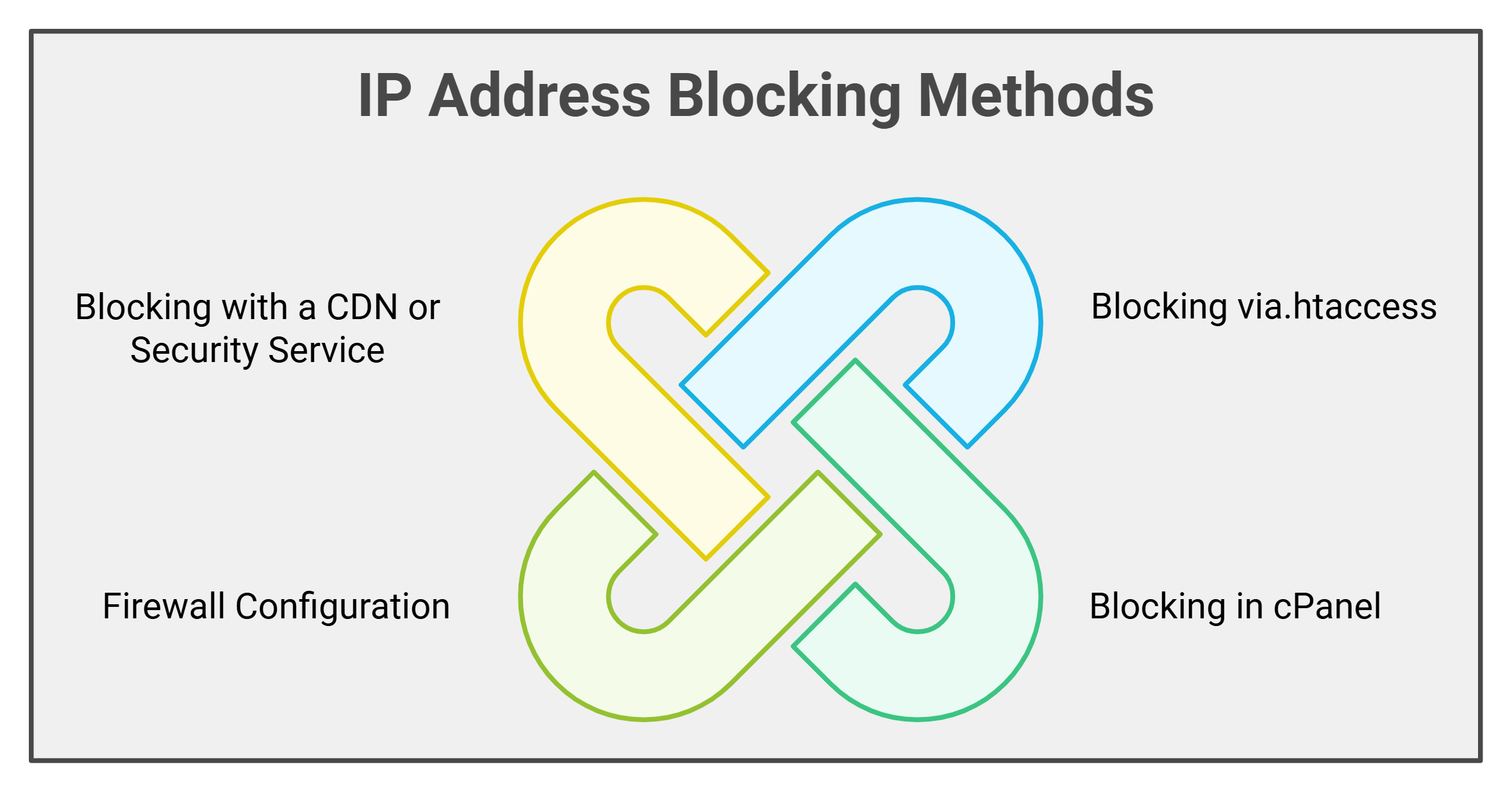
To block IP ranges ethically, the method of implementation must be precise and provide feedback to the user. Simply "dropping" packets at the firewall level without an explanation is less ethical than serving a dedicated "Access Denied" page that explains why the restriction is in place.
The Edge-Layer Approach (Recommended)
Using a Content Delivery Network (CDN) like Cloudflare, Akamai, or Amazon CloudFront is the most ethical and efficient method. These services maintain massive, real-time databases of IP-to-country mappings.
When you block a country at the edge:
- Reduced Server Load: The traffic never reaches your actual server.
- Custom Challenge Pages: You can present a "Managed Challenge" (like a CAPTCHA) instead of a hard block. This allows legitimate users or those using VPNs from that country to still gain access if they prove they are human.
- Transparency: You can display a custom HTML page explaining that the service is unavailable in their region due to specific laws or security policies, including a contact email for support.
Server-Level Blocking (Nginx or Apache)
If a CDN is not an option, you can implement blocking directly on your web server using modules like ngx_http_geoip2_module for Nginx or mod_maxminddb for Apache. This requires downloading a GeoIP database (such as MaxMind’s GeoLite2 or GeoIP2).
Ethical execution at this level involves configuring your server to return a 403 Forbidden status code along with a helpful message, rather than a generic connection timeout. This tells the user's browser (and search engine crawlers) exactly what is happening.
Firewall and OS-Level Blocking
Using iptables or nftables on Linux to block CIDR (Classless Inter-Domain Routing) blocks is the most "aggressive" method. While highly effective at stopping low-level network attacks, it is the least user-friendly. Because it operates at the transport layer, the user receives no feedback; the site simply appears "down." This should be reserved for high-intensity security events rather than long-term policy.
Maintaining Data Accuracy and Reducing False Positives
IP addresses are dynamic. An IP range that belonged to a provider in France today might be reassigned to a provider in Brazil next year. Ethically blocking requires that your data sources are current to avoid blocking people who are no longer in the restricted region.
- Automate Updates: If you use local GeoIP databases, set up a "cron job" or scheduled task to update the database at least weekly. In 2026, many providers offer daily updates.
- Use CIDR Intelligence: Ensure you are using the most specific CIDR blocks available. Over-broad blocking can take down neighboring regions or specific autonomous systems (ASNs) that shouldn't be affected.
- Whitelisting Essential Services: Never block IP ranges associated with major search engine crawlers (Googlebot, Bingbot) or essential APIs unless you intend to de-index your site in those regions entirely.
Ethical Comparison of Blocking Methods
| Method | User Experience | Accuracy | Maintenance | Ethical Rating |
|---|---|---|---|---|
| CDN Managed Challenge | High (Users can solve a CAPTCHA) | High (Real-time data) | Low (Managed by provider) | Excellent |
| WAF Custom Page | Moderate (Shows 403 with message) | High | Low | Very Good |
| Server-side GeoIP | Moderate (Shows 403 with message) | Medium (Depends on updates) | Moderate | Good |
| IP Tables / Firewall | Poor (Connection Timeout) | High | High (Manual updates) | Situational |
The Role of Transparency and Redress
An ethical blocking strategy must include a "path of redress." If a legitimate user is blocked, they should have a way to understand why and how to contact the administrator.
- Custom Error Pages: Avoid "403 Forbidden" without context. Instead, use: "Access to [Service Name] is restricted in your region (Country Code: XX) for security/compliance reasons. If you believe this is an error, please contact support@example.com."
- Documented Policies: Include a section in your Privacy Policy or Terms of Service that outlines your geofencing practices. This builds trust and provides a legal basis for the restrictions.
- Exempting VPNs (Where Possible): For many, a VPN is a tool for privacy, not for bypassing blocks maliciously. If your security posture allows, using "Smart Blocking" that distinguishes between a residential IP and a known malicious data center IP is a more surgical and ethical approach.
Potential Pitfalls and SEO Impact
Blocking entire countries can have unintended consequences for Search Engine Optimization (SEO). If you block a country where a major search engine's crawler is based (most Google crawlers originate from the US, but they do crawl from other regions), you may find your site disappearing from search results globally.
Furthermore, "cloaking"—showing different content to users based on their IP while showing something else to search engines—can lead to penalties. To block ethically and maintain SEO:
- Use the
Vary: Accept-LanguageorVary: Originheaders to let search engines know the content changes based on the visitor. - Check Search Console: Regularly monitor for "Crawl Errors" to ensure you haven't inadvertently blocked a crawler you need.
FAQs
Is it legal to block a whole country?
In most jurisdictions, yes. Private website owners generally have the right to decide who can access their private property (the server). However, you must ensure that your blocking doesn't violate specific anti-discrimination laws or local accessibility requirements. For government or public-utility websites, the legal threshold for blocking is much higher.
Will blocking a country stop all hackers from that region?
No. Sophisticated attackers use VPNs, proxies, and compromised devices (botnets) located in "allowed" countries to bypass geofences. Geofencing is a tool for reducing the "noise" and stopping automated scripts, but it is not a silver bullet for a determined adversary.
Does blocking a country affect my site's speed?
If done at the server level, there is a tiny overhead for the server to check the IP against a database. If done at the CDN edge, it can actually improve performance for allowed users by reducing the total number of requests your server has to process, leaving more resources available for legitimate traffic.
How often do IP ranges change?
IP allocations change daily. Providers like MaxMind or IP2Location update their databases frequently to reflect these changes. If you are manually maintaining a list of IP ranges, your data will likely become stale and inaccurate within a few weeks.
Can I block specific cities instead of whole countries?
Yes, most modern GeoIP databases support city-level accuracy. This is often more ethical if you only need to restrict access to a specific metropolitan area or state, rather than penalizing an entire nation for the actions of a small group.
Final Recommendation
To block a country IP range ethically in 2026, prioritize the use of a Cloud-based Web Application Firewall (WAF) or CDN. This approach provides the highest accuracy, allows for "soft" blocks like CAPTCHAs, and ensures that you can provide transparent communication to your users. Always verify your motivations—ensure the block is for security, legal compliance, or operational necessity—and provide a contact method for users who may be incorrectly identified. Regularly update your IP databases to maintain the integrity of your geofence and avoid the ethical pitfall of over-blocking innocent visitors.
Image Gallery