Birkenstock Linda Sandal Overview: Design, Comfort, and Technical Specifications
The Birkenstock Linda is a contemporary wedge sandal from the Papillio collection, featuring a secure cross-strap upper and a functional backstrap. Built on the brand’s signature anatomically shaped cork-latex footbed, it provides prof...
The Birkenstock Linda is a contemporary wedge sandal from the Papillio collection, featuring a secure cross-strap upper and a functional backstrap. Built on the brand’s signature anatomically shaped cork-latex footbed, it provides professional-grade arch support and stability with a subtle height boost, bridging the gap between casual comfort and sophisticated style.
Contents
As of 2026, the Birkenstock Linda remains a cornerstone of the Papillio line, catering to individuals who require the orthopedic benefits of a traditional Birkenstock but desire a more elevated silhouette. Unlike the flat profiles of the iconic Arizona or Gizeh, the Linda utilizes a subtle wedge heel to redistribute pressure across the foot, making it a preferred choice for long-duration wear in semi-formal or office environments.
The Evolution of the Papillio Collection
The Linda sandal belongs to the Papillio sub-brand, which was established by Birkenstock to explore more feminine designs, varied heel heights, and trendy patterns without compromising the core anatomical principles of the company. Historically, Birkenstock was synonymous with flat, utilitarian footwear. However, the introduction of models like the Linda signaled a shift toward "wellness fashion."
By 2026, the Papillio division has refined the construction of its wedge models. The Linda, specifically, is designed to address the common complaints associated with traditional high heels, such as metatarsal strain and lack of lateral stability. By integrating the cork-latex footbed into a raised platform, Birkenstock ensures that the foot remains in a natural alignment even with the added elevation.
Architectural Design and Material Composition
The Linda is defined by its minimalist yet functional upper. The cross-strap design is not merely aesthetic; it serves to lock the midfoot into the footbed, preventing the "sliding" motion often found in cheaper wedge sandals.
Upper Materials
The Linda is typically offered in two primary material finishes:
- Suede Leather: This version offers a soft, "broken-in" feel from the first wear. The suede is thick enough to maintain its shape but pliable enough to contour to the unique shape of the wearer's instep.
- Smooth or Oiled Leather: For a more structured look, the oiled leather variants provide durability and a moisture-resistant finish. These materials develop a unique patina over time, reflecting the high-quality tanning processes certified by the Leather Working Group.
The Integrated Wedge Footbed
The core of the Linda's appeal is the wedge. Unlike a separate heel glued to a sole, the Linda’s wedge is often an extension of the footbed material or a perfectly calibrated EVA (Ethylene Vinyl Acetate) block that supports the cork-latex core. This ensures that the transition from heel to toe is seamless, reducing the impact on the Achilles tendon.
Technical Specifications and Measurements
For those considering the Linda for daily use, understanding the physical dimensions is crucial for determining suitability for specific foot types.
| Feature | Specification | Benefit |
|---|---|---|
| Heel Height | 20 mm - 25 mm (approx. 0.8 - 1 inch) | Provides lift without straining the forefoot. |
| Footbed Material | Natural Cork and Latex | Breathable, shock-absorbing, and self-molding. |
| Lining | Breathable Suede | Prevents slipping and absorbs moisture. |
| Outsole | Lightweight EVA | Offers cushioning and high abrasion resistance. |
| Closure | Adjustable Metal Pin Buckle | Allows for a customized fit around the ankle. |
| Width Options | Narrow and Regular/Wide | Accommodates various foot volumes. |
The Four Layers of Birkenstock Comfort
To understand why the Linda maintains its comfort despite the wedge height, one must look at the internal construction of the footbed. This technology has remained largely unchanged for decades because of its proven efficacy in foot health.
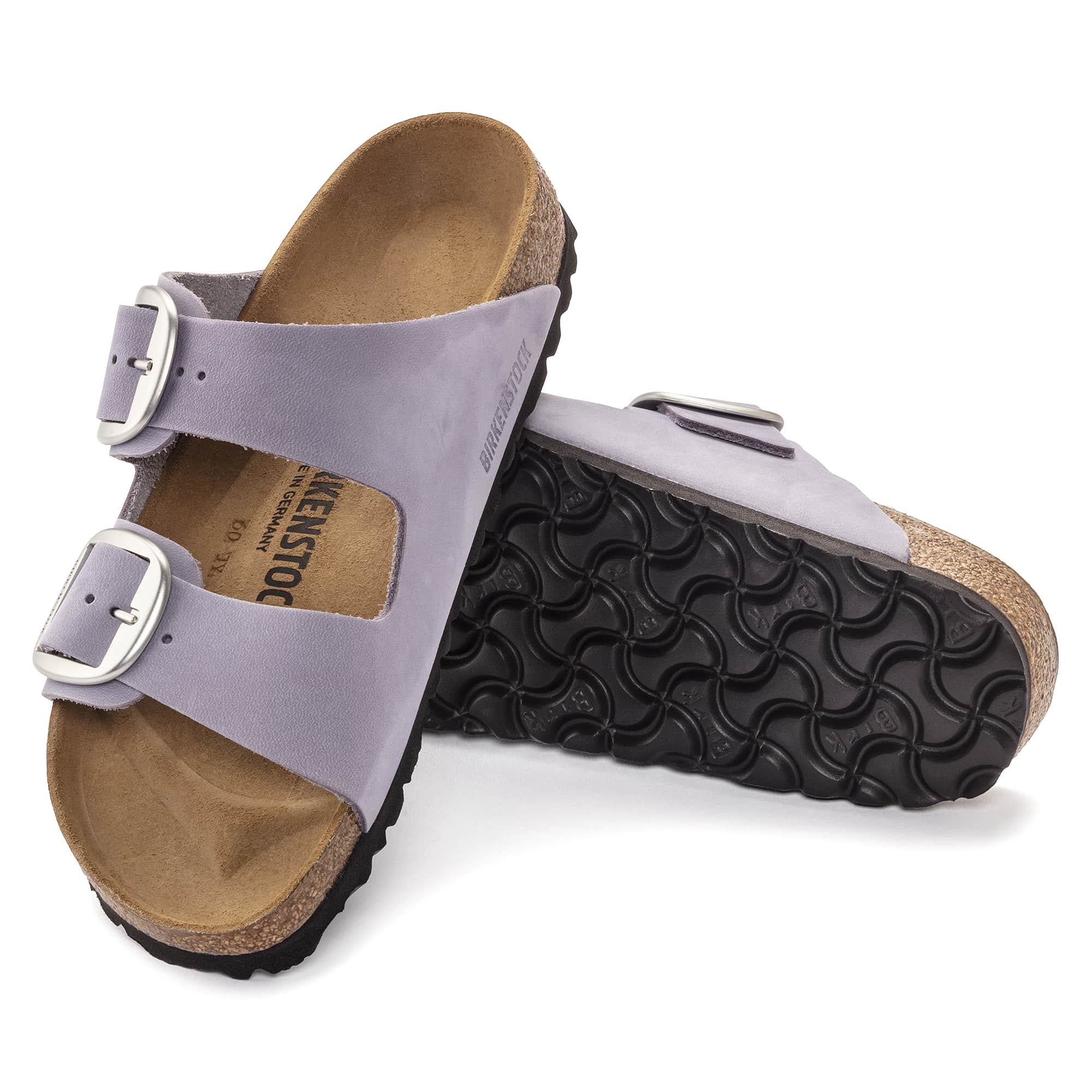
- First Layer of Jute: This base layer provides stability to the cork-latex core. It acts as the foundation that prevents the wedge from deforming under body weight.
- Cork-Latex Core: This is the "soul" of the sandal. It is highly flexible and offers exceptional cushioning. In the Linda, this core is shaped to include a deep heel cup and a pronounced arch support.
- Second Layer of Jute: This layer is wrapped around the sides of the footbed to improve moisture regulation. Jute is a natural fiber that excels at wicking away perspiration.
- Suede Lining: The final layer that touches the skin. This prevents chafing and ensures the foot remains cool, even during peak summer temperatures.
Ergonomics: Why the Linda Supports Foot Health
Many podiatrists recommend the Birkenstock Linda for patients who need "functional height." Traditional heels shift the body's center of gravity forward, placing up to 80% of the weight on the balls of the feet. The Linda's wedge design, combined with the longitudinal and transverse arch supports, ensures that weight is distributed more evenly across the entire plantar surface.
The deep heel cup is particularly important in the Linda. Because the sandal has a raised heel, the foot naturally wants to slide forward. The heel cup "nests" the calcaneus (heel bone), keeping the natural cushioning of the foot under the bone and preventing the foot from jamming into the front straps.
Sizing and Fit Guidelines
Birkenstock sizing is often a point of confusion for new users. In 2026, the brand continues to use the European sizing scale. The Linda is designed to be worn with a small amount of space (approx. 5mm to 10mm) in the front and back to allow the foot to move naturally during the rolling motion of a stride.
- The Toe Bar: When fitting the Linda, the raised toe bar should sit comfortably under the joints of the toes. If it sits under the pads of the toes, the sandal is too small.
- The Width: The "Narrow" fit in Birkenstock is often equivalent to a standard US "B" width, while the "Regular" fit is quite generous, accommodating "C" to "E" widths. For the Linda, a snug (but not tight) fit is preferred to ensure the wedge remains stable.
Maintenance and Longevity in 2026
A well-maintained pair of Linda sandals can last for several years, even with frequent use. The natural materials require specific care to prevent drying and cracking.
- Cork Care: The exposed cork on the wedge should appear shiny. If it becomes dull or matte, it is a sign that the factory sealant has worn off. Applying a thin layer of cork sealer prevents moisture from penetrating the cork and causing it to crumble.
- Suede Protection: Before the first wear, it is advisable to treat the suede straps with a water-repellent spray. This prevents staining from rain or accidental spills.
- Heat Sensitivity: Like all Birkenstocks, the Linda should never be left in a hot car or near a direct heat source (like a radiator). High heat can cause the EVA sole to shrink and the cork to become brittle.
Comparative Analysis: Linda vs. Other Birkenstock Wedges
When selecting a wedge, buyers often compare the Linda with the Glenda or the Sibyl. The primary difference lies in the strap configuration. The Glenda features a wide front strap, which can sometimes feel restrictive for those with high arches. The Linda’s cross-strap design offers more flexibility and a more secure "lock-down" feel, making it superior for individuals who do a lot of walking.
Furthermore, the Linda’s backstrap is positioned slightly higher on the ankle than some other models, which provides better lateral support and reduces the "flip-flop" sound often associated with slide-style wedges.
Frequently Asked Questions
Does the Birkenstock Linda require a break-in period?
Yes, like all cork-footbed sandals, the Linda requires a break-in period of approximately one to two weeks. The cork needs time to compress and mold to the specific contours of your arches. It is recommended to wear them for 1-2 hours a day initially until the footbed softens.
Is the Linda sandal suitable for plantar fasciitis?
Many users find relief with the Linda because the wedge heel slightly offloads the tension on the plantar fascia ligament compared to completely flat shoes. The firm arch support also prevents the collapse of the foot, which is a primary trigger for plantar fasciitis pain. However, those with severe cases should consult a medical professional before switching footwear.
Can the soles of the Linda be replaced?
Birkenstock design traditionally allows for "re-soling." While the wedge construction of the Linda is more complex than a standard Arizona, authorized Birkenstock repair shops can often replace the EVA outsole once it has worn down, significantly extending the life of the sandal.
Is the Linda sandal waterproof?
No, the Linda is not waterproof. The cork and leather materials can be damaged by prolonged exposure to water. If they do get wet, they should be air-dried slowly away from direct heat. For a waterproof option, one would need to look at the Birkenstock EVA Essentials range, though these do not typically come in the Linda wedge silhouette.
How does the height of the Linda affect stability?
The Linda is considered a "low wedge," meaning the center of gravity remains relatively low. The wide base of the heel provides much more stability than a block heel or stiletto, making it safe for walking on uneven surfaces like cobblestones or gravel.
Recommendations for Buyers
For the best experience with the Birkenstock Linda, prioritize the fit of the arch over the length of the sandal. If the arch support does not align with your natural foot structure, the wedge will feel uncomfortable regardless of the size. If you are between sizes, it is generally better to size down in a Birkenstock to ensure the anatomical features hit the correct points on your sole.
The Linda is an investment in long-term foot health. While the initial cost may be higher than mass-market fashion wedges, the durability of the materials and the orthopedic benefits provide a lower "cost per wear" over several seasons.
Image Gallery