Are Life Insurance Policies Bogus or Good? A Financial Reality Check for 2026
Life insurance policies are generally good financial tools when they provide essential protection for dependents, but they can be perceived as "bogus" when marketed as high-return investments or sold with excessive fees. Their value de...
Life insurance policies are generally good financial tools when they provide essential protection for dependents, but they can be perceived as "bogus" when marketed as high-return investments or sold with excessive fees. Their value depends entirely on the alignment between the policy type and the policyholder's specific financial goals.
Contents
Decoding the Debate: Why Life Insurance Often Feels "Bogus"
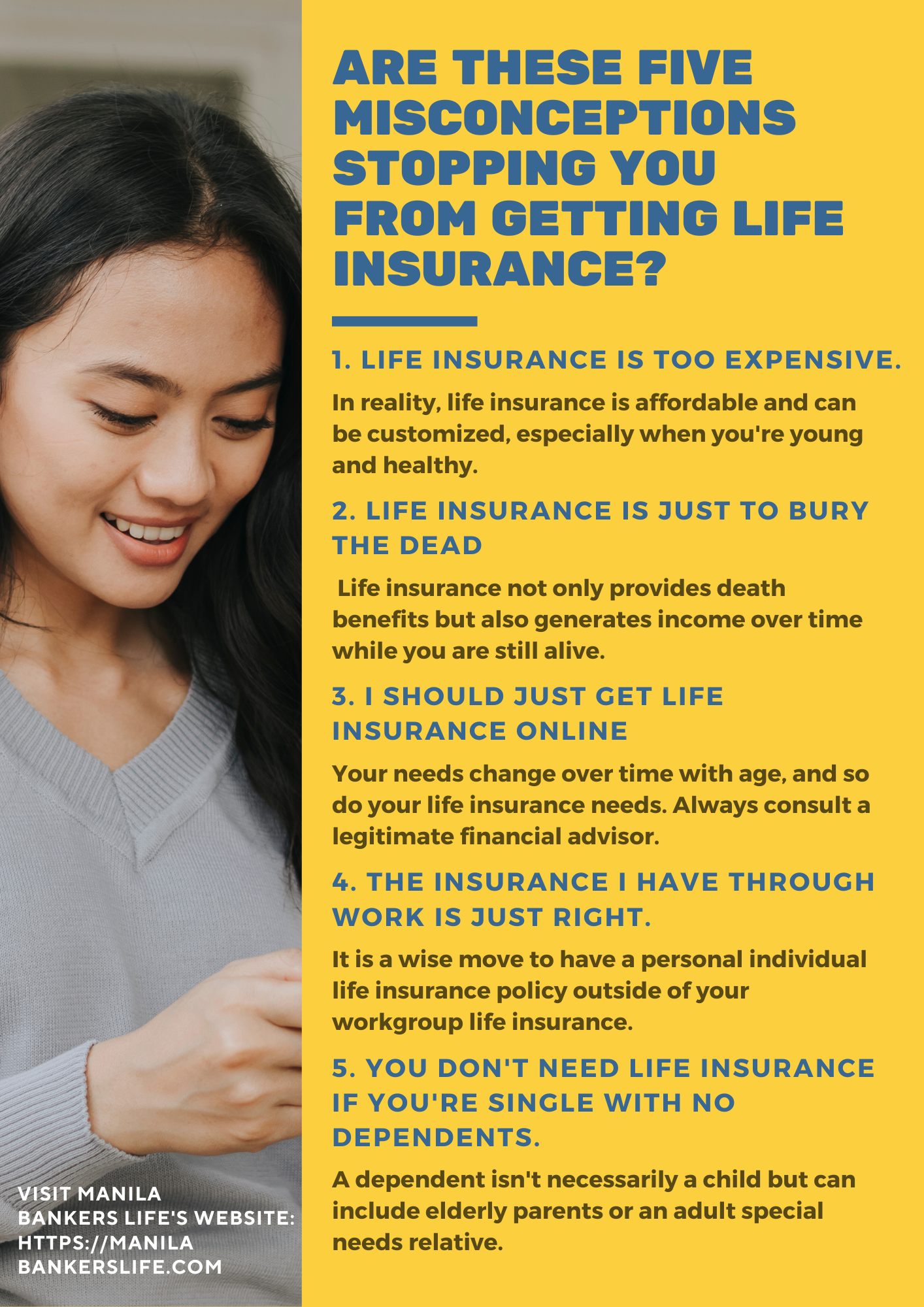
The skepticism surrounding life insurance often stems from a lack of transparency in how certain products are marketed and structured. In 2026, the industry remains divided between simple, low-cost protection and complex, high-commission permanent products. For many consumers, the "bogus" label originates from the realization that they have purchased a product they neither need nor fully understand.
One primary reason for this perception is the high commission structure associated with permanent life insurance, such as whole life or universal life. Agents may receive 50% to 100% of the first-year premium as a commission, which can lead to aggressive sales tactics. When a consumer discovers that their policy has little to no cash value in the first several years because the premiums went toward agent fees and administrative costs, it is natural for them to feel the product is a scam.
Furthermore, the "Infinite Banking" or "Be Your Own Banker" concepts—which gained significant social media traction leading up to 2026—often use life insurance as a vehicle for complex borrowing strategies. While mathematically sound under specific conditions, these strategies are frequently oversold to individuals who would be better served by simple index fund investing and low-cost term insurance.
The Case for "Good": Why Life Insurance is Essential Risk Management
Despite the valid criticisms of certain sales practices, life insurance serves a fundamental role in a stable financial plan. It is a contract designed to mitigate the financial impact of a premature death. For a breadwinner with a mortgage, children, or outstanding debts, life insurance is an act of responsible risk management rather than an investment.
In 2026, the core utility of life insurance remains focused on three primary areas:
- Income Replacement: If a primary earner passes away, the death benefit provides a tax-free lump sum that allows the surviving family to maintain their standard of living, pay for education, and cover daily expenses.
- Debt Liquidation: Large liabilities, particularly mortgages and private student loans, can be settled instantly by a death benefit, ensuring that survivors are not forced to sell assets or relocate during a period of grief.
- Estate Liquidity and Tax Planning: For high-net-worth individuals, life insurance provides the liquidity necessary to pay estate taxes or settle business buy-sell agreements without liquidating property or stocks at an inopportune time.
When used for these purposes, life insurance is undeniably "good." It provides a guaranteed payout that is not subject to the volatility of the stock market, offering a unique form of "peace of mind" that other financial instruments cannot replicate.
Term Life vs. Permanent Life: Where the Value Diverges
To determine if a policy is "bogus" or "good" for your situation, you must distinguish between the two primary categories of life insurance. The debate almost always centers on whether you should "buy term and invest the rest" or use a permanent policy as a combined protection and savings vehicle.
Term Life Insurance: The Gold Standard for Protection
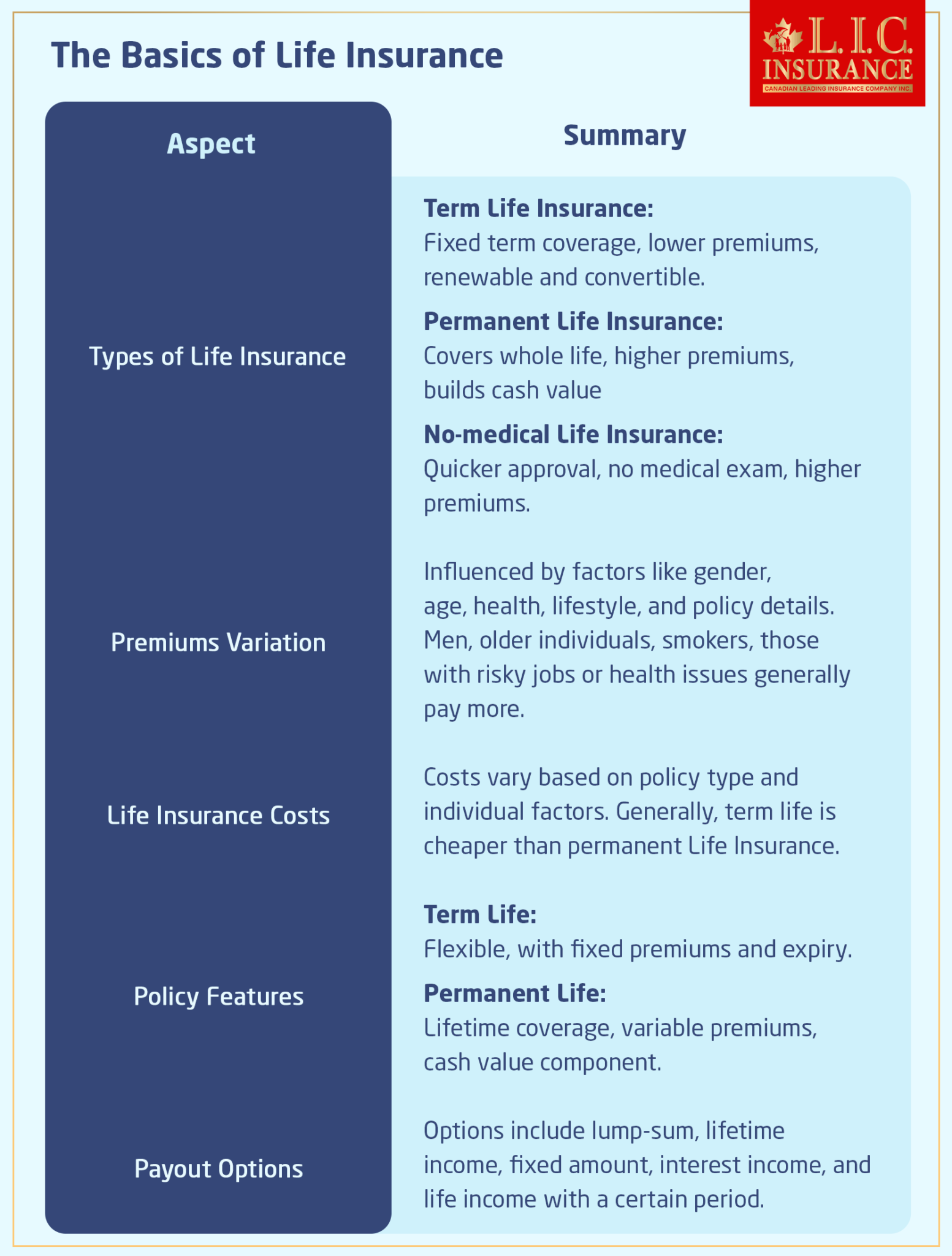
Term life insurance is straightforward. You pay a set premium for a specific period (e.g., 10, 20, or 30 years). If you die during that term, your beneficiaries receive the death benefit. If you don't, the policy expires with no value.
In 2026, term life remains the most cost-effective way to secure high levels of coverage. Because it has no cash value component and low commissions, it is rarely called "bogus." It does exactly what it says on the label: it buys protection for a specific window of time when your financial vulnerabilities are highest.
Permanent Life Insurance: High Utility for Specific Needs
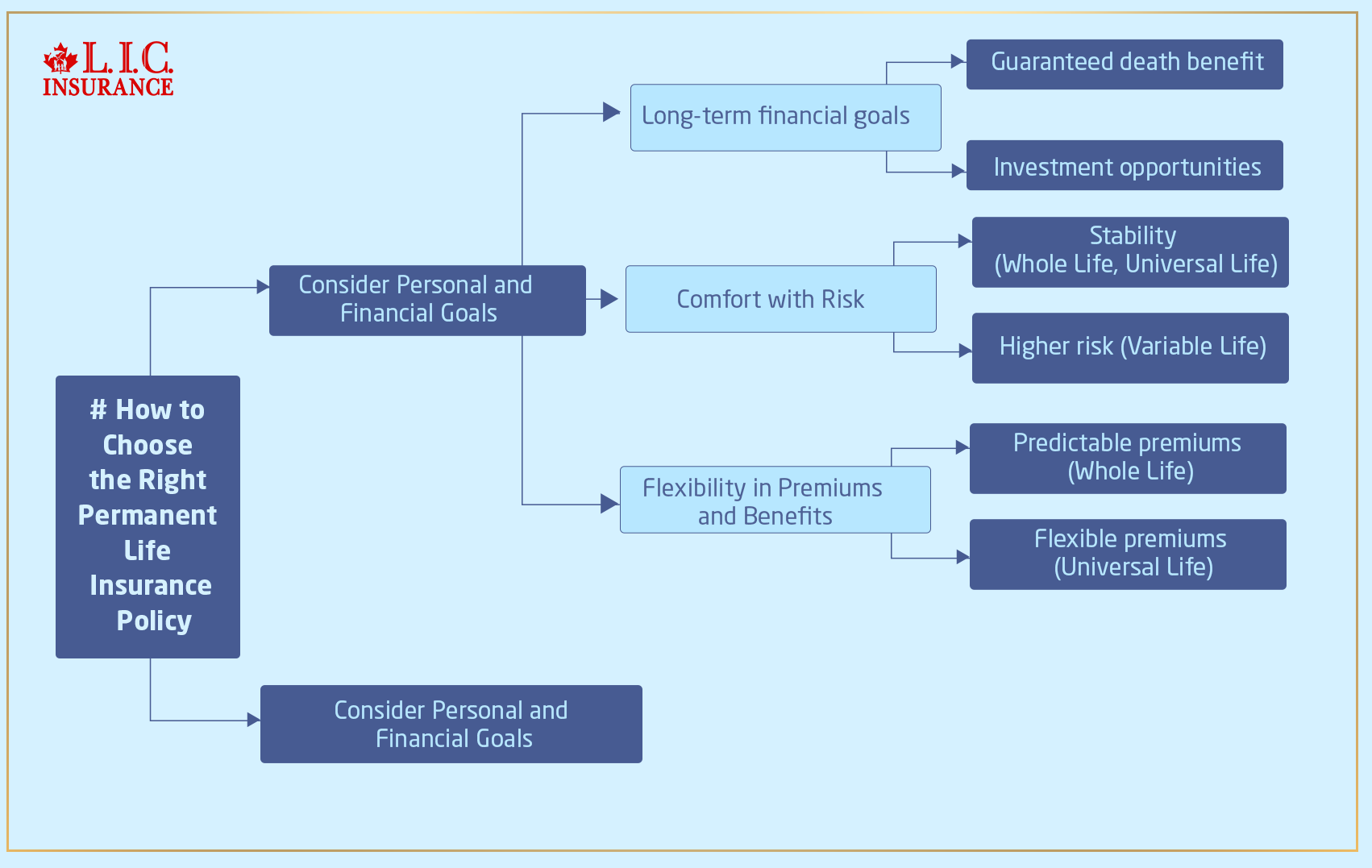
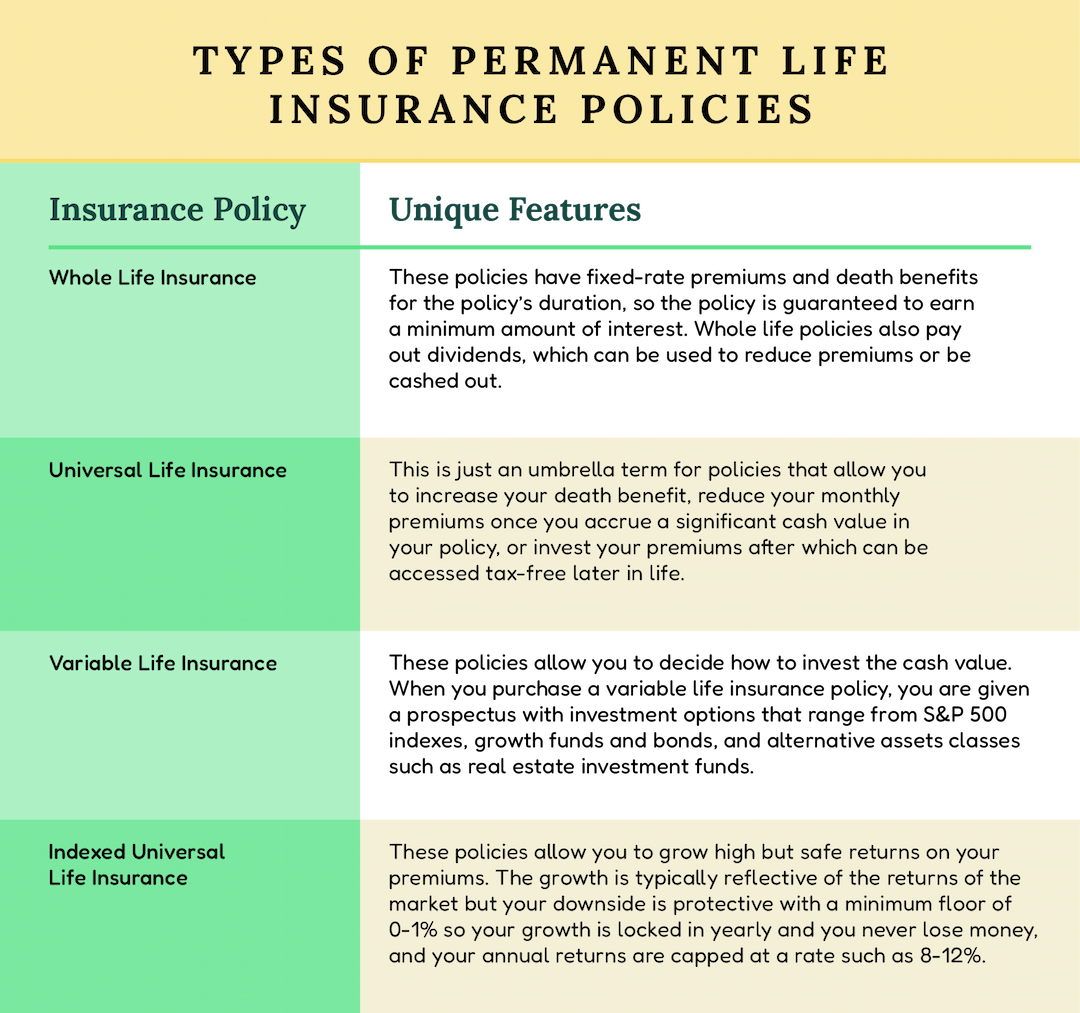
Permanent life insurance (Whole, Universal, and Variable) lasts for the policyholder's entire life and includes a cash value component. These policies are significantly more expensive—often 10 to 15 times the cost of term insurance for the same death benefit.
These policies are "good" for individuals who have maximized all other tax-advantaged accounts (like 401ks and IRAs) and are looking for additional tax-sheltered growth or permanent estate protection. They become "bogus" when sold to middle-income families as a primary retirement vehicle, as the high internal costs of insurance and management fees can erode the actual returns over time.
| Feature | Term Life Insurance | Whole Life Insurance | Universal Life (UL/IUL) |
|---|---|---|---|
| Duration | Fixed period (10–30 years) | Lifetime | Lifetime (flexible) |
| Premium Cost | Low | High and fixed | Flexible |
| Cash Value | None | Guaranteed growth | Variable (often tied to index) |
| Complexity | Very Low | Moderate | High |
| Primary Risk | Outliving the policy | High premiums | Policy lapse if costs rise |
| Best For | Income replacement, debt | Estate taxes, lifetime needs | Tax-deferred growth seekers |
Red Flags: How to Identify a "Bogus" Life Insurance Proposal
A policy isn't necessarily bogus because of its type, but rather because of its application. In 2026, consumers should be wary of several technical red flags that indicate a poor-value proposal.
1. Unrealistic Illustrations
Insurance "illustrations" are projections of how a policy's cash value might grow over 40 years. Some agents use high hypothetical interest rates (e.g., 7% or 8% consistently) that do not account for market downturns or the increasing Cost of Insurance (COI) as the policyholder ages. If the illustration looks too good to be true, it likely is. The National Association of Insurance Commissioners (NAIC) provides resources to help consumers understand these illustrations.
2. High Surrender Charges
Most permanent policies have a "surrender period" lasting 10 to 15 years. If you cancel the policy during this time, the insurance company keeps a large portion of your cash value. A policy is often considered "bogus" if the consumer wasn't informed that their money is effectively locked away for a decade or more.
3. Escalating Internal Costs
In Universal Life policies, the cost of the actual insurance (the "mortality charge") increases as you get older. If the cash value doesn't grow fast enough to cover these rising costs, the policyholder may be required to pay significantly higher premiums later in life just to keep the policy from lapsing. This has led to many "bogus" claims from seniors who saw their policies expire exactly when they needed them most.
The 2026 Technological Impact: AI and Transparency
By 2026, technology has changed how life insurance is underwritten and sold, making it harder for truly "bogus" products to hide. Accelerated Underwriting uses AI to analyze medical records, prescription history, and even driving records in minutes, removing the need for medical exams for many applicants.
This shift has increased transparency in the term life market, as comparison engines allow consumers to see exactly what they are paying for. However, the rise of "finfluencers" (financial influencers) has also led to an increase in the promotion of complex permanent life insurance products without proper licensing or disclosure of the inherent risks. It is critical to verify that any advice comes from a fiduciary or a licensed professional rather than an algorithmic recommendation on social media.
Verifying Policy Legitimacy and Company Stability
Before committing to a policy, you must verify the financial strength of the insurer. A policy is only as good as the company's ability to pay the claim thirty years from now.
Check the ratings from independent agencies such as A.M. Best or Moody's. A rating of "A" or better is generally considered the standard for long-term security. Additionally, the Securities and Exchange Commission (SEC) provides oversight for variable life products, which involve investment sub-accounts. If an agent discourages you from looking at these independent ratings or the policy prospectus, consider it a significant warning sign.
Frequently Asked Questions
Is life insurance a waste of money if I don't die during the term?
No, because you are paying for the transfer of risk. Much like car insurance is not a "waste" if you don't get into an accident, term life insurance provides the utility of financial security for your family during the years you are most vulnerable. The "cost" is the price of ensuring your family's lifestyle is protected against a low-probability, high-impact event.
Can I lose money in a life insurance policy?
In most term and whole life policies, you cannot "lose" your principal as long as you pay the premiums. However, in Variable Life or Indexed Universal Life policies, your cash value is tied to market performance. If the underlying investments perform poorly or if the fees exceed the gains, your cash value can decrease, and you may lose money relative to what you paid in premiums.
Why do people say "Buy term and invest the rest"?
This philosophy argues that since term insurance is so much cheaper than whole life, you should buy the cheap term policy and invest the difference in a brokerage account or IRA. Historically, the returns from the S&P 500 have outperformed the cash value growth in whole life insurance, making this a superior wealth-building strategy for the average person.
Are the tax benefits of life insurance real?
Yes, they are real and supported by IRS guidelines. Death benefits are almost always paid out to beneficiaries free of federal income tax. Additionally, the cash value in permanent policies grows tax-deferred. However, these benefits are often used to justify high-fee products where the tax savings are outweighed by the cost of the policy itself.
How do I know if I have a "bogus" agent?
A reputable agent will conduct a "needs analysis" to determine how much coverage you actually require based on your debts and income. A "bogus" agent often starts with a specific product (usually an expensive permanent policy) and tries to fit your life into it, focusing more on the "investment" or "banking" features than the actual death benefit.
Summary and Next Steps
Life insurance is not a scam; it is a vital pillar of financial planning that has been complicated by aggressive marketing and complex product design. To ensure your policy is "good" rather than "bogus," follow these actionable steps:
- Calculate Your Need: Use an online calculator to determine your actual human life value (usually 10–15 times your annual income).
- Prioritize Term First: If you have dependents, secure a term life policy first to ensure they are protected. Only explore permanent insurance if your foundational retirement accounts are fully funded.
- Read the Fine Print: Specifically look for the "Schedule of Fees" and the "Surrender Charge Table" in any permanent policy proposal.
- Verify the Insurer: Use NAIC and A.M. Best to confirm the company is highly rated and has a low complaint ratio.
By approaching life insurance as a tool for protection rather than a "get rich quick" investment, you can avoid the "bogus" pitfalls and secure a policy that provides genuine value to your family's future.
Image Gallery