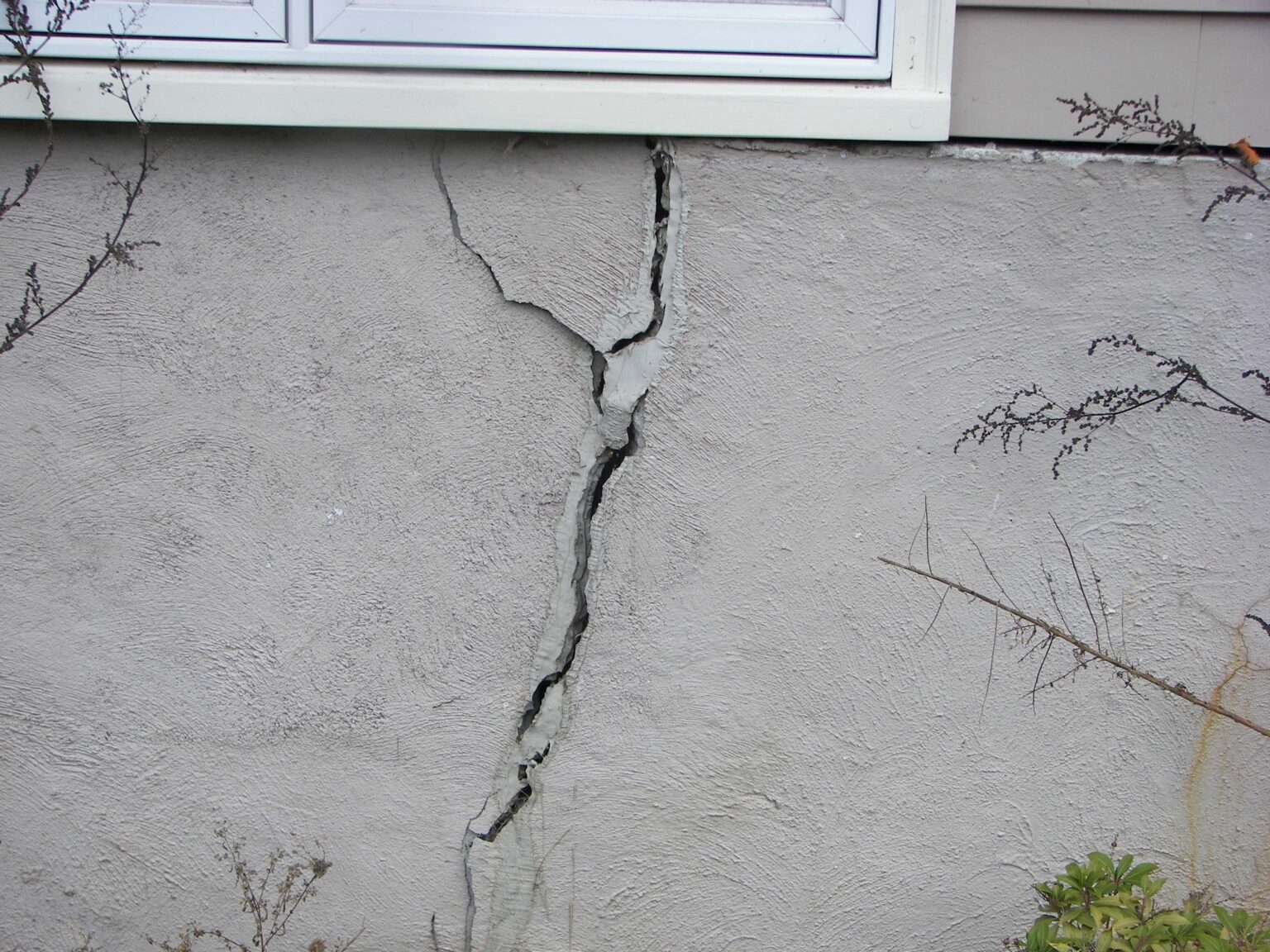
Repairing Foundation Cracks in Jacksonville Homes: 2026 Homeowner’s Guide
Repairing foundation cracks in Jacksonville homes requires a specialized approach tailored to Northeast Florida’s unique sandy soil and high water table. Most repairs involve either structural underpinning with steel piers to stabilize...
Repairing foundation cracks in Jacksonville homes requires a specialized approach tailored to Northeast Florida’s unique sandy soil and high water table. Most repairs involve either structural underpinning with steel piers to stabilize shifting foundations or polyurethane foam injection to fill voids beneath concrete slabs. Addressing these issues early prevents catastrophic structural failure and maintains property value in a volatile coastal environment.
Contents
Foundation integrity is a primary concern for homeowners across Duval County. Whether you reside in the historic districts of Riverside and Avondale, the sandy stretches of Jacksonville Beach, or the expanding suburbs of St. Johns, the ground beneath your home is constantly in motion. In 2026, the convergence of climate-driven sea-level changes and the inherent instability of Florida’s geological makeup has made foundation maintenance a critical aspect of homeownership.
The Jacksonville Geological Context: Why Foundations Fail
Jacksonville’s geography presents two primary challenges for residential foundations: sandy soil erosion and shrink-swell clay cycles. While much of the region sits on "Myakka" sand, which allows for rapid drainage, it is also highly susceptible to "piping"—a process where underground water flow carries sand particles away, creating subterranean voids.
Conversely, areas such as Mandarin and parts of Northside contain pockets of plastic clays. These clays expand significantly when saturated during the heavy summer storm season and contract during the drier winter months. This constant "breathing" of the soil exerts immense pressure on concrete footings and slabs, eventually leading to structural fractures. Furthermore, the city’s proximity to the St. Johns River and the Atlantic Ocean means the water table is often just a few feet below the surface, exacerbating hydrostatic pressure against basement or crawlspace walls.
Identifying and Categorizing Foundation Cracks
Not all cracks indicate an immediate emergency. In Jacksonville’s climate, some minor settling is expected within the first five years of a new build. However, distinguishing between cosmetic blemishes and structural threats is essential for determining the scope of repair.
Vertical Cracks
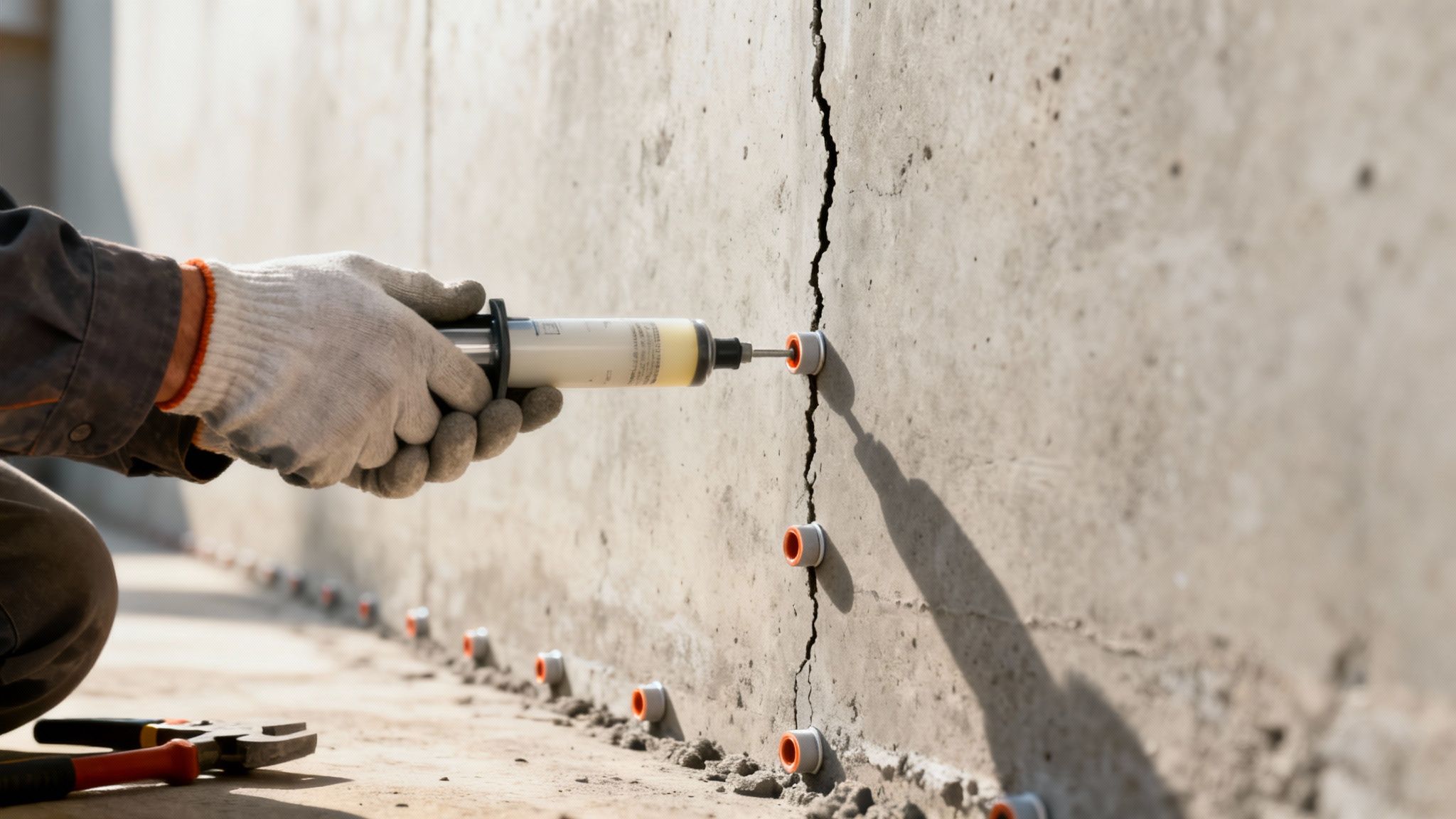
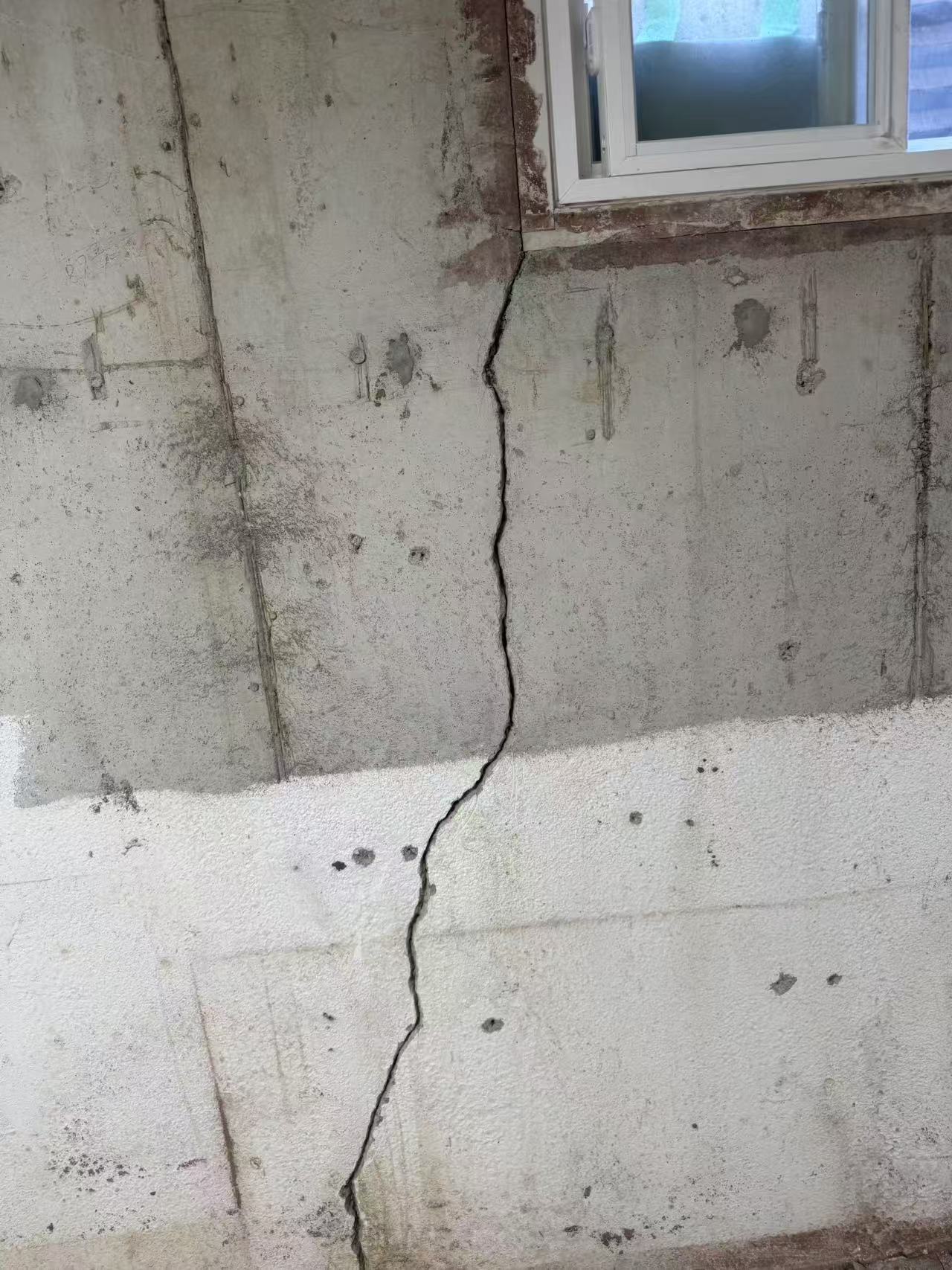
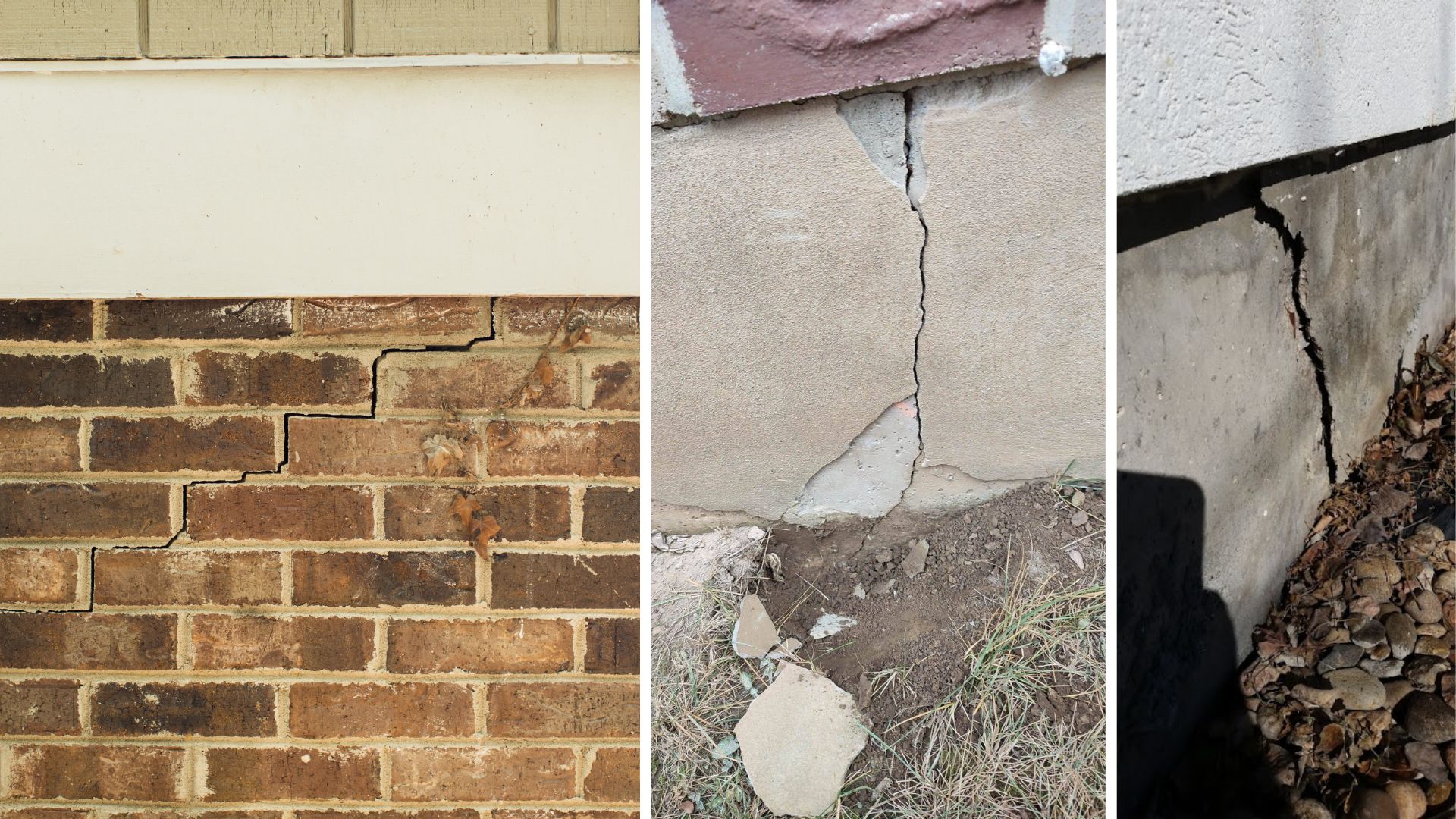
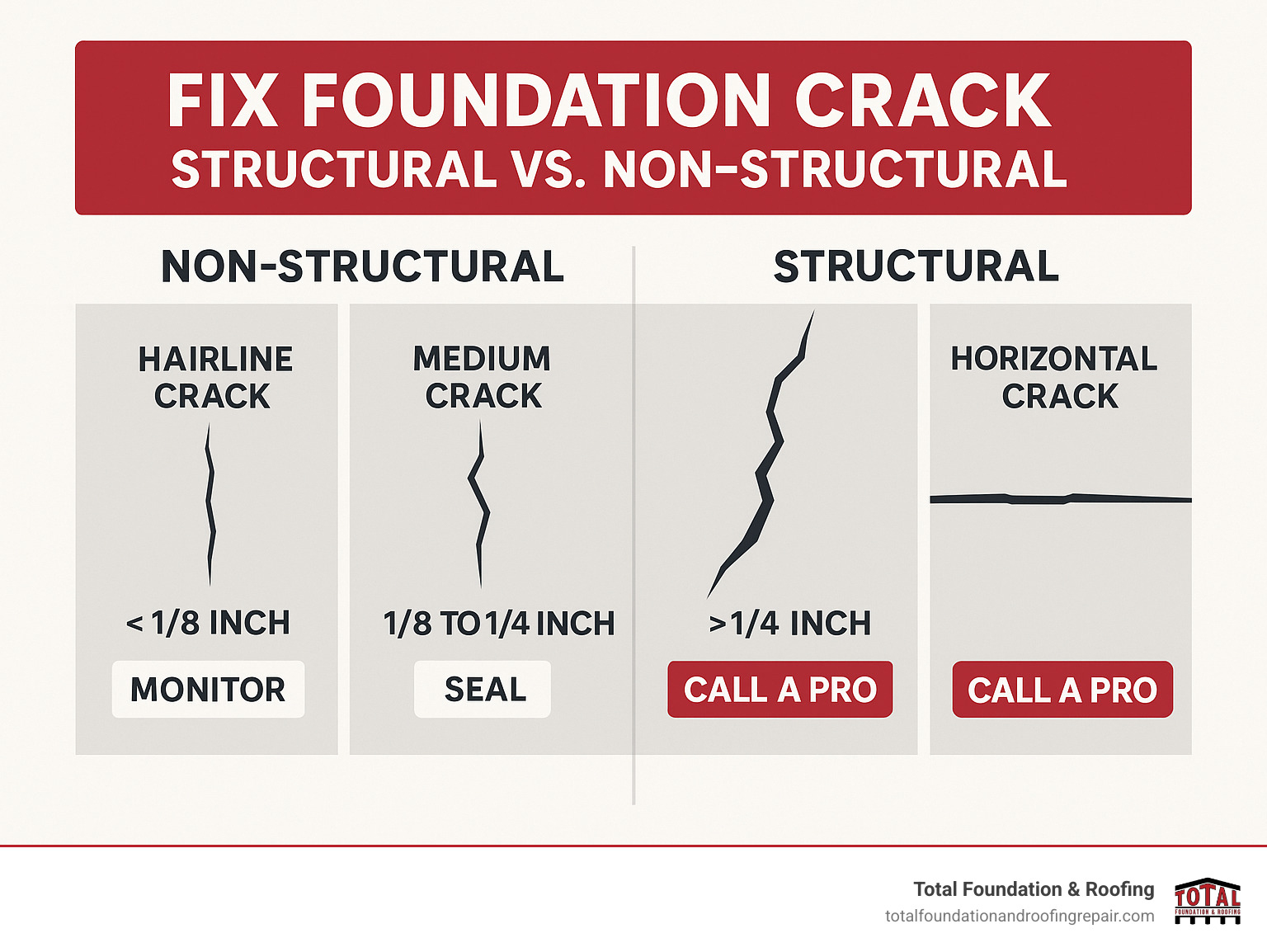
Commonly found in poured concrete walls, vertical cracks are often the result of standard shrinkage as the concrete cures. If the crack is narrower than 1/8 inch, it is likely cosmetic. In 2026, these are typically treated with low-pressure epoxy or polyurethane injections to prevent moisture intrusion, which can lead to rebar corrosion.
Horizontal Cracks
Horizontal cracks are far more serious. They usually signify that the soil pressure outside the foundation (hydrostatic pressure) is greater than the wall can handle. This is a frequent issue in homes with "stem wall" foundations or those with crawlspaces in the Arlington area. If left untreated, the wall may eventually bow or collapse inward.
Stair-Step Cracks
If you notice cracks following the mortar lines in brick or concrete block homes, you are looking at stair-step cracks. These are the hallmark of differential settlement, where one corner or section of the home is sinking faster than the rest. This is common in Jacksonville homes built on unevenly compacted fill dirt.
Professional Repair Methods for 2026
The technology for repairing foundation cracks has evolved. In 2026, contractors prioritize non-invasive methods that provide long-term stability without requiring the demolition of existing landscaping.
1. Steel Piering (Underpinning)
For homes experiencing significant settlement, steel piers are the gold standard.
- Push Piers: These are driven deep into the ground using the weight of the structure until they hit a load-bearing strata or bedrock.
- Helical Piers: These feature screw-like plates and are mechanically "screwed" into the soil. They are particularly effective for the lighter porches or room additions common in Jacksonville’s historic homes.
2. Polyurethane Foam Injection (Slabjacking)
For "slab-on-grade" homes—the most common construction type in Northeast Florida—voids under the floor can cause the slab to crack and sink. High-density polyurethane foam is injected through small holes (about the size of a dime). The foam expands rapidly, filling the void and lifting the concrete back to its original position. This method is preferred in 2026 over traditional "mudjacking" because it is lighter and does not add significant weight to already unstable soil.
3. Carbon Fiber Reinforcement
To address bowing walls or widening horizontal cracks, carbon fiber straps are bonded to the interior of the foundation wall using high-strength epoxy. This material is incredibly thin but stronger than steel, providing the tension necessary to prevent further movement without the bulk of steel I-beams.
Estimated Costs for Foundation Repair in Jacksonville
Costs vary based on the severity of the damage and the specific neighborhood's soil profile. Below is a breakdown of estimated pricing for 2026.
| Repair Method | Estimated Cost (2026) | Primary Use Case |
|---|---|---|
| Epoxy/Polyurethane Crack Injection | $600 – $1,200 per crack | Cosmetic or minor water seepage |
| High-Density Foam Injection | $2,500 – $6,500 | Sunken slabs, driveways, or patios |
| Helical/Push Pier Installation | $2,000 – $3,500 per pier | Major structural settlement |
| Carbon Fiber Strapping | $800 – $1,500 per strap | Bowing walls or horizontal fractures |
| Full Foundation Underpinning | $15,000 – $40,000+ | Comprehensive stabilization of the entire home |
Note: These figures are estimates and do not include the cost of engineer reports or municipal permits.
Permits and Regulations in Duval County
In Jacksonville, any repair involving the structural integrity of a foundation requires a permit from the City of Jacksonville Building Inspection Division.
The 2026 Florida Building Code mandates that structural repairs be designed and signed off by a licensed professional engineer (P.E.). This ensures that the chosen repair method accounts for the specific "wind-borne debris region" and flood zone requirements unique to the area. Homeowners should always verify that their contractor holds a valid license through the Florida Department of Business and Professional Regulation (DBPR).
DIY vs. Professional Intervention
While DIY kits for epoxy injection are available at local hardware stores in the Riverside or Southside areas, they are only appropriate for hairline, non-structural cracks.
When to call a professional immediately:
- Cracks wider than 1/4 inch.
- Doors or windows that no longer open or close properly.
- Visible gaps between the wall and the ceiling or floor.
- Water pooling in the crawlspace after a standard Florida afternoon thunderstorm.
- A "bouncing" or "spongy" feel to the floors.
Attempting to "patch" a structural crack without addressing the underlying soil issue is a temporary fix that often masks a growing problem, leading to higher repair costs in the future.
Prevention Strategies for Jacksonville Homeowners
The best way to manage foundation cracks is to prevent the soil conditions that cause them.
- Gutter Management: Ensure gutters are clear and downspouts discharge at least 5 to 10 feet away from the foundation. In Jacksonville’s tropical climate, a single storm can dump inches of water that, if not diverted, will wash away the sand supporting your footings.
- Landscape Grading: The ground should slope away from your home. Over time, mulch and soil can build up near the foundation, directing water toward the concrete.
- Tree Root Control: Large oaks, iconic to the Jacksonville landscape, have massive root systems that can extract hundreds of gallons of water from the soil daily, causing localized "shrinkage" and settlement. Consider root barriers if a tree is within 15 feet of your foundation.
FAQ
How do I know if my foundation crack is a sinkhole?
While Jacksonville is not as prone to sinkholes as Central Florida (like the "Sinkhole Alley" near Tampa), they do occur. A sinkhole crack is usually accompanied by a rapid, circular depression in the yard, "popping" sounds in the house, or a sudden change in the local water table. If you suspect a sinkhole, contact your insurance provider and a geotechnical engineer immediately.
Does homeowners insurance cover foundation repair in Florida?
Generally, standard policies do not cover foundation repair caused by gradual settlement, erosion, or poor construction. However, if the damage is the direct result of a "sinkhole loss" (as defined by Florida Statute 627.706) or a covered peril like a burst pipe, you may have a claim. Always review your specific 2026 policy endorsements.
How long does a typical foundation repair take?
Most residential repairs in Jacksonville, such as piering or foam injection, can be completed in 2 to 5 days. More extensive projects involving the lifting of an entire structure may take two weeks or longer.
Is the 2026 housing market in Jacksonville affected by foundation issues?
Yes. Florida disclosure laws require sellers to report known foundation issues. Homes with "certified" repairs (those with transferable warranties and engineer seals) often retain their value, whereas unrepaired issues can lead to a 10-20% reduction in sale price or the inability of the buyer to secure a mortgage.
Practical Recommendation
If you discover a crack in your foundation, your first step should be to hire an independent structural engineer who does not work for a repair company. For a flat fee (typically $500–$800 in 2026), they will provide an unbiased assessment and a "plan of remediation." You can then present this plan to licensed contractors in Jacksonville to ensure you are receiving comparable bids for the exact work needed.
Image Gallery