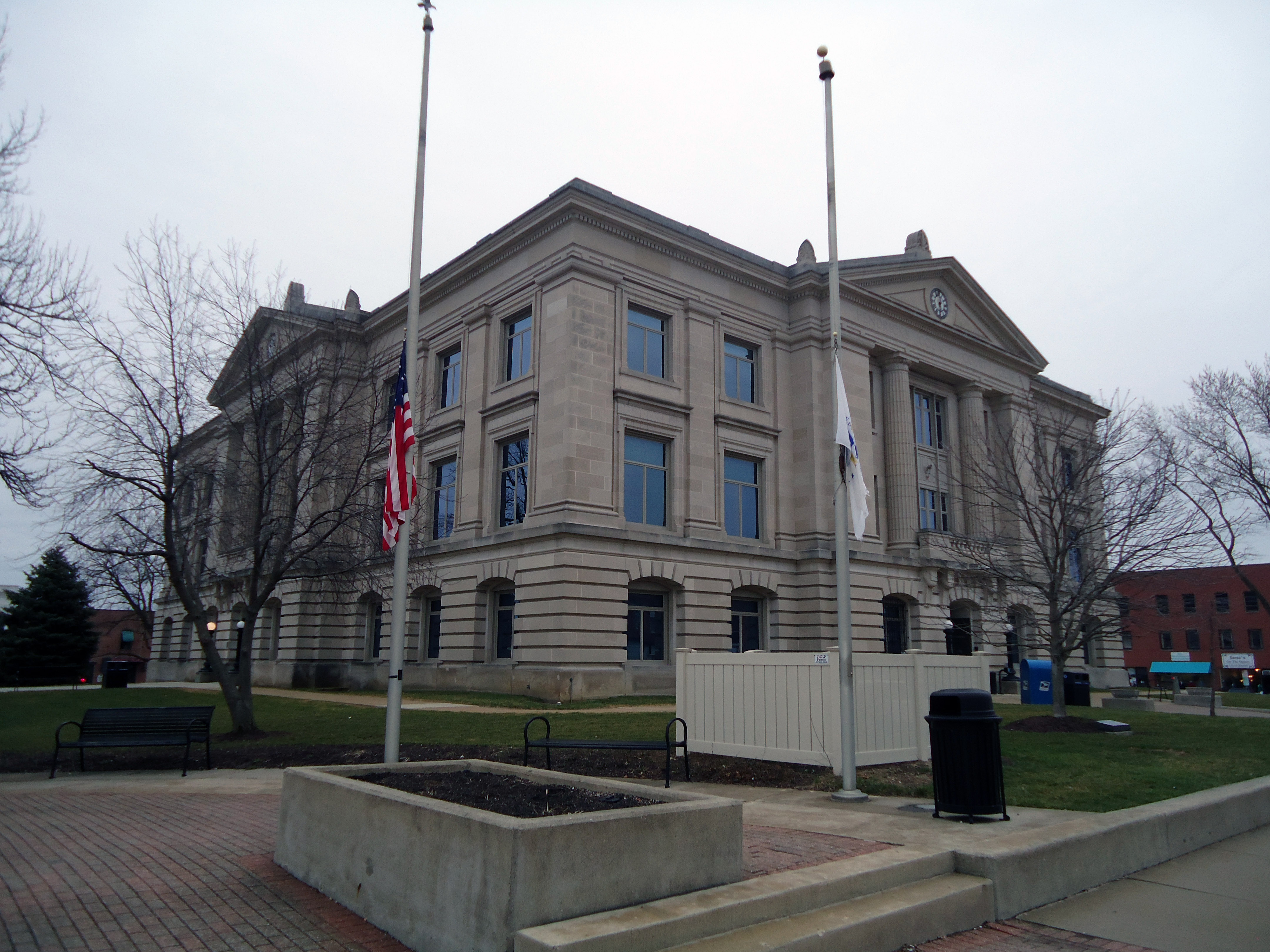
Understanding Why the Hendricks County Icon Matters to Your Community and Economic Growth
The "Hendricks County Icon" refers to the long-term regional development, branding, and strategic infrastructure initiatives centered in Hendricks County, Indiana. It matters to residents and business owners because it represents the d...
The "Hendricks County Icon" refers to the long-term regional development, branding, and strategic infrastructure initiatives centered in Hendricks County, Indiana. It matters to residents and business owners because it represents the deliberate convergence of suburban expansion, economic sustainability, and public-private partnerships that directly influence property values, local tax structures, and the quality of essential municipal services.
Contents
Defining the Hendricks County Icon Initiative
In the context of local governance and regional planning, the "Hendricks County Icon" is not a singular physical structure, but a framework of identity and economic development. As of 2026, the county continues to prioritize a strategic approach to managing its rapid transition from a rural enclave to a vital component of the Greater Indianapolis metropolitan area.
When stakeholders discuss why this "icon"—or the overarching branding of the county’s developmental goals—matters, they are referencing the balance between controlled residential growth and the protection of local agricultural and historical interests. For the individual, this initiative functions as a roadmap for how land is zoned, where infrastructure investments like road expansions are directed, and how the county maintains its competitive edge against neighboring jurisdictions.
Economic Impact and Infrastructure Development
The primary reason this framework matters to you is fiscal. Hendricks County has historically relied on a diverse tax base that avoids over-dependence on any single industry. The "iconic" status of the county’s current development plan involves maintaining an environment where high-density commercial investment, such as the logistics and distribution hubs near the Indianapolis International Airport, is balanced with high-value residential developments.
For residents, this matters because it impacts the local property tax rate. By attracting businesses to corridors like the I-70 and I-74 intersections, the county offsets the costs of school district expansions and public safety services. If the regional development strategy falters, homeowners typically bear a larger portion of the tax burden to fund the essential services that keep the county desirable.
Infrastructure Priorities and You
As of 2026, the following infrastructure focus areas are pivotal to the Hendricks County development model:
- Roadway Connectivity: Strategic widening of arterial roads to accommodate increased commuter traffic into Indianapolis.
- Utility Scalability: Ensuring that water and sewage infrastructure can support both current residential density and future commercial zoning.
- Broadband Expansion: Targeted investments in high-speed digital infrastructure to support remote work and tech-oriented businesses settling in the region.
The Role of Public-Private Partnerships
A critical component of why the Hendricks County developmental model matters is the reliance on Public-Private Partnerships (P3s). These arrangements involve local government bodies working directly with private developers to complete projects that might otherwise be financially unfeasible for the public sector alone.
These partnerships matter to you as a resident because they dictate the quality of "amenities" available in the county. Whether it is the development of mixed-use retail spaces, the construction of new public park systems, or the revitalization of town centers in areas like Danville or Plainfield, these projects are often the result of complex financial negotiations. Understanding these arrangements helps you advocate for the types of growth you want to see in your neighborhood during town council meetings and planning commission hearings.
Comparison of Developmental Focus Areas
To understand how the Hendricks County developmental strategy differentiates itself, it is helpful to compare the priorities of this region against broader national trends in exurban growth.
| Feature | Hendricks County Strategy | Traditional Exurban Growth |
|---|---|---|
| Zoning Focus | Mixed-use and corridor-centric | Sprawling residential subdivisions |
| Infrastructure | Proactive, multi-modal planning | Reactive, road-only improvements |
| Tax Strategy | Diverse commercial/industrial base | Heavy reliance on property taxes |
| Community Identity | Preserving "Small Town" character | Rapid homogenization |
Navigating Local Governance and Planning
If you want to know how the "Hendricks County Icon" influences your daily life, you must engage with the planning commissions. Local government, as of 2026, continues to operate under the Comprehensive Plan, which outlines the intended use of land over a multi-decade horizon.
When a development proposal reaches the planning commission, the "why it matters" factor becomes concrete:
- Property Value: Proposed developments can enhance or diminish the value of your asset depending on their proximity and the nature of the project (e.g., commercial vs. industrial).
- Traffic Patterns: Infrastructure planning usually trails behind development, making it vital for citizens to review traffic impact studies associated with new projects.
- School Capacity: New residential developments are often scrutinized for their impact on the Hendricks County school systems. Understanding the developmental plan helps you anticipate whether your school district will require bond referendums for new buildings.
Common Misconceptions Regarding Regional Growth
One common mistake residents make is assuming that regional development is static. In reality, the "icon" of Hendricks County’s growth is fluid. Misunderstanding this leads to surprise regarding zoning changes or the sudden appearance of commercial infrastructure in previously quiet zones.
Another misconception is the idea that growth is entirely driven by developers. While developers propose projects, they are strictly bound by the ordinances set forth by the Hendricks County Council and local municipal boards. If you feel that the direction of the county does not reflect your values, the mechanism for change is through the public hearing process and the election of local representatives who define the criteria for these developmental permits.
Frequently Asked Questions
1. Does the Hendricks County growth strategy affect my property taxes directly? Yes. A healthy commercial tax base reduces the burden on residential property owners. The county's focus on attracting high-quality commercial development is a deliberate effort to keep your residential tax bill more stable compared to regions that rely exclusively on residential property taxes.
2. How can I stay informed about new zoning or infrastructure projects? You should regularly consult the official Hendricks County government website and the agendas of your local Town Council or Plan Commission. Public notices for zoning changes and developmental hearings are legally required and are the best way to exercise your right to comment on projects.
3. What happens if a project does not align with the county's developmental "icon"? If a project deviates from the established Comprehensive Plan, it requires a variance or a rezoning request. These are subject to public review, where you can provide testimony to the planning commission regarding how the project might negatively affect your neighborhood.
4. Is the county planning to preserve agricultural land? Yes. The current developmental framework explicitly includes provisions for "agricultural preservation zones" to maintain the heritage and economic viability of the county's farming sector, preventing total urban sprawl.
5. How do I know if I am in a growth corridor? You can view the official land use maps provided by the Hendricks County Area Plan Commission. These maps designate current and future land-use categories for every parcel in the county, indicating which areas are slated for commercial or residential expansion.
Next Actions for Residents
To make the most of your position in Hendricks County, you should prioritize awareness of the Comprehensive Plan. Visit the official County planning website to download the current maps and long-term planning documents. If you have concerns about a specific project, identify the upcoming hearing dates for the Plan Commission or the Board of Zoning Appeals. By attending these meetings—or by submitting formal written comments—you ensure your voice is counted in the ongoing story of the region’s development.
Image Gallery