Why You Should Cash Out Refinance Real Estate Now
A cash-out refinance allows homeowners to replace their existing mortgage with a larger loan, converting accumulated home equity into liquid cash. In 2026, navigating this financial strategy requires evaluating prevailing interest rate...
A cash-out refinance allows homeowners to replace their existing mortgage with a larger loan, converting accumulated home equity into liquid cash. In 2026, navigating this financial strategy requires evaluating prevailing interest rates, property values, and alternative borrowing costs to determine if tapping into real estate equity serves your broader financial objectives.
Contents
Understanding Cash-Out Refinancing Mechanics
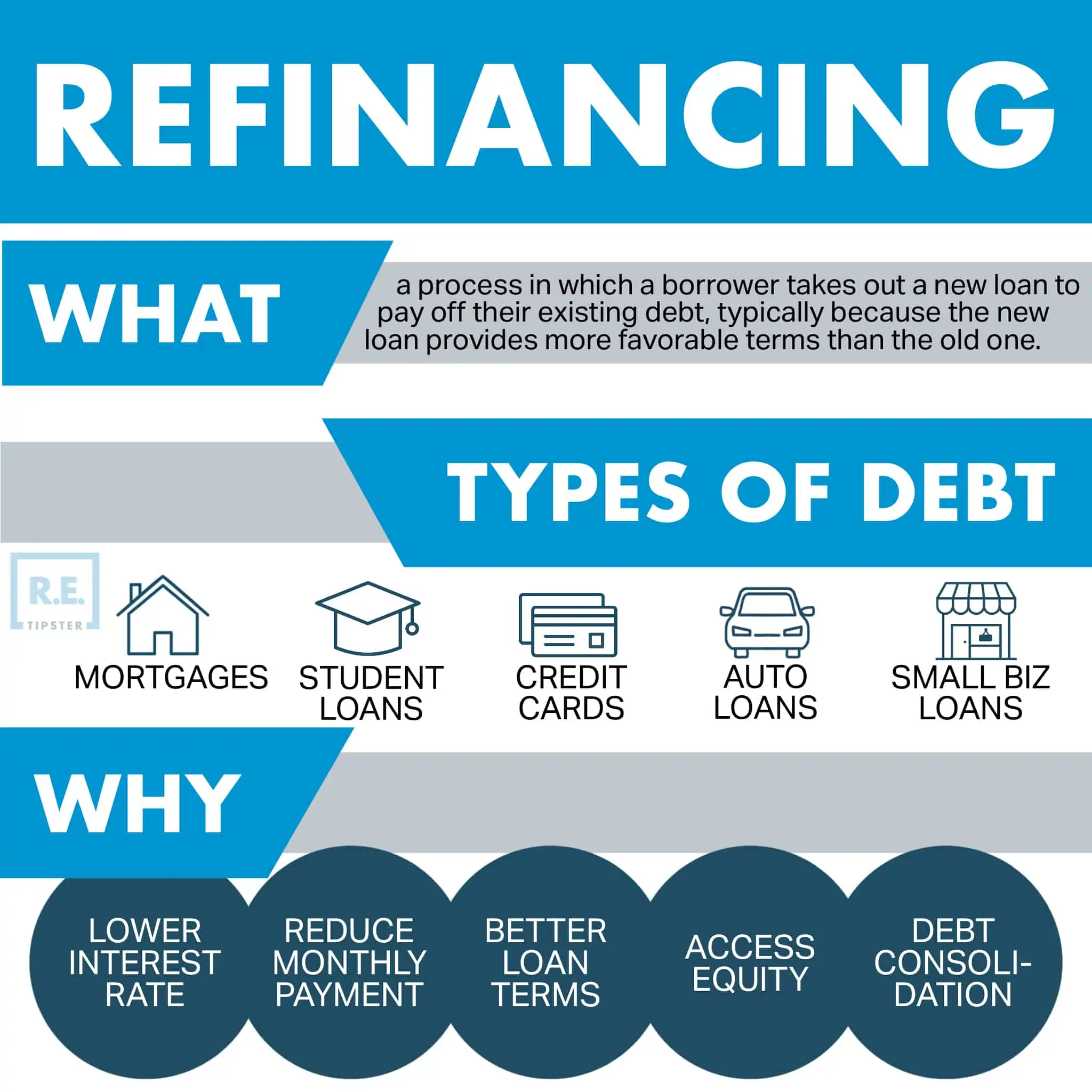
A cash-out refinance replaces your current mortgage with a new, larger mortgage. The difference between your old loan balance and the new loan amount is disbursed to you as a lump sum of cash at closing. This mechanism transforms illiquid property equity into spendable funds, which can be deployed for debt consolidation, home improvements, or other major investments.
To qualify, lenders evaluate several core criteria, typically requiring a minimum credit score, a manageable debt-to-income (DTI) ratio, and sufficient remaining equity. Most conventional lenders require you to retain at least 20% equity in the property after the refinancing transaction is complete, translating to a maximum loan-to-value (LTV) ratio of 80%.
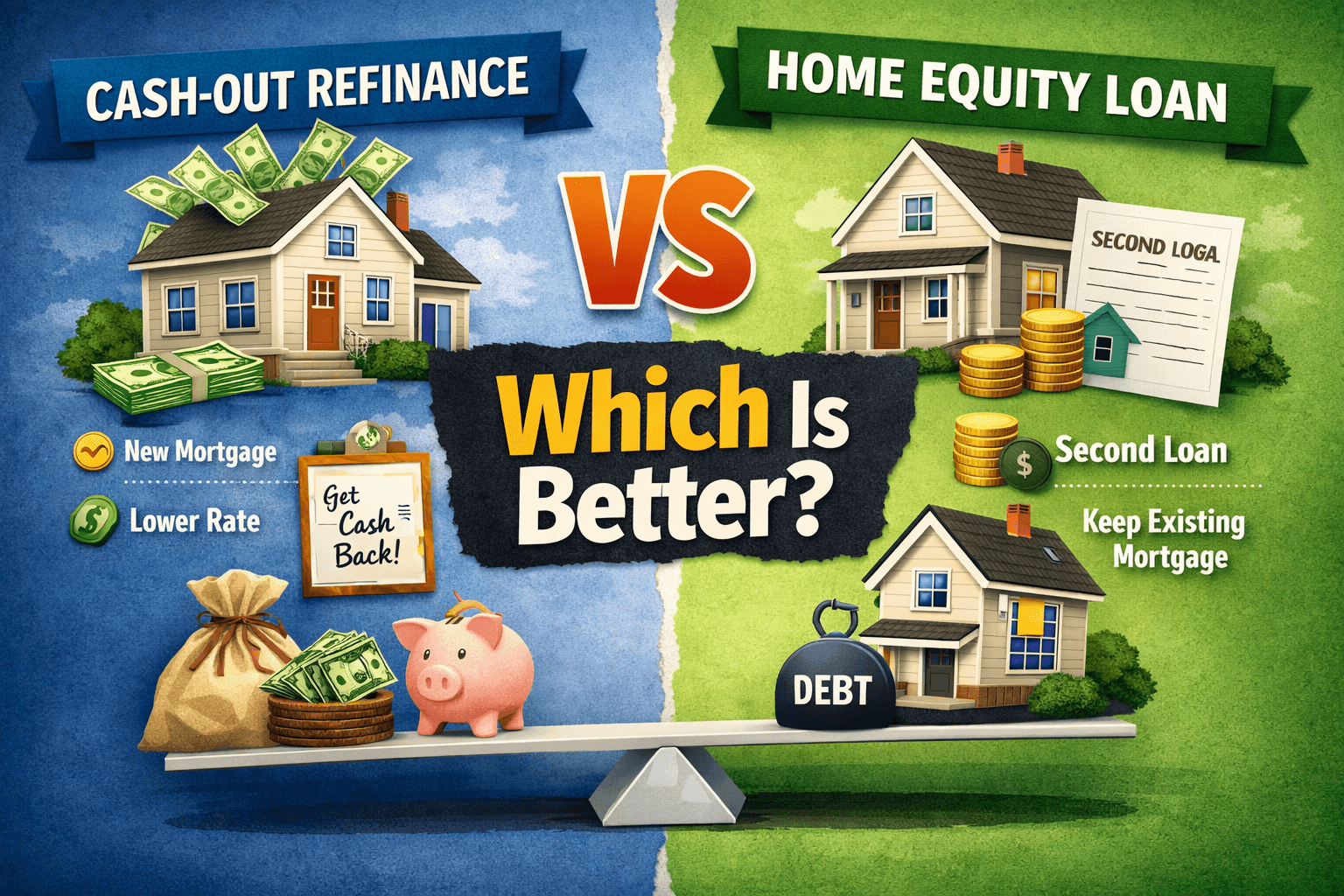
Unlike a home equity loan or a home equity line of credit (HELOC), which function as secondary liens alongside your primary mortgage, a cash-out refinance replaces your original debt entirely. This means you will have only one monthly mortgage payment, though your overall loan balance will be higher than before.
Assessing Market Conditions and Mortgage Rates in 2026
Evaluating the macroeconomic environment is essential before pursuing a cash-out refinance. Mortgage interest rates fluctuate based on Federal Reserve policy, inflation data, and broader bond market movements. If your existing mortgage carries a historically low interest rate secured during previous years, replacing it with a new loan at a higher rate requires careful mathematical analysis.
This trade-off is often referred to as the interest rate dilemma. For example, replacing a 3.5% mortgage rate with a 6.5% rate significantly increases your monthly principal and interest obligation, even if you are securing a lower balance than the property's total value. To justify this cost, the return on the cash-out funds or the savings from consolidating high-interest debt must outweigh the increased long-term cost of borrowing.
Comparative Cost Breakdown
| Financing Option | Typical Interest Rate Structure | Primary Use Case | Impact on Existing Mortgage |
|---|---|---|---|
| Cash-Out Refinance | Fixed or Adjustable | Large capital needs, debt consolidation | Replaces old mortgage entirely |
| Home Equity Loan (HELOC) | Variable (usually) | Ongoing or flexible expenses | Adds a second lien; keeps old mortgage |
| Personal Loan | Fixed | Smaller, short-term funding needs | No impact on real estate |
Strategic Uses for Cash-Out Refinance Proceeds
The financial utility of a cash-out refinance depends heavily on how the deployed capital is utilized. Financial advisors generally categorize uses into wealth-building, asset-preserving, and consumption-driven categories. Using equity to fund appreciating assets or eliminate toxic liabilities differs fundamentally from using it for discretionary consumer spending.
Consolidating High-Interest Debt
One of the most common applications for cash-out refinance proceeds is paying off high-interest unsecured debt, such as credit cards or personal loans. Credit card interest rates frequently exceed 20%, whereas mortgage rates are typically much lower. Consolidating these balances into a single mortgage payment can drastically reduce monthly debt service obligations and lower the total interest paid over time, provided the borrower avoids accumulating new credit card debt.
Funding High-Return Home Improvements
Reinvesting cash-out proceeds directly into the underlying property can create a compounding effect. Kitchen remodeling, bathroom additions, energy-efficient HVAC upgrades, and roof replacements can enhance daily living utility while simultaneously increasing the property's market value. However, not all renovations yield a 100% return on investment at resale, requiring homeowners to research local real estate trends before committing funds.
Calculating the True Costs and Fees
A cash-out refinance is not free money; it incurs closing costs similar to those paid when purchasing a home or securing the original mortgage. These fees typically range from 2% to 6% of the total loan amount and cover expenses such as:
- Appraisal Fees: Required to determine the current fair market value of the real estate.
- Origination Fees: Charged by the lender for processing, underwriting, and executing the new loan.
- Title Search and Insurance: Protects both the lender and borrower against historical title defects or ownership disputes.
- Government Recording Fees: Local municipal charges for updating property deeds and mortgage liens.
Homeowners must calculate the "break-even point" by dividing the total closing costs by the monthly savings achieved through the transaction. If you plan to sell the property or move before reaching this break-even point, a cash-out refinance may result in a financial net loss.
Potential Risks and Drawdowns
Tapping into real estate equity introduces distinct financial vulnerabilities that require careful risk management. Understanding these potential pitfalls protects long-term financial stability.
Increased Foreclosure Risk
Because a cash-out refinance increases your total mortgage debt, your monthly financial obligation rises. If your household income fluctuates or unexpected financial hardships arise, a higher mortgage payment increases the risk of default and potential foreclosure, putting your primary shelter at risk.
Resetting the Amortization Clock
If you have already paid down your original 30-year mortgage for ten years, refinancing into a new 30-year loan resets your amortization schedule. While this can lower your immediate monthly payment by spreading the debt over a longer timeframe, it dramatically increases the total interest paid over the life of the loan.
Market Vulnerability
Real estate markets fluctuate. If local property values decline sharply shortly after you execute a cash-out refinance, you could find yourself in an "underwater" mortgage, where you owe more to the bank than the property is worth on the open market. This severely limits your ability to sell or relocate without bringing cash to the closing table.
Alternatives to Consider Before Refinancing
Before committing to a cash-out refinance, explore alternative financial instruments that might better suit your goals without disturbing your primary mortgage rate:
- Home Equity Loans: If you want to keep a low primary mortgage rate intact, a closed-end home equity loan provides a lump sum via a secondary lien with a fixed interest rate.
- HELOCs: A home equity line of credit functions like a credit card secured by your property, allowing you to draw funds incrementally as needed and pay interest only on what you use.
- Retirement Account Loans: Certain employer-sponsored plans allow borrowing against your vested balance, though this carries its own set of risks regarding missed market gains and tax penalties.
Consulting with a licensed financial advisor, certified public accountant (CPA), or mortgage broker ensures that your chosen strategy aligns with your long-term tax situation and retirement timeline.
Frequently Asked Questions
What is the maximum amount of cash I can take out with a refinance?
Most conventional lenders limit cash-out refinances to an 80% loan-to-value (LTV) ratio, meaning you must leave at least 20% equity untouched in the property. Government-backed loans like FHA or VA loans have their own specific LTV guidelines and eligibility criteria.
How does a cash-out refinance affect my credit score?
Applying for a cash-out refinance triggers a hard credit inquiry, which can cause a temporary, minor dip in your credit score. Additionally, taking on a new, larger installment loan changes your credit mix and debt load, though maintaining on-time monthly payments will positively build your credit history over time.
Are cash-out refinance proceeds considered taxable income?
No. Loan proceeds are viewed by the Internal Revenue Service (IRS) as debt rather than income, meaning you do not have to pay income tax on the cash received at closing. However, tax deductibility rules for mortgage interest have specific limitations depending on how the funds are used.
How long does the cash-out refinance process take?
The timeline from initial application to closing typically ranges from 30 to 45 days. This duration accounts for document verification, home appraisal scheduling, underwriting reviews, and mandatory state-mandated waiting periods.
Can I do a cash-out refinance on an investment property?
Yes, many lenders permit cash-out refinances on non-owner-occupied investment properties or second homes. However, underwriting standards are typically stricter, requiring higher credit scores, larger cash reserves, and lower maximum LTV ratios—often capped at 70% to 75%.
Next Steps for Homeowners
To begin evaluating whether a cash-out refinance makes sense for your situation, pull your current mortgage statement to verify your exact loan balance and interest rate. Next, research recent comparable home sales in your neighborhood to estimate your current market equity. Finally, reach out to multiple reputable lenders or mortgage brokers to compare loan estimates, closing costs, and interest rates before making a final commitment.
Image Gallery