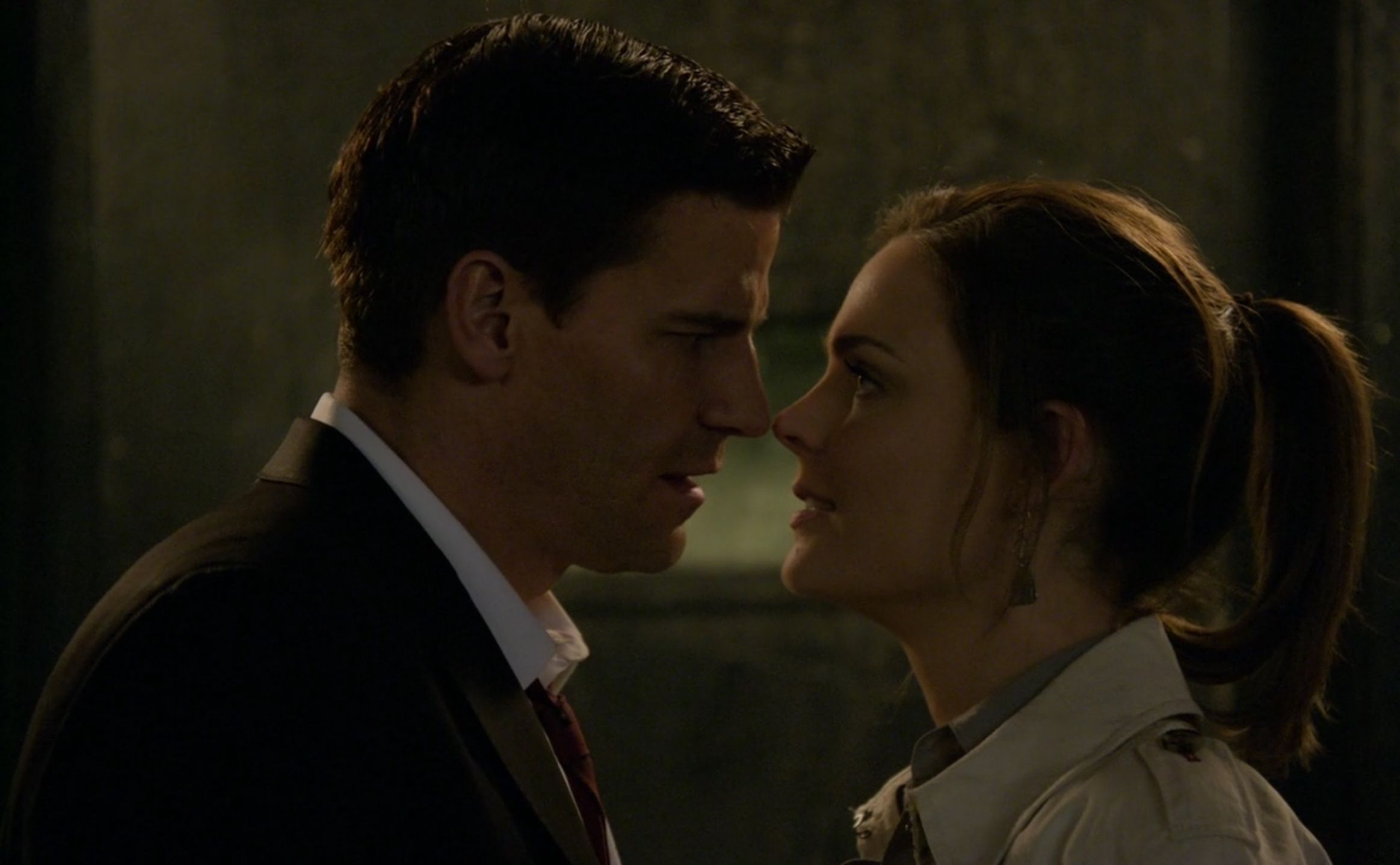
The Evolution of the Bones and Booth Relationship: A Comprehensive Television Analysis
The romantic and professional dynamic between Special Agent Seeley Booth and Dr. Temperance “Bones” Brennan stands as one of television’s most enduring slow-burn partnerships, evolving from cynical workplace friction to deep mutual res...
The romantic and professional dynamic between Special Agent Seeley Booth and Dr. Temperance “Bones” Brennan stands as one of television’s most enduring slow-burn partnerships, evolving from cynical workplace friction to deep mutual respect, romantic commitment, and family life across twelve seasons of the Fox procedural drama Bones.
Contents
Understanding the mechanics of long-running television relationships requires examining how fictional partnerships sustain narrative tension over hundreds of episodes. The interaction between Temperance Brennan, a hyper-rational forensic anthropologist, and Seeley Booth, an intuitive FBI agent relying on human psychology and gut instinct, provided the structural backbone for the procedural series. Their journey reflects a masterclass in shifting character dynamics, illustrating how professional collaboration can transition into profound personal intimacy without sacrificing the core attributes that initially defined the characters.
The Foundation: Professional Friction and Complementary Opposites
When Bones premiered, the central premise rested on the dynamic between science and intuition. Dr. Temperance Brennan viewed the world strictly through empirical data, physical evidence, and anthropological frameworks. Seeley Booth operated on interpersonal observation, interrogation tactics, and emotional intelligence. This dichotomy created immediate friction. Brennan dismissed psychological profiling as guesswork, while Booth found Brennan’s clinical detachment offensive to the humanity of the victims they investigated.
This friction was not merely stylistic; it served a vital narrative function. By forcing two ideological opposites to solve homicides together, the writers established a system of checks and balances. Booth humanized the cold facts recovered from the Jeffersonian Institute's medico-legal lab, whereas Brennan kept Booth grounded in verifiable truth.
- Epistemological Clashes: Brennan’s reliance on physical artifacts regularly conflicted with Booth’s reliance on witness testimony and confessions.
- Value Systems: Booth’s faith, patriotism, and traditional family background stood in stark contrast to Brennan’s radical skepticism, atheism, and hyper-independence.
- Communication Styles: Brennan’s literal-minded interpretation of idioms and social cues contrasted sharply with Booth’s colloquial, highly social demeanor.
This push-and-pull formed the bedrock of their early partnership. Neither character could solve cases efficiently without the other's specific skill set, creating an involuntary interdependence that gradually softened their initial hostility.
The Anatomy of a Slow-Burn Dynamic
The slow-burn romance is a staple of serialized television, designed to maintain audience engagement by indefinitely deferring gratification. In the case of the bones booth relationship, the slow burn spanned six full seasons. The narrative engine relied on unexpressed feelings, external romantic obstacles, jealousy, and periodic emotional vulnerability.
Key milestones marked this slow progression, transforming them from reluctant partners into confidants:
- Shared Trauma and Vulnerability: Instances where one character faced mortal danger forced emotional admissions that routine casework suppressed. Episodes involving sniper threats, kidnappings, and hospitalizations routinely lowered their emotional defenses.
- The "Partners" Definition: Both characters frequently insisted they were "just partners," a phrase that functioned as a protective shield against the professional and personal risks of crossing emotional boundaries.
- External Relationships: The introduction of recurring romantic interests—such as Booth’s relationship with Hannah Burrows or Brennan’s dalliance with Sully—tested the stability of their bond and forced each character to confront what they stood to lose.
This deliberate pacing avoided premature resolution, which historically risks deflating the dramatic tension of procedural dramas. Instead, the narrative nurtured an environment where intimacy grew organically through shared hardship, domestic proximity, and professional triumphs.
The Turning Point: Season 6 and the Shift Toward Intimacy
Season 6 marked a critical inflection point for the series. The emotional weight of accumulated experiences, combined with external catalysts such as the death of intern Vincent Nigel-Murray, created a vulnerability that dismantled their long-standing defenses. Following an emotionally turbulent period, Brennan and Booth crossed the threshold from partners to romantic partners.
| Phase | Seasons Covered | Primary Dynamic | Core Conflict |
|---|---|---|---|
| Foundation | Seasons 1–3 | Professional friction, mutual skepticism | Clash between science and intuition |
| Deepening Trust | Seasons 4–5 | Emotional reliance, subtle jealousy | Fear of compromising the partnership |
| Convergence | Season 6 | Vulnerability, crisis response, shift in status | External threats and emotional readiness |
| Domestic Integration | Seasons 7–12 | Parenthood, marriage, professional parity | Balancing high-stakes field work with family |
The decision to consummate their relationship off-screen at the end of Season 6 surprised many viewers, but it aligned with the nuanced, character-driven nature of the show. Rather than relying on a cinematic, melodramatic kiss in the rain, the narrative favored a quiet, organic moment of solace shared between grieving individuals.
Domestic Partnership, Marriage, and Professional Parity
In the later seasons, the narrative focus shifted from whether they would get together to how they would sustain their relationship while maintaining their demanding careers. The birth of their daughter, Christine Angela Booth, and later their son, Seeley Jr., introduced new domestic realities.
Unlike many television couples whose dynamics plateau after marriage, the Booth-Brennan union evolved to incorporate parenthood without neutralizing their professional identities. Brennan maintained her position as lead forensic anthropologist, and Booth continued his dangerous field work at the FBI. Their marriage, formalized in Season 9, demonstrated that institutional respect and emotional equality could coexist within a high-stakes television landscape.
Key Factors Supporting Their Long-Term Stability
- Mutual Respect for Autonomy: Neither character attempted to force the other to abandon their core identity or career path.
- Shared Humor: Their relationship relied heavily on a dry, idiosyncratic banter that allowed them to navigate intense stress with levity.
- Adaptability in Crisis: Whether facing serial killers, financial instability, or physical injuries, their operational synergy translated seamlessly into family crises.
Common Misconceptions About the Dynamic
Viewers and critics frequently analyze procedural partnerships through specific lenses, occasionally misinterpreting the writing choices behind the bones booth relationship.
- The "Opposites Attract" Cliché: While initially framed as opposites, subsequent seasons revealed deep core similarities. Both characters possessed rigid moral codes, a profound sense of justice, and deep-seated protective instincts stemming from complex childhood trauma.
- Power Imbalances: Some early analyses suggested Booth carried the emotional labor of the partnership. However, forensic analysis of the scripts reveals that Brennan frequently initiated emotional breakthroughs, challenging Booth’s internal biases regarding faith, law enforcement, and personal worth.
Troubleshooting Narrative Fatigue in Long-Running TV Couples
For writers and media analysts examining long-running television dynamics, the evolution of Booth and Brennan offers clear lessons in sustaining engagement:
- Avoid Static Characterization: Ensure characters grow through trauma and life milestones rather than resetting to their baseline personalities after every major plot arc.
- Integrate External Stakes: Connect professional threats directly to the emotional survival of the relationship to maintain high dramatic tension.
- Preserve Individual Agency: Keep both characters competent in their respective fields so that the partnership feels balanced rather than dependent.
Conclusion
The relationship between Seeley Booth and Temperance Brennan succeeded because it was built on a foundation of intellectual equality and gradual emotional surrender. By allowing the characters to spend six seasons negotiating their differences, the creators established a believable, resilient partnership that transitioned smoothly from workplace friction to lasting marital commitment, cementing its place as a definitive dynamic in modern television history.
Image Gallery