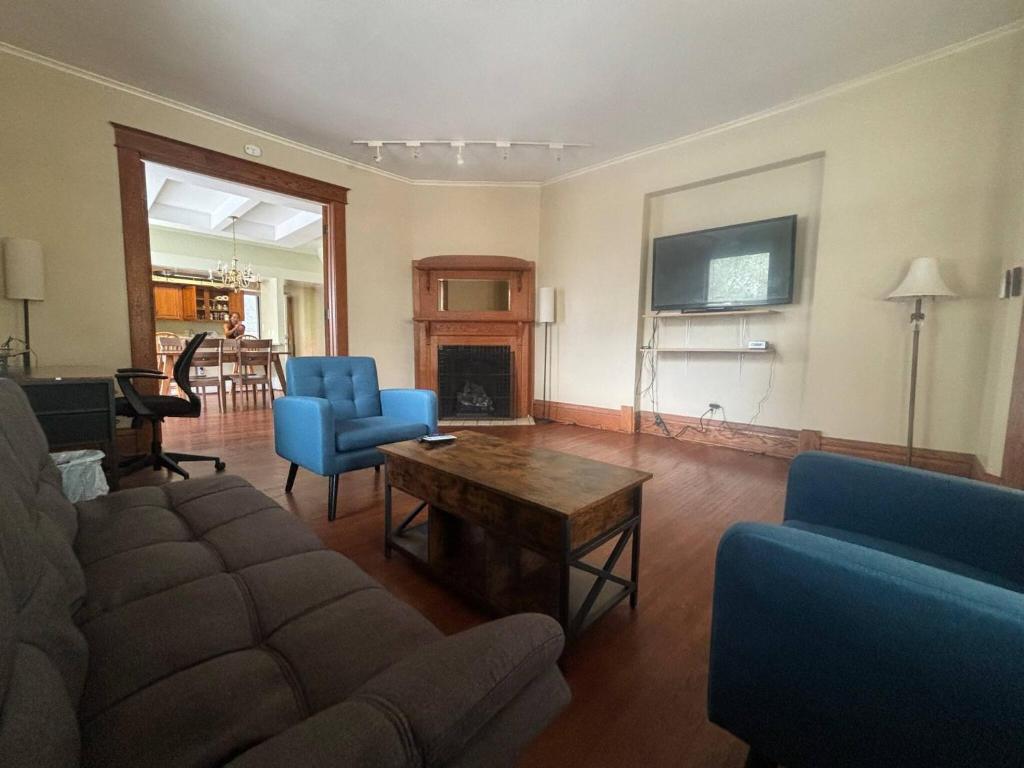
ISU Dorm Prices Explained: Understanding Housing and Meal Plan Costs
Iowa State University (ISU) residence hall and apartment prices vary based on building style, room occupancy, and the selected meal plan, with standard double-occupancy rooms and traditional meal plans typically forming the baseline co...
Iowa State University (ISU) residence hall and apartment prices vary based on building style, room occupancy, and the selected meal plan, with standard double-occupancy rooms and traditional meal plans typically forming the baseline cost for incoming undergraduate students. Navigating university housing finances requires a clear breakdown of room rates, dining contracts, mandatory fees, and billing structures to help students and families plan their academic year budget accurately.
Contents
Overview of ISU Housing and Dining Structure
Living on campus at Iowa State University involves signing a housing contract that bundles room rent with various residential services, technology infrastructure, and community programming. To understand how ISU dorm prices are determined, students must examine the separation between residential facilities and culinary services.
Housing costs are dictated primarily by the level of modernization, privacy, and amenities offered within a specific building or complex. Meanwhile, dining costs operate on a separate contract system that allows students to choose from a variety of block-meal tiers and dining dollar combinations.
When evaluating these costs, it is essential to recognize that ISU structures its residence system to accommodate different student preferences. Traditional halls feature communal bathrooms and double-occupancy rooms, which represent the most economical tier. Conversely, suite-style accommodations, single-occupancy rooms, and university-operated apartments command higher rates due to increased square footage, reduced resident-to-bathroom ratios, or kitchen facilities.
Factors Influencing Iowa State University Dorm Rates
Several operational and structural factors dictate the exact price a student pays for campus housing during an academic year. Recognizing these variables ensures that applicants can compare different residential options effectively before submitting their preferences.
Room Type and Occupancy
The physical configuration of a living space is the primary cost driver.
- Traditional Double Rooms: These spaces house two students and utilize floor-wide communal restrooms. They offer the lowest price point in the residence system.
- Single Rooms: Due to high demand and limited availability, single rooms—where a student resides alone—carry a substantial price premium.
- Suites and Semi-Private Rooms: Rooms connected by a shared bathroom or located within a suite setting balance privacy and cost, falling into a moderate-to-high price tier.
- Apartments: University-owned apartment complexes, such as Schilletter Village or Frederiksen Court, feature individual bedrooms, kitchens, and living areas, priced according to apartment capacity and layout.
Building Modernization and Amenities
ISU houses students across various historical and recently renovated facilities. Buildings featuring centralized air conditioning, modern study lounges, updated interior finishes, and integrated high-speed networking infrastructure are priced higher than older facilities that may lack certain modern conveniences.
Academic Year vs. Summer Contracts
Housing agreements are typically structured around the academic year, spanning the fall and spring semesters. Students requiring summer housing must execute a separate agreement, which is billed on a per-week or flat summer-term rate depending on their enrollment status in summer courses or campus employment requirements.
Breakdown of Room Rates by Residence Hall Tier
Iowa State University categorizes its residence halls into distinct tiers that reflect their architectural design and amenities. While exact figures adjust annually to account for operational inflation, utility expenses, and facility maintenance, the pricing hierarchy remains consistent.
Traditional halls such as Friley, Eaton, and Martin house thousands of students and provide standard double rooms at baseline rates. Community-style living in these buildings keeps overhead costs minimal. Mid-tier options include buildings with renovated community spaces or limited semi-private configurations. Premium options include buildings constructed or heavily renovated in recent decades, offering independent temperature controls, suite-style layouts, and enhanced social lounges.
| Residence Tier | Room Style | Bathroom Setup | Relative Price Level | Typical Occupancy |
|---|---|---|---|---|
| Traditional Halls | Double / Single | Communal (Floor-shared) | Lowest | 2 Students (Double) / 1 (Single) |
| Suite-Style Halls | Double / Single | Semi-private (Shared between adjacent rooms) | Moderate | 2 to 4 Students |
| Modern / Premium | Single / Double | Private or Semi-private | Highest | Varies |
| Apartment Complexes | Single bedrooms in multi-bed units | Shared apartment bathroom(s) | Varies by unit size | 2 to 4 Students |
Understanding ISU Meal Plans and Dining Costs
Living in most ISU residence halls requires purchasing a companion meal plan. The university contracts its dining services to provide access to multiple dining centers, cafes, and retail food operations across campus.
Meal Plan Structures
ISU offers flexible dining options designed to match student eating habits and schedules:
- Unlimited Access Plans: These plans provide unlimited entry into campus dining centers, paired with a set amount of dining dollars for retail purchases. They suit students who prefer frequent, smaller meals and studying in dining commons.
- Block Plans: These plans allocate a specific number of meals per semester (e.g., 150 blocks), alongside a larger allotment of dining dollars. They offer flexibility for students who occasionally cook or have irregular schedules.
- Cardinal and Gold Variations: Different tiers within block and unlimited structures allow students to scale their dining dollar budgets up or down.
Mandatory Requirements
First-year students living in traditional or suite-style residence halls are typically required to select from a designated tier of primary meal plans. Upperclassmen living in apartment-style housing or off-campus locations face no such mandate, though voluntary commuter plans remain available.
Additional Fees and Payment Structures
When reviewing ISU dorm prices, students must look beyond the base sticker price of room and board. Several ancillary fees factor into the total cost billed to the student's Ubiller account each semester.
Contract Deposits and Application Fees
Applying for campus housing requires completing an application process that may include non-refundable processing fees or security deposits. These fees secure a student’s place in the housing queue but do not apply directly as credits toward semester room charges unless explicitly stated by the Department of Residence.
Technology and Utility Surcharges
Unlike off-campus renting, ISU dorm prices bundle high-speed Wi-Fi, wired Ethernet ports, electricity, water, heating, and trash removal into the single housing bill. This consolidation eliminates variable monthly utility bills, protecting students from seasonal price spikes in heating or cooling.
Payment Deadlines and Installment Plans
Iowa State University bills housing and dining charges through the Accounts Receivable office. Students can pay semester balances in full by the designated university deadline or enroll in an approved university installment payment plan, which divides the total semester obligation into multiple monthly payments for a nominal enrollment fee.
Comparing On-Campus Living vs. Off-Campus Housing Costs
Many students weigh ISU dorm prices against the cost of renting an off-campus apartment in Ames, Iowa. While off-campus monthly rent can appear lower on a nominal basis, a comprehensive financial comparison requires accounting for hidden variables.
On-Campus Total Cost = Base Room Rate + Mandatory Meal Plan + Bundled Utilities + Proximity Value Off-Campus Total Cost = Monthly Rent + Independent Utilities + Groceries + Transportation/Parking + Setup Costs
On-campus living eliminates the need to purchase furniture, sign 12-month leases (ISU housing aligns with the 9-month academic calendar), pay separate utility deposits, or commute long distances. Conversely, off-campus housing can offer lower food costs if students prepare their own meals rather than paying for a university dining plan.
Frequently Asked Questions About ISU Dorm Prices
Are housing and dining charges billed together or separately?
Housing and dining charges appear as distinct line items on the student’s University bill (Ubiller account), but both are managed through the student financial portal and are due according to the same academic term deadlines.
Can I change my meal plan after the semester begins?
Yes, ISU permits students to modify or downgrade their meal plans during designated adjustment windows at the beginning of each semester. Upgrades are generally allowed at any time during the term.
Do housing rates change from the fall semester to the spring semester?
Housing contracts are typically priced as an academic year agreement divided equally across the fall and spring billing cycles, though specific rate adjustments take effect at the start of each new academic year.
Are financial aid and scholarships applicable to dorm prices?
Financial aid, federal grants, and institutional scholarships disbursed through Iowa State University apply directly to a student's Ubiller account, covering tuition first, followed by housing and dining charges.
What happens to my housing contract if I study abroad or withdraw?
Canceling a housing contract before the end of the term is subject to the cancellation terms outlined in the Department of Residence contract. Valid reasons, such as graduating, studying abroad, or military deployment, follow specific petition procedures and cancellation fee schedules.
Next Steps for Prospective Residents
Students preparing to live on campus at Iowa State University should review the official Department of Residence website for the most current, verified rate sheets for the upcoming academic year. Submitting housing applications early ensures the widest possible selection of room styles and pricing tiers, aligning residential choices with both personal preferences and financial plans.
Image Gallery