How the Police Badge Number Shapes Accountability and Public Trust
A police badge number functions as a unique, permanent identifier that links an individual officer to their actions, serving as the primary mechanism for public oversight, internal administrative tracking, and legal accountability. By...
A police badge number functions as a unique, permanent identifier that links an individual officer to their actions, serving as the primary mechanism for public oversight, internal administrative tracking, and legal accountability. By providing a verifiable way to identify personnel, the badge number mitigates anonymity, enables victims of misconduct to file precise complaints, and allows internal affairs divisions to aggregate performance data over the course of an officer’s career.
Contents
The Functional Role of the Badge Number in Law Enforcement
In modern law enforcement, the badge number—frequently referred to as a shield number or personal identification number—is distinct from the officer’s name or rank. While names may be shared by multiple individuals within a large agency, the badge number is typically a unique numeric sequence assigned to a single officer for the duration of their tenure with that department.
The primary function of this identifier is to eliminate ambiguity in record-keeping. When a police officer interacts with the public, their conduct is subject to departmental policy, municipal regulations, and constitutional law. If a member of the public wishes to commend or lodge a complaint against an officer, the badge number serves as the most accurate index for documentation. Unlike a name, which can be misspelled or confused, the badge number is a specific data point recorded on police reports, body-worn camera metadata, and department-issued identification cards.
Accountability and the Mitigation of Anonymity
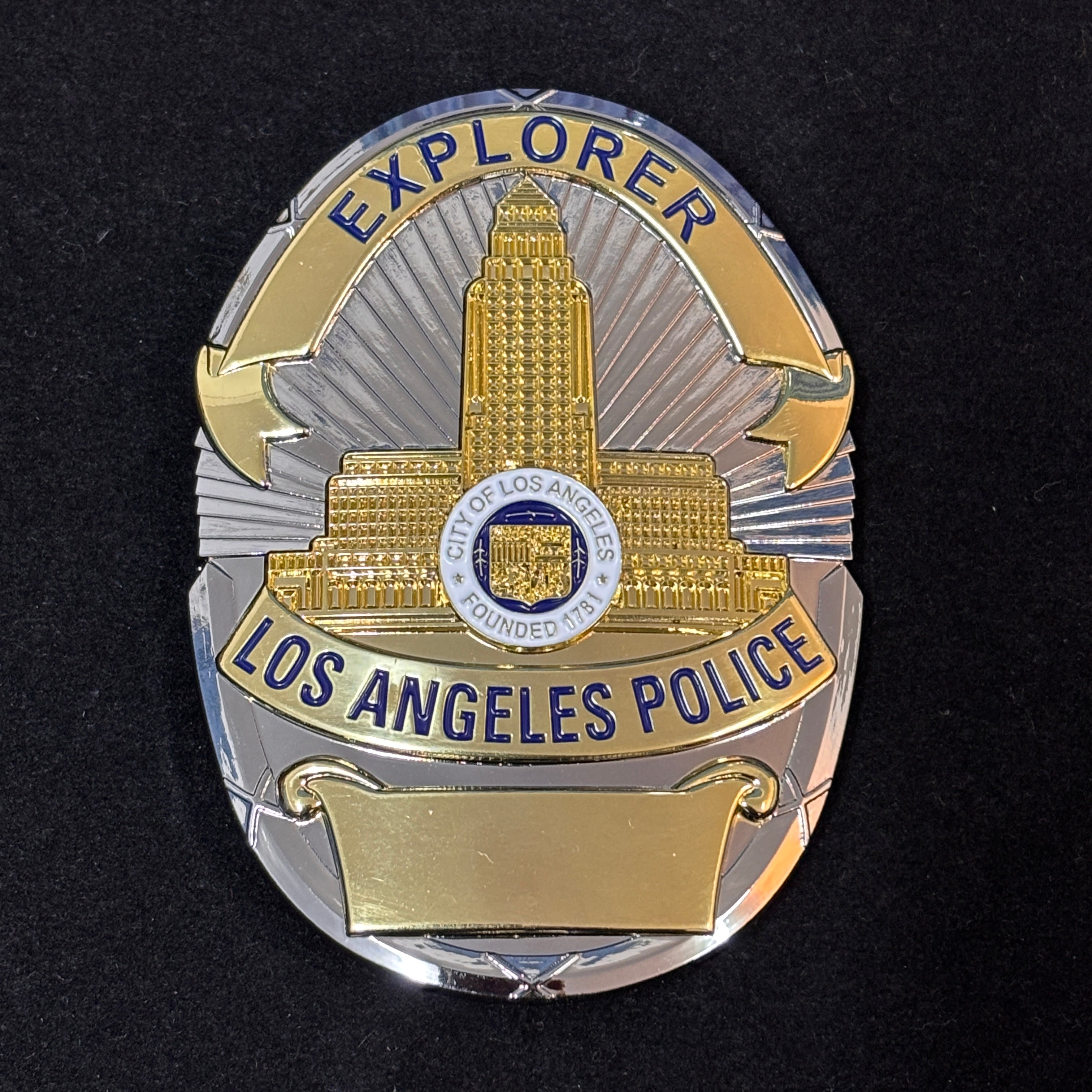
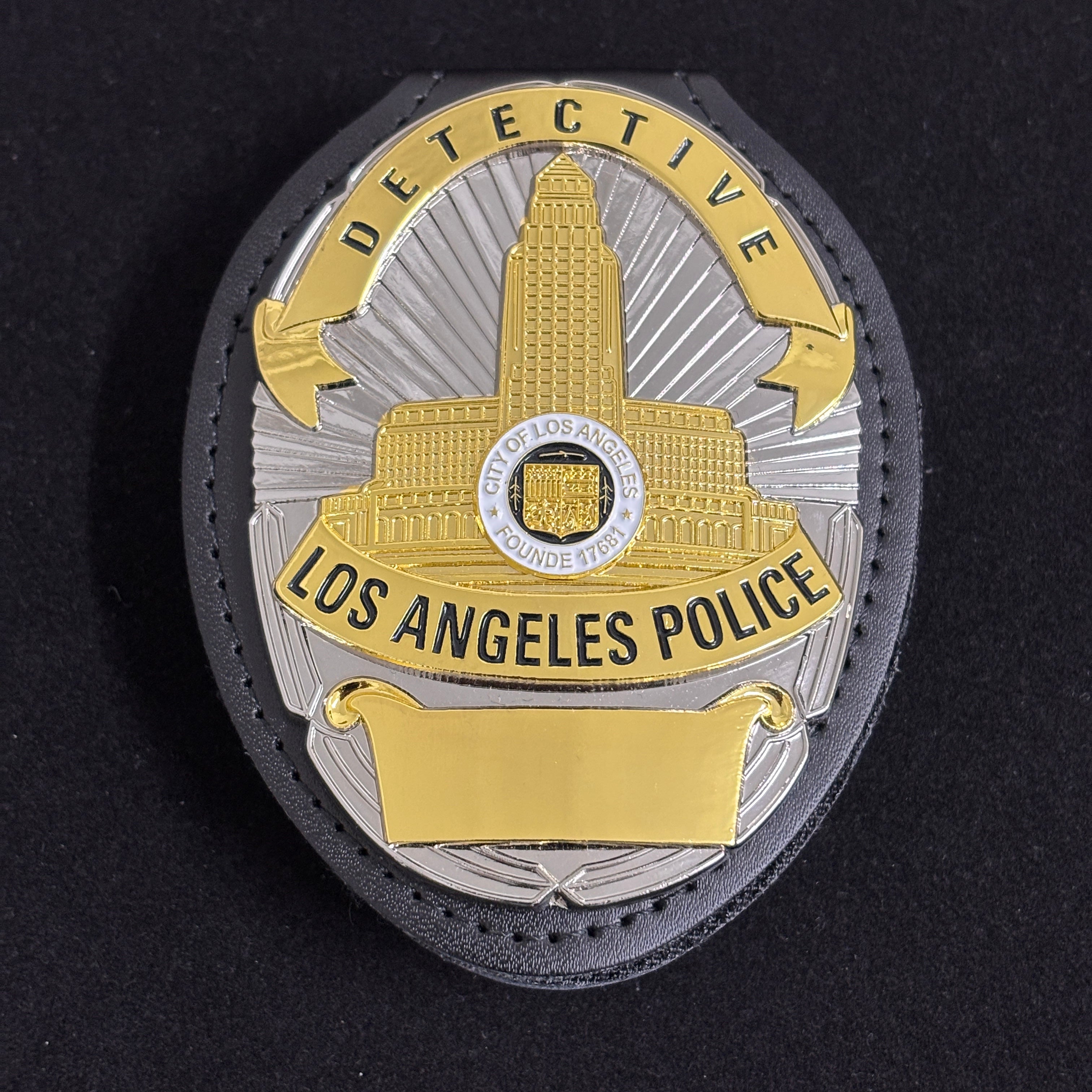
Accountability in policing relies heavily on the ability to attribute specific actions to specific individuals. When officers operate in a state of perceived or actual anonymity, the risk of misconduct increases because the link between action and consequence is obscured. The display of a badge number—whether on a physical metal shield or a nametag—is a visual reminder to the officer that they are identifiable.
This visibility acts as a psychological and structural deterrent against the misuse of authority. In jurisdictions where agencies have moved toward requiring visible identification on tactical gear or riot equipment, the presence of the badge number facilitates a direct line of sight for oversight. If an officer knows they can be identified, the barrier to reporting misconduct is lowered for both citizens and fellow officers. This is particularly critical in high-stress environments, such as crowd control or high-stakes enforcement operations, where the anonymity of uniform compliance can otherwise shield an individual from the consequences of unlawful behavior.
Integration with Digital Oversight Technologies
As of 2026, the intersection of physical badge numbers and digital oversight technology has become the standard for modern accountability. Body-worn cameras (BWCs) are now standard equipment for most patrol officers. These devices do not function in isolation; they are integrated into a department's digital ecosystem.
The badge number is often embedded in the metadata of video files generated by these cameras. When an officer initiates a recording, the system logs the officer’s identity alongside the timestamp and geolocation data. This digital tether ensures that internal audit teams can reconcile physical events with the officer responsible for them. Without this link, footage would be difficult to categorize or retrieve during an investigation. By embedding the badge number into the digital record, agencies create an immutable audit trail that prevents the obfuscation of evidence.
Comparing Methods of Officer Identification
The following table outlines the efficacy of different identification methods used in law enforcement settings today.
| Identification Method | Primary Utility | Potential Weakness | Accountability Impact |
|---|---|---|---|
| Badge Number | Unique administrative tracking | Can be obscured on tactical vests | High; allows for clear audit trails |
| Name Plate | Personal interaction/Community | Common names cause confusion | Moderate; prone to spelling errors |
| Agency/Unit ID | Unit-level responsibility | Lacks individual accountability | Low; obscures specific culpability |
| Digital/BWC Metadata | Legal evidence preservation | Requires system integrity | Very High; prevents evidence loss |
Administrative Oversight and Career Tracking
The badge number is more than a tool for single-incident reporting; it is the cornerstone of career-long performance tracking. Agencies utilize these identifiers to maintain "early intervention systems." These systems analyze patterns of behavior, such as a higher-than-average frequency of force reports, excessive complaints, or repeated procedural errors associated with a specific badge number.
By tracking these metrics over years, leadership can identify officers who may require additional training, mentorship, or reassignment before a significant incident occurs. This proactive approach to accountability depends entirely on the accuracy of the badge number as a constant identifier. If an officer’s identification shifted frequently, the longitudinal data required to spot behavioral trends would be fragmented and unreliable.
Legal Requirements and Jurisdictional Limitations
While the mandate to display a badge number is common, the specific legal requirements vary by jurisdiction. In many states and major municipalities, departmental policies require officers to present their badge number upon request by a member of the public, provided the request does not interfere with the officer's safety or the performance of their duties.
However, challenges persist in the enforcement of these policies. During large-scale protests or civil unrest, departments have sometimes struggled to maintain compliance regarding the visibility of badge numbers on heavy tactical outer vests. Legal reforms in recent years have increasingly focused on ensuring that these identifiers remain visible regardless of the specific gear or uniform an officer is wearing. For citizens seeking to verify an officer's identity, the most effective step is to note the badge number, the time of the event, the location, and the agency name, which provides a concrete basis for a formal inquiry or Freedom of Information Act (FOIA) request.
Common Challenges and Troubleshooting
Despite the logic of using badge numbers for accountability, several practical issues can hinder their effectiveness:
- Visibility Obstruction: Tactical gear, heavy coats, or non-standard uniforms can hide the physical badge.
- Data Discrepancies: Errors in manual entry during the transition from field report to digital database can create a "mismatch," leading to investigations against the wrong officer.
- Cross-Agency Confusion: If an officer is on loan to a multi-agency task force, their home agency’s badge number might not correspond to the task force’s internal reporting system.
To mitigate these issues, agencies are increasingly adopting RFID or automated digital identification that transmits the officer's unique ID to the agency’s dispatch system in real time. For the public, the best troubleshooting advice for an identification issue is to document the patrol vehicle number and the exact time of the interaction, as these serve as secondary identifiers if the badge number was not clearly visible.
Frequently Asked Questions
Can I identify an officer if I only have their name?
While you can often identify an officer by name, it is less reliable than using a badge number. If you have only a name, provide the agency with the date, time, and specific location of the interaction to help them narrow down the correct personnel file.
Are badge numbers ever reused?
Generally, no. Most agencies retire a badge number upon an officer’s retirement or departure, though policies vary by department. Some smaller agencies may recycle numbers after a significant period of time, which is why cross-referencing with other event data is essential for accurate record-keeping.
What should I do if an officer refuses to provide their badge number?
If you are in a situation where you believe a request for identification is being unfairly denied, prioritize your safety. Attempt to record the patrol car number, the license plate, the time, and the location. These details are sufficient for an oversight body or internal affairs to identify the officer involved.
Does every police officer have a unique badge number?
Yes, within a specific agency, a badge number is assigned to be unique to prevent confusion. However, there is no universal, national registry of badge numbers; an officer in one city might have the same numeric badge as an officer in a different city or state.
How do I use a badge number to file a formal complaint?
When contacting an oversight board or the department’s internal affairs unit, state the badge number clearly alongside the date and incident details. This allows the department to pull the correct body-worn camera footage and associated reports immediately.
Conclusion and Next Actions
The police badge number is the essential link between state power and individual accountability. By ensuring that every action taken in the name of the law is traceable to a specific person, this system provides the foundation for both public trust and administrative oversight. If you need to report an incident, ensure you have the badge number, the exact time, the location, and the agency name. For official inquiries, contact the local police oversight commission or the department’s Internal Affairs division directly to ensure your statement is formally logged into the system.
Image Gallery