Decoding Robert Pattinson in Twilight: The Role Explained
Robert Pattinson’s portrayal of Edward Cullen in the Twilight Saga remains one of the defining cinematic performances of the late 2000s, turning the British actor into a global icon while sparking intense cultural debate. To understand...
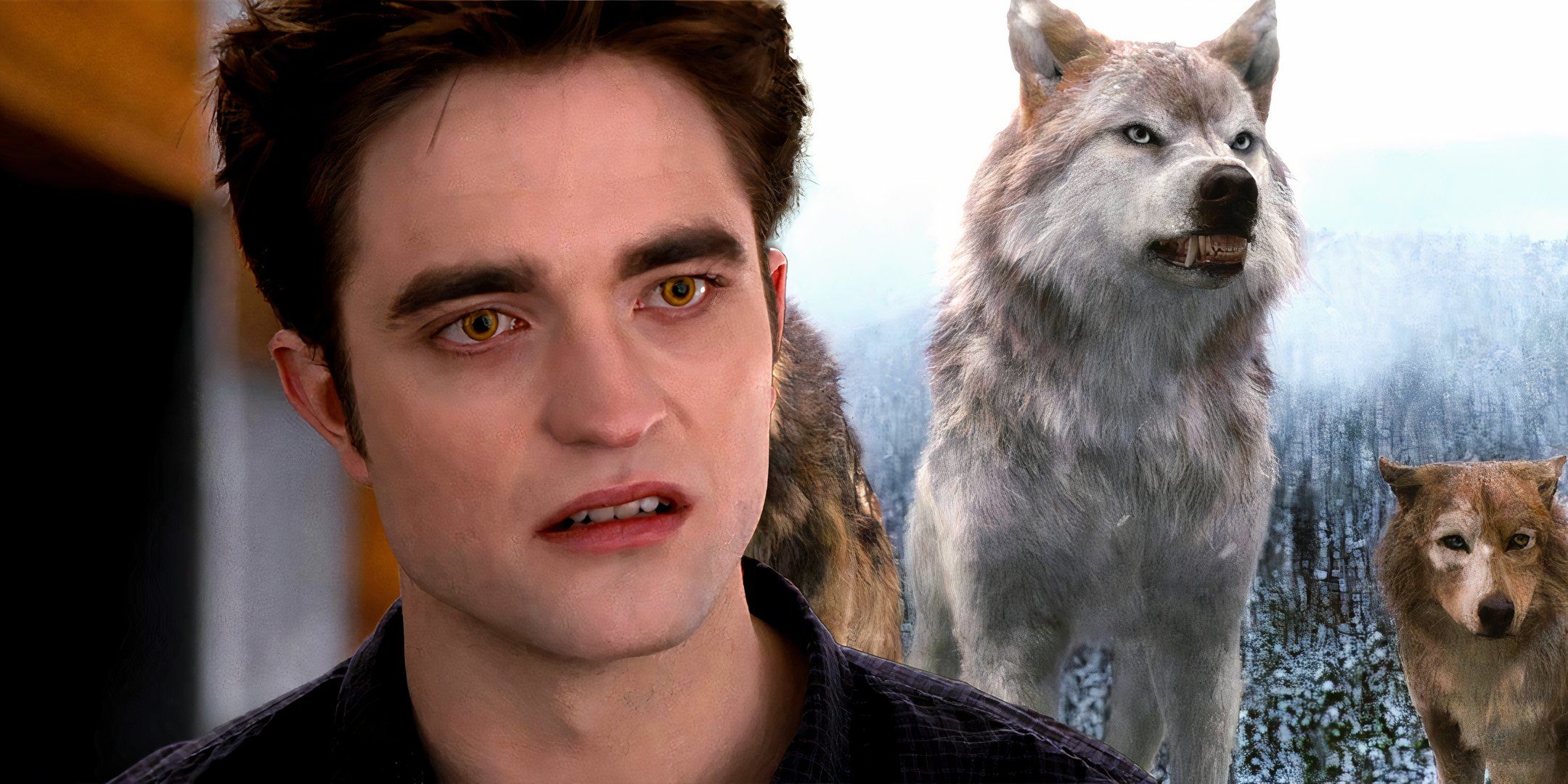
Robert Pattinson’s portrayal of Edward Cullen in the Twilight Saga remains one of the defining cinematic performances of the late 2000s, turning the British actor into a global icon while sparking intense cultural debate. To understand the role fully is to examine how a classically trained Shakespearean actor approached a brooding, 104-year-old vegetarian vampire caught in a high school romance, balancing the inherent camp of the source material with a deeply conflicted, melancholic interpretation that shaped the entire franchise.
Contents
The Origins of Edward Cullen and the Casting Process
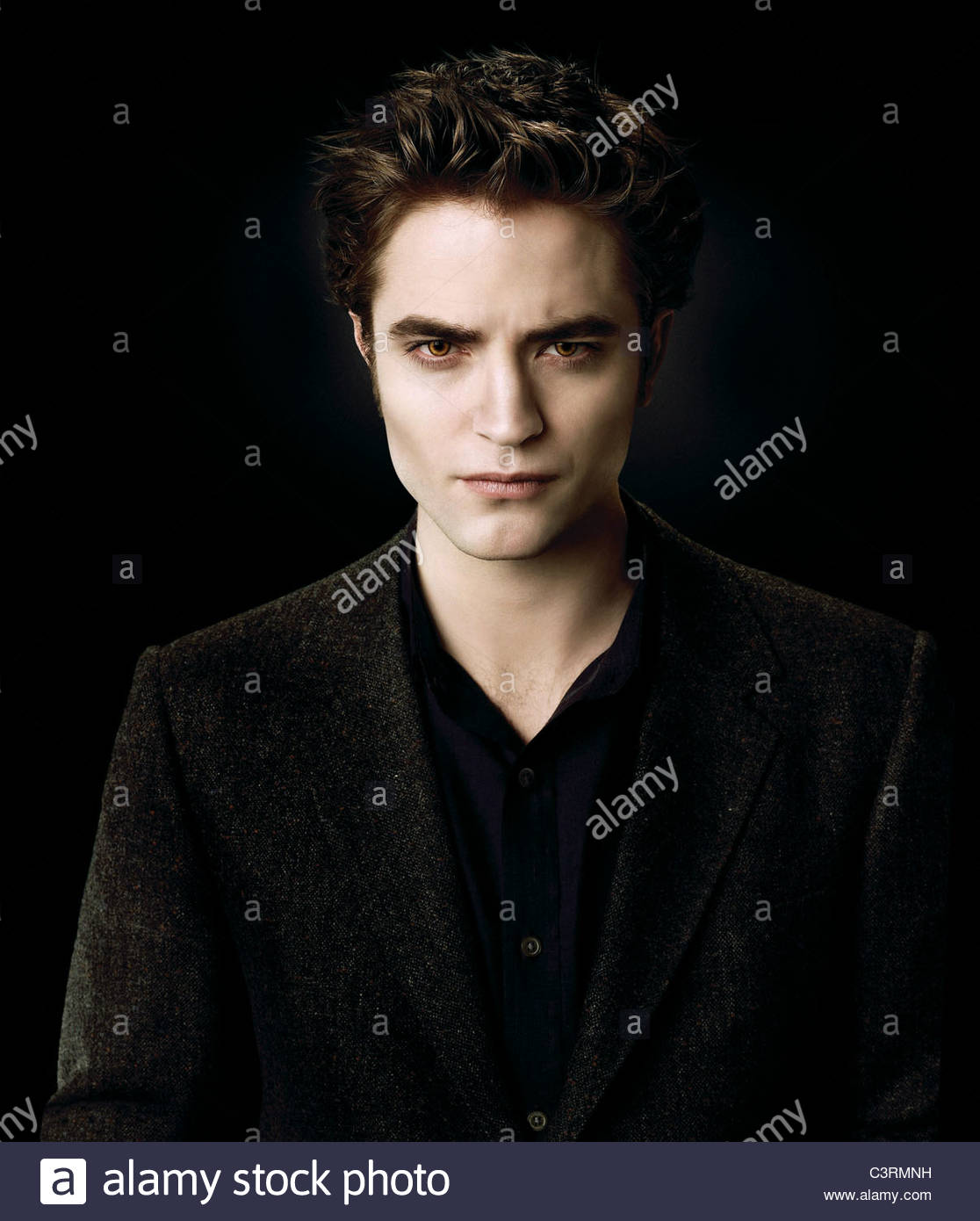
When Summit Entertainment acquired the rights to Stephenie Meyer’s bestselling young adult novel Twilight in 2007, the search for the cinematic Edward Cullen carried immense pressure. The character was described on the page as possessing unearthly beauty, marble skin, amber eyes, and a terrifying yet mesmerizing predatory grace. Thousands of actors auditioned for the role, and fans of the books campaigned heavily for actors like Henry Cavill or Gaspard Ulliel.
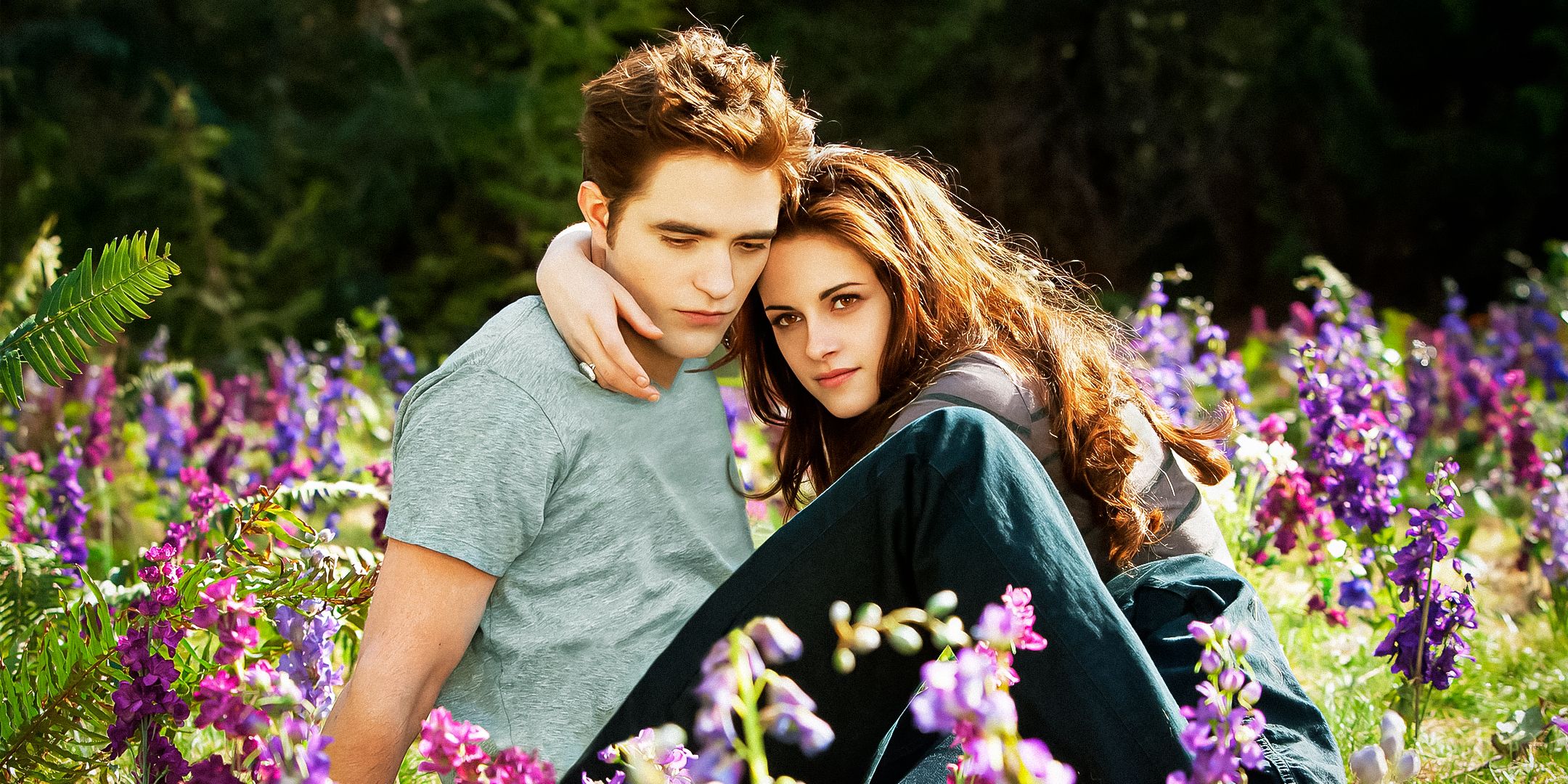
Robert Pattinson, then best known for playing Cedric Diggory in Harry Potter and the Goblet of Fire (2005), came to the audition process with little expectation. Director Catherine Hardwicke wanted an actor who could convey both physical danger and deep intellectual weight—someone who truly looked like an outsider trapped in eternal adolescence. Pattinson auditioned in Hardwicke’s bedroom in Los Angeles alongside Kristen Stewart, who had already been cast as Bella Swan. His brooding intensity, combined with an obvious exhaustion from jet lag and a rebellious disregard for playing the character as a conventional heartthrob, secured him the part.
However, casting Pattinson immediately triggered a backlash from a vocal faction of book purists who felt he did not match their mental image of Edward. This external pressure heavily influenced how Pattinson chose to approach the performance, leading him to lean into the absurdity and existential horror of the premise rather than playing it safe as a standard romantic lead.
The Psychological Profile of Edward Cullen
To unpack Pattinson in Twilight, one must look at the psychological framework he brought to the character. Edward Cullen is not merely a handsome high school boyfriend; he is a apex predator exercising extreme, agonizing self-control. Pattinson famously treated the role not as a romance, but as a psychological thriller.
The Burden of Immortality and Celibacy
Edward has lived since 1918, stopped physically aging at seventeen, and spent decades listening to the murderous thoughts of humans around him before adopting a strict "vegetarian" diet of animal blood. Pattinson emphasized Edward’s deep self-loathing. In his view, Edward views himself as a monster who has lost his soul, making his attraction to Bella Swan not a sweet teenage crush, but a catastrophic addiction.
The Melodrama of Adolescent Angst
Much of the nuance in Pattinson’s performance lies in his handling of Edward's extreme melodrama. Vampire lore in the Twilight universe amplifies emotional intensity. Joy is euphoric, anger is volcanic, and angst is world-ending. Pattinson chose to play this with complete, unironic sincerity. Whether Edward is leaping across treetops, refusing to breathe, or agonizing over the scent of Bella's blood, Pattinson anchors the supernatural theatrics in genuine emotional stakes.
| Film | Primary Narrative Arc for Edward Cullen | Pattinson’s Approach & Tone |
|---|---|---|
| Twilight (2008) | Discovery, resistance, and the terrifying realization of falling in love with a human. | Goth-inspired, erratic, tense, and heavily focused on the danger of his predator nature. |
| The Twilight Saga: New Moon (2009) | Self-imposed exile, clinical depression, and the agonizing decision to leave Bella for her own safety. | Stoic, hollow, profoundly melancholic, reflecting Edward's belief that he is damned. |
| The Twilight Saga: Eclipse (2010) | Tactical alliance with werewolves, jealousy, maturity, and negotiating a formal commitment to Bella. | Protective, pragmatic, diplomatic, displaying a more settled and self-assured restraint. |
| The Twilight Saga: Breaking Dawn – Part 1 & 2 (2011–2012) | Fatherhood, marriage, mortal-to-immortal transformation, and ultimate patriarchal defense. | Evolved, fierce, protective, balancing domestic warmth with terrifying lethal capability. |
The Acting Choices That Defined the Character
Pattinson’s physical and vocal choices as Edward Cullen became iconic, though they frequently baffled critics and studio executives at the time. He refused to go to the gym to build a traditional Hollywood superhero physique, believing that an immortal vampire who does not build muscle should have a more ethereal, slight frame.
Furthermore, Pattinson’s performance is characterized by physical restraint. He often stands with rigid posture, jaw clenched, eyes narrowed against the temptation of scent. His vocal delivery shifts between clipped, formal Victorian cadence—reflecting the era in which he was turned—and sudden bursts of animalistic panic. These distinct choices helped differentiate the Cullens from traditional cinematic vampires who revel entirely in bloodlust.
Cultural Impact and Industry Repositioning
The cultural footprint of Twilight is massive, and Pattinson’s role as Edward Cullen made him a household name overnight, launching him into an era of intense tabloid scrutiny alongside co-star Kristen Stewart. For years, the actor was pigeonholed by mainstream audiences as a teen idol, a label he actively subverted in subsequent years.
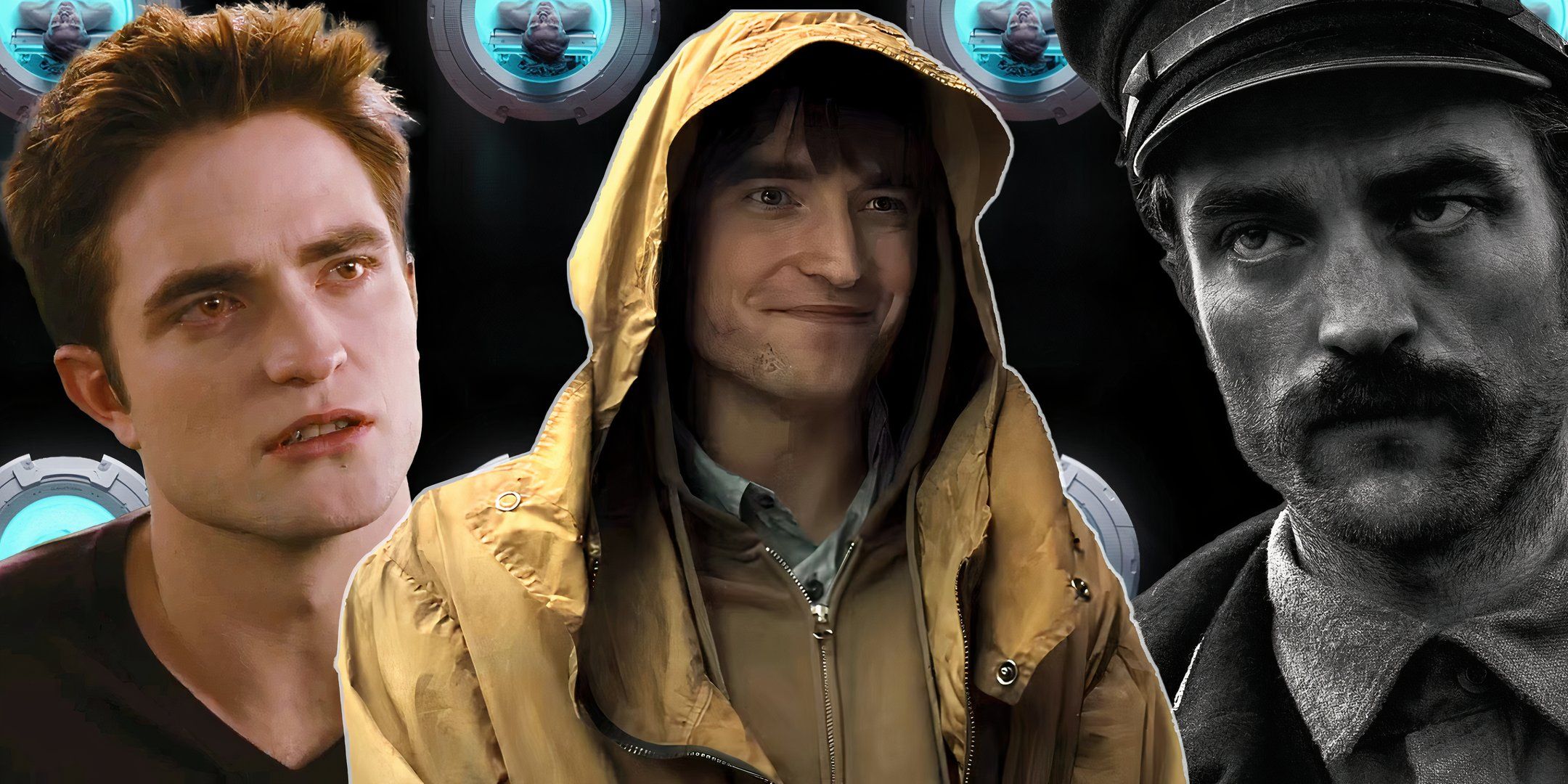
Post-Twilight, Pattinson deliberately pivoted toward independent, auteur-driven cinema. His choices in films like Cosmopolis (2012), Good Time (2017), The Lighthouse (2019), and Tenet (2020) demonstrated the range and raw intensity that directors initially saw in him during the 2007 Twilight auditions. Ironically, the hyper-fixation he experienced during the Twilight years laid the financial and professional foundation that allowed him to curate one of the most daring career trajectories in modern Hollywood, eventually leading to his casting as Batman in 2022.
Frequently Asked Questions
Did Robert Pattinson like playing Edward Cullen?
Pattinson’s relationship with the role is famously complex. While he has expressed gratitude for the career opportunities and financial security the franchise provided, he has also made numerous humorous remarks in interviews about the absurdity of Edward’s dialogue and the suffocating nature of the global fandom during the height of the films' releases. He approached the character with artistic seriousness while maintaining a self-aware sense of humor about the films' melodrama.
Why did Robert Pattinson almost get fired from Twilight?
During the filming of the first movie, studio executives at Summit Entertainment were concerned that Pattinson was playing Edward too seriously and too brooding. They wanted a more conventional, smiling romantic hero. Director Catherine Hardwicke had to fiercely defend Pattinson’s choices, and the actor was nearly replaced before studio heads realized that his intense, awkward interpretation was precisely what resonated with the target audience.
How old is Edward Cullen supposed to be?
Physically, Edward Cullen is frozen at seventeen years old. Chronologically, he was born in Chicago in 1901 and was transformed into a vampire by Dr. Carlisle Cullen during the Spanish influenza pandemic in 1918, making him 104 years old during the events of the first book and film.
Did Robert Pattinson do his own stunts in Twilight?
Pattinson performed many of his own wire-work and grounded physical stunts, particularly the athletic tree-climbing and fight sequences. However, due to safety guidelines and the complex supernatural choreography required for vampire speed and strength, professional stunt doubles were utilized for high-velocity leaps and dangerous impacts.
Conclusion and Next Actions
Understanding Robert Pattinson in Twilight requires looking past the pop-culture phenomenon and examining a masterclass in committed character-building within commercial cinema. By injecting genuine psychological dread and existential weight into a young adult fantasy, Pattinson elevated the material far beyond standard genre tropes. For film students and fans revisiting the saga, examining Edward Cullen's performance offers a fascinating study in how an actor can subvert expectations from within a massive studio blockbuster. To explore this further, review the original Stephenie Meyer novels alongside Catherine Hardwicke’s director's commentary to see how page-to-screen translation shaped the definitive modern vampire archetype.
Image Gallery