How the Days of Our Lives Cast Ages Shape the Show
The demographic configuration and strategic aging of characters on Days of Our Lives drive its enduring narrative structure, balancing legacy family legacies with contemporary drama. By deliberately managing character ages, rapid aging...
The demographic configuration and strategic aging of characters on Days of Our Lives drive its enduring narrative structure, balancing legacy family legacies with contemporary drama. By deliberately managing character ages, rapid aging processes, and multi-generational casting, the series maintains long-term continuity while continually refreshing its dramatic conflicts.
Contents
The Structural Importance of Multi-Generational Storytelling
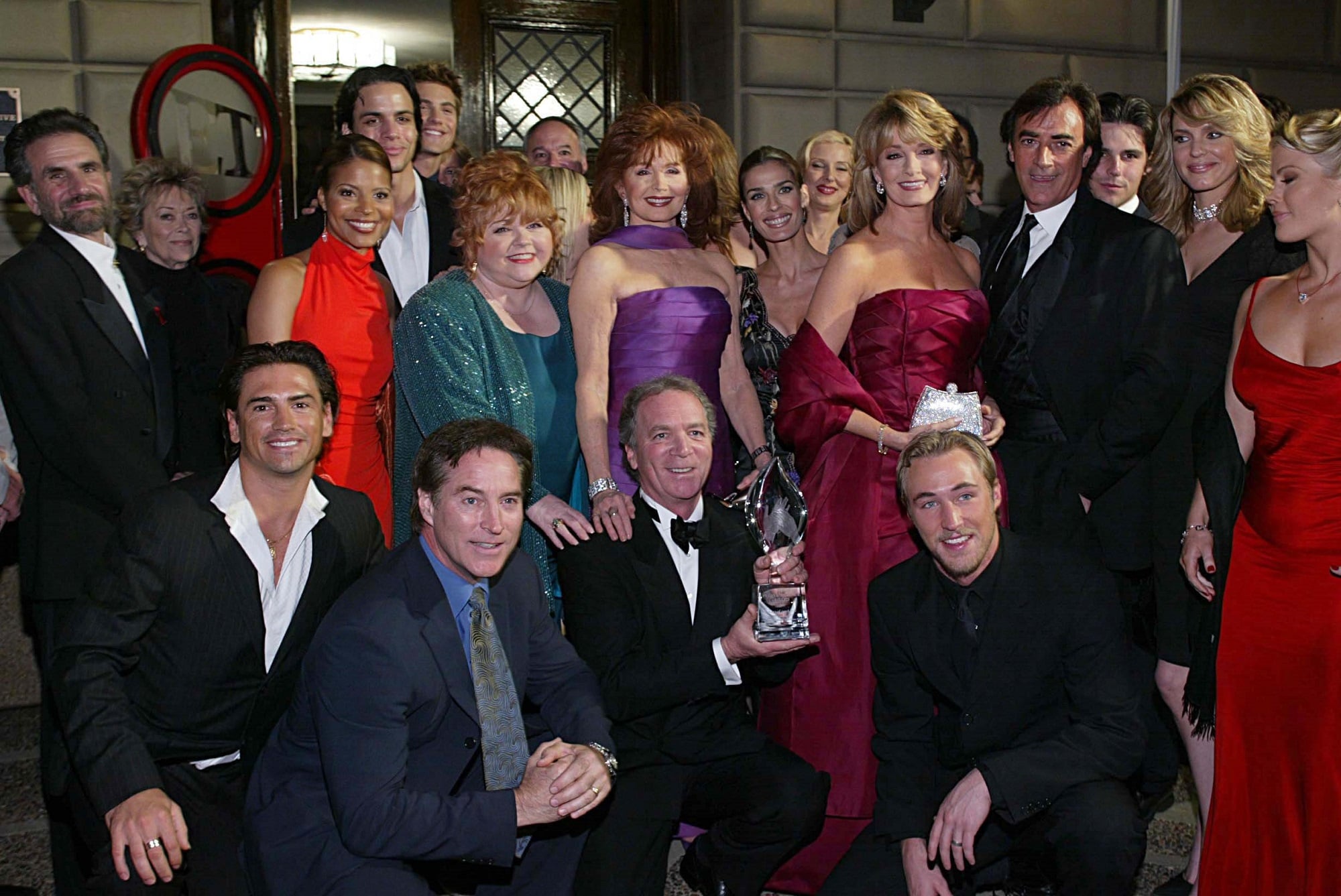
Daytime soap operas depend on a continuous rotation of characters to survive decades on television. Days of Our Lives, set in the fictional Midwestern town of Salem, utilizes a multi-generational framework anchored by core families like the Bradys, Hortons, and DiEras. The age distribution of the cast is not merely a byproduct of casting decisions; it is an active narrative engine.
When writers distribute screen time across different age brackets—ranging from college-aged students to seasoned patriarchs and matriarchs—they capture distinct audience segments. Younger characters introduce themes of romance, identity formation, and peer conflict, while middle-aged and senior characters handle high-stakes corporate espionage, complex medical crises, and deep-seated family vendettas. This structural balance ensures that the show avoids narrative stagnation. If a romance between younger characters concludes, the veteran storylines involving mature actors provide an immediate thematic anchor, preserving the show's dramatic momentum.
Furthermore, the longevity of these core families creates an emotional inheritance for newer cast members. When a young adult character makes a consequential mistake in Salem, the dramatic weight of the scene relies heavily on the audience remembering how their parents or grandparents navigated similar crises decades prior. The cast ages thus serve as a living archive of the show's history.
Rapid Aging and Soap Opera Time
One of the most distinctive conventions in daytime television, and certainly within Days of Our Lives, is the phenomenon of rapid aging—often referred to colloquially as "soap opera rapid aging syndrome" (SORAS). This narrative device involves infants or young children aging rapidly into teenagers or young adults over the span of a few production years, bypassing the awkward developmental stages that would otherwise stall romance and career-oriented plots.
The Mechanics of SORAS in Salem
SORAS functions as an essential utility for writers who need to inject fresh blood into the canvas without waiting two decades for an infant character to grow up. For instance, children born to major supercouples are frequently sent away to boarding school as toddlers and returned a few years later as rebellious teenagers or ambitious college students ready to enter the local dating pool.
This mechanism shapes the show in several specific ways:
- Immediate Plot Injection: Instantly converts background family members into active romantic and professional agents.
- Legacy Continuity: Keeps classic surnames active by populating Salem with new generations of Hortons, Bradys, and DiEras who can immediately engage in rivalries with established families.
- Audience Re-engagement: Appeals to viewers who enjoy watching fresh young talent tackle high-intensity dramatic storylines.
While SORAS occasionally stretches viewer suspension of disbelief, it remains a mathematically necessary tool for long-running serials. Without it, the character ecosystem would age out of traditional romantic plots, severely limiting the types of stories the production team could tell.
Balancing Legacy Actors and Rising Talent
The operational dynamics of Days of Our Lives rely heavily on a symbiotic relationship between veteran actors and newer, younger cast members. This dynamic directly influences production schedules, contract negotiations, and the overall tone of the broadcast.
The Anchor Role of Legacy Performers
Legacy actors—those who have portrayed iconic characters for twenty, thirty, or forty years—act as the emotional anchor of Salem. Their presence reassures long-term viewers that the core identity of the show remains intact, even as writing teams shift. These actors typically carry the weight of major emotional reveals, historical flashbacks, and high-drama confrontations. Their experience allows production to maintain a swift shooting schedule, as seasoned performers often require fewer takes for complex, dialogue-heavy scenes.
The Introduction of Fresh Cast Members
Conversely, younger cast members introduce contemporary energy, social media engagement, and pathways for modern storytelling trends. Casting directors scout performers who can handle daily episodic output while building immediate chemistry with established co-stars.
| Cast Generation | Primary Narrative Function | Typical Storyline Archetypes | Production Impact |
|---|---|---|---|
| Legacy Veterans | Emotional grounding, institutional memory | Corporate power struggles, long-term romance, medical crises | Provides stability, rapid scene execution, fan retention |
| Middle Generation | Career and family conflict bridge | Marital infidelity, sibling rivalries, professional ethics | Connects older and younger arcs, drives daily drama |
| Young Adults (SORAS) | Romantic exploration, rebellion | College dynamics, first loves, identity crises | Attracts demographic diversity, renews character roster |
Narrative Impact of Retirement, Recasting, and Aging Out
As actors age alongside their characters, Days of Our Lives must navigate natural human milestones—including retirement, health changes, and departures—which fundamentally alter how the show approaches its casting strategies.
When a beloved veteran actor steps away from the canvas, the writers face a distinct choice: recast the role or write the character out. Recasting an iconic role in a long-running soap opera is notoriously difficult, as audiences form deep attachments to specific performers. However, maintaining a multi-generational structure requires certain legacy roles to remain active to validate the presence of younger family members. For example, ensuring that a parental figure is present for a major wedding or crisis anchors the younger characters in a recognizable familial context.
Moreover, the physical aging of actors forces writers to adapt storylines to reflect real-world timelines. Rather than hiding the passage of time, the series frequently incorporates the natural aging of its cast into the narrative, shifting focus from high-intensity romantic pursuits to complex family dynamics, mentorship, and legacy preservation. This adaptability prevents the show from feeling disconnected from reality, even within its melodramatic framing.
Frequently Asked Questions
What is SORAS on Days of Our Lives?
SORAS stands for "Soap Opera Rapid Aging Syndrome." It is a narrative convention used to age child characters rapidly into teenagers or adults so they can participate in mature storylines, romances, and professional conflicts without a multi-decade wait.
Why do soap operas frequently recast established characters?
Recasting allows a show to maintain crucial family ties and ongoing storylines when an actor chooses to leave. Because multi-generational shows rely on established lineages, bringing in a new actor for an existing role keeps legacy plots moving forward.
How do older cast members influence the show's tone?
Veteran actors provide emotional stability and historical continuity. Their presence grounds sensational plots in established character history, giving newer, younger storylines greater dramatic weight and resonance.
Does Days of Our Lives follow real-world aging for its characters?
Generally, no. While natural aging does occur for actors over long tenures, the timeline in Salem is flexible. Characters can age rapidly through narrative jumps or slow down depending on the demands of current storylines.
How does the cast age distribution affect viewer retention?
A diverse age spread ensures that multiple demographics find relatable characters on screen. Younger actors attract viewers interested in contemporary romance and campus drama, while older actors retain longtime fans invested in legacy conflicts.
Strategic Next Actions for Viewers and Analysts
To fully appreciate how character demographics influence the narrative trajectory of Days of Our Lives, viewers and media analysts should examine how current writing arcs distribute screen time across generation lines. Tracking the introduction of new SORAS characters against the retirement or reduced presence of legacy actors reveals the strategic calculus behind Salem's evolving population. When evaluating a major storyline, look past the immediate romantic pairing and observe which family lineage is driving the conflict; this historical context almost always explains the true stakes of the drama.
Image Gallery