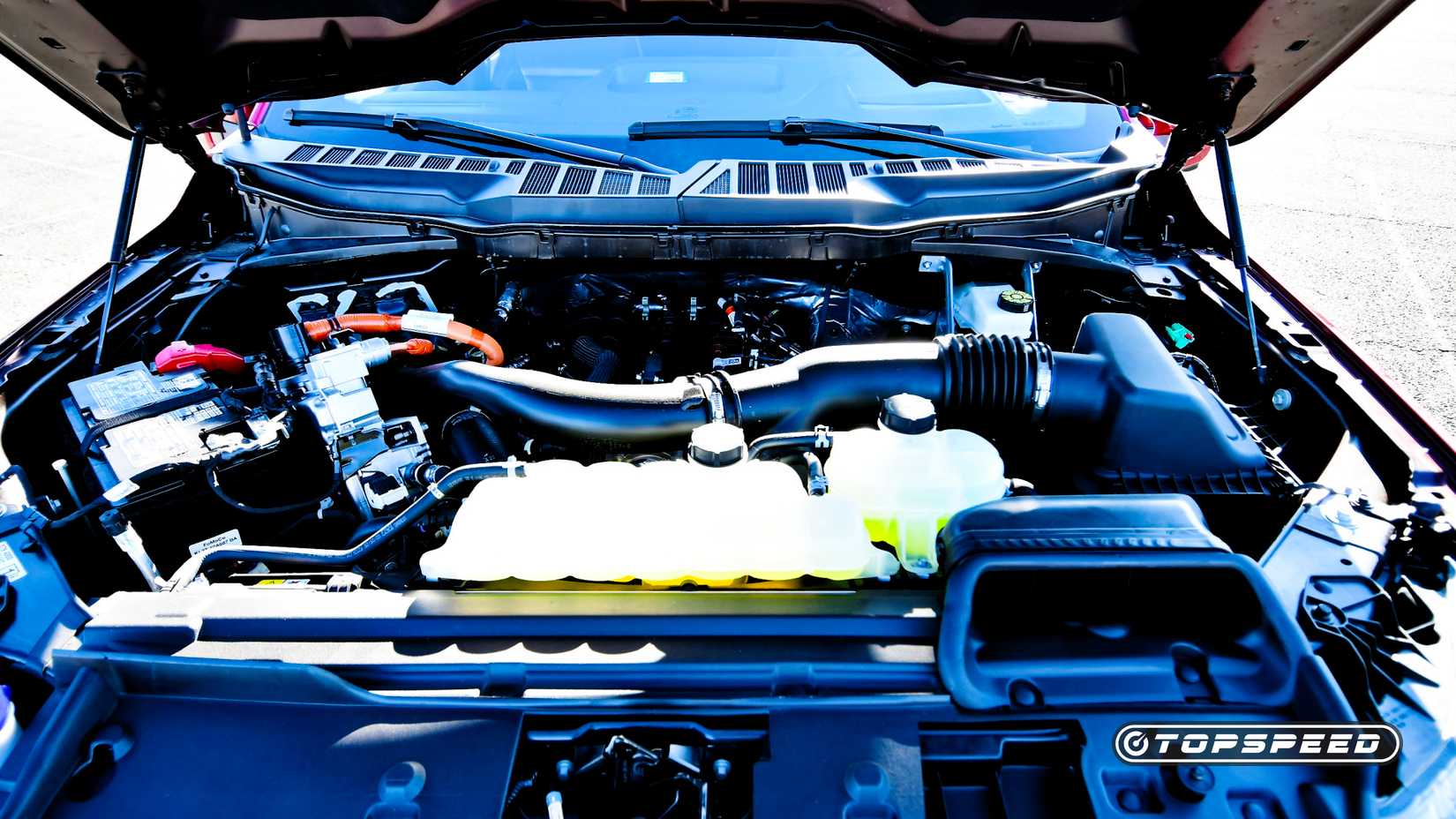
Navigating the 2015 Ford F-150 Engines for the Modern Driver
The 2015 Ford F-150 introduced a revolutionary aluminum-bodied architecture paired with four distinct engine options—ranging from a high-efficiency EcoBoost V6 to a traditional V8—each offering unique trade-offs in capability, fuel eco...
The 2015 Ford F-150 introduced a revolutionary aluminum-bodied architecture paired with four distinct engine options—ranging from a high-efficiency EcoBoost V6 to a traditional V8—each offering unique trade-offs in capability, fuel economy, and long-term maintenance requirements for today's truck owners.
Contents
Evaluating the 2015 Ford F-150 lineup requires a clear understanding of how these powertrains perform under modern driving demands. When Ford redesigned its flagship light-duty pickup for the 2015 model year, it dropped the older 3.7-liter V6 and 4.6-liter V8 engines, replacing them with a modernized roster. This generation relies heavily on forced induction, direct injection, and significant weight reduction—roughly 700 pounds lighter than its steel predecessor—to redefine light-duty truck capabilities. For drivers navigating daily commuting, towing heavy recreational trailers, or managing commercial payloads, selecting the right engine means balancing fuel efficiency, upfront acquisition costs, and ongoing mechanical reliability.
The Evolution of the 2015 Ford F-150 Powertrain Lineup
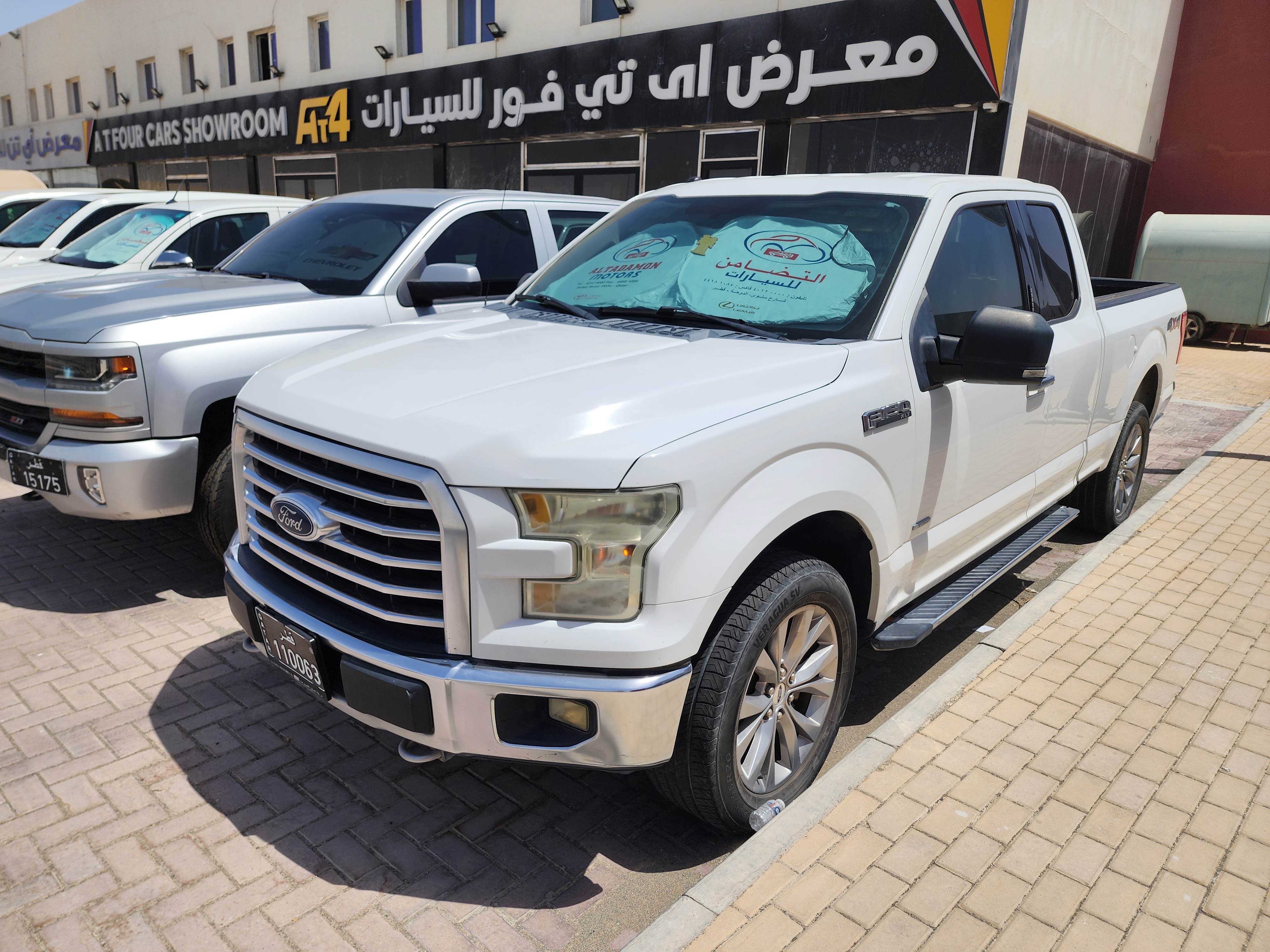
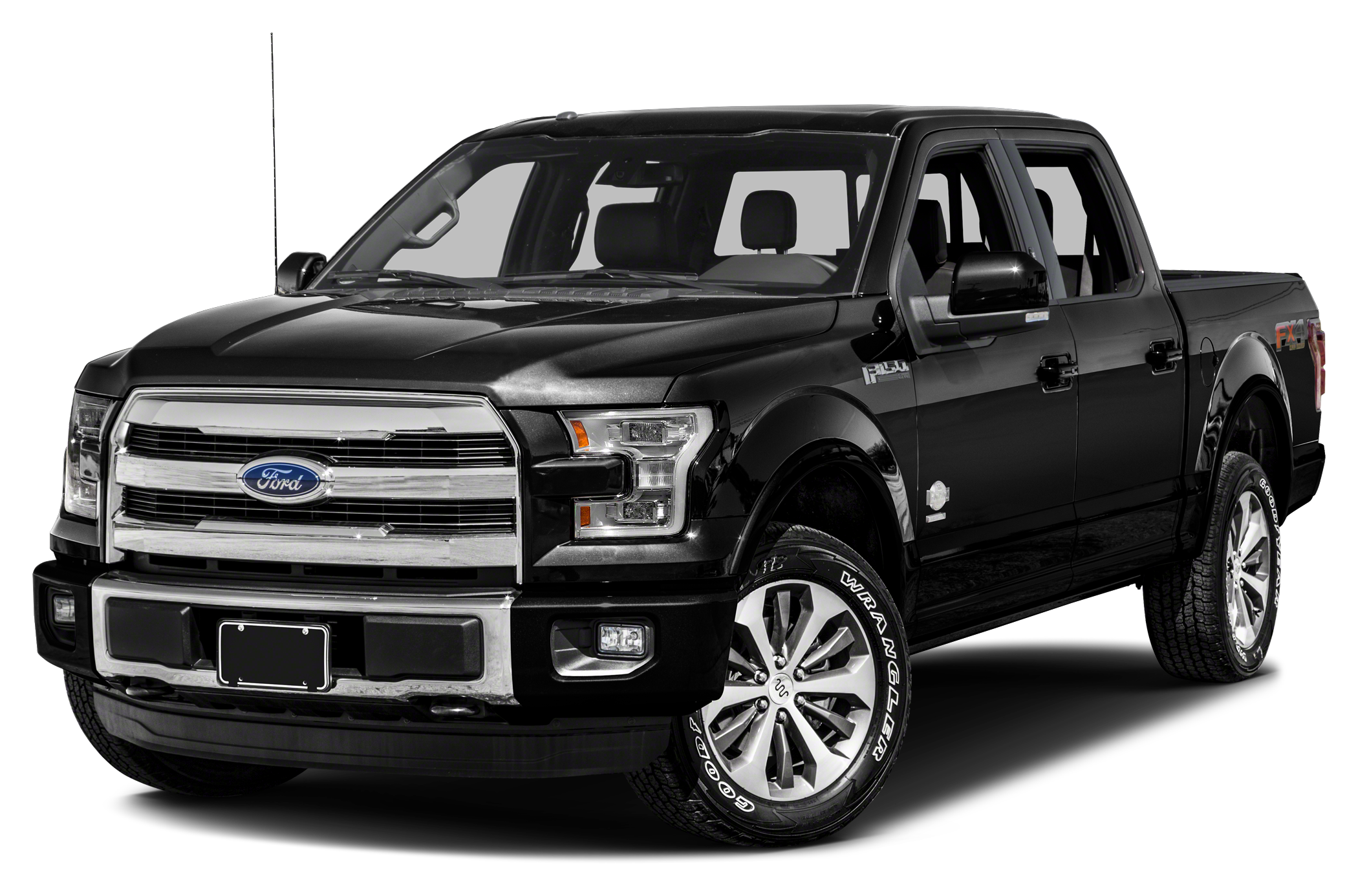
The 2015 model year marked a pivotal turning point for the Ford F-150. By introducing a high-strength, military-grade, aluminum-alloy body on a high-strength steel frame, Ford dramatically altered the power-to-weight ratio of its trucks. This structural shift allowed smaller displacement engines to perform tasks previously reserved for larger, thirstier powerplants.
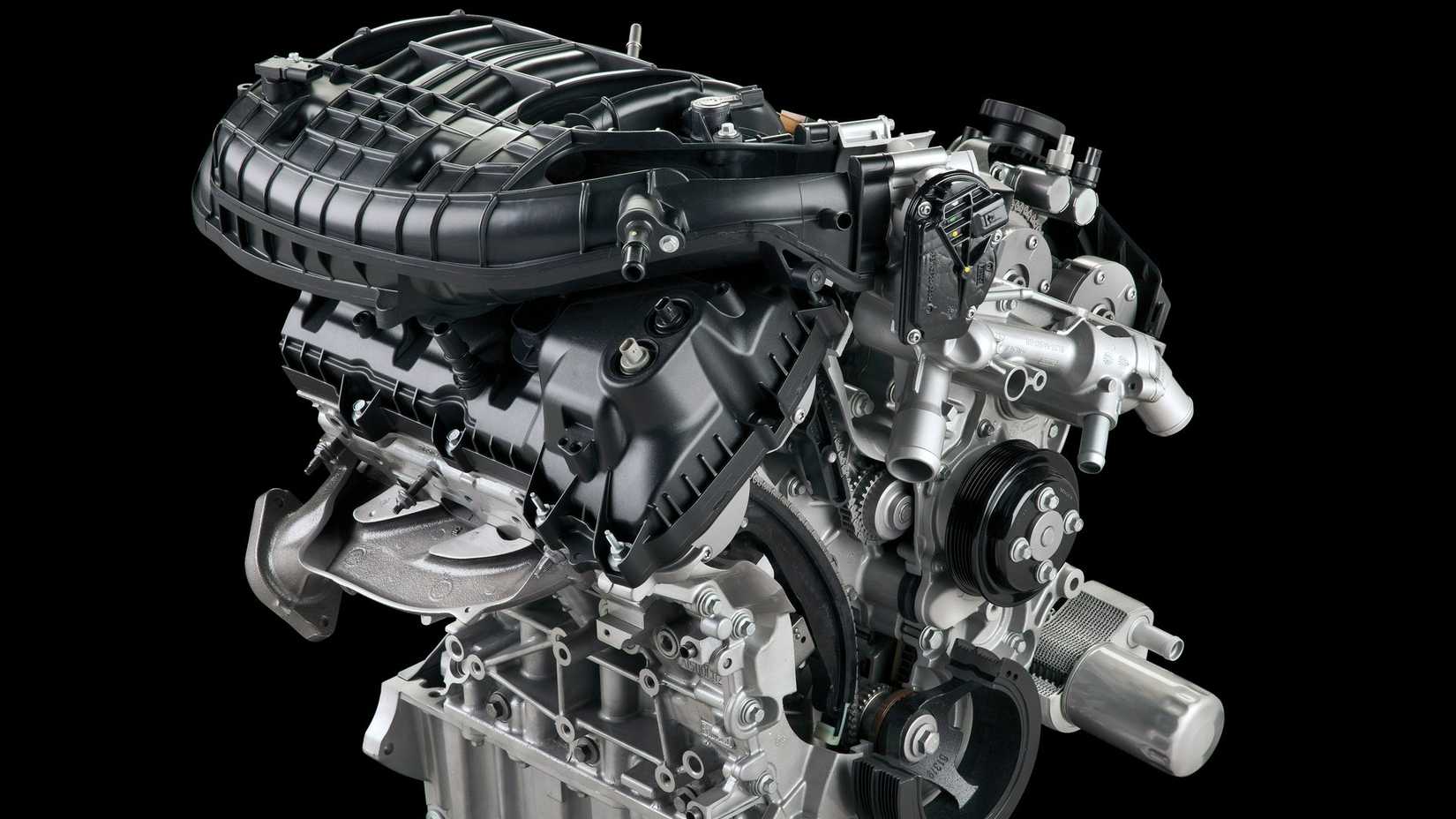
The powertrain strategy for 2015 centered on offering a solution for every type of driver. Fleet operators needed low entry costs and high durability; weekend warriors required moderate towing capacity without sacrificing daily drivability; and heavy-haul enthusiasts demanded maximum torque at low RPMs. Understanding how these four engines—the 3.5L Ti-VCT V6, the 2.7L EcoBoost V6, the 3.5L EcoBoost V6, and the 5.0L Ti-VCT V8—operate is essential for anyone evaluating a used model or maintaining an existing fleet.
Detailed Breakdown of the Four Engine Options
1. 3.5-Liter Ti-VCT V6 (Base Engine)
- Horsepower: 283 hp at 6,500 RPM
- Torque: 255 lb-ft at 4,000 RPM
- Primary Target: Fleet vehicles, light utility, and budget-conscious buyers.
The 3.5-liter Twin Independent Variable Camshaft Timing (Ti-VCT) V6 served as the base engine for the 2015 F-150. While it shares a displacement figure with the high-end EcoBoost, this is a naturally aspirated powerplant designed for simplicity and lower production costs.
For the modern driver handling light commuting, occasional home-improvement runs, and minimal towing, this engine provides adequate performance. Its lack of turbochargers means fewer complex components to service over time, making it a favorite for commercial fleets prioritizing uptime and straightforward maintenance schedules. However, its lower torque output relative to the EcoBoost and V8 options means it struggles under heavy loads or steep highway inclines, resulting in higher RPM operation and reduced fuel economy when pushed.
2. 2.7-Liter EcoBoost V6 (The Efficiency and Turbo Pioneer)
- Horsepower: 325 hp at 5,750 RPM
- Torque: 375 lb-ft at 3,000 RPM
- Primary Target: Daily commuters, light-to-medium towers, and fuel-conscious truck owners.
The 2.7-liter EcoBoost V6 was an engineering marvel for its time, utilizing a compacted graphite iron (CGI) engine block—the same material used in Ford's 6.7-liter Power Stroke diesel heavy-duty engines—mated to twin turbochargers.
This engine punches well above its weight class. Delivering 375 lb-ft of torque at a low 3,000 RPM, it provides swift acceleration from a dead stop, making it ideal for navigating urban environments and highway merging. For the modern driver who uses their truck as a daily driver but still needs to tow utility trailers, boats, or mid-size campers, the 2.7L EcoBoost strikes an impressive balance between fuel economy and usable power. Maintenance requires strict adherence to oil change intervals using full synthetic oil to protect the turbocharger bearings from coking.
3. 3.5-Liter EcoBoost V6 (The Heavy-Duty Workhorse)
- Horsepower: 365 hp at 5,000 RPM
- Torque: 420 lb-ft at 2,500 RPM
- Primary Target: Heavy towers, high-altitude drivers, and payload-heavy operators.
For drivers needing maximum capability without stepping up to a Super Duty truck, the first-generation 3.5-liter EcoBoost V6 delivers immense low-end grunt. Pumping out 420 lb-ft of torque at just 2,500 RPM, this engine reaches its peak twisting power early in the rev range, reducing the need to downshift on steep grades.
Because turbochargers force air into the cylinders, the 3.5L EcoBoost does not suffer from the power loss at high altitudes that naturally aspirated engines experience. This makes it exceptionally popular among drivers in mountainous regions or those towing large travel trailers and equipment. Potential buyers should inspect the timing chain assemblies and coolant lines, as early EcoBoost models require proactive preventative maintenance to ensure long-term durability.
4. 5.0-Liter Ti-VCT V8 (The Traditionalist's Choice)
- Horsepower: 385 hp at 5,750 RPM
- Torque: 387 lb-ft at 3,850 RPM
- Primary Target: Traditional truck buyers, heavy payload haulers, and aftermarket enthusiasts.
The 5.0-liter "Coyote" V8 is the only traditional large-displacement V8 option in the 2015 lineup. Renowned for its distinctive exhaust note and linear power delivery, it appeals directly to drivers who prefer traditional throttle response over forced induction.
With 385 horsepower and 387 lb-ft of torque, the 5.0L V8 excels at carrying heavy bed payloads and sustained high-speed highway driving. Its simple naturally aspirated design makes it a favorite for mechanics and DIY enthusiasts who prefer working on non-turbocharged engine bays. While its fuel economy trails the EcoBoost variants in stop-and-go city driving, its durability under sustained heavy loads remains a cornerstone of its reputation.
Comparative Specifications Matrix
| Engine Option | Configuration | Horsepower | Torque | Max Towing Capacity | Best Suited For |
|---|---|---|---|---|---|
| 3.5L Ti-VCT V6 | Naturally Aspirated V6 | 283 hp | 255 lb-ft | Up to 7,600 lbs | Fleet use, light daily driving, budget focus |
| 2.7L EcoBoost V6 | Twin-Turbocharged V6 | 325 hp | 375 lb-ft | Up to 8,500 lbs | Daily commuting, fuel economy, moderate towing |
| 3.5L EcoBoost V6 | Twin-Turbocharged V6 | 365 hp | 420 lb-ft | Up to 12,200 lbs | Heavy towing, high-altitude driving, maximum power |
| 5.0L Ti-VCT V8 | Naturally Aspirated V8 | 385 hp | 387 lb-ft | Up to 11,100 lbs | Heavy payloads, traditional V8 performance, sound |
Practical Considerations for the Modern Driver
Selecting a 2015 Ford F-150 engine requires examining how your daily driving habits align with mechanical capabilities. Modern driving routines often involve a mix of bumper-to-bumper urban commuting, highway cruising, and weekend utility tasks.
Fuel Economy vs. Capability
While the aluminum body reduced overall vehicle weight, aerodynamics and drivetrain friction still dictate real-world fuel economy. The 2.7L EcoBoost consistently delivers the best fuel economy numbers in mixed driving conditions, often hovering in the high teens to low twenties depending on axle ratios. Conversely, the 3.5L Ti-VCT base V6 can sometimes yield disappointing real-world fuel economy when forced to work hard to move the truck's mass up inclines. The 3.5L EcoBoost and 5.0L V8 offer competitive power, but fuel consumption increases significantly when towing near their maximum capacities.
Maintenance and Long-Term Reliability
Each engine platform carries specific maintenance requirements that modern vehicle owners must budget for:
- Turbocharged Engines (2.7L and 3.5L EcoBoost): Require high-quality synthetic oils changed at tighter intervals (every 5,000 to 7,500 miles) to prevent oil sludge accumulation in turbo feed lines. Spark plug gaps should be monitored closely, as boosted engines are sensitive to worn plugs.
- Naturally Aspirated Engines (3.5L V6 and 5.0L V8): Generally more forgiving of extended maintenance intervals, though the 5.0L V8 is known to consume minor amounts of engine oil over time, requiring routine fluid level checks between oil changes.
Common Mechanical Issues and Troubleshooting
When evaluating or maintaining a 2015 F-150 engine, several known issues warrant careful inspection:
- EcoBoost Intercooler Condensation: Early EcoBoost engines could collect moisture in the charge air cooler under high humidity and specific driving conditions, leading to a misfire upon sudden acceleration. Ford released updated charge air coolers and software calibrations to resolve this.
- Timing Chain Stretch: High-mileage 3.5L EcoBoost engines from this era can experience timing chain wear. Listening for a metallic rattle upon cold startup is a standard diagnostic step during a pre-purchase inspection.
- Coolant Leaks: Plastic quick-disconnect fittings on coolant lines near the turbos and water pumps can become brittle with heat cycles, leading to minor coolant loss that should be addressed immediately to prevent overheating.
Frequently Asked Questions
Which 2015 Ford F-150 engine is the most reliable?
The 5.0-liter V8 and the 3.5-liter naturally aspirated V6 generally require less complex maintenance due to the absence of turbochargers and intercoolers. However, proper maintenance history outweighs inherent design differences when purchasing a used vehicle.
Can the 2.7L EcoBoost handle heavy towing?
Yes, the 2.7L EcoBoost is rated to tow up to 8,500 pounds when properly equipped. It handles small-to-medium utility trailers, boats, and light campers with ease, though the 3.5L EcoBoost or 5.0L V8 is recommended for frequent heavy-duty towing exceeding 9,000 pounds.
What fuel octane is recommended for the EcoBoost engines?
While the EcoBoost engines can run on standard 87-octane regular unleaded fuel due to knock sensors adjusting timing automatically, Ford recommends using 93-octane premium fuel when towing heavy loads or operating in extreme ambient temperatures to achieve maximum horsepower and torque ratings.
Do 2015 Ford F-150 engines suffer from oil consumption issues?
The 5.0-liter V8 engine is known to occasionally consume minor amounts of oil between changes, which is considered within normal operational parameters by manufacturers, but owners should check their oil levels monthly.
How does the aluminum body affect engine performance?
The aluminum body reduced the truck's overall weight by approximately 700 pounds compared to the 2014 models. This weight reduction allows smaller engines like the 2.7L EcoBoost and the base 3.5L V6 to accelerate more efficiently without straining the drivetrain.
Final Recommendation
For the modern driver seeking an optimal blend of daily drivability, fuel efficiency, and towing capability, the 2.7-liter EcoBoost V6 provides the most versatile performance profile for everyday use. If your primary objective is heavy-duty towing and frequent hauling in mountainous terrain, prioritize the 3.5-liter EcoBoost V6. For buyers valuing mechanical simplicity and traditional V8 characteristics, the 5.0-liter V8 remains a dependable, robust choice. Always verify service records, inspect coolant and oil lines, and conduct a professional pre-purchase mechanical evaluation before finalizing any used truck acquisition.
Image Gallery