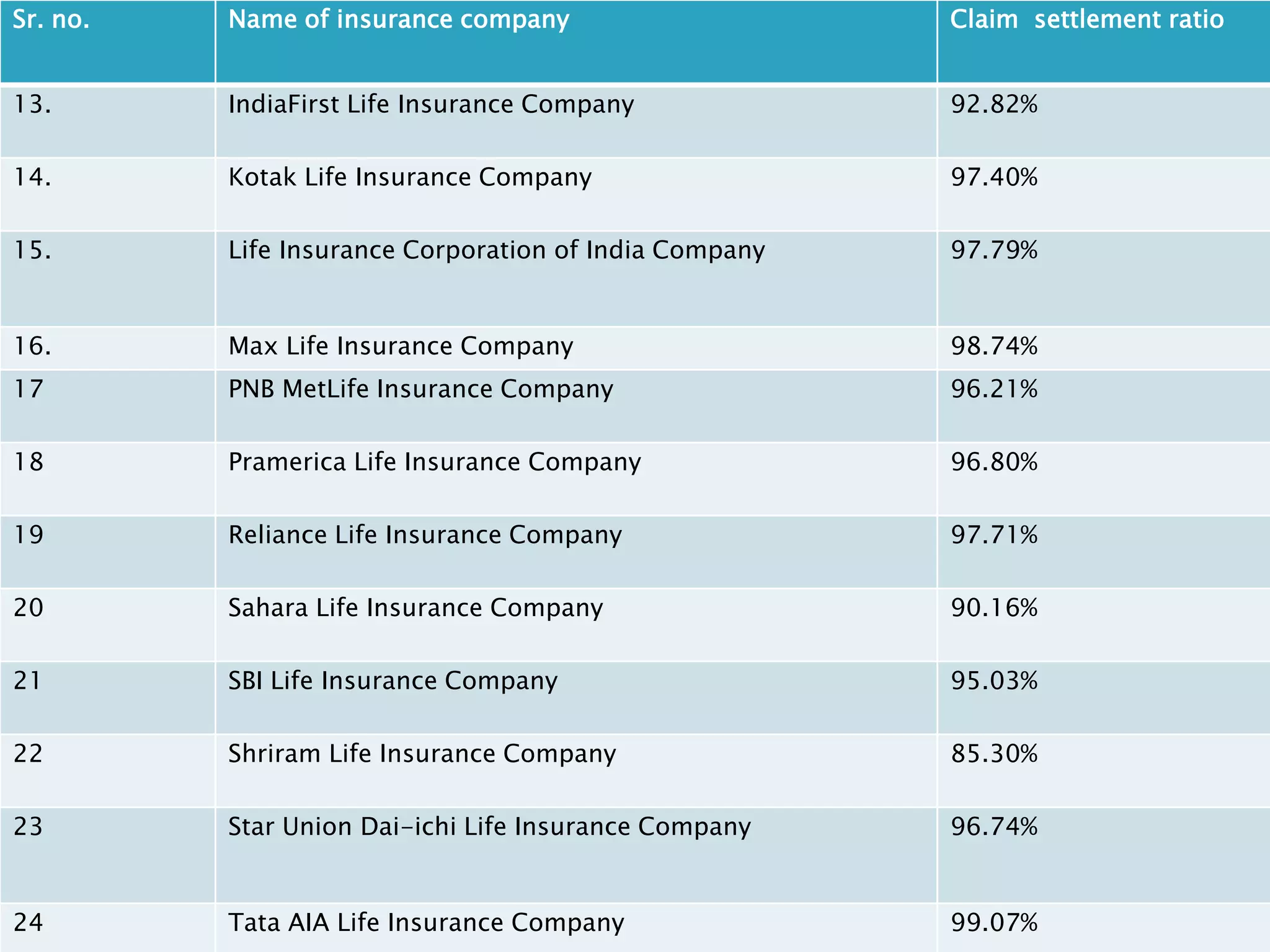
Top 24 Life Insurance Companies by Premium: Market Share and Financial Scale
Analyzing the top 24 life insurance companies by premium volume reveals the largest carriers shaping the financial security market through statutory direct premiums written, capitalization strength, and long-term asset management. Eval...
Analyzing the top 24 life insurance companies by premium volume reveals the largest carriers shaping the financial security market through statutory direct premiums written, capitalization strength, and long-term asset management. Evaluating these industry giants helps consumers, researchers, and financial professionals understand market concentration, risk distribution, and corporate scale across individual and group life portfolios.
Contents
Evaluating the largest life insurance providers requires examining statutory financial reports, market share data published by industry authorities like the National Association of Insurance Commissioners (NAIC), and ratings from independent agencies such as AM Best. Premium volume serves as a primary indicator of market presence, reflecting how much capital consumers and corporate plan sponsors entrust to a particular carrier for death benefits, annuities, and supplemental coverage. While size does not automatically equate to the best policy for an individual consumer, understanding the dominant players provides essential context regarding industry stability, product innovation, and financial solvency.
Understanding Life Insurance Premium Metrics and Market Concentration
Life insurance premium volume represents the total aggregate amount policyholders pay to carriers in exchange for coverage protection and cash-value accumulation features. In regulatory reporting, analysts look at direct premiums written (DPW)—which measures the total premiums collected before accounting for reinsurance—and net premiums written, which accounts for risk transferred to reinsurance partners.
The United States life and annuity marketplace exhibits a notable concentration among a top tier of mutual companies and publicly traded stock corporations. Scale brings distinct advantages, including diversified risk pools, lower operational costs relative to total revenue, and the ability to invest massive portfolios in high-yield corporate bonds, commercial real estate, and infrastructure projects. However, market concentration also means that regulatory scrutiny focuses heavily on systemic stability, reserve requirements, and policyholder protection funds managed by state guarantee associations.
Financial Strength Ratings and Solvency Frameworks
When analyzing top-tier insurance carriers, premium volume alone tells only part of the story. Financial strength ratings assigned by agencies such as AM Best, Standard & Poor's, Moody's, and Fitch Ratings provide critical insight into an insurer's ability to meet long-term contractual obligations to policyholders.
These agencies evaluate multiple quantitative and qualitative metrics, including:
- Risk-Based Capital (RBC) Ratios: A statutory measure comparing an insurer's total adjusted capital to its calculated risk profile, ensuring carriers maintain a regulatory cushion against unexpected economic shocks.
- Asset Quality: The diversification, default risk, and liquidity profile of the carrier's investment portfolio, which must generate reliable returns to fund long-term liabilities like whole life and universal life guarantees.
- Reserve Adequacy: The mathematical reserves set aside to ensure future death claims can be paid, particularly for long-duration products where interest rate assumptions play a major role.
- Earnings Performance: Operating income stability derived from underwriting performance and investment yield spreads.
Leading Life Insurance Carriers by Premium Volume
The table below outlines prominent life and annuity providers recognized for significant statutory premium volume within the United States market, based on regulatory filings and annual financial reports.
| Carrier Name | Corporate Structure | Primary Product Lines | Key Financial Considerations |
|---|---|---|---|
| Northwestern Mutual | Mutual | Whole Life, Term, Disability | High dividend payouts to policyholders; strong general account portfolio. |
| New York Life | Mutual | Whole Life, Universal Life, Annuities | Consistently high financial strength ratings; robust mutual holding structure. |
| MassMutual | Mutual | Life Insurance, Annuities, Wealth Management | Extensive agency distribution; diversified investment operations. |
| Prudential Financial | Stock (Public) | Group Life, Individual Life, Retirement Services | Broad global footprint; strong institutional retirement risk transfer market share. |
| MetLife | Stock (Public) | Group Benefits, Annuities, Institutional Risk | Focus heavily on employee benefits and corporate-owned life insurance. |
| Lincoln Financial Group | Stock (Public) | Universal Life, Variable Annuities, Worksite Solutions | Significant presence in accumulation products and executive benefits. |
| Guardian Life | Mutual | Whole Life, Disability, Dental, Group Benefits | Long-standing history of policyholder dividends; strong career agency network. |
| Mutual of Omaha | Mutual | Term Life, Medicare Supplement, Mutual Funds | Deep roots in middle-market consumer insurance and supplemental health. |
| State Farm Life | Stock (Subsidiary) | Term, Whole Life, Universal Life | Integrated property and casualty agency distribution cross-selling model. |
| Pacific Life | Mutual Holding | Life Insurance, Indexed Products, Institutional Portfolios | Strong market share in indexed universal life and institutional structured settlements. |
Note: Rankings and exact premium figures fluctuate annually based on macroeconomic conditions, interest rate environments, reinsurance transactions, and organic sales growth across individual and group segments.
Operational Models: Mutual vs. Stock Insurance Companies
When reviewing the top life insurance companies by premium, it is essential to distinguish between mutual companies and stock corporations, as their corporate structures directly influence product design and policyholder benefits.
Mutual Insurance Companies
A mutual company is owned entirely by its policyholders rather than outside shareholders. When the company generates a surplus from underwriting gains and favorable investment performance, it can distribute a portion of those earnings back to eligible policyholders in the form of dividends. While these dividends are not legally guaranteed, top mutual carriers maintain long, uninterrupted historical records of dividend distributions.
Stock Insurance Companies
Stock companies are publicly traded or privately held corporations owned by shareholders. Their primary mandate is to generate a return on equity for investors. While stock companies can offer highly competitive premium pricing and innovative product features—such as variable universal life and indexed universal life options tied to market indices—they do not pay traditional policyholder dividends, though some stock subsidiaries issue participating policies.
Key Product Segments Driving Premium Volume
The vast premium totals generated by top-tier insurers are distributed across several distinct product categories, each serving different financial planning objectives.
Term Life Insurance
Term life provides pure death benefit protection for a specified period (e.g., 10, 20, or 30 years). While it generates lower per-policy premium volume than permanent insurance due to the lack of cash-value accumulation, it forms a massive volume baseline for mass-market consumer acquisition.
Whole Life Insurance
Whole life is a permanent insurance product featuring guaranteed death benefits, fixed premium payments, and a cash-value component that grows at a guaranteed minimum rate, often augmented by non-guaranteed dividends. Because premiums are significantly higher than term insurance to fund cash-value growth, whole life is a primary driver of premium volume for mutual insurers.
Universal Life and Indexed Universal Life (IUL)
Universal life offers flexible premiums and adjustable death benefits. Indexed universal life ties cash-value crediting to the performance of an external market index (such as the S&P 500) with a guaranteed floor to protect against market downturns. These products require sophisticated underwriting and asset-liability management by carriers.
Group Life and Worksite Benefits
Many of the largest carriers by premium volume derive substantial revenue from employer-sponsored group life insurance programs. These products are often sold through corporate human resources departments as a foundational employee benefit, offering simplified underwriting or guaranteed issue amounts up to certain thresholds.
Frequently Asked Questions
What determines a life insurance company's premium ranking?
Premium rankings are determined by statutory financial data filed with insurance regulators, measuring the total direct and net premiums collected by a company across its life, annuity, and accident-and-health portfolios during a specific calendar year.
Are larger life insurance companies safer than smaller ones?
While top-tier insurers typically possess massive investment portfolios, extensive geographical diversification, and high capital reserves, smaller specialized mutual companies can also maintain exceptional financial strength ratings. Policyholders should evaluate independent ratings (such as AM Best) rather than relying solely on market share.
Do mutual life insurance companies guarantee dividend payments?
No. Policyholder dividends are never legally guaranteed by insurance carriers. However, financially resilient mutual companies with conservative underwriting practices often maintain multi-decade or century-long histories of continuous annual dividend distribution.
How do interest rates impact life insurance premiums and reserves?
Life insurance companies invest the bulk of their premium revenues into high-grade corporate bonds and government securities. Fluctuating interest rate environments directly influence the investment yields available to back long-term policy guarantees, affecting product pricing and reserve requirements.
Where can consumers verify a life insurance company's financial standing?
Consumers can review statutory financial summaries and consumer complaint ratios through their state department of insurance website, as well as check independent ratings published by agencies like AM Best, Standard & Poor's, and Moody's.
Professional Guidance and Next Actions
Selecting a life insurance policy requires balancing corporate financial strength against specific personal or corporate financial objectives. Because product features, underwriting criteria, and pricing structures vary widely among top-tier carriers, consumers and business owners should consult independent financial advisors or licensed insurance brokers who can compare multiple carriers objectively. Always review current statutory financial ratings, examine policy ledger illustrations carefully, and verify that the chosen insurer is licensed to operate within your specific jurisdiction before binding coverage.
Image Gallery