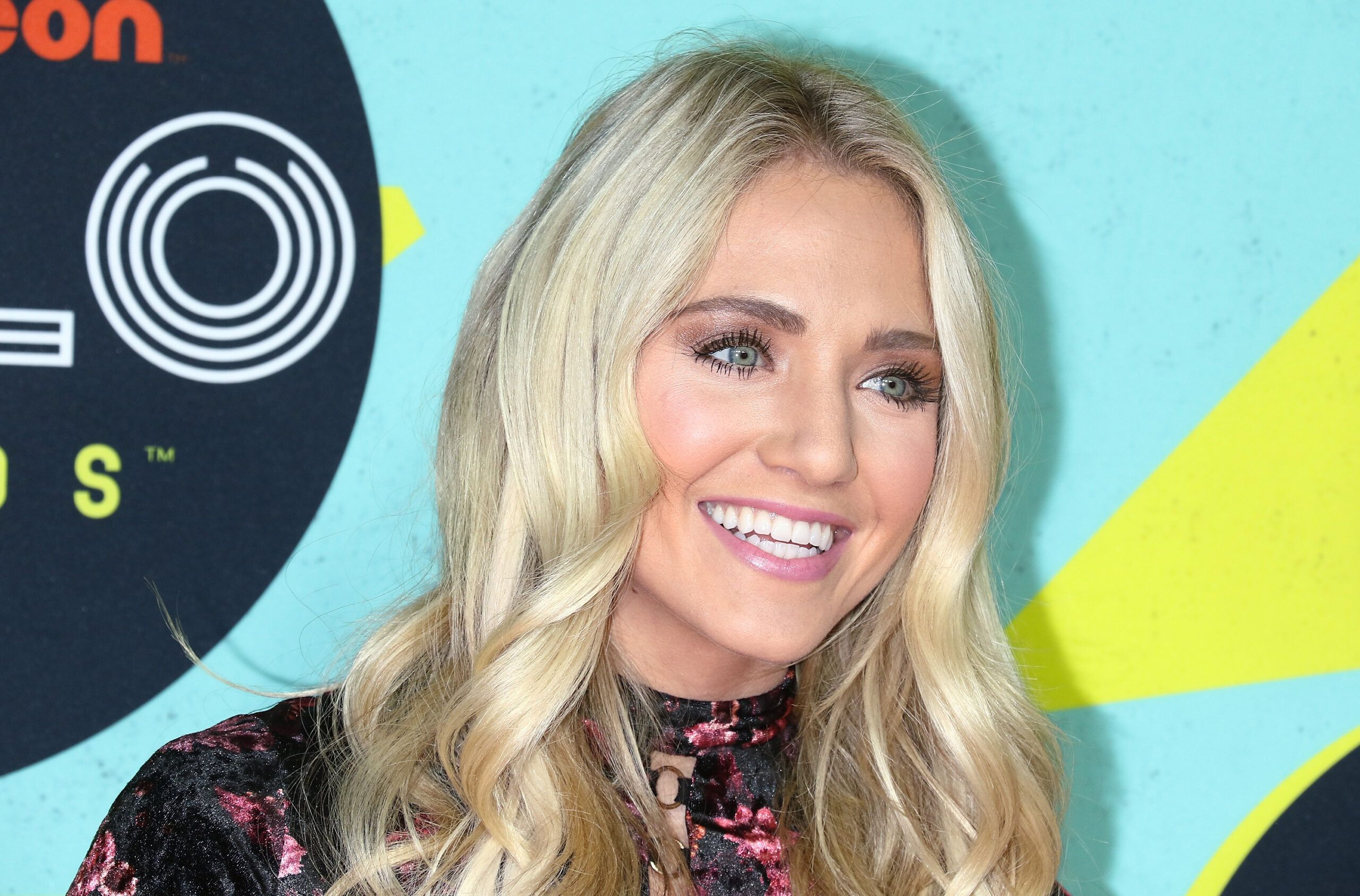
The Savannah LaBrant Net Worth Profile: Understanding Creator Economy Earnings
Savannah LaBrant has built a substantial financial profile through family vlogging, lifestyle content creation, and brand partnerships across digital platforms like YouTube and Instagram. While exact private financial portfolios are ra...
Savannah LaBrant has built a substantial financial profile through family vlogging, lifestyle content creation, and brand partnerships across digital platforms like YouTube and Instagram. While exact private financial portfolios are rarely fully disclosed, industry analysis, historical view counts, and platform monetization benchmarks estimate her net worth to be in the multi-million-dollar range, accumulated primarily during the peak years of "The LaBrant Fam" channel and related digital ventures.
Contents
Understanding the Creator Economy and Family Vlogging
The digital content landscape has undergone a dramatic transformation over the past decade. Creators who successfully captured audience attention early on transitioned from simple hobbyists to major media entities. Family vlogging, in particular, emerged as one of the most lucrative niches on platforms like YouTube. By documenting daily family routines, milestones, and challenges, creators established deep parasocial relationships with millions of subscribers.
For Savannah LaBrant, digital platforms became the foundation for a diversified business model. Success in this space relies heavily on consistent audience engagement, algorithmic performance, and the ability to monetize attention through multiple distinct streams. Understanding the financial profile of a prominent creator requires examining how these diverse revenue channels operate within the modern digital economy.
Primary Revenue Streams Contributing to the Net Worth Profile
Creator net worth profiles are rarely derived from a single source. Instead, they represent an aggregation of earnings generated across various digital and commercial avenues. For high-profile creators, income typically stems from advertising revenue, sponsored brand partnerships, merchandise sales, and external business ventures.
Ad-Revenue Monetization on YouTube
The cornerstone of traditional creator earnings is platform-based advertising revenue. Through the YouTube Partner Program, creators earn a share of the revenue generated by advertisements displayed on their videos. This metric is commonly evaluated using RPM (Revenue Per Mille, or earnings per 1,000 views) and CPM (Cost Per Mille, or advertiser cost per 1,000 impressions).
The family vlogging niche historically commands competitive CPM rates because content appeals to a broad demographic, including families and advertisers targeting household consumers. During periods of peak viewership on channels associated with the LaBrant family, cumulative view counts reached billions, translating into significant baseline advertising income over several years.
Sponsored Brand Partnerships and Influencer Marketing
Beyond platform ads, direct sponsorships represent a major financial driver. Brands across the retail, baby product, lifestyle, and fashion sectors allocate substantial marketing budgets to influencers with high follower counts.
- Flat-Fee Integration: Brands pay a fixed rate for dedicated video segments, Instagram posts, or TikTok features.
- Affiliate Commissions: Creators earn a percentage of sales generated through unique tracking links or promotional codes provided to their audience.
- Long-Term Ambassadorships: Multi-month or multi-year contracts where a creator serves as the face of a product line or corporate campaign.
With millions of followers across Instagram and TikTok, sponsored placements historically contributed a considerable share of overall household revenue.
Merchandise, Book Publishing, and Digital Products
Successful influencers frequently expand beyond ad-supported media into proprietary product lines. Diversification helps mitigate the volatility of platform algorithm changes and ad-rate fluctuations.
- Physical Merchandise: Custom apparel, accessories, and lifestyle goods branded around the creator's identity.
- Literary Ventures: Published books, memoirs, or guided journals target the core readership and capitalize on offline retail distribution channels.
- Digital Content and Subscriptions: Premium newsletters, exclusive community access, or specialized courses.
| Revenue Source | Primary Mechanism | Estimated Impact on Earnings |
|---|---|---|
| Platform Ad Revenue | YouTube Partner Program (RPM/CPM share) | High baseline stability during active upload cycles |
| Brand Sponsorships | Direct contracts, Instagram posts, TikTok promos | High margin variable income |
| Merchandise & Books | E-commerce storefronts, retail distribution | Moderate supplemental revenue |
| External Investments | Real estate, venture holdings, private portfolios | Long-term wealth preservation and growth |
Financial Evolution and Market Valuation Challenges
Estimating the net worth of a digital creator involves navigating significant financial opacity. Unlike public corporate executives or publicly traded company founders, influencers are private individuals who are not required to publish audited financial statements. Consequently, public figures and estimates published online often rely on third-party analytics platforms, historical view counts, and industry standard monetization formulas.
Furthermore, gross revenue must be distinguished from net worth. Gross figures do not account for substantial overhead costs associated with modern content production. These expenses include professional video production and editing teams, management representation fees, legal counsel, platform taxes, and business operational costs. Over time, astute creators transition liquid earnings into tangible assets such as real estate holdings and diversified investment portfolios, which form the bedrock of long-term net worth stability.
Ethical and Privacy Considerations in Family Content
The monetization of family life has drawn increased scrutiny from media analysts, psychologists, and legal scholars. As child-influencer economies mature, questions regarding privacy, labor laws, and the long-term emotional impact of growing up in the public eye have reshaped industry standards.
Legislative bodies and advocacy groups have increasingly examined how earnings generated by minor children are protected. In the context of financial profiles, these evolving discussions highlight the distinction between personal brand equity and the collective labor of household members. Financial planning for creators in this niche often involves complex trust structures and legal frameworks designed to secure the financial futures of all family members involved.
Frequently Asked Questions
How do family vloggers generate most of their income?
Family vloggers primarily generate income through platform-based advertising revenue, such as the YouTube Partner Program, alongside direct brand sponsorships, affiliate marketing, and merchandise sales. Ad revenue provides a continuous baseline, while sponsorships often yield higher per-campaign payouts.
Why do public estimates of creator net worth vary so widely?
Public estimates vary because digital creators are private entities not obligated to share tax returns or balance sheets. Third-party websites rely on algorithmic estimates of ad revenue and rough averages for brand deals, which often fail to account for taxes, business expenses, management fees, and private investments.
What is the difference between gross creator revenue and net worth?
Gross revenue represents the total incoming money generated by a channel or business before deductions. Net worth is the total value of all assets (cash, real estate, investments) minus liabilities (debts, loans). Business overhead and taxes significantly reduce gross earnings before they transition into long-term personal net worth.
How do creators protect their wealth against platform volatility?
Creators typically diversify their income by investing in non-digital assets such as residential and commercial real estate, stocks, and private business ventures. This diversification safeguards their financial profile against sudden algorithmic shifts, demonetization events, or changing consumer trends on social media platforms.
Are child influencers protected by specific financial labor laws?
Historically, traditional child labor laws designed for film and television did not automatically apply to digital platforms. However, modern legislative efforts in various jurisdictions are increasingly introducing protections to ensure a portion of earnings generated by minors is set aside in dedicated trusts until they reach adulthood.
Practical Next Actions for Content Monetization Analysis
For readers analyzing the creator economy or researching modern digital entrepreneurship, understanding net worth profiles requires looking past headline figures. Evaluate creators based on their business diversification, asset accumulation, and adaptability to platform changes rather than raw view counts alone. Sustainable financial health in the digital space depends heavily on transitioning from platform-dependent ad revenue to robust, independent business ventures and long-term asset management.
Image Gallery