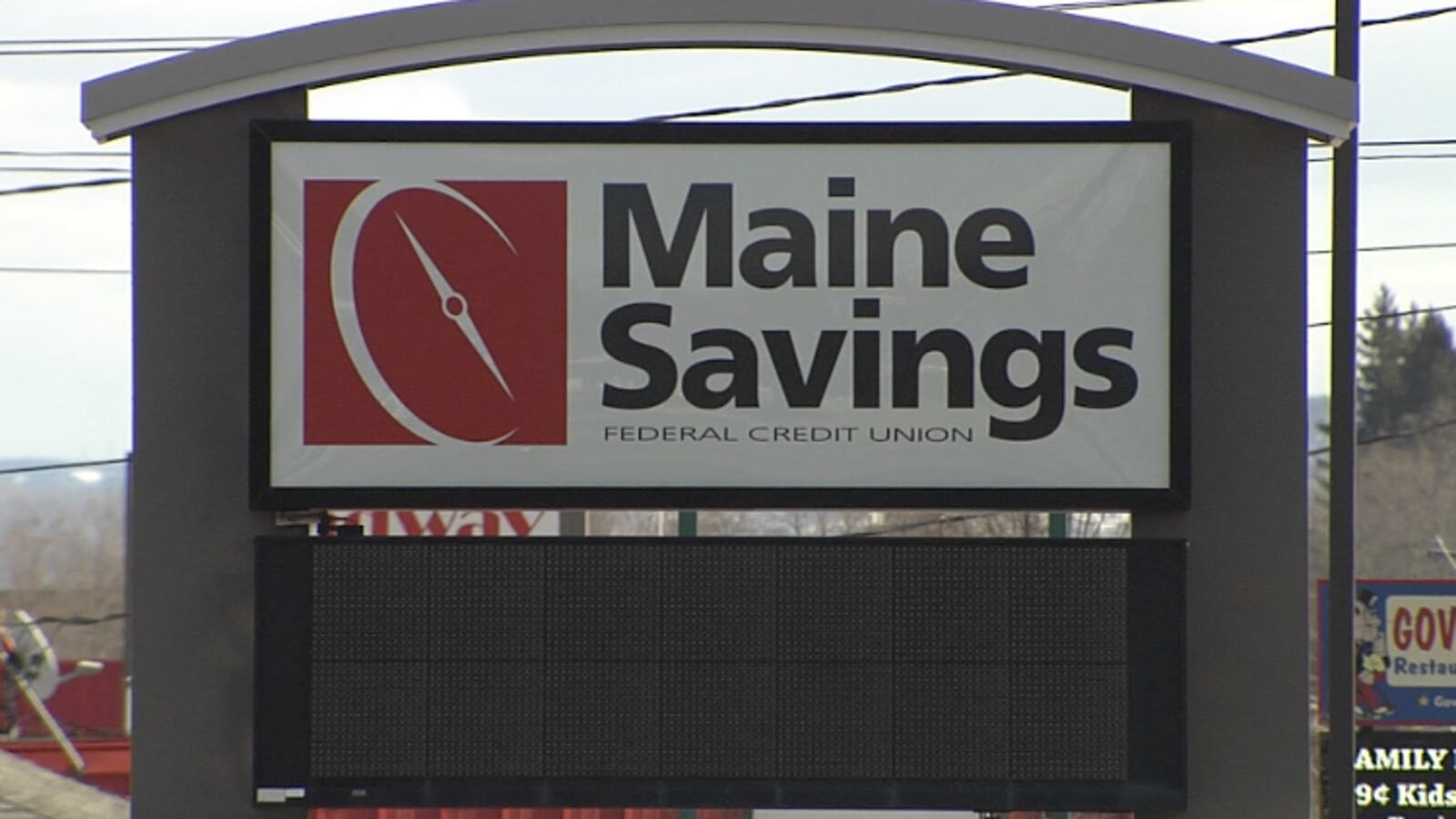
Banking at the Lincoln Maine Federal Credit Union in Lincoln Me
Banking at the Lincoln Maine Federal Credit Union in Lincoln Me offers local residents and workers a community-focused alternative to commercial banks, featuring cooperative financial services, lower loan rates, and personalized member...
Banking at the Lincoln Maine Federal Credit Union in Lincoln Me offers local residents and workers a community-focused alternative to commercial banks, featuring cooperative financial services, lower loan rates, and personalized member support.
Contents
Navigating modern personal finance requires balancing digital convenience with reliable, localized support. For individuals and families residing or working in the Penobscot County region, choosing the right financial institution is a foundational step toward long-term economic stability. Among the available options, credit unions provide a distinct operational model compared to traditional for-profit national banks.
Understanding how to establish an account, utilize everyday banking products, and leverage cooperative lending structures can maximize the value of your financial routine. This guide examines the operational framework, membership requirements, product lines, and practical management strategies for banking locally in Lincoln, Maine.
Understanding the Credit Union Model in Lincoln, Maine
Credit unions operate under a cooperative financial structure. Unlike commercial banks that answer to outside shareholders and prioritize corporate profits, federal credit unions are member-owned, non-profit financial cooperatives. Every individual who opens a share savings account and maintains a minimum balance becomes a co-owner of the institution.
This cooperative framework directly influences how products are priced. Earnings returned by the credit union are typically channeled back to the membership base in the form of higher dividend yields on savings products, lower interest rates on consumer and mortgage loans, and reduced administrative or maintenance fees.
The Lincoln Maine Federal Credit Union serves the local community by anchoring its services in regional economic realities. For residents of Lincoln and surrounding towns, keeping capital within a community-chartered institution supports local economic circulation, ensuring that deposits help fund local auto loans, mortgages, and community development rather than financing distant corporate initiatives.
Membership Eligibility and Account Opening Prerequisites
Before utilizing the financial products offered by the credit union, prospective members must verify their eligibility under the institution’s field of membership guidelines regulated by the National Credit Union Administration (NCUA).
Field of Membership Criteria
Federal credit unions require a unifying bond among their members. Eligibility for the Lincoln Maine Federal Credit Union typically extends to individuals who:
- Live, work, worship, or attend school in designated geographic areas of Maine, primarily focusing on regional communities within Penobscot County and surrounding service zones.
- Work for select employer groups (SEGs) that partner with the credit union.
- Are immediate family members or household members of existing credit union members.
Required Documentation for Account Setup
Once eligibility is established, applicants must complete the onboarding process. To comply with federal anti-money laundering regulations and the USA PATRIOT Act, you must present specific identification documents when opening a share savings or checking account:
- Government-Issued Photo Identification: A valid driver’s license, state-issued identification card, passport, or military ID.
- Proof of Address: If your photo ID does not reflect your current residential address, bring a recent utility bill, lease agreement, or official mail showing your name and physical address in Maine.
- Taxpayer Identification Number: A Social Security Number (SSN) or Individual Taxpayer Identification Number (ITIN).
- Opening Deposit: A minimum deposit to fund your primary share savings account, which establishes and activates your membership share.
Comprehensive Overview of Core Banking Services
A robust financial institution must provide the everyday transactional tools necessary for managing income, paying bills, and saving for future milestones. The Lincoln Maine Federal Credit Union delivers a suite of consumer banking products tailored to everyday financial management.
| Account Type | Primary Purpose | Key Requirements & Features |
|---|---|---|
| Share Savings Account | Establishes membership and builds emergency reserves. | Requires a modest opening deposit; earns regular dividend interest regulated by the board of directors. |
| Share Draft Checking | Day-to-day transactional spending, bill payments, and cash access. | Low or zero monthly maintenance fees with qualifying direct deposit; includes a debit card. |
| Share Certificates (CDs) | Medium- to long-term asset growth with guaranteed fixed returns. | Terms range from months to years; early withdrawal penalties apply for liquidating funds prior to maturity. |
| Christmas Club / Special Savings | Targeted budgeting for predictable seasonal or annual expenses. | Automatic periodic transfers from primary accounts; disperses funds at specific calendar intervals. |
Checking and Debit Card Management
Share draft checking accounts form the operational hub of personal finance. Members receive a debit card accepted globally through major payment networks. Modern security features, such as card management mobile tools, allow users to instantly freeze or unfreeze their debit cards, set travel notifications, and establish spending threshold alerts to protect against unauthorized transactions.
Savings Vehicles and Share Certificates
Beyond basic passbook savings, members can utilize tiered savings accounts and share certificates—the credit union equivalent of Certificates of Deposit (CDs). Share certificates allow savers to lock in a fixed dividend rate over a predetermined term, shielding their principal from market volatility while earning predictable returns backed by federal insurance.
Credit and Lending Solutions
One of the primary advantages of banking with a local credit union is access to competitive credit products. Because credit unions operate for their members, underwriting decisions often balance automated credit scores with a localized understanding of the regional economic landscape.
Consumer and Auto Loans
Purchasing a vehicle, financing home improvements, or consolidating high-interest debt requires strategic borrowing. The credit union offers structured consumer loan products, including:
- New and Used Auto Loans: Financing options featuring competitive annual percentage rates (APRs) and flexible repayment terms.
- Personal Signature Loans: Unsecured loans designed for unexpected expenses, medical bills, or major purchases without requiring collateral.
- Revolving Lines of Credit: Flexible borrowing power that allows members to draw funds as needed up to an approved credit limit.
Mortgage and Home Equity Options
Securing real estate financing in Maine requires familiarity with local property markets. The institution provides guidance and financing structures for home acquisitions, refinancing existing mortgages, and leveraging home equity lines of credit (HELOCs) to fund home renovations or educational milestones.
Digital Banking Infrastructure and Remote Access
While localized brick-and-mortar presence is vital for community connection, modern account holders require continuous, remote access to their financial records. The Lincoln Maine Federal Credit Union integrates digital platforms to facilitate self-service banking around the clock.
- Online Account Access: Web portal dashboards allow users to view real-time account balances, review cleared check images, download historical statements, and execute internal or external fund transfers.
- Mobile Applications: Smartphone applications for iOS and Android platforms enable remote deposit capture, permitting users to deposit paper checks securely by photographing the front and back of the endorsed instrument.
- Bill Pay Utilities: Automated bill payment systems streamline household budgeting by scheduling recurring or one-time electronic disbursements directly to utility providers, landlords, or credit card companies.
- ATM Networks: Access to fee-free or surcharge-reduced ATM networks ensures cash availability while traveling outside the immediate Lincoln area.
Comparing Credit Unions and Commercial Banks
Choosing where to deposit your funds depends heavily on your financial priorities. Evaluating structural differences clarifies why many consumers migrate from national commercial banks to local credit unions.
- Ownership Structure: Banks are owned by shareholders seeking financial returns; credit unions are owned by the members who use their services.
- Fee Structures: Credit unions generally impose fewer account maintenance fees, lower overdraft charges, and lower loan interest rates than major commercial banks.
- Customer Service Philosophy: Local institutions emphasize personalized member relations, often offering human assistance for complex financial scenarios rather than relying entirely on automated phone menus.
- Technology Integration: While major commercial banks historically led in digital infrastructure, modern credit unions have closed the gap, offering robust mobile apps, digital wallets, and online security tools comparable to national competitors.
Safety, Security, and Deposit Insurance
Safeguarding deposited capital is paramount. Accounts held at federally chartered credit unions are protected against institutional failure by the National Credit Union Administration (NCUA), an independent agency of the United States government.
- NCUA Share Insurance: The Share Insurance Fund insures individual member accounts up to $250,000, mirroring the deposit protection provided by the Federal Deposit Insurance Corporation (FDIC) for commercial banks.
- Additional Coverage: Joint accounts, retirement accounts (such as IRAs), and trust accounts can secure additional layers of federal coverage beyond the standard $250,000 individual threshold.
- Data Encryption: Digital platforms employ industry-standard encryption protocols, multi-factor authentication (MFA), and proactive fraud monitoring systems to protect sensitive financial data from unauthorized access.
Frequently Asked Questions
What are the main differences between a credit union and a bank?
Credit unions are non-profit, member-owned cooperatives focused on returning profits to members through better rates and lower fees. Banks are for-profit corporations owned by shareholders, where profits are distributed to investors.
Do I need to live in Lincoln, Maine, to join the credit union?
Membership eligibility is typically determined by field of membership rules, which include living, working, worshiping, or attending school within designated Maine regions, or having an immediate family member who is already a member.
Are my deposits at the Lincoln Maine Federal Credit Union safe?
Yes. Accounts are federally insured up to $250,000 per individual depositor by the National Credit Union Administration (NCUA), providing the same level of security as FDIC insurance at commercial banks.
Can I manage my accounts online or via mobile app?
Yes. The institution provides digital banking services, including online portals and mobile applications that support balance inquiries, electronic fund transfers, mobile check deposits, and bill payment features.
How do I qualify for a lower loan rate at a credit union?
Qualifying for lower loan rates typically depends on maintaining a strong credit score, demonstrating stable employment and income, and maintaining an active membership history with the institution.
Practical Next Actions for New and Existing Members
To maximize your banking experience at the Lincoln Maine Federal Credit Union, take deliberate, structured steps based on your current financial standing:
- Verify Eligibility: Confirm your membership qualification by reviewing geographic residency or employment criteria on the official website or by speaking directly with a member service representative.
- Gather Required Documentation: Prepare your government-issued photo ID, proof of residential address, and Social Security number before initiating the account opening process.
- Audit Your Current Financial Products: Evaluate your existing checking, savings, and loan accounts to identify where high fees or unfavorable interest rates are costing you money.
- Schedule a Consultation: Contact a credit union representative to discuss specific lending needs, such as consolidating debt, refinancing a mortgage, or setting up a long-term savings strategy tailored to your financial goals.
Image Gallery