What the Pending Debit Card Transaction Means for Your Balance
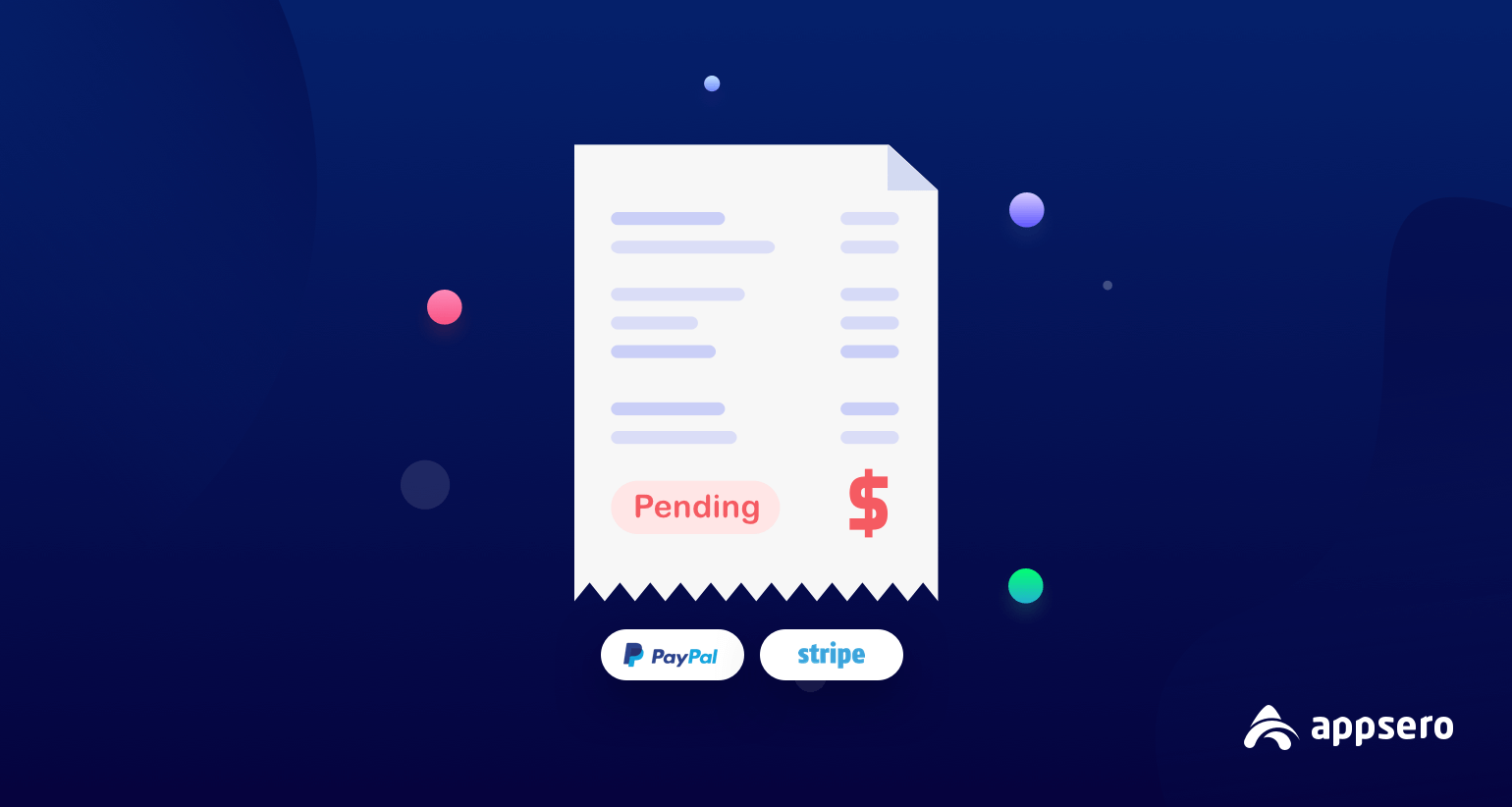
When you notice a pending debit card transaction on your account, it means a merchant has requested authorization for a purchase or payment, but the funds have not yet officially left your account. During this period, your available ba...
When you notice a pending debit card transaction on your account, it means a merchant has requested authorization for a purchase or payment, but the funds have not yet officially left your account. During this period, your available balance is reduced by that amount to prevent you from spending the same money twice, even though your actual ledger balance remains unchanged until the transaction fully settles.
Contents
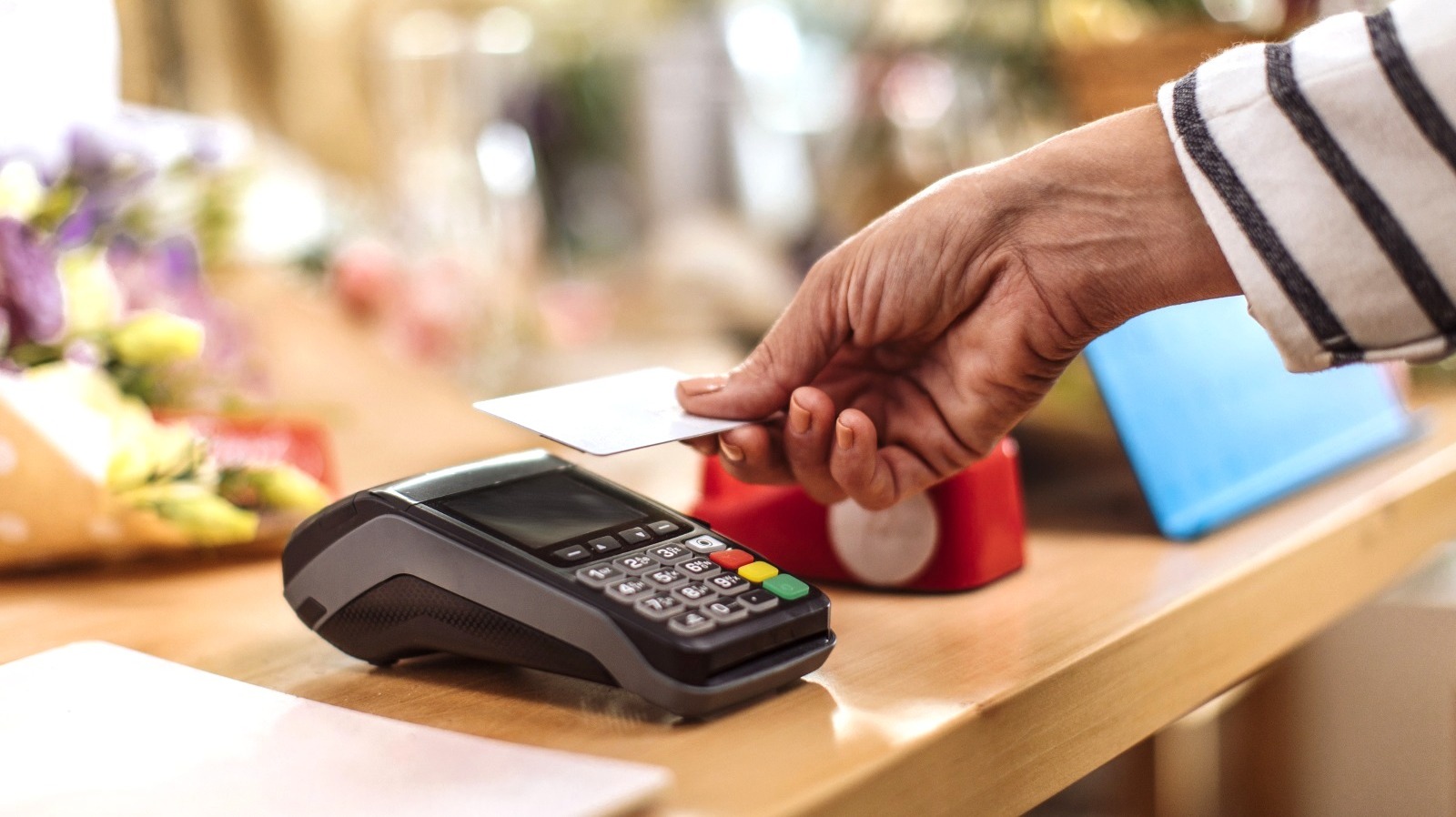
Navigating everyday personal finance requires a clear understanding of how electronic banking systems process everyday purchases. Modern payment networks move money instantly in digital terms, but the behind-the-scenes accounting occurs in distinct phases. When you swipe, insert, or tap your debit card at a retail store, gas station, or online checkout, a complex communication loop begins between the merchant's point-of-sale terminal, payment processors, and your issuing bank.
For many consumers, checking a mobile banking app and seeing a discrepancy between the available balance and the current balance can cause confusion. Grasping the mechanics of pending transactions prevents unexpected overdraft fees, helps manage monthly budgeting accurately, and clarifies how financial institutions handle temporary holds.
The Anatomy of a Debit Card Transaction
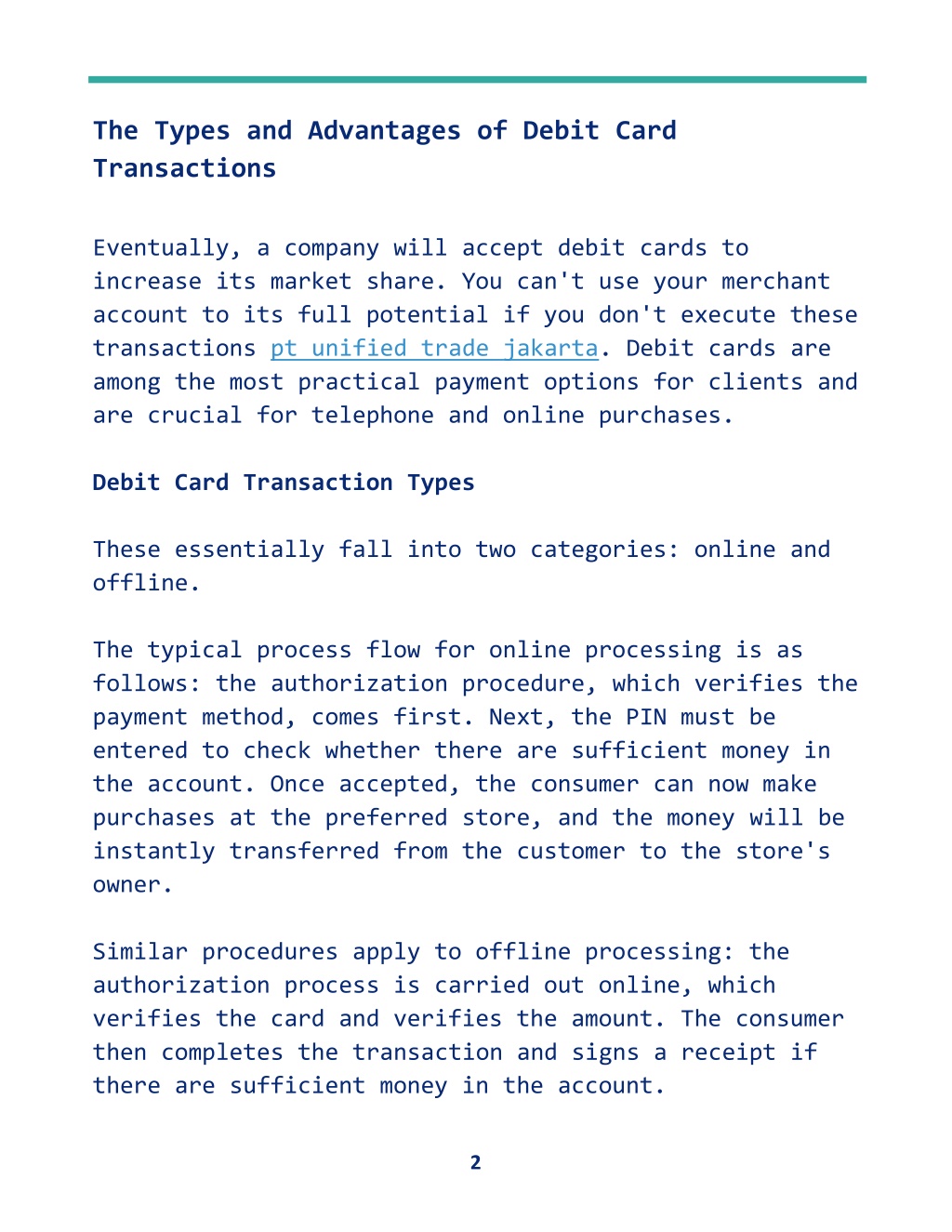
Every debit card purchase moves through two primary stages: authorization and settlement. Understanding the difference between these phases is critical to managing your checking account balance effectively.
Authorization (The Pending State)
The moment you authorize a transaction, the merchant's payment processor sends an electronic inquiry to your bank. Your bank checks two main factors: whether your account is active and whether you have enough funds to cover the purchase.
If the checks pass, your bank immediately approves the request and places a temporary hold on those specific funds. This hold is what appears on your mobile app or online statement as a "pending" transaction.
- Available Balance: Decreases immediately by the pending amount. This is the money you can actually spend right now.
- Current (Ledger) Balance: Remains unchanged. This represents the total amount of money legally in your account before accounting for the pending hold.
Settlement (The Final State)
Authorization is merely a promise of payment; settlement is the actual transfer of funds. At the end of the business day, merchants batch their authorized transactions and submit them to their acquiring bank for payment.
The acquiring bank routes the batches through payment networks (such as Visa or Mastercard) to your issuing bank. Once your bank receives the settlement request, the money officially leaves your account, the transaction moves from "pending" to "posted," and both your available and current balances align.
Why Pending Transactions Matter for Your Balance
The most critical impact of a pending debit card transaction is its effect on your available balance. Financial institutions adjust your available balance in real time to prevent overspending.
| Balance Type | Definition | Impact of Pending Transactions |
|---|---|---|
| Available Balance | Funds you can currently spend | Decreases immediately by pending amount |
| Current (Ledger) Balance | Total funds minus settled debits | Unaffected until the transaction settles |
If you have a ledger balance of $200 and make a $50 grocery purchase, your available balance drops to $150 immediately. If you attempt to make another purchase of $160 before the first transaction settles, your account may trigger an overdraft or transaction decline, even though your ledger balance still shows $200.
Overdraft Protection and Authorization Holds
Many banks offer overdraft services that cover transactions exceeding your available balance, often for a fee. However, regulations require banks to obtain your consent before charging overdraft fees for everyday debit card and ATM transactions. If you opt out, the bank will decline any purchase that exceeds your available balance. If you opt in, the bank may approve the transaction, cover the shortfall, and assess an overdraft fee.
Common Scenarios Involving Pending Holds
Certain industries routinely place authorization holds that differ significantly from the final purchase amount. Recognizing these scenarios helps you avoid miscalculating your accessible funds.
Gas Stations
When you pay at the pump, gas stations often place a standardized authorization hold—frequently ranging from $1 to $150—before you even begin pumping fuel. The terminal does this because the system does not know how much gas you will purchase in advance.
Once you finish fueling, the gas station submits the exact amount, and the hold is updated. However, the temporary hold can take anywhere from a few hours to several business days to drop off, tying up your available balance during that window.
Hotels and Car Rentals
Travel accommodations routinely place substantial authorization holds to cover potential incidental charges, room service, or vehicle damage. A hotel might place a hold of $50 to $200 per night on top of the room rate. For car rentals, the hold can equal the estimated rental cost plus an additional safety buffer. These pending amounts can severely restrict your available balance long after you have checked out or returned the vehicle.
Restaurants and Tipping
When you pay for a meal at a restaurant, the initial authorization matches your bill before the tip. When the establishment processes the final batch at the end of the night, they add the tip you wrote on the receipt. Your bank updates the pending amount or posts the final total, which may differ slightly from the slip you signed at the table.
How Long Do Transactions Stay Pending?
Most pending debit card transactions convert to settled entries within one to three business days. However, the exact timeline depends on the merchant, the payment network, and banking holidays.
- Standard Retail Purchases: Typically settle within 24 to 48 hours.
- Weekend and Holiday Transactions: Transactions made on Friday evening or during weekends often remain pending through Monday or the next business day because banks process settlements primarily during standard business days.
- Travel and Lodging Holds: Can remain pending for up to 7 to 10 business days, depending on the merchant's processing agreement with their acquiring bank.
If a merchant fails to request final settlement within a specific timeframe (usually set by payment network rules, often around seven days), the authorization hold expires automatically, and the funds return to your available balance. This does not mean the purchase is free; the merchant can still submit the charge later, which could cause a negative balance if you spend those released funds.
Managing Your Account During Pending Holds
Maintaining control over your checking account requires active monitoring rather than relying solely on ledger balances. Implementing systematic tracking habits prevents costly errors.
- Monitor Available Balance: Always base your spending decisions on your available balance rather than your current ledger balance. The available balance reflects real-time financial commitments.
- Account for Timing Delays: Remember that online banking apps display data as accurately as possible, but network latency can cause brief delays between making a purchase and seeing it appear as pending.
- Keep a Personal Ledger: Maintain a digital spreadsheet or physical register of purchases that have not yet cleared, particularly when traveling or making multiple transactions in a single day.
- Set Up Account Alerts: Configure push notifications or text alerts through your mobile banking app to notify you whenever a transaction clears, a pending hold is placed, or your balance drops below a specific threshold.
Frequently Asked Questions
Why is a pending transaction higher than my actual purchase?
Certain merchants, such as gas stations, hotels, and restaurants, place temporary authorization holds that exceed the initial purchase amount to cover potential incidentals, tips, or maximum fuel limits. Once the final transaction details are processed, the amount adjusts to the correct total, though the release of the hold can take a few business days.
Can a pending transaction cause an overdraft fee?
Yes. Because pending transactions immediately reduce your available balance, subsequent purchases may exceed your remaining funds. Depending on your bank's policies and whether you have opted into overdraft coverage, exceeding your available balance can result in transaction declines or overdraft fees.
How long can a debit card transaction stay pending?
Most retail transactions settle within one to three business days. However, authorization holds placed by hotels, car rental agencies, and gas stations can remain pending for up to seven to ten business days before dropping off or settling permanently.
What should I do if I see a fraudulent pending transaction?
Contact your bank's customer service department immediately to report unauthorized activity. Financial institutions have established protocols to freeze your card, investigate unauthorized charges, and issue provisional credits while they investigate fraudulent claims under consumer protection regulations.
Does a pending transaction mean the money has left my account?
No. The funds have not officially left your account during the pending stage. They are temporarily locked or reserved to ensure you do not spend them elsewhere before the merchant claims the payment. The money officially transfers only when the transaction settles.
Next Actions and Best Practices
To maintain financial stability and avoid unexpected banking fees, review your account statements daily through your bank's official mobile application or secure web portal. If you notice an unrecognized pending charge, contact your card issuer immediately to dispute the entry before it settles. When planning large expenses—such as hotel stays or car rentals—always ensure your checking account maintains a healthy cash buffer above the estimated total to accommodate temporary authorization holds without disrupting your daily liquidity.
Image Gallery