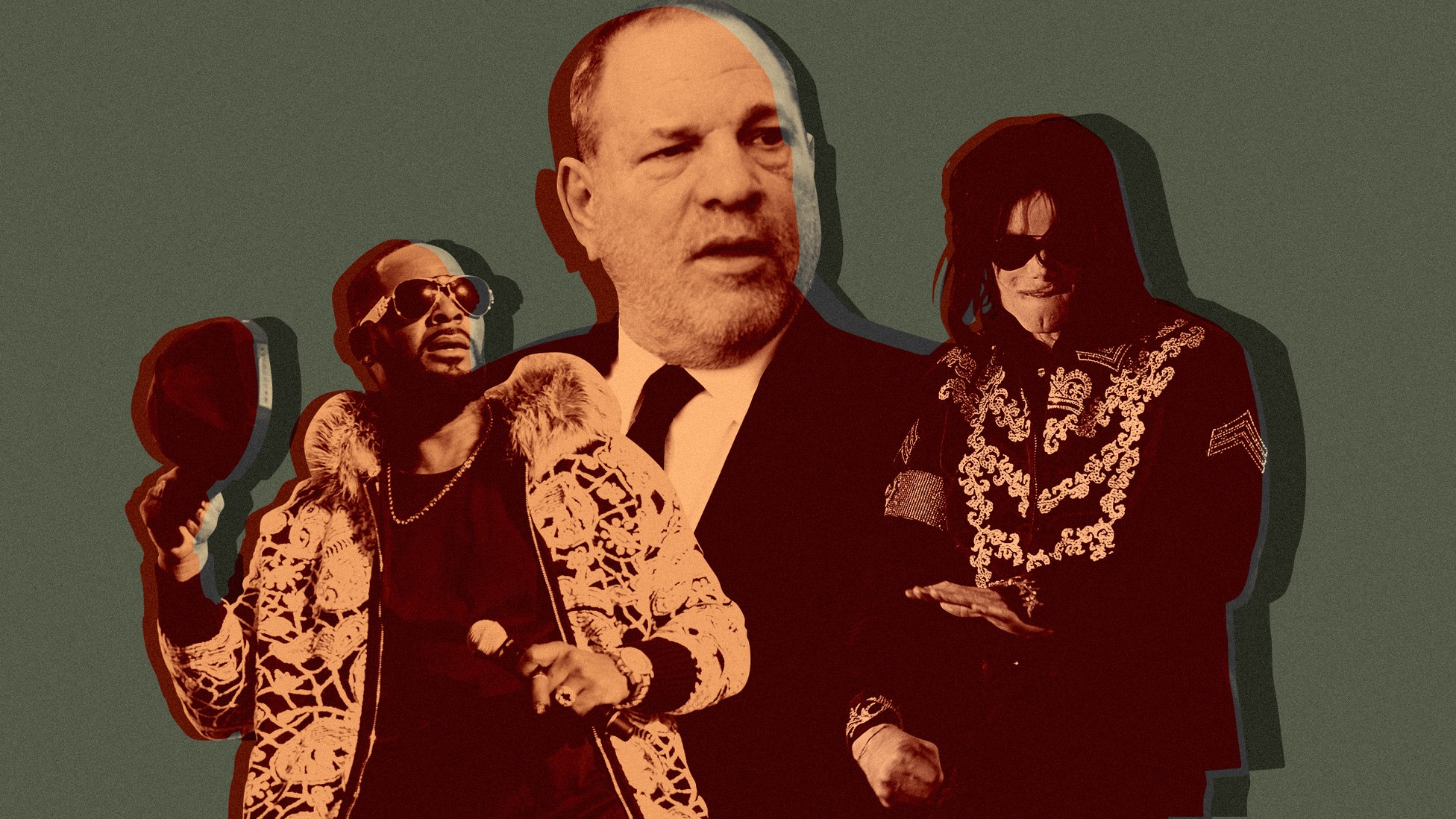
The Cultural Legacies and Public Perception of R. Kelly and Michael Jackson
The public discussion surrounding R. Kelly and Michael Jackson centers on how society separates groundbreaking musical innovation from severe personal controversies and criminal convictions. While Michael Jackson achieved unprecedented...
The public discussion surrounding R. Kelly and Michael Jackson centers on how society separates groundbreaking musical innovation from severe personal controversies and criminal convictions. While Michael Jackson achieved unprecedented global pop superstardom before his death in 2009, R. Kelly was convicted in federal court of racketeering and sex trafficking, creating distinct yet frequently compared legacies in music history.
Contents
The Intersection of Artistic Genius and Public Controversy
The comparison between R. Kelly and Michael Jackson frequently arises in cultural discourse regarding how audiences and institutions handle the artistic output of figures accused or convicted of severe misconduct. Both artists dominated the R&B, pop, and soul charts for decades, shaping the sound of contemporary popular music. However, the nature of their legal challenges, public scrutiny, and cultural reckoning differ in fundamental ways that require clear historical distinction.
Michael Jackson faced intense media scrutiny and a high-profile criminal trial in 2005 related to child sexual abuse allegations, resulting in an acquittal on all counts. He maintained his innocence until his death from acute propofol intoxication in 2009. Conversely, R. Kelly faced decades of public allegations that culminated in a 2021 federal trial in New York where he was convicted of racketeering and sex trafficking. He received a 30-year prison sentence, followed by additional convictions in subsequent federal trials.
Understanding these two figures requires examining their musical contributions, the trajectory of their legal challenges, and the lasting impact their legacies have on modern media consumption, radio airplay, and streaming platforms.
Career Trajectories and Musical Innovations
Both artists emerged as defining forces in late 20th-century American music, though their paths to stardom and creative processes followed different trajectories.
Michael Jackson began his career as a child prodigy with the Jackson 5 before launching a historic solo career. Working closely with producer Quincy Jones, Jackson released albums such as Off the Wall (1979), Thriller (1982), and Bad (1987). Thriller remains the best-selling album of all time, according to the Recording Industry Association of America (RIAA). Jackson revolutionized music videos, turning them into cinematic events on MTV, and popularized complex dance techniques like the moonwalk.
R. Kelly, born Robert Sylvester Kelly, rose to prominence in the early 1990s as the lead singer of Public Announcement before embarking on a highly successful solo career. He became known as the "King of R&B," writing and producing chart-topping hits for himself and numerous other artists, including Michael Jackson ("You Are Not Alone"). Kelly's distinctive blend of hip-hop soul, gospel influences, and smooth vocal arrangements defined much of the urban radio landscape throughout the 1990s and 2000s.
Legal Controversies and Institutional Responses
The legal histories of the two artists dictate how their catalogs are managed and perceived by the public in 2026.
| Artist | Peak Activity Period | Major Legal Milestones | Current Legacy Status |
|---|---|---|---|
| Michael Jackson | 1964–2009 | 2005 trial and acquittal on child molestation charges; multiple civil settlements prior to 2005. | Catalog managed by the Estate of Michael Jackson; continuous global streaming and posthumous releases. |
| R. Kelly | 1989–2021 | 2008 child pornography trial (acquitted); 2021 federal conviction for racketeering and sex trafficking; 2022 and 2023 additional federal and state convictions. | Imprisoned; removed from major curated streaming playlists; widespread commercial radio boycott. |
The institutional response to R. Kelly's actions involved unprecedented industry measures. Following the release of the 2019 documentary series Surviving R. Kelly, RCA Records dropped the singer, and streaming services like Spotify and Apple Music removed his music from promotional playlists and algorithmic recommendations.
In contrast, Michael Jackson’s estate has maintained a robust commercial presence. Despite ongoing debates and documentary projects examining the allegations against him—such as the 2019 film Leaving Neverland—Jackson’s master recordings continue to generate substantial global revenue, and theatrical projects like MJ the Musical have achieved significant commercial success on Broadway and internationally.
The Ethics of Consumption and Modern Streaming Culture
The ongoing presence of both artists in contemporary culture raises questions regarding the separation of art from the artist. Listeners, music critics, and streaming platforms navigate these ethical dilemmas through different frameworks:
- Separationist View: Some consumers argue that historical musical works hold independent cultural value and that enjoying the recordings does not constitute personal endorsement of the creator's behavior.
- Abolitionist View: Other listeners and industry advocates argue that financial compensation through royalties and continued cultural celebration actively harms victims and normalizes misconduct.
- Curatorial Filtering: Streaming platforms and radio programmers often balance consumer demand with corporate responsibility, removing convicted offenders from high-visibility spaces while keeping catalogs available for searchable user intent.
These differing perspectives ensure that discussions surrounding R. Kelly and Michael Jackson remain active topics in media studies, sociology, and music journalism.
Frequently Asked Questions
Did R. Kelly write songs for Michael Jackson?
Yes, R. Kelly wrote and produced the 1995 Billboard Hot 100 number-one single "You Are Not Alone" for Michael Jackson's album HIStory: Past, Present and Future, Book I. The song became a major commercial success and earned a Grammy Award nomination.
What were the legal outcomes of the trials involving Michael Jackson?
Michael Jackson was tried in 2005 in California on charges of child sexual abuse and was acquitted on all counts by a jury. He was never convicted in a criminal court, though he faced civil lawsuits and settlements earlier in his career regarding separate allegations.
Why is R. Kelly's music treated differently on streaming services compared to Michael Jackson's?
R. Kelly was convicted in federal court of racketeering and sex trafficking, leading major record labels to drop him and streaming services to remove his music from editorial playlists. Michael Jackson was acquitted of criminal charges in 2005, and his estate retains active distribution deals with major entertainment conglomerates.
How do documentary films impact the public legacy of these artists?
Investigative documentaries, such as Surviving R. Kelly (2019) and Leaving Neverland (2019), compile victim testimonies and archival evidence that significantly shift public perception, corporate policy, and institutional willingness to partner with or promote an artist's catalog.
Are both artists still generating royalties?
Yes, both artists generate streaming revenue and publishing royalties, though the distribution channels differ. Michael Jackson’s estate distributes earnings to his beneficiaries and heirs, while R. Kelly's financial assets and royalties have faced legal judgments, government seizures, and victim restitution orders.
Conclusion
The cultural analysis of R. Kelly and Michael Jackson highlights the complex relationship between artistic achievement and personal accountability in modern entertainment. While Michael Jackson's acquittal shaped a preserved commercial legacy managed by his estate, R. Kelly's federal convictions resulted in imprisonment and systemic industry ostracization. Both cases continue to prompt debate among audiences, academics, and industry professionals regarding how society evaluates historical art in light of severe personal misconduct.
Image Gallery