Understanding Jopwell Net Worth: Valuation, Acquisition, and Financial Reality
While "Jopwell net worth" is a common search query, Jopwell as a private venture-backed startup did not publicly disclose a fixed net worth, but rather a total venture funding history exceeding $32 million before its acquisition by Tru...
While "Jopwell net worth" is a common search query, Jopwell as a private venture-backed startup did not publicly disclose a fixed net worth, but rather a total venture funding history exceeding $32 million before its acquisition by TrueUp in 2023. Understanding the platform's financial trajectory requires looking at its venture capital rounds, monetization model, revenue estimates, and ultimate corporate buyout.
Contents
Evaluating the financial footprint of a modern recruitment technology startup requires looking past personal wealth metrics and focusing on corporate valuation, venture capital milestones, and business models. Jopwell, a pioneering career platform founded to advance career opportunities for Black, Hispanic, and Native American professionals, operated as a private entity for nearly a decade. Because private companies are not required to publicly disclose balance sheets, profit margins, or exact net worth valuations, assessing the company's financial standing relies on analyzing historical funding disclosures, market conditions, and acquisition terms.
The Origins and Corporate Valuation of Jopwell
Founded in 2014 by Ryan Williams and Porter Braswell, Jopwell emerged with a distinct mission: to bridge the gap between underrepresented minority professionals and top-tier companies seeking diverse talent. Securing early institutional backing is critical for any HR technology platform attempting to scale enterprise software-as-a-service (SaaS) and recruitment marketplace models.
During its operational lifespan as an independent entity, Jopwell raised significant venture capital. Tracking these investment rounds provides the most reliable window into how institutional investors valued the enterprise at various stages of its growth:
- Seed Funding (2015–2016): Early rounds brought in millions from angel investors and prominent venture capital firms, establishing the baseline infrastructure of the platform.
- Series A Funding (2017): Led by firms such as Andreessen Horowitz, Jopwell secured $10 million in Series A financing, which significantly expanded its corporate client roster and internal team.
- Series B Funding (2020): Additional capital injections pushed total lifetime funding past $32 million, with participation from high-profile investors including Y Combinator, Kapor Capital, and various institutional funds.
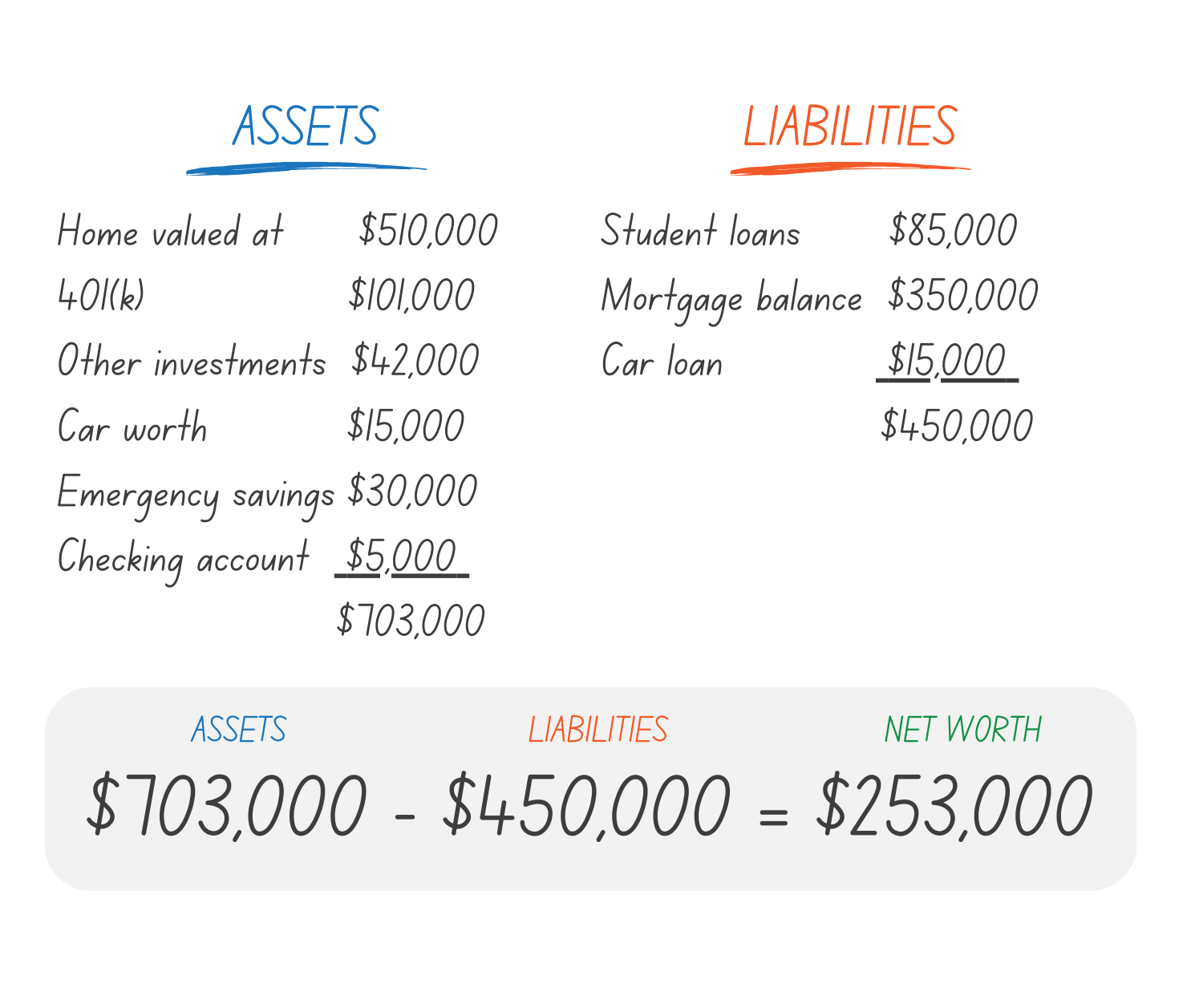
In the startup ecosystem, venture capital funding totals do not equal net worth. Net worth implies assets minus liabilities, whereas venture-backed companies often operate at a net loss for years while prioritizing market acquisition, product expansion, and user-base scaling over immediate profitability.
Revenue Model and Financial Mechanics
To understand how a platform like Jopwell generates economic value, it is essential to examine its business-to-business (B2B) monetization strategy. Unlike consumer-facing job boards that charge individual job seekers subscription fees, Jopwell operated on a corporate partnership model.
Corporate Diversity Recruitment Solutions
The primary revenue driver for Jopwell involved charging enterprise clients—including Fortune 500 companies, major financial institutions, and technology giants—annual licensing fees or placement fees to access its curated talent database.
- SaaS Licensing: Companies paid recurring fees for software access, allowing their human resources and talent acquisition teams to post roles, source candidates, and manage pipelines.
- Recruitment and Placement Services: Specialized consulting and pipeline development services provided additional contract-based revenue streams.
Operating Pressures in the HR Tech Market
The broader economic climate for HR technology companies shifted dramatically between 2021 and 2023. Rising interest rates, tighter venture capital budgets, and widespread corporate layoffs reduced enterprise spending on recruitment software. For companies heavily reliant on corporate hiring budgets, market contractions created severe cash-flow pressures, directly influencing Jopwell’s long-term financial stability and strategic options.
The 2023 Acquisition by TrueUp and Valuation Reality
By mid-2023, the macroeconomic environment and internal capital constraints led to a pivotal shift in Jopwell’s corporate structure. In August 2023, TrueUp, a job market intelligence platform, acquired Jopwell in a transaction designed to keep the platform alive and operational.
- Nature of the Transaction: Financial details, purchase price, and exact terms of the TrueUp acquisition were not publicly disclosed. In many startup acquisitions during market downturns, transactions occur below the cumulative venture capital raised—often referred to as a "down round" or an asset sale.
- Post-Acquisition Status: TrueUp integrated Jopwell’s technology and community database into its broader ecosystem, ensuring that the brand and its core mission continued without liquidation or total shutdown.
Because the company was acquired as a distressed or consolidating asset rather than going through an initial public offering (IPO), assigning a traditional "net worth" or public market capitalization to Jopwell is not possible. Its enterprise value at the time of acquisition reflected current market multiples for HR tech assets rather than its peak venture-valuation figures from the 2020 boom.
Comparative Financial Overview of Venture-Backed HR Platforms
To contextualize Jopwell's financial scale within the recruitment technology sector, the table below outlines the structural differences between early-stage venture funding, acquisition outcomes, and public market valuations for HR platforms.
| Metric / Dimension | Jopwell (Historical Independent Era) | Jopwell (Post-2023 Acquisition) | Large Public HR Tech Peers (e.g., LinkedIn / Upwork) |
|---|---|---|---|
| Funding Structure | Venture-backed ($32M+ raised) | Subsidiary / Integrated asset under TrueUp | Publicly traded (NYSE / NASDAQ) or enterprise-owned |
| Valuation Visibility | Private; estimated via funding round disclosures | Undisclosed transaction terms | Publicly verifiable via stock price and market cap |
| Primary Revenue Source | B2B enterprise software licenses and talent pipelines | Integrated software intelligence and job matching | Multi-tier SaaS, advertising, and marketplace fees |
| Market Positioning | Diversity recruiting pioneer | Specialized talent community and job intelligence | Global professional networks and freelance exchanges |
Frequently Asked Questions
What was Jopwell’s total net worth before its acquisition?
Jopwell did not have a publicly reported "net worth," as it was a privately held Delaware corporation. However, the company raised over $32 million in total venture capital funding from investors like Andreessen Horowitz and Y Combinator prior to its 2023 acquisition.
Who owned Jopwell before it was sold?
Jopwell was co-founded by Porter Braswell and Ryan Williams in 2014. They served as co-founders and senior executives alongside institutional venture capital funds that held equity stakes in the enterprise.
Why was Jopwell acquired by TrueUp?
Like many venture-backed HR technology startups, Jopwell faced tightening capital markets, reduced enterprise hiring budgets, and a shifting economic landscape following the peak venture funding cycles of 2020 and 2021, leading to the strategic acquisition in August 2023.
Does Jopwell still operate today?
Yes, Jopwell operates as part of TrueUp, maintaining its core focus on connecting diverse professional talent with employment opportunities while utilizing TrueUp's underlying job market intelligence infrastructure.
Are founders' personal net worth figures tied to startup funding?
No. Venture capital funding totals represent corporate capital raised to build and scale a business, not the personal net worth of the founders, which depends on individual equity dilution, salary history, and personal asset management.
Next Steps and Actionable Guidance
For professionals, researchers, or business analysts tracking diversity recruitment trends and HR tech valuations, examining public regulatory filings of comparable publicly traded enterprise software firms offers deeper insight into sector-wide multiples. When evaluating startups, distinguish strictly between cumulative venture capital raised and actual enterprise net worth or profitability.
Image Gallery