The Evolution and Cultural Significance of the Nike Logo on the Side of Shoes
The iconic Nike Swoosh positioned on the lateral side of athletic footwear functions not only as an instantly recognizable corporate trademark, but also as a masterclass in minimalist design that fundamentally changed sports marketing,...
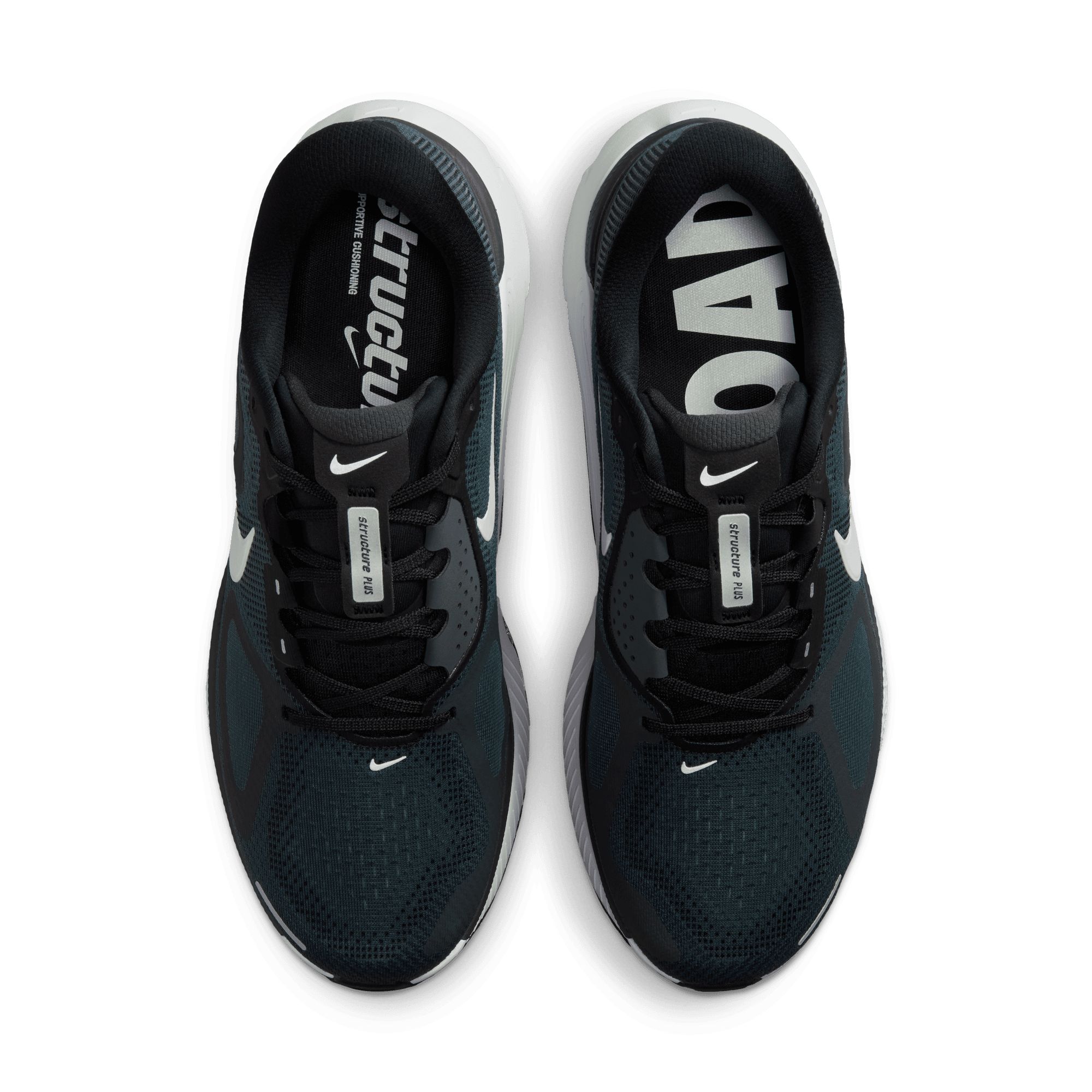
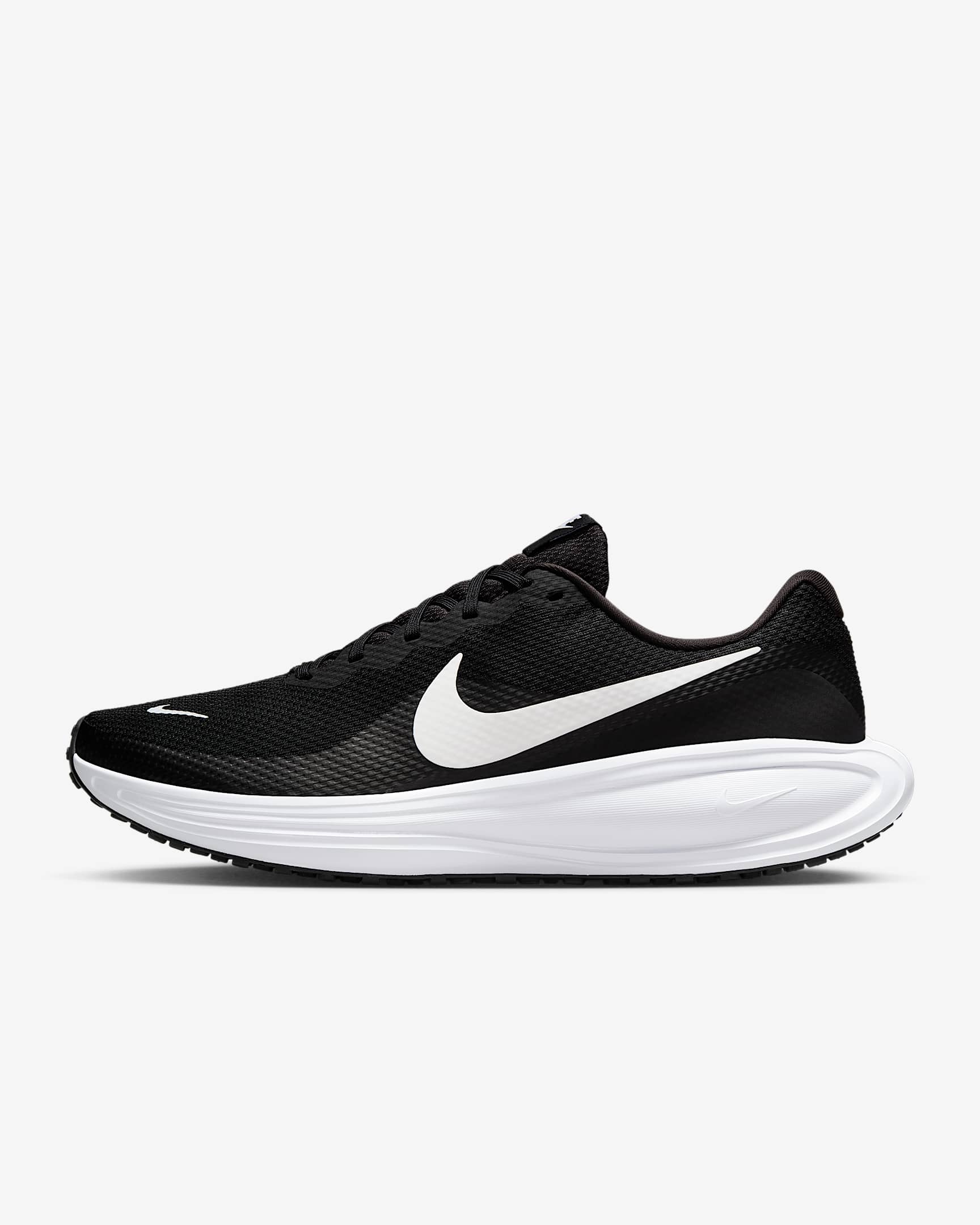
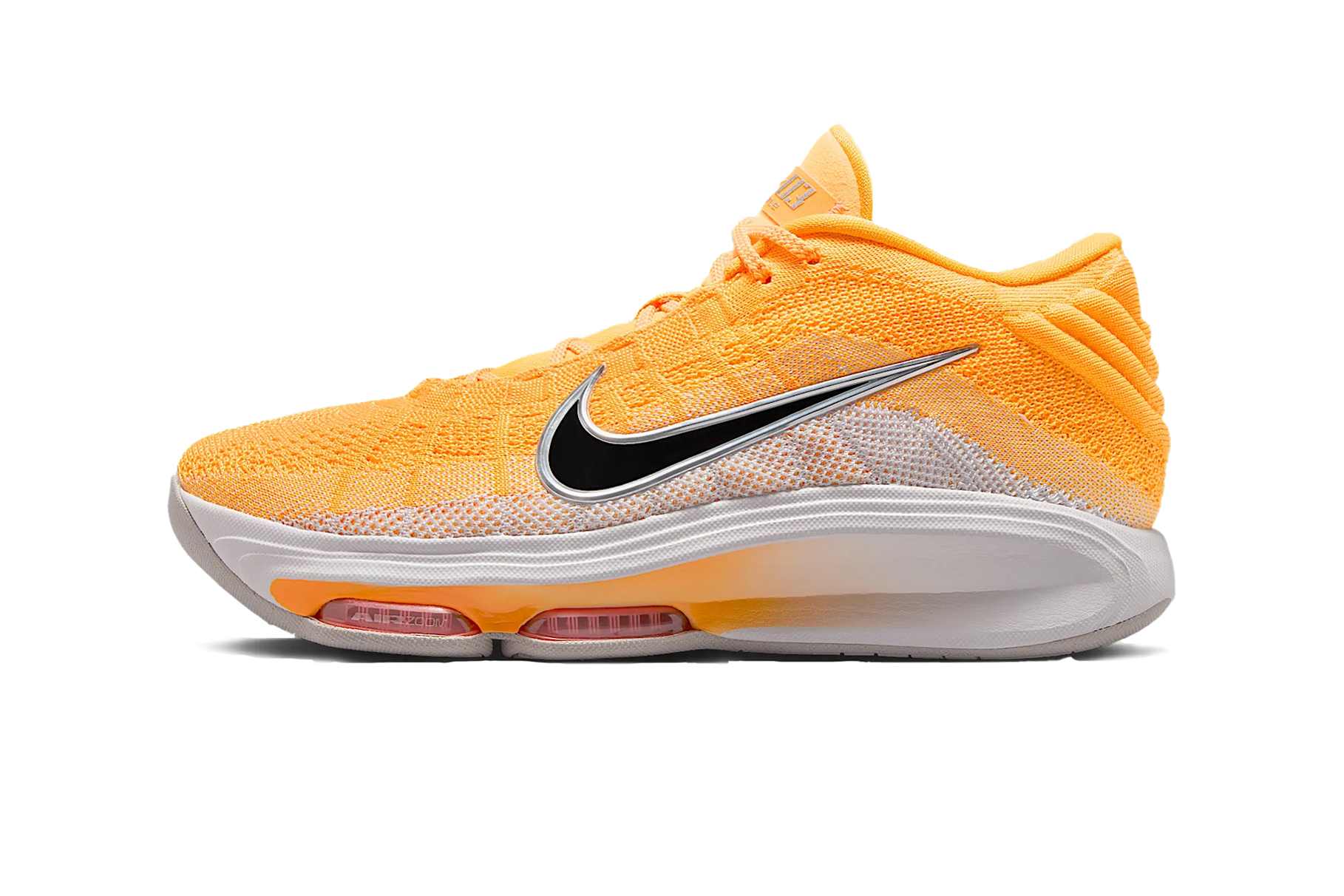
The iconic Nike Swoosh positioned on the lateral side of athletic footwear functions not only as an instantly recognizable corporate trademark, but also as a masterclass in minimalist design that fundamentally changed sports marketing, sneaker culture, and industrial footwear construction.
Contents
The Origins and Geometry of the Nike Swoosh
The story of the Nike logo begins in 1971 when Portland State University graphic design student Carolyn Davidson was paid a modest sum of $35 by company co-founder Phil Knight to create a graphic for a new line of athletic footwear. Knight famously stated that he did not love the design initially, but that it would "grow on him." That graphic—the fluid, dynamic hook known as the Swoosh—was designed to convey motion, speed, and the wings of the Greek goddess of victory, Nike, from whom the company took its name.
Placing this newly minted emblem precisely on the side of shoes was a deliberate design choice rather than an accidental placement. In the early 1970s, athletic footwear brands like Adidas relied heavily on parallel side stripes, while Onitsuka Tiger (which Blue Ribbon Sports initially imported before pivoting to Nike) used a distinctive cross-stripe motif. Davidson’s Swoosh was engineered to sweep dynamically from the midfoot toward the heel tab, wrapping the contours of the foot. This placement maximized visibility on the track and the basketball court, ensuring that spectators and competitors could identify the brand from a lateral perspective during dynamic athletic movements.
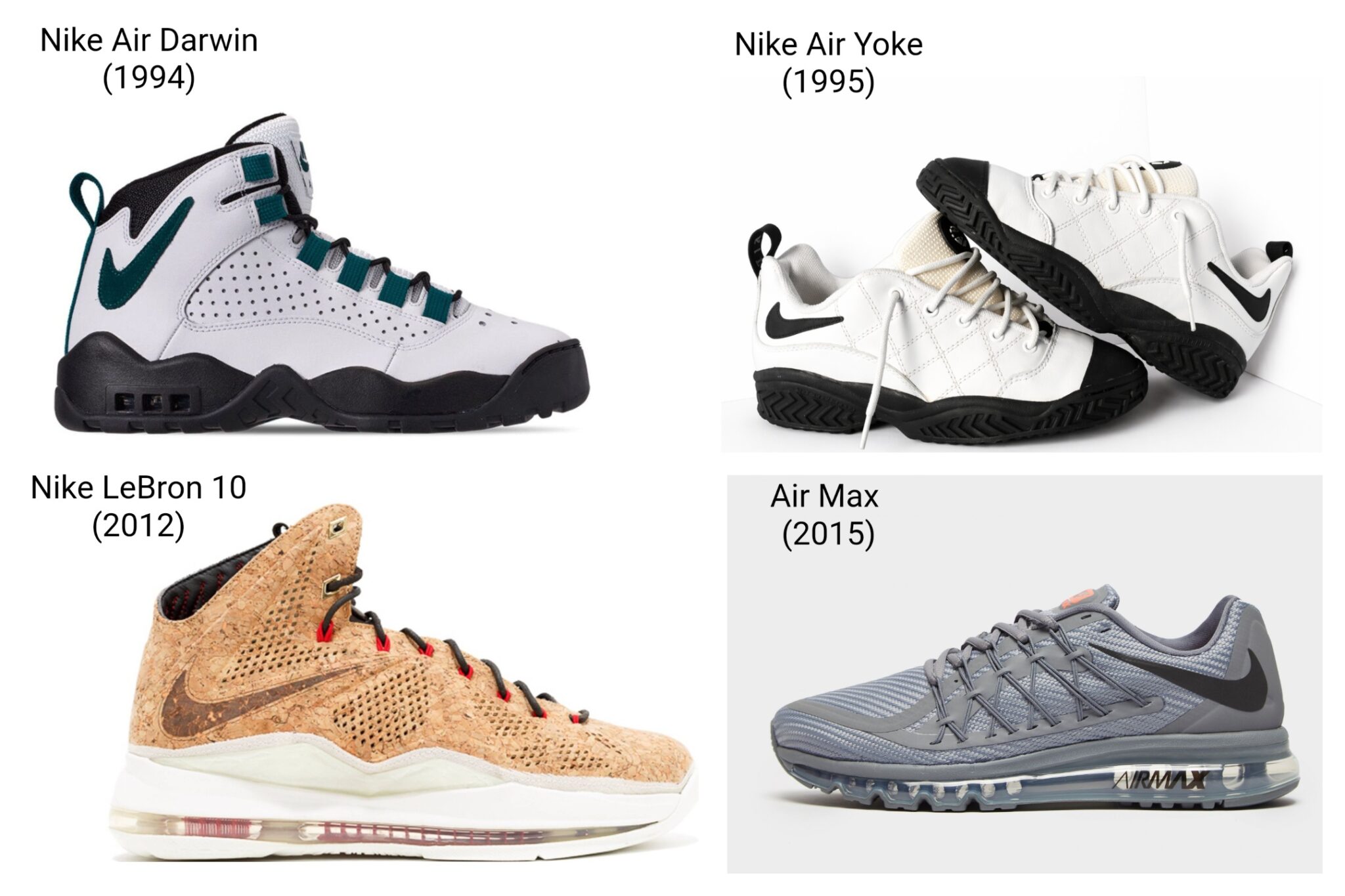
Over the decades, the geometry of the side logo has undergone subtle refinements. While the core proportions established in the 1970s remain remarkably intact, variations such as the "Jewel" Swoosh introduced in the late 1990s, embroidered outlines, oversized prints, and inverted logos have demonstrated the design's extreme versatility. Despite these iterations, the primary lateral placement has remained the anchor of Nike’s footwear architecture.
Manufacturing and Engineering Considerations
Integrating a logo onto the lateral and medial flanks of a shoe requires precise manufacturing techniques. Footwear uppers are constructed from a diverse array of materials, ranging from traditional split-grain and full-grain leathers to modern synthetic wovens, engineered meshes, and molded thermoplastic polyurethane (TPU) overlays.
| Material Type | Common Application Method | Durability and Maintenance |
|---|---|---|
| Full-Grain Leather | Direct stitching or debossing | Highly durable; requires conditioning to prevent cracking around stitch lines. |
| Engineered Mesh | Heat-pressed TPU welding or screen printing | Lightweight and flexible; resistant to fraying but susceptible to peeling under extreme heat. |
| Suede and Nubuck | Precision embroidery or layered appliques | Premium texture; requires specialized care to avoid discoloration near edges. |
| Flyknit / Woven | Direct integration into the knit pattern or heat-sealed film | Seamless integration; highly breathable with minimal risk of physical detachment. |
The choice of application method directly impacts the structural integrity of the shoe. When a logo is stitched directly onto leather uppers, the needle holes create micro-perforations that must be reinforced to prevent tearing under high-stress lateral cuts. Conversely, modern heat-welded TPU Swooshes on running shoes act as structural support cages, reinforcing the midfoot lockdown and preventing the soft mesh upper from stretching excessively during sharp turns.
Cultural Impact and Sneaker Design Evolution
The placement of the logo on the side of shoes transitioned from a functional branding exercise into a core pillar of global streetwear and subcultural identity. As Nike expanded beyond track and field into basketball, skateboarding, and tennis, the side logo became a canvas for storytelling and collaboration.
In the realm of basketball, models like the Air Jordan series initially challenged traditional branding norms. The Air Jordan I, released in 1985, prominently featured the side Swoosh alongside the newly introduced "Wings" logo. Subsequent iterations experimented with scaling down or entirely omitting the lateral Swoosh on select models to test the strength of silhouette recognition alone. However, the prominent side logo consistently remained the baseline expectation for general-release athletic footwear.
Collaborative projects with designers and cultural icons—such as Virgil Abloh’s "The Ten" collection with Off-White—deconstructed the traditional side logo. Abloh famously detached the Swoosh, holding it in place with exposed zig-zag orange stitching and attaching a signature zip-tie. This meta-commentary on the side logo highlighted how deeply ingrained the emblem is in public consciousness; by altering its attachment method, the design drew intense focus to the very concept of brand identification on footwear.
Identifying Authentic Side Logos: Verification and Quality Control
Because the side logo is the most prominent visual indicator of a Nike shoe, it serves as a primary focal point for authentication and quality control inspection. Counterfeiters frequently struggle to replicate the exact curvature, taper, and placement angles established by Nike’s industrial designers.
When examining the lateral side of a genuine Nike shoe, several structural characteristics should be verified:
- The Tail and Terminal Point: The tail of the Swoosh should sweep upward gracefully, ending in a sharp, clean point rather than a blunt or rounded tip.
- Proportions: The fat part of the Swoosh (the "belly") should maintain consistent thickness relative to the shoe's size, curving downward before swooping up toward the heel collar.
- Stitching Precision: For stitched leather or fabric applications, the stitch density must be uniform, with no loose threads, overlapping stitches, or erratic curves that deviate from the edge of the logo.
- Symmetry: Comparing the lateral and medial sides of both the left and right shoes should reveal consistent placement relative to eyelets, midsole foxing tape, and heel counters.
Manufacturing flaws occasionally pass through factory quality checks, resulting in misplaced, inverted, or double-stitched logos. In the secondary resale market, these rare factory defects—often referred to as "error pairs"—can sometimes command collector interest, though standard retail consumers generally return misaligned items for standard quality assurance replacements.
Practical Maintenance and Care for Side Logos
The longevity of the side logo depends heavily on the materials used and the maintenance routines applied by the owner. Because the lateral side of a shoe experiences frequent scuffing from opposing feet, bags, and environmental debris, the logo is often the first area to show cosmetic wear.
- Leather and Synthetic Logos: Clean regularly using a soft-bristled brush, mild dish soap, and lukewarm water. Avoid harsh chemical solvents or acetone-based products, which can dissolve painted or printed Swooshes and strip protective finishes from synthetic uppers.
- Embroidered Logos: Use a soft toothbrush to gently clear dirt trapped between individual thread fibers. Avoid abrasive scrubbing, which can fray the embroidery threads and ruin the clean lines of the design.
- Heat-Pressed or TPU Logos: Keep these shoes away from direct high-heat sources such as hair dryers, clothes dryers, or direct prolonged sunlight, as excessive heat can weaken the thermal adhesive bonding the logo to mesh uppers, causing the edges to curl or peel.
By understanding the historical intent, engineering requirements, and cultural weight of the Nike logo on the side of shoes, consumers and collectors gain a deeper appreciation for how industrial design intersects with modern fashion and athletic performance.
Image Gallery