How to Repair Cracks in Foundation Block Coating
Repairing cracks in a foundation block coating requires identifying the root cause of the damage, properly cleaning and preparing the affected surface, applying a high-grade patching compound or masonry waterproof coating, and ensuring...
Repairing cracks in a foundation block coating requires identifying the root cause of the damage, properly cleaning and preparing the affected surface, applying a high-grade patching compound or masonry waterproof coating, and ensuring proper moisture control to prevent future degradation.
Contents
Foundation block walls, constructed from concrete masonry units (CMUs), provide robust structural support for residential and commercial buildings. However, over time, the exterior or interior block coating—often consisting of stucco, acrylic parge coats, or heavy-duty masonry paint—can develop cracks due to settling, hydrostatic pressure, freeze-thaw cycles, or thermal expansion and contraction. While minor hairline cracks are often purely cosmetic, larger structural fractures or cracks accompanied by bowing and water infiltration demand immediate attention. Addressing these flaws systematically prevents water from penetrating the porous concrete blocks, which can eventually corrode reinforcing steel, weaken mortar joints, and cause interior dampness or mold growth.
Understanding Foundation Block Cracks and Their Causes
Before initiating any repair process, you must evaluate the nature and severity of the cracks. Not all foundation cracks are created equal, and treating a structural shift with a cosmetic surface patch will lead to recurrent failure.
Foundation block walls experience continuous stress from the surrounding soil. When rain saturates the earth, hydrostatic pressure increases significantly against the basement walls. If drainage systems fail, this pressure forces water through small fractures in the block coating. Additionally, seasonal temperature swings cause building materials to expand and contract, placing shear stress on brittle surface coatings like cementitious parge coats or elastomeric paints.
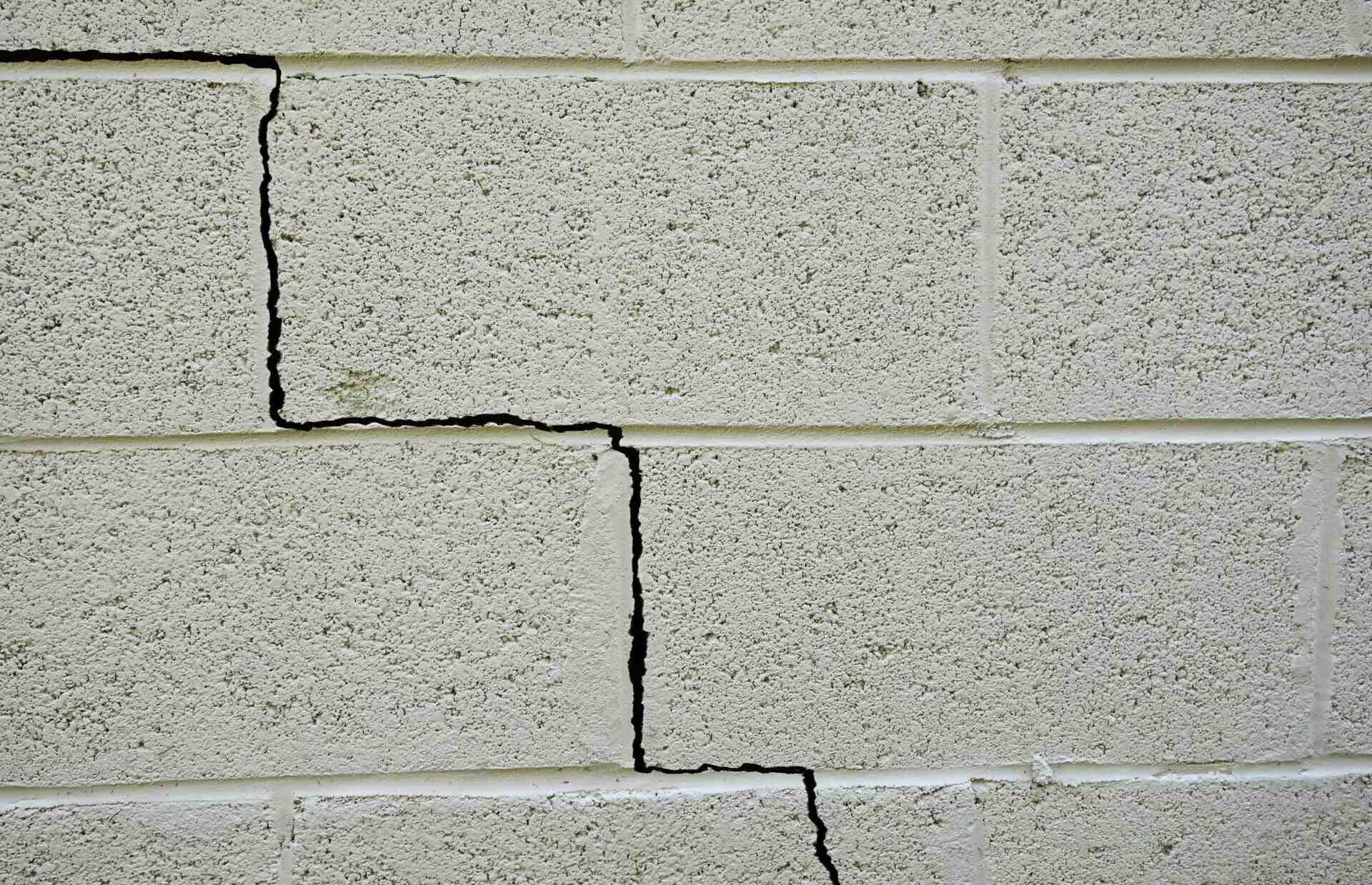
Distinguishing between non-structural and structural cracks dictates your repair strategy. Non-structural cracks are typically thin (less than 1/8 inch), stable, and caused by minor curing shrinkage or thermal movement. Structural cracks, conversely, are wider, often jagged or stair-stepped following the mortar lines of the concrete blocks, and may feature displacement where one side of the crack sits higher or further inward than the other. If you notice horizontal cracks or stair-step cracks wider than 1/4 inch, or walls bowing inward, consult a structural engineer before attempting DIY surface repairs.
Essential Tools and Materials
Executing a professional-grade repair requires specialized masonry tools and high-quality patching products. Gathering your materials beforehand ensures an uninterrupted workflow.
- Safety Equipment: Safety glasses, heavy-duty work gloves, an N95 dust mask or respirator, and knee pads.
- Cleaning Tools: Wire brush, stiff-bristle nylon brush, scraper, and a pressure washer or clean water bucket with a sponge.
- Chiseling and Widening Tools: Cold chisel, mason's hammer, and an angle grinder equipped with a masonry tuck-pointing blade (optional for deep routing).
- Application Tools: Margin trowel, pointing trowel, rubber grout float, or a stiff paintbrush depending on the repair product.
- Repair Products: Hydraulic cement for active leaks or deep voids, heavy-duty acrylic-modified masonry patching compound, or a cementitious parge mix for larger surface areas.
- Finishing Materials: Bonding agent/primer, masonry sealer, and matching exterior masonry paint or coating.
Step-by-Step Guide to Repairing Cracks in Foundation Block Coating
Successfully restoring a cracked foundation coating involves meticulous surface preparation, deep anchoring of the repair material, and proper curing to ensure long-term adhesion.
Step 1: Surface Preparation and Cleaning
A patching compound will fail immediately if applied over dirt, efflorescence, loose coating, or grease. Begin by removing all loose material around the crack using a cold chisel and a wire brush. V-cut the crack slightly by angling your chisel inward; this creates an inverted wedge shape (wider at the back than the front) that mechanically locks the patching material into place. Scrub the area thoroughly with a stiff brush and clean water to eliminate all concrete dust. Allow the surface to dry slightly, but ensure it remains damp (saturated surface dry) so the masonry substrate does not suck the moisture out of your repair product too quickly.
Step 2: Applying a Bonding Agent
For cementitious patches and masonry coatings, applying a liquid acrylic bonding agent to the exposed concrete and block edges vastly improves adhesion. Paint the bonding agent directly into the widened crack and over the surrounding inches of coating using an old paintbrush. Follow the manufacturer's specific instructions regarding whether the bonding agent should dry completely to a tacky state or remain wet when the patching material is applied.
Step 3: Mixing and Applying the Repair Compound
For hairline cracks in thin coatings, an elastomeric masonry patch can be applied directly with a putty knife or trowel. For deeper cracks penetrating through the coating into the concrete block or mortar joints, mix a high-strength hydraulic cement or acrylic mortar patch in small batches.
Press the repair material firmly into the V-cut crack using a margin trowel, ensuring it packs tightly into every void without leaving air pockets. Force the compound deep into the joint, then smooth the surface flush with the surrounding foundation block coating. If you are repairing a textured parge coat, use a damp sponge, brush, or specialized trowel to match the surrounding texture before the compound sets.
Step 4: Curing and Sealing
Proper curing is critical for cement-based masonry repairs. Keep the patched area moist for at least 24 to 48 hours by misting it lightly with water or covering it with plastic sheeting to slow down evaporation. Once the patch has cured completely and dried to a uniform color, apply a breathable, waterproof masonry sealer over the entire repaired zone. Finish by rolling or brushing on a matching exterior masonry coating or paint to restore the protective barrier and uniform aesthetic of the foundation.
| Crack Type | Severity | Primary Cause | Recommended Repair Method |
|---|---|---|---|
| Hairline / Surface Check | Minor / Cosmetic | Thermal expansion, paint aging | Clean, prime, and apply elastomeric masonry patch or heavy coating. |
| Stair-Step Mortar Crack | Moderate | Minor settling, soil movement | V-cut joint, apply acrylic mortar patch or tuck-point mortar, seal surface. |
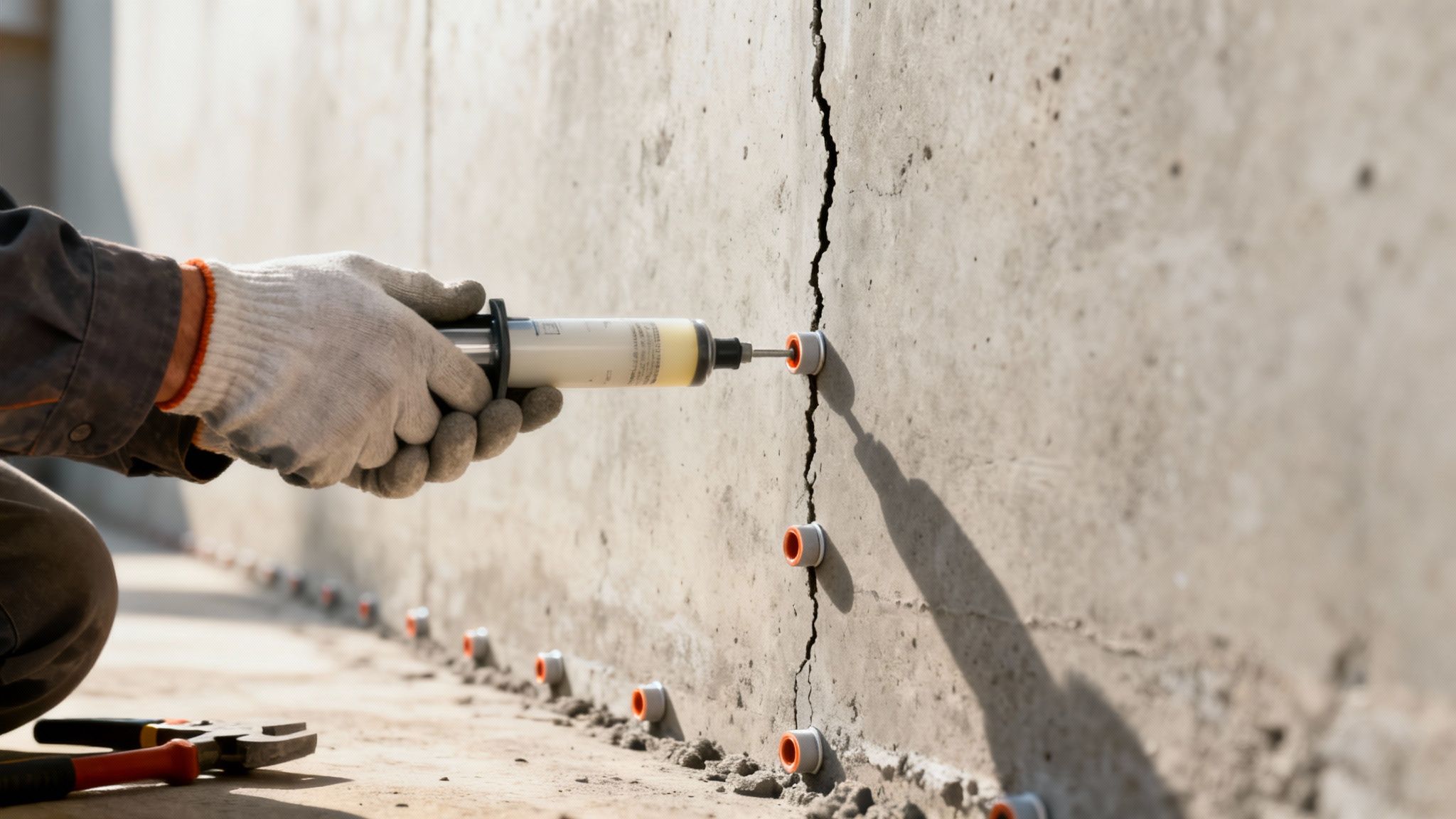
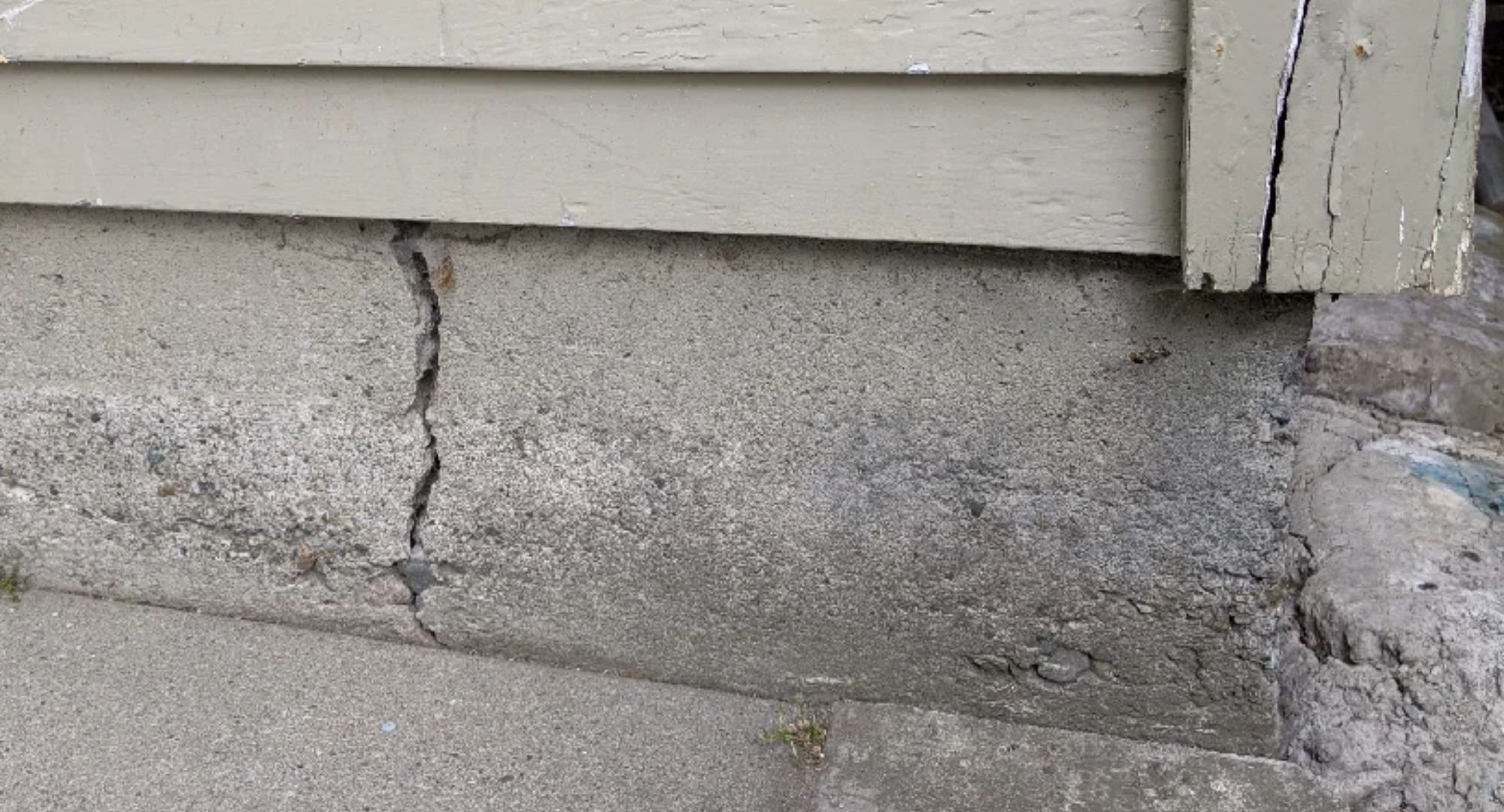
| Deep Vertical Fracture | Moderate / Severe | Foundation settling, hydrostatic load | Route out crack, pack with hydraulic cement or structural epoxy, seal. |
| Horizontal / Bowing Wall | Severe (Structural) | Extreme hydrostatic pressure | Professional structural intervention (tiebacks, braces, excavation). |
Moisture Management and Prevention
Repairing the surface coating is only half the battle; if moisture management issues are ignored, the underlying block wall will continue to degrade, and new cracks will inevitably form.
Inspect your home's exterior drainage system meticulously. Ensure that all roof gutters are clean and securely attached, and that downspouts discharge water at least four to six feet away from the foundation wall. The soil grade immediately surrounding your foundation should slope away from the house at a rate of at least six inches over the first ten feet. Installing exterior perimeter french drains or waterproofing membranes provides an advanced layer of defense against high water tables and saturated backfill soils.
Frequently Asked Questions
Can I use standard interior spackle to repair foundation block coating?
No. Standard interior spackling compounds and drywall joint compounds are water-soluble, lack structural integrity, and will disintegrate rapidly when exposed to subterranean moisture and exterior weather conditions. Always use exterior-grade, masonry-specific repair products.
How long should I wait before painting over a fresh masonry patch?
Cement-based patches and mortar repairs require a full curing cycle, typically ranging from 7 to 28 days depending on humidity and temperature, before they can be safely painted with standard coatings. Applying paint too early traps moisture inside the patch, leading to bubbling and peeling. Always consult the specific product data sheet for accurate curing timelines.
What is the difference between parging and foundation block coating?
Parging refers specifically to the application of a thin layer of cement-rich mortar or stucco directly over concrete block or foundation walls to create a smooth, finished exterior surface. Foundation block coatings encompass a broader category that includes parge coats, elastomeric waterproof paints, and specialized masonry sealants designed to protect the blocks.
Are stair-step cracks in block walls always dangerous?
Not always, but they require careful evaluation. Minor stair-step cracks limited to the mortar joints are common in older homes due to normal, minor settlement. However, if the cracks are widening over time, admitting water, or accompanied by displaced blocks, they indicate active structural movement.
Conclusion and Next Actions
Repairing cracks in a foundation block coating preserves the structural integrity and aesthetic appeal of your property while preventing costly water damage. Begin by thoroughly cleaning and preparing the damaged area, selecting the correct masonry repair compound for the depth of the crack, and finishing with a high-grade waterproof sealer and coating. If you encounter wide structural fractures, recurring dampness, or wall displacement, immediately document the cracks and schedule an evaluation with a licensed foundation specialist.
Image Gallery