The Best Cheap Floor Options for Modern Homes
Finding stylish, contemporary flooring on a budget requires balancing visual aesthetics with durability, ease of installation, and long-term maintenance costs. Modern home design emphasizes clean lines, minimalist textures, and neutral...
Finding stylish, contemporary flooring on a budget requires balancing visual aesthetics with durability, ease of installation, and long-term maintenance costs. Modern home design emphasizes clean lines, minimalist textures, and neutral palettes, all of which can be achieved affordably using innovative materials like luxury vinyl planks, sheet vinyl, peel-and-stick tiles, and polished concrete finishes.
Contents
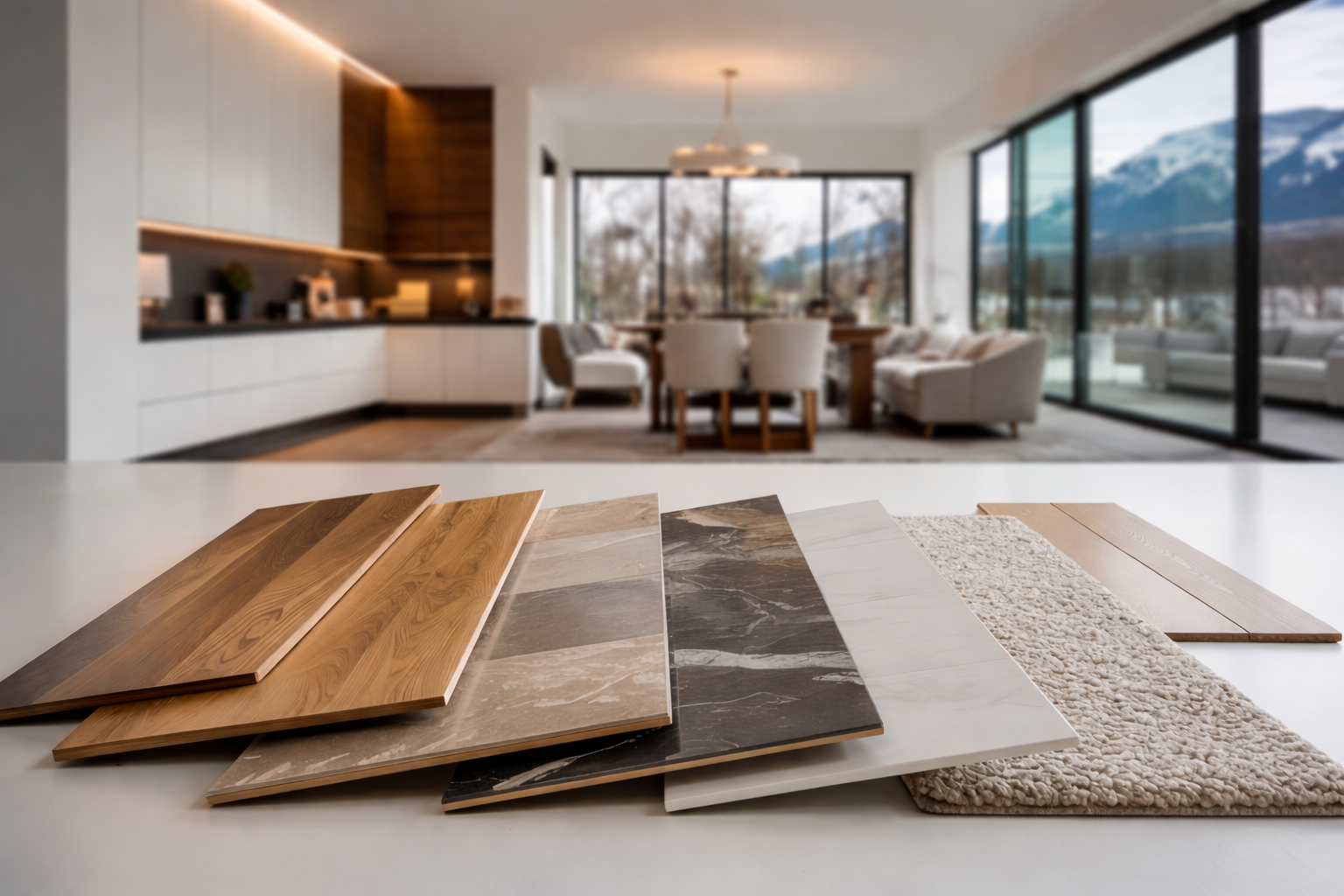
Achieving a high-end look without a luxury price tag relies heavily on understanding material composition, installation methods, and spatial suitability. Traditional hardwoods and natural stone elevate contemporary interiors, but their steep material and labor costs often derail budget-conscious renovations. Fortunately, manufacturing advancements allow modern budget-friendly flooring solutions to closely replicate the look of organic timber, polished slate, and poured concrete. This guide explores the most effective, economical floor options for modern homes, breaking down costs, installation requirements, performance attributes, and design versatility.
Understanding Modern Flooring Requirements
Modern interior design relies on consistency, light reflectivity, and uncluttered surfaces. When selecting budget-friendly floors for a contemporary space, homeowners must consider how the material interacts with natural light, open-plan layouts, and daily traffic.
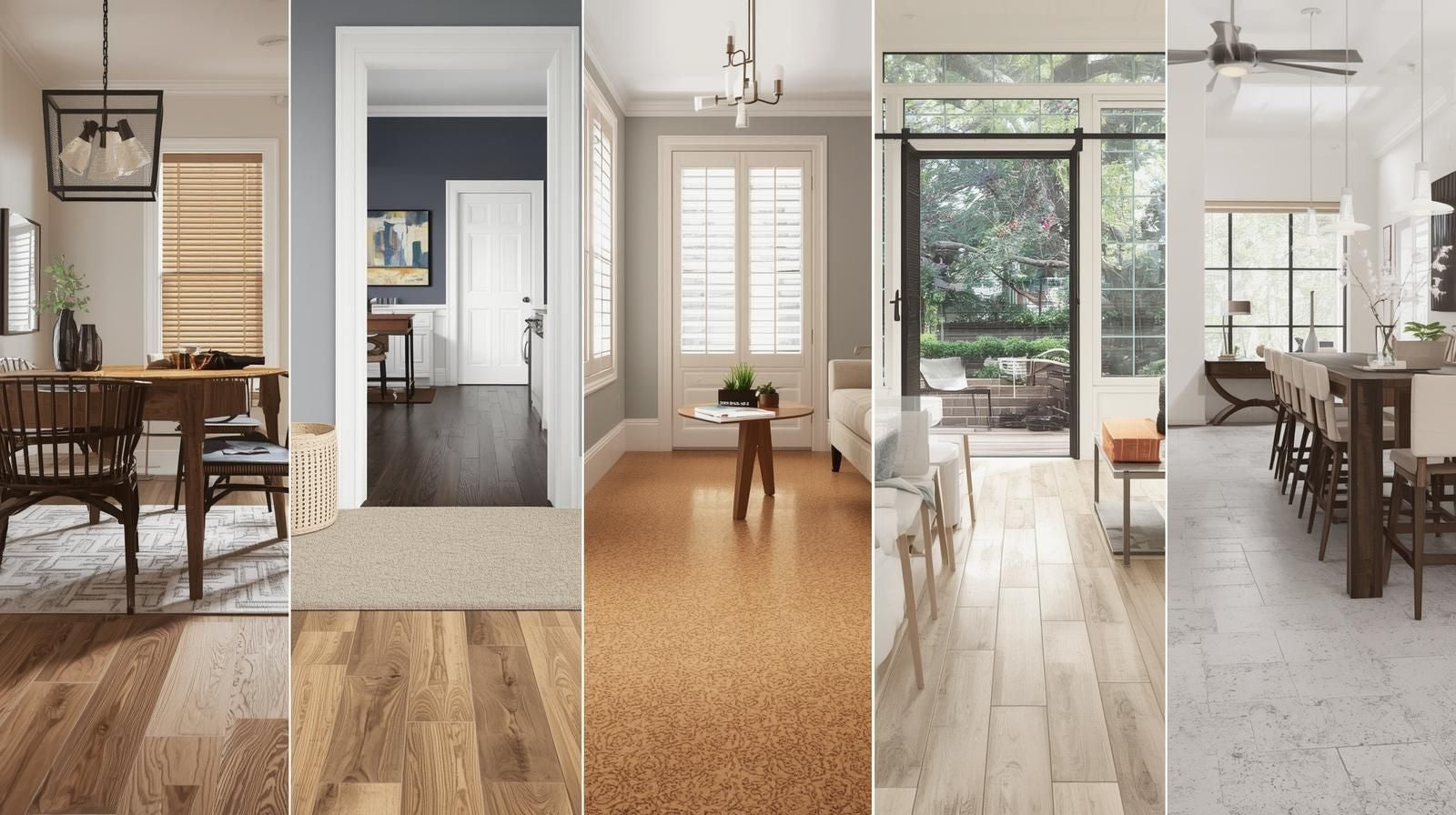
Unlike traditional designs that favor heavily grained woods or ornate patterns, modern aesthetics lean toward wide planks, matte finishes, large-format tiles, and seamless transitions between rooms. Flooring serves as the foundational canvas for the entire home. Therefore, choosing a low-cost option does not mean compromising on spatial flow or visual continuity.
Key Design Priorities for Contemporary Spaces
- Minimalist Visuals: Clean edges, low-contrast grout lines, and restrained grain patterns prevent visual clutter.
- Seamless Transitions: Using the same flooring material across multiple open-plan zones creates an expansive, unified feel.
- Matte and Satin Finishes: High-gloss floors can look dated and show dust easily; low-luster surfaces feel more grounded and modern.
- Neutral Color Palettes: Grays, bleached oaks, warm beiges, and charcoal tones complement modern furniture and architectural hardware.
Top Budget-Friendly Flooring Materials Compared
To help homeowners navigate the market, the following table compares the most popular low-cost flooring options across key performance and financial metrics.
| Flooring Material | Estimated Cost (Per Sq. Ft.) | Installation Method | Water Resistance | Durability | Best Room Applications |
|---|---|---|---|---|---|
| Luxury Vinyl Plank (LVP) | $2.00 – $7.00 | Click-lock / Glue-down | 100% Waterproof | High | Living rooms, kitchens, bathrooms, basements |
| Sheet Vinyl | $0.50 – $2.00 | Glue-down / Loose lay | 100% Waterproof | Moderate | Kitchens, laundry rooms, bathrooms |
| Peel-and-Stick Vinyl Tile | $1.00 – $3.00 | Peel-and-stick adhesive | High (if sealed properly) | Low to Moderate | Powder rooms, laundry spaces, entryways |
| Painted Subfloor / Concrete | $0.50 – $1.50 | Rollers / Concrete stain | Moderate (with sealant) | Moderate | Basements, lofts, minimalist living areas |
| Carpet Tiles | $1.50 – $4.00 | Adhesive tabs / Peel-and-stick | Low | Moderate | Home offices, media rooms, bedrooms |
1. Luxury Vinyl Plank (LVP)
Luxury Vinyl Plank has revolutionized budget remodeling, making it the premier choice for modern homes. Engineered with multiple layers—including a photorealistic print film and a durable wear layer—LVP convincingly mimics hardwood, stone, and concrete at a fraction of the cost.
Aesthetic Versatility
LVP is available in wide, long planks that align with modern architectural trends. Matte finishes and embossed-in-register textures—where the surface grain physically matches the printed wood pattern—provide a realistic tactile experience that avoids the plastic sheen of older vinyl products.
Installation and Performance
Most modern LVP features a click-lock tongue-and-groove system suitable for floating floor installations. Homeowners with basic DIY skills can install it over existing tile, wood, or concrete subfloors without specialized heavy machinery.
- Waterproof Construction: Unlike laminate, standard LVP is completely impervious to moisture, making it ideal for open-plan kitchens and main-level powder rooms.
- Acoustic Comfort: Thicker planks often include an attached IXPE or cork underlayment, reducing footstep noise and providing a softer underfoot feel than ceramic tile or hardwood.
2. Sheet Vinyl
Often dismissed as a relic of past decades, modern sheet vinyl has undergone a quiet design renaissance. Available in rolls up to 12 feet wide, contemporary sheet vinyl offers continuous, seamless surfaces that outperform tile and planks in moisture-prone zones.
Modern Patterns and Geometric Styles
Manufacturers now produce sheet vinyl featuring Scandinavian blonde wood looks, large-format terrazzo, encaustic geometric tiles, and industrial concrete aesthetics. Because there are no grout lines or individual plank seams, graphic patterns remain crisp and uninterrupted, enhancing minimalist interiors.
Cost and Maintenance Benefits
Sheet vinyl ranks among the least expensive floor coverings available, with material costs frequently falling below $1.50 per square foot. Maintenance involves simple sweeping and damp mopping with a pH-neutral cleaner. While professional installation is often recommended to ensure precise cutting and pattern alignment around corners, DIY-friendly loose-lay versions exist for smaller rooms.
3. Peel-and-Stick Vinyl Tiles
For homeowners tackling low-traffic zones, rentals, or accent areas on a strict budget, peel-and-stick vinyl tiles provide a flexible, highly customizable solution.
Achieving High-End Looks on a Dime
By selecting geometric marble-look squares, slate-textured rectangles, or monochromatic black-and-white tiles, homeowners can mimic high-end European flooring styles for minimal investment. Staggering square tiles in a running bond pattern or laying them in a herringbone layout elevates the overall visual impact.
Surface Preparation and Cautions
The longevity of peel-and-stick flooring depends entirely on subfloor preparation. The substrate must be completely clean, dry, and smooth. Any dust or texture will telegraph through the thin vinyl over time. Applying an aftermarket acrylic primer or extra floor adhesive can significantly improve bond strength in areas subject to temperature fluctuations.
4. Painted Subfloors and Polished Concrete
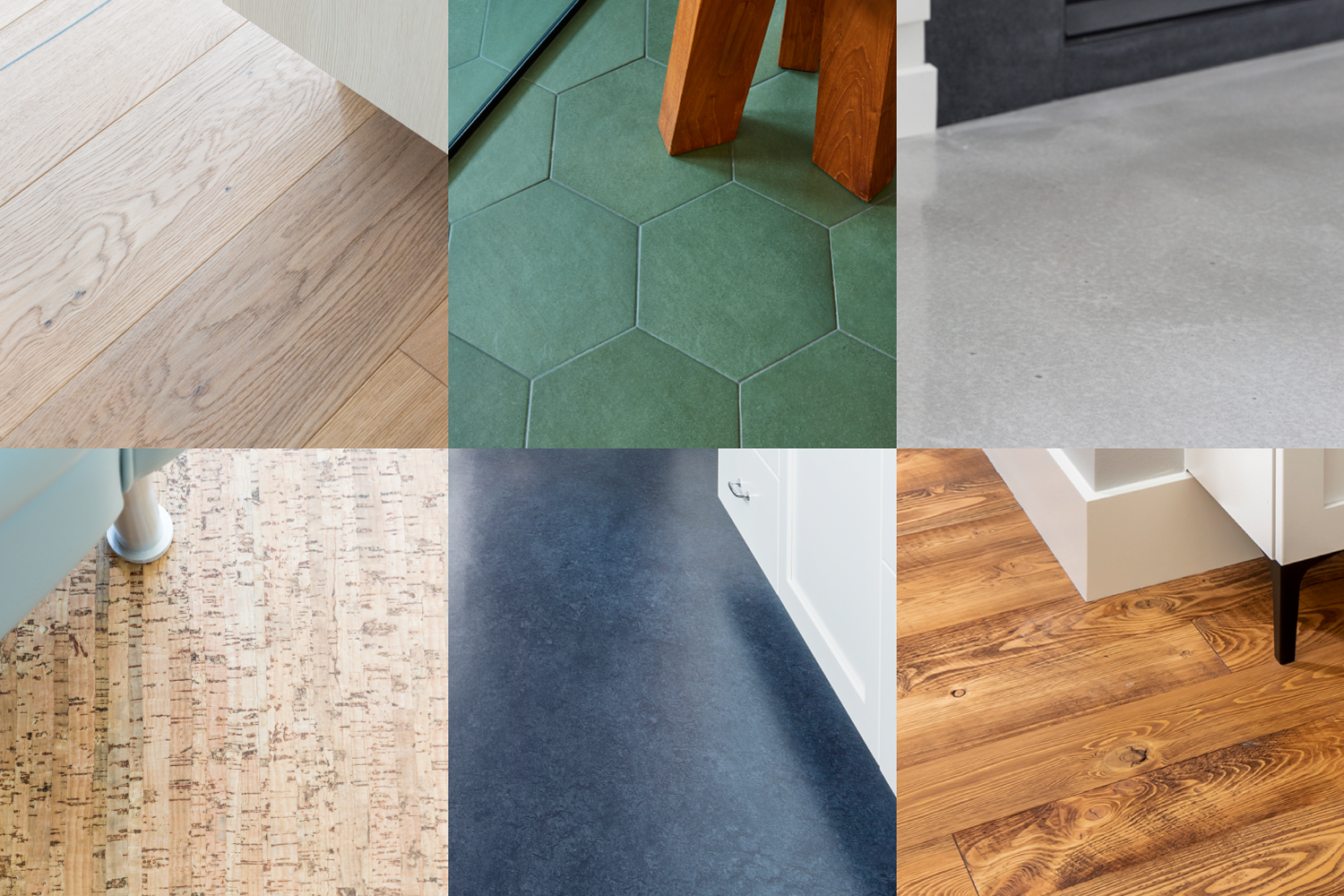
Embracing raw, industrial materials is a hallmark of modern and loft-style interior design. If a home features a structurally sound concrete slab or an exposed plywood subfloor, painting or staining the surface delivers a high-design aesthetic for the cost of a few cans of specialty floor paint and sealant.
Staining and Sealing Concrete
Acid-based or water-based concrete stains create mottled, earthy tones resembling natural leather or aged stone. Once sealed with a matte polyurethane or epoxy coat, a treated concrete floor resists stains, withstands heavy foot traffic, and reflects ambient light to brighten modern living spaces.
Painted Plywood Subfloors
In historic renovations or second-story additions, sanding down plywood subfloors and applying porch and floor enamel yields a clean, minimalist Scandinavian aesthetic. Homeowners can paint solid neutrals, create bold graphic stripes, or stencil faux-tile patterns directly onto the wood. While prone to eventual wear in high-traffic corridors, touch-ups require minimal effort and cost.
5. Modular Carpet Tiles
While wall-to-wall carpeting has largely fallen out of favor in open-concept modern architecture, modular carpet tiles offer a textured, acoustic-softening alternative for specific functional zones.
Zonal Design and Texture
Carpet tiles allow homeowners to define specific spaces within an open floor plan, such as a home office nook or a media lounge. Modern commercial-grade carpet tiles feature low-profile loop or patterned cut piles that read as textured wool rather than traditional plush residential carpet.
Ease of Replacement
If a tile suffers a permanent stain or damage, the owner can peel up the single modular square and replace it without disrupting the surrounding floor. Most tiles secure via releasable pressure-sensitive adhesives or interlocking tabs, streamlining installation.
Practical Cost-Saving Strategies for Flooring Projects
Choosing an affordable material is only the first step in managing a budget renovation. Maximizing financial efficiency requires careful planning around labor, waste management, and subfloor preparation.
- DIY Installation: Opting for floating click-lock LVP or peel-and-stick tiles eliminates professional installation labor fees, which can equal or exceed the cost of the flooring materials themselves.
- Accurate Material Calculations: Measure room square footage carefully and add a 10% waste factor for cutting errors and pattern matching. Over-ordering wastes money, while under-ordering stalls projects.
- Subfloor Inspection: Inspect the subfloor before purchasing materials. Addressing uneven spots, water damage, or squeaks beforehand prevents premature flooring failure.
- Off-Cut Utilization: Plan plank layouts to minimize waste, using leftover end-pieces to start subsequent rows where appropriate.
Frequently Asked Questions
What is the cheapest flooring option for a modern home?
Sheet vinyl and painted subfloor finishes represent the lowest-cost options, often running under $1.50 per square foot for materials. Luxury Vinyl Plank follows closely as the most cost-effective solution that balances low price with high-end modern aesthetics.
Can I install budget vinyl flooring over existing tile?
Yes, most click-lock Luxury Vinyl Planks and certain rigid-core sheet vinyl products can float directly over existing ceramic or porcelain tile, provided the grout lines are shallow and the surface is level. Deep grout lines may telegraph through thin vinyl, requiring a skim coat of floor patch first.
How do I make cheap flooring look expensive?
Focus on color selection, finish, and installation details. Choose matte or low-luster finishes in neutral, sophisticated tones (such as warm greige, white oak, or charcoal). Ensure clean perimeter cuts, use matching transition moldings, and extend the flooring continuously through open doorways to enhance spatial flow.
Is Luxury Vinyl Plank waterproof or water-resistant?
Quality LVP features a 100% waterproof PVC or WPC/SPC core, meaning standing water will not warp or damage the planks. However, homeowners should still wipe up spills promptly to prevent moisture from seeping into subfloor joints or perimeter gaps.
How long do budget flooring options typically last?
Durability varies by material and traffic levels. Quality Luxury Vinyl Plank systems often last 15 to 25 years with proper care. Sheet vinyl typically lasts 10 to 15 years, while painted subfloors may require touch-ups or resealing every 3 to 5 years depending on household activity.
Final Recommendation
For most modern homeowners seeking an ideal balance of cost, durability, and contemporary style, Luxury Vinyl Plank (LVP) remains the standout choice. Its waterproof performance, wide selection of wood and stone aesthetics, and DIY-friendly installation system make it a reliable foundation for open-plan living. For ultra-tight budgets or specialized spaces like utility rooms, sheet vinyl offers an affordable, seamless alternative that delivers clean, modern lines without financial strain. Assess room moisture levels, daily traffic volume, and your own DIY comfort level before making a final purchasing decision.
Image Gallery