What Draft Pick Was LeBron James? Complete History and Context
LeBron James was selected as the number one overall pick in the 2003 NBA Draft by the Cleveland Cavaliers. Widely regarded as one of the most anticipated player selections in the history of professional sports, his arrival in the NBA f...
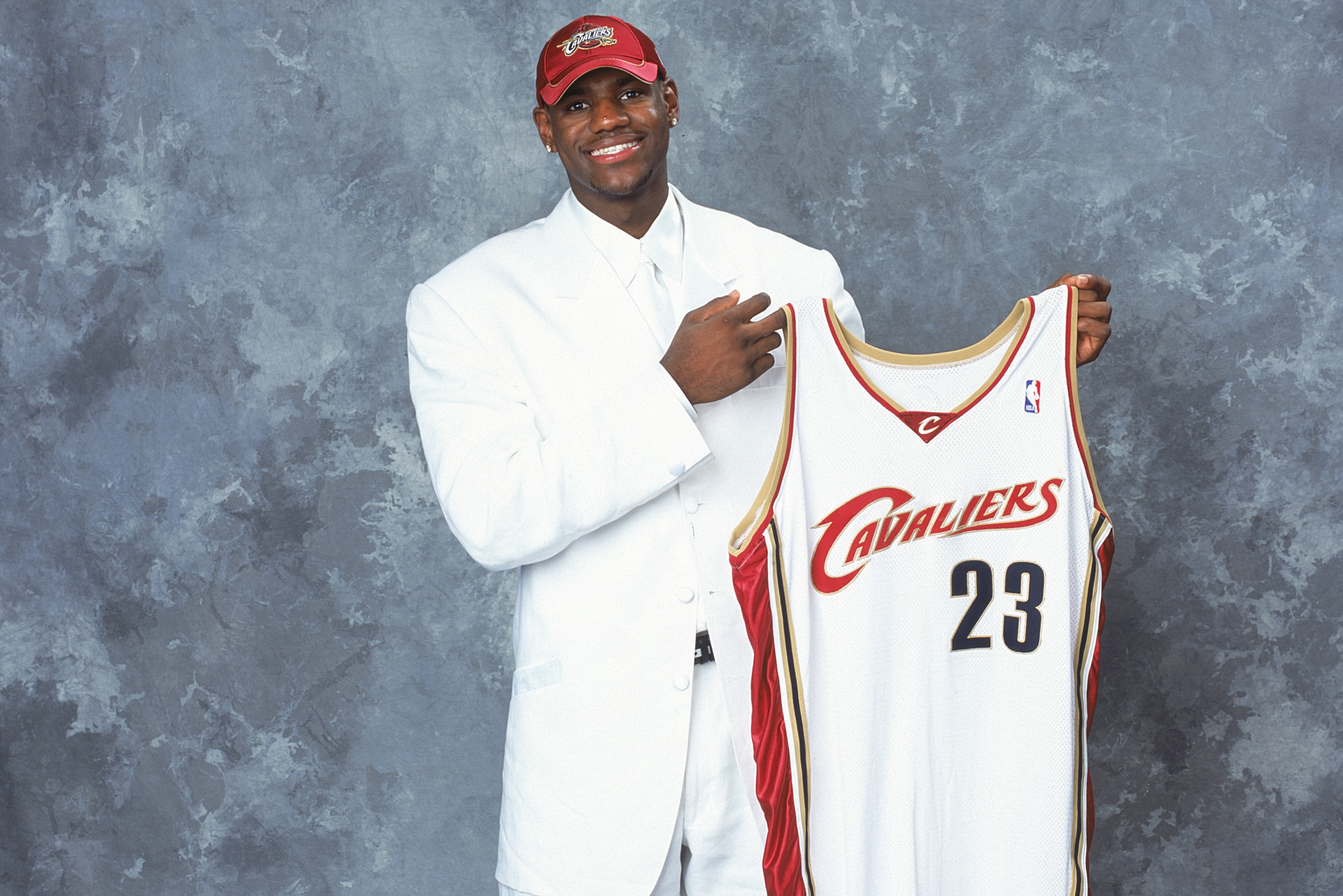
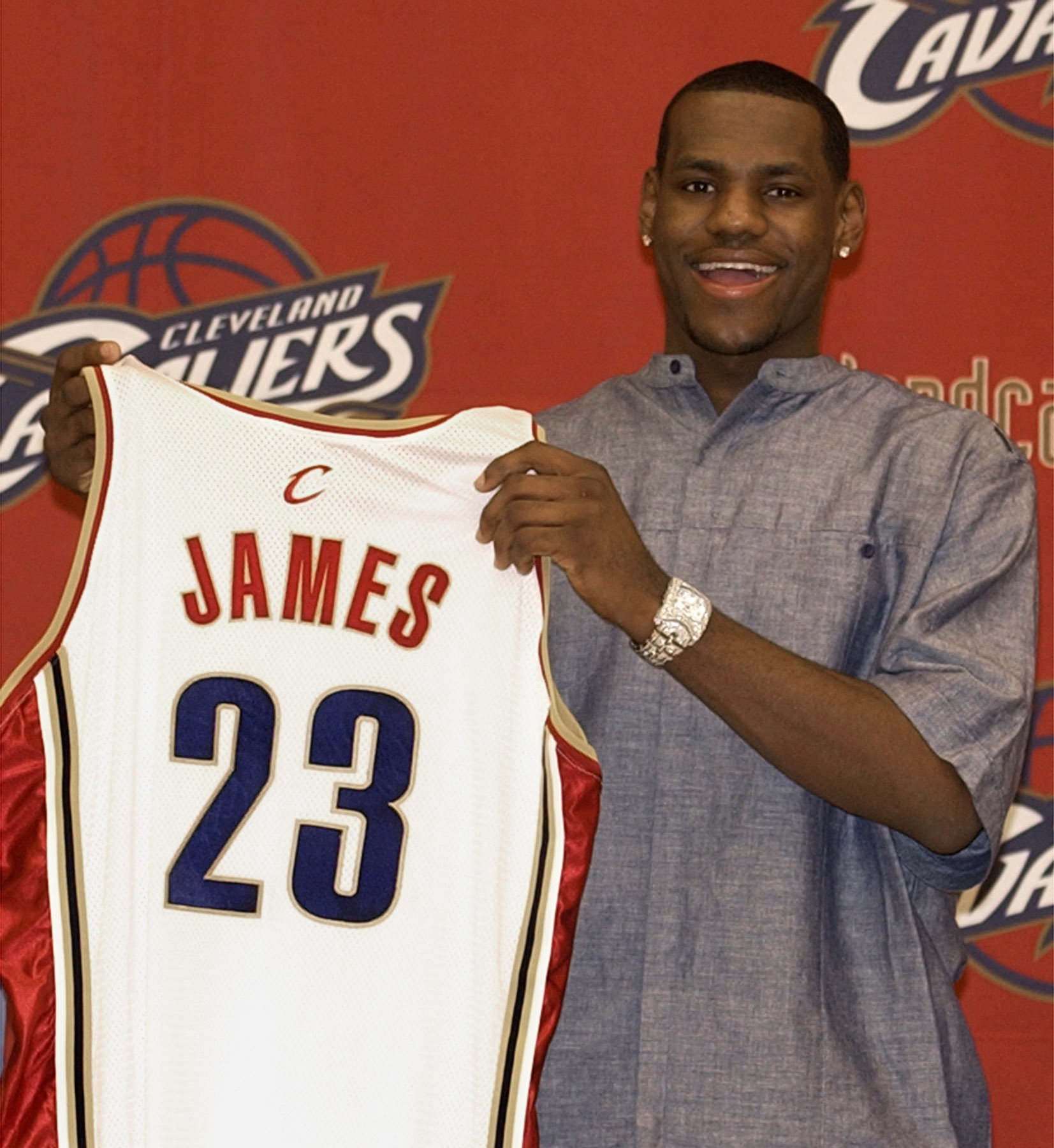
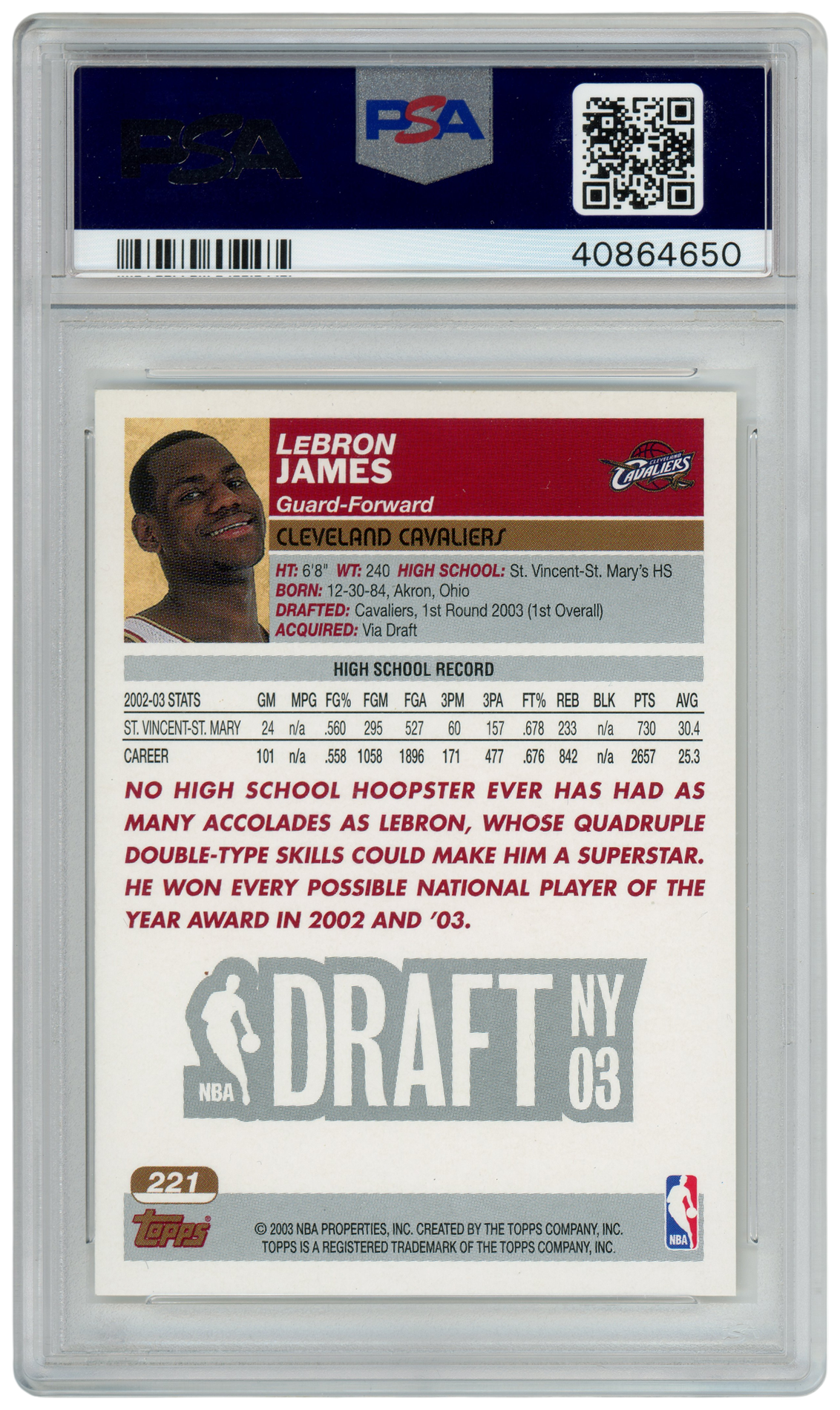
LeBron James was selected as the number one overall pick in the 2003 NBA Draft by the Cleveland Cavaliers. Widely regarded as one of the most anticipated player selections in the history of professional sports, his arrival in the NBA fundamentally altered the trajectory of the franchise and the broader landscape of modern basketball.
Contents
The 2003 NBA Draft stands as a watershed moment in basketball history, featuring a legendary class of prospects that entered the league with immense expectations. Understanding what draft pick LeBron James was requires examining not only the mechanics of the draft lottery system that positioned his hometown team to secure the selection, but also the cultural and athletic landscape of high school basketball evaluation at the turn of the 21st century. This analysis explores the pre-draft hype, the intricacies of the 2003 selection process, the immediate and long-term impacts of his entry into the league, and the historical context of how the Cleveland Cavaliers built their future around a generational teenager from Akron, Ohio.
The Context of the 2003 NBA Draft
The 2003 NBA Draft took place on June 26, 2003, at the Hulu Theater at Madison Square Garden in New York City. Long before commissioner David Stern announced his name, LeBron James was the undisputed focal point of scouting reports, television broadcasts, and front-office strategies across the National Basketball Association. Coming straight out of St. Vincent-St. Mary High School in Akron, Ohio, James had already graced the covers of national sports publications, and several of his high school games had been nationally televised on cable networks and syndication—an unprecedented phenomenon for a prep-to-pro amateur athlete at the time.
The collective focus of struggling franchises that season was not merely on securing a high lottery pick, but specifically on capturing the rights to draft James. The league had previously seen successful high school-to-professional transitions like Kevin Garnett, Kobe Bryant, and Tracy McGrady, but none had carried the celestial weight of expectations that accompanied James. Scouts and general managers praised his extraordinary court vision, passing ability, physical maturity at age 18, and defensive instincts, evaluating him as a generational talent who could immediately step into an NBA starting lineup and elevate an entire organization.
How the Cleveland Cavaliers Secured the First Pick
The path for LeBron James to land with the Cleveland Cavaliers was governed by the NBA Draft Lottery, a weighted system designed to give non-playoff teams a chance at securing the top selection while discouraging deliberate tanking. During the 2002-03 NBA regular season, the Cavaliers finished with a dismal 17-65 record, tying the Denver Nuggets for the league's worst overall mark.
Heading into the May 2003 lottery drawing, the Cavaliers held a 22.5% statistical probability of winning the top pick, tied with Denver. When the ping-pong balls bounced in favor of Cleveland, it sparked jubilation in Northeast Ohio and cemented a fairy-tale scenario where a local prodigy would play for his home-state professional team.
| Team | 2002-03 Record | Lottery Probability |
|---|---|---|
| Cleveland Cavaliers | 17-65 | 22.5% |
| Denver Nuggets | 17-65 | 22.5% |
| Memphis Grizzlies* | 28-54 | 8.9% |
| Toronto Raptors | 24-58 | 15.7% |
*Note: The Memphis Grizzlies' pick was conveyed to the Detroit Pistons as part of a prior transaction.
Securing the top pick eliminated any suspense regarding who would be selected first. While other elite prospects in the 2003 class—such as Carmelo Anthony, Chris Bosh, and Dwyane Wade—generated significant praise and high draft status, James was the consensus number one choice from the moment the college and high school seasons concluded.
The Rest of the 2003 NBA Draft First Round
While LeBron James dominated the headlines as the undisputed number one pick, the 2003 draft class proved to be one of the deepest and most talented groups in NBA history. The selections immediately following James shaped the competitive balance of the league for the next two decades.
- Number 2 Pick: Darko Miličić, selected by the Detroit Pistons. A heralded international prospect from Serbia, Miličić was chosen ahead of future Hall of Famers like Carmelo Anthony, Chris Bosh, and Dwyane Wade, becoming a frequently cited example of draft-night strategy.
- Number 3 Pick: Carmelo Anthony, selected by the Denver Nuggets. After leading Syracuse University to an NCAA national championship as a freshman, Anthony made an immediate offensive impact in the NBA.
- Number 4 Pick: Chris Bosh, selected by the Toronto Raptors. Bosh developed into a multi-time All-Star and a foundational piece for Toronto before later teaming up with James in Miami.
- Number 5 Pick: Dwyane Wade, selected by the Miami Heat. Wade emerged as one of the premier shooting guards in league history, capturing multiple championships alongside James later in their careers.
This star-studded top five underscores the historic nature of the 2003 draft, with James leading a class that would collectively redefine the NBA's style of play, commercial appeal, and competitive landscape.
Immediate Impact and Rookie Season Performance
Entering the NBA directly from high school places immense pressure on a young athlete, but LeBron James exceeded statistical and cultural benchmarks during his rookie campaign. Making his professional debut on October 29, 2003, against the Sacramento Kings, James scored 25 points, dished out 9 assists, grabbed 6 rebounds, and recorded 4 steals while shooting 60 percent from the field.
Throughout the 2003-04 season, he appeared in 79 games, averaging 20.9 points, 5.5 rebounds, and 5.9 assists per contest. He became the youngest player in NBA history to score 40 points in a single game and comfortably won the NBA Rookie of the Year Award, receiving 78 of 118 first-place votes to edge out Carmelo Anthony. Although the Cavaliers missed the playoffs by a narrow margin, improving their win total by 18 games from the previous season, James established himself as an elite floor general and franchise cornerstone from day one.
Frequently Asked Questions
What year was LeBron James drafted?
LeBron James was drafted in 2003. He declared for the NBA draft following his senior year at St. Vincent-St. Mary High School, becoming eligible under league rules at the time that allowed players to enter directly from high school.
Which team drafted LeBron James?
He was drafted by the Cleveland Cavaliers. As a native of Akron, Ohio, playing for his home-state franchise created a unique narrative that heavily influenced local sports culture and national media attention throughout his early career.
Who was drafted after LeBron James in 2003?
Darko Miličić was selected with the second overall pick by the Detroit Pistons. Following Miličić, Carmelo Anthony was selected third by the Denver Nuggets, Chris Bosh went fourth to the Toronto Raptors, and Dwyane Wade was picked fifth by the Miami Heat.
Did LeBron James play college basketball?
No, LeBron James did not play college basketball. He transitioned directly from high school to the NBA, bypassing the NCAA eligibility requirements that were standard for most prospects of his era before the league implemented age and experience limitations.
How many high school players have been selected as the number one pick?
LeBron James is one of a select group of players drafted number one overall directly out of high school. Other notable names include Kwame Brown (2001) and Dwight Howard (2004), though rule changes implemented in 2006 effectively ended the practice by requiring players to be at least one year removed from high school.
Conclusion and Legacy
The selection of LeBron James as the number one pick in the 2003 NBA Draft set in motion a professional career defined by longevity, statistical dominance, and sustained excellence. By translating unprecedented amateur hype into concrete on-court success—including multiple championships, regular-season MVP awards, and all-time scoring milestones—James validated the consensus evaluation of every scout who marked him as the undisputed top prospect of his generation. For fans, analysts, and historians of the game, understanding his draft status provides crucial context for the structural evolution of the modern NBA and the enduring legacy of the legendary 2003 draft class.
Image Gallery