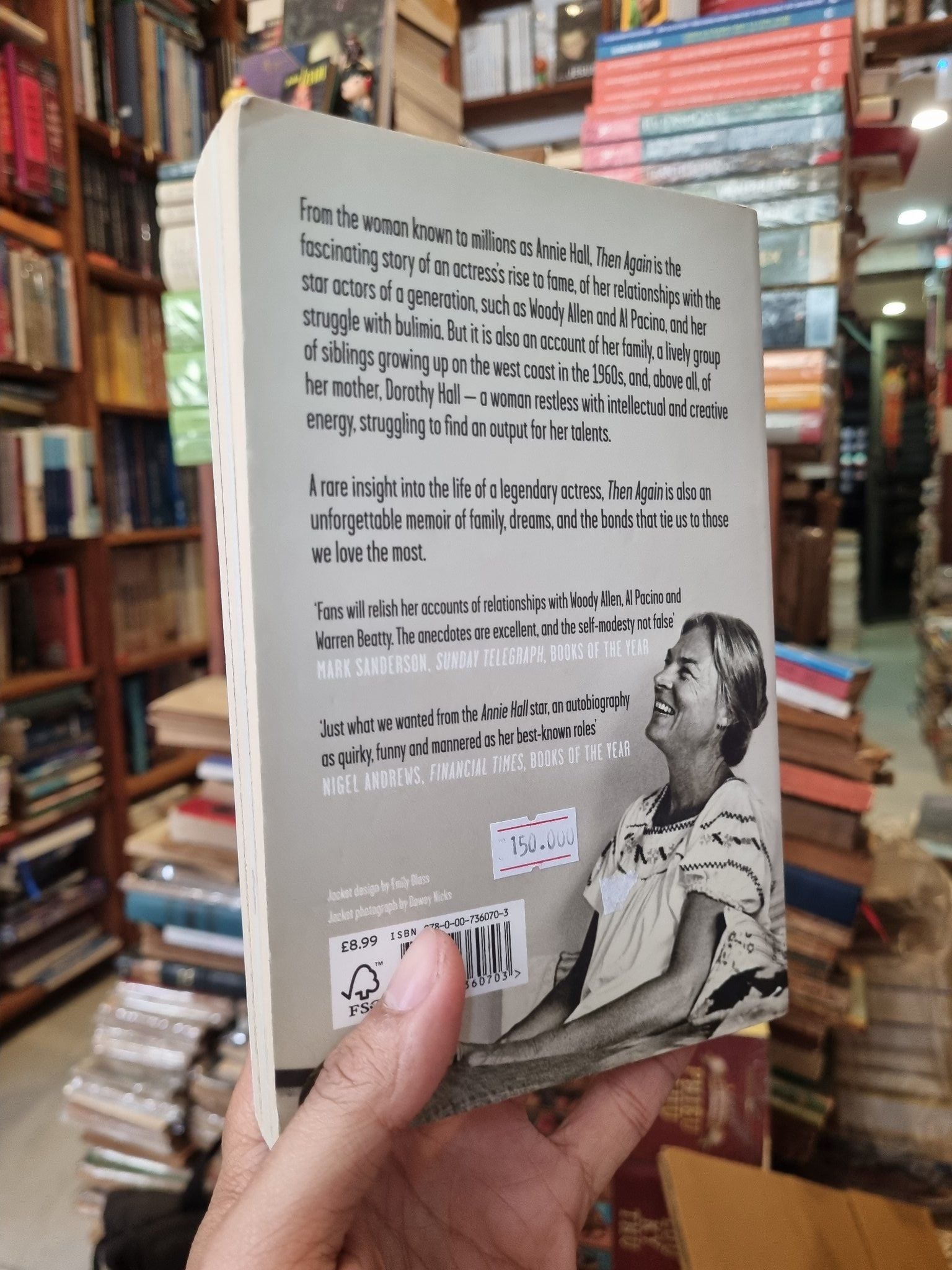
The Significance of Diane Keaton's Memoir Then Again
Diane Keaton’s 2011 memoir, Then Again, stands as a significant contribution to celebrity autobiography by subverting traditional Hollywood tell-all conventions through a deeply reflective examination of maternal legacy, identity, and...
Diane Keaton’s 2011 memoir, Then Again, stands as a significant contribution to celebrity autobiography by subverting traditional Hollywood tell-all conventions through a deeply reflective examination of maternal legacy, identity, and artistic independence. Rather than focusing exclusively on her cinematic career and high-profile romances, Keaton anchors her narrative in the life of her mother, Dorothy Keaton, utilizing personal journals, letters, and memories to explore how maternal influence shapes female ambition and self-worth.
Contents
Deconstructing the Traditional Hollywood Memoir
Autobiographies written by famous actors frequently follow a predictable trajectory: early struggles, the breakthrough role, industry anecdotes, and reflections on fame. Then Again largely eschews this formula. While Diane Keaton chronicles her rise through 1970s American cinema—including iconic collaborations with Woody Allen and Francis Ford Coppola—the Hollywood milestones serve primarily as a backdrop for a more personal investigation.
The core of the book examines the tension between public achievement and private inheritance. Keaton examines how her mother, an aspiring artist who subordinated her ambitions to raise a family, transmitted both creative aspirations and domestic anxieties to her children. By juxtaposing her own Academy Award-winning career against her mother's unfulfilled potential, Keaton elevates the memoir from a standard industry retrospective into a nuanced psychological study of generational expectations.
The Central Role of Dorothy Keaton's Journals
A defining feature that establishes the literary significance of Then Again is Keaton's integration of her mother’s extensive journals and collages. Dorothy Keaton preserved fragments of her daily life, capturing the quiet frustrations and fleeting joys of mid-century motherhood.
By incorporating these texts directly into the narrative, Keaton achieves several distinct literary effects:
- Dual Perspectives: The reader experiences historical moments through the simultaneous lenses of the mother recording domestic reality and the daughter achieving public renown.
- Archival Authenticity: The use of primary source material grounds the emotional claims of the memoir in tangible artifacts rather than purely subjective recollection.
- Inversion of Authority: Keaton allows her mother to narrate portions of her own unfulfilled life, effectively granting her a posthumous voice that transcends the daughter's perspective.
This structural choice transforms the book into a collaborative biography, honoring a woman who never achieved the public recognition she desired while acknowledging the foundational debt the famous daughter owed her.
Independence, Ambition, and Unconventional Identity
Throughout the memoir, Keaton reflects on her lifelong commitment to independence, a trait that defined both her cinematic persona and her personal life. She remained famously unmarried, choosing instead to adopt children later in life and maintain artistic autonomy. Then Again provides context for these choices by tracing them back to her observations of her parents' marriage and her mother's sacrifices.
Keaton examines how her eccentric personal style—often associated with her characters in films like Annie Hall—served as both a protective armor and an authentic expression of self. The book explores the psychological cost of maintaining this independence in an industry that often commodifies female identity. By examining her insecurities, therapy experiences, and professional vulnerabilities, Keaton presents a realistic portrait of aging in the public eye without relying on self-pity or defensiveness.
The Relationship Between Art and Documentation
Another major theme within Then Again is the compulsion to document existence. Both Dorothy and Diane Keaton share a preoccupation with scrapbooking, photography, and journaling. The memoir itself functions as an extended scrapbook, piecing together fragments of memory to construct a coherent identity.
This methodological approach highlights a central insight of the book: that memory is unstable, and lives are defined as much by what is recorded as by what is forgotten. Keaton’s use of visual and textual collages reflects her artistic sensibility, demonstrating how collage techniques applied to literature can capture the fragmented nature of human experience.
Comparative Overview of Memoir Elements
| Memoir Aspect | Traditional Hollywood Autobiography | Diane Keaton’s Then Again |
|---|---|---|
| Primary Focus | Career milestones, film sets, and industry gossip. | Maternal legacy, psychological inheritance, and identity. |
| Source Material | Personal memory and publicity records. | Private journals, letters, collages, and family archives. |
| Treatment of Fame | Celebrated as the ultimate validation of effort. | Examined critically alongside its personal costs and limitations. |
| Structural Style | Chronological narrative centered on professional output. | Fragmented, collage-like structure blending biography and memoir. |
Common Misconceptions About the Book
Readers approaching Then Again expecting a sensationalized Hollywood exposé frequently find themselves surprised by its introspective tone.
- The Woody Allen Connection: While Keaton addresses her past relationship and ongoing professional partnership with Woody Allen, the book is not an insider account of their collaboration. Allen appears as a significant figure in her artistic development, but the emotional core of the book remains rooted in her family.
- Celebrity Gossip: The memoir contains very little commentary on other public figures. Romances with figures like Warren Beatty and Al Pacino are discussed with discretion, prioritized only insofar as they relate to Keaton's personal growth and emotional boundaries.
- Chronological Rigor: The narrative moves fluidly across time periods, jumping between Dorothy’s early life, Diane’s childhood in California, and her adult experiences in New York and Los Angeles. This non-linear structure mirrors the associative nature of memory rather than a strict historical timeline.
Frequently Asked Questions
What inspired Diane Keaton to write Then Again?
Keaton was motivated by the desire to honor her mother, Dorothy Keaton, who passed away in 2008. Finding her mother's voluminous journals and scrapbooks provided the impetus to examine their complex relationship and document her mother's unfulfilled artistic dreams alongside her own public success.
How does Then Again differ from traditional celebrity memoirs?
Unlike standard autobiographies that prioritize career achievements, industry anecdotes, and romantic histories, Then Again functions primarily as a dual biography and psychological exploration of motherhood, independence, and the transmission of ambition between generations.
Does the book cover Diane Keaton's major film roles?
Yes, Keaton discusses her work on films such as The Godfather, Annie Hall, and Something's Gotta Give, but these discussions focus on her internal state, professional growth, and personal evolution during those periods rather than behind-the-scenes Hollywood trivia.
What role do photographs and journals play in the memoir?
The memoir integrates excerpts from Dorothy Keaton’s diaries and family photographs to establish an authentic archival foundation. This collage-like approach reflects both women's shared passion for visual preservation and scrapbooking.
Is Then Again suitable for readers interested in family dynamics?
The book resonates strongly with readers interested in parent-child relationships, particularly the psychological complexities that exist between mothers and daughters, as well as the challenges women face in balancing personal ambition with family expectations.
Practical Recommendations for Readers
For readers approaching Then Again for the first time, it is best to view the work not as a standard Hollywood artifact, but as a literary exploration of family inheritance. Those studying the craft of memoir writing can examine how Keaton uses archival material—such as personal journals—to anchor subjective memory. For a deeper appreciation of her artistic worldview, readers may pair the memoir with a re-viewing of her key cinematic performances, noting how her public persona reflects the private vulnerabilities detailed in the book.
Image Gallery