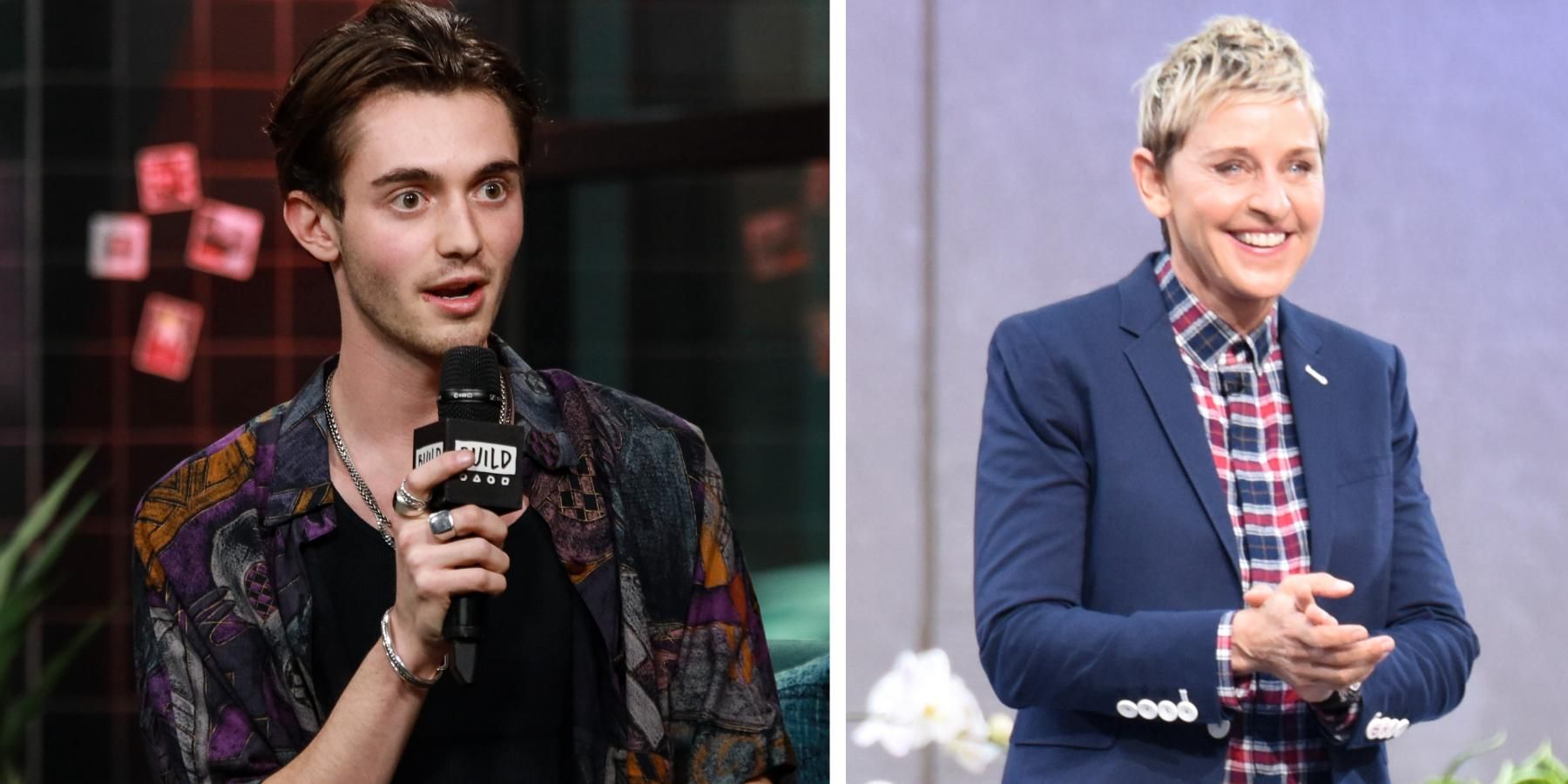
Examining Greyson Chance on Ellen: The Context of a Surprising Appearance
Greyson Chance’s unexpected return to The Ellen DeGeneres Show stands as one of the most culturally analyzed television moments in modern pop culture history, bridging a decade-long narrative of viral internet fame, early music industr...
Greyson Chance’s unexpected return to The Ellen DeGeneres Show stands as one of the most culturally analyzed television moments in modern pop culture history, bridging a decade-long narrative of viral internet fame, early music industry mentoring, and later industry reflection. When individuals search for "greyson chance on ellen in a surprising appearance," they are typically looking to understand the historical context of his rise to fame in 2010, his subsequent trajectory in the entertainment business, and the nuances of his later reflections regarding his relationship with the talk show host and his early experiences as a young artist navigating mainstream media.
Contents
The Genesis of Viral Stardom: 2010 and the First Ellen Appearance
In April 2010, a sixth-grade student named Greyson Chance performed a passionate piano cover of Lady Gaga’s "Paparazzi" at a regional talent show in Edmond, Oklahoma. A family member uploaded the performance to YouTube, where it quickly caught fire across the internet. Within weeks, the video accumulated millions of views, drawing the attention of internet tastemakers, major news outlets, and talent scouts.
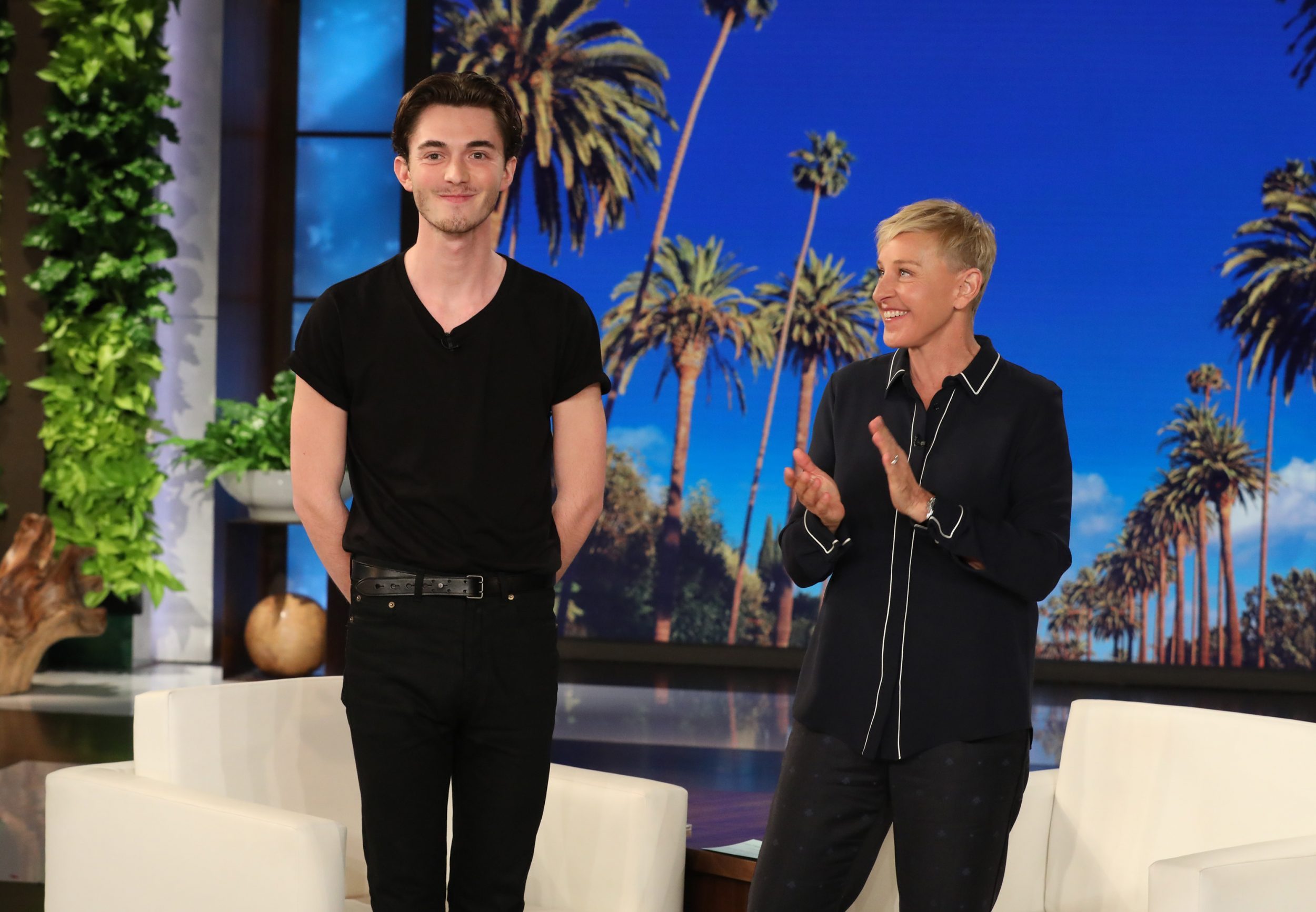
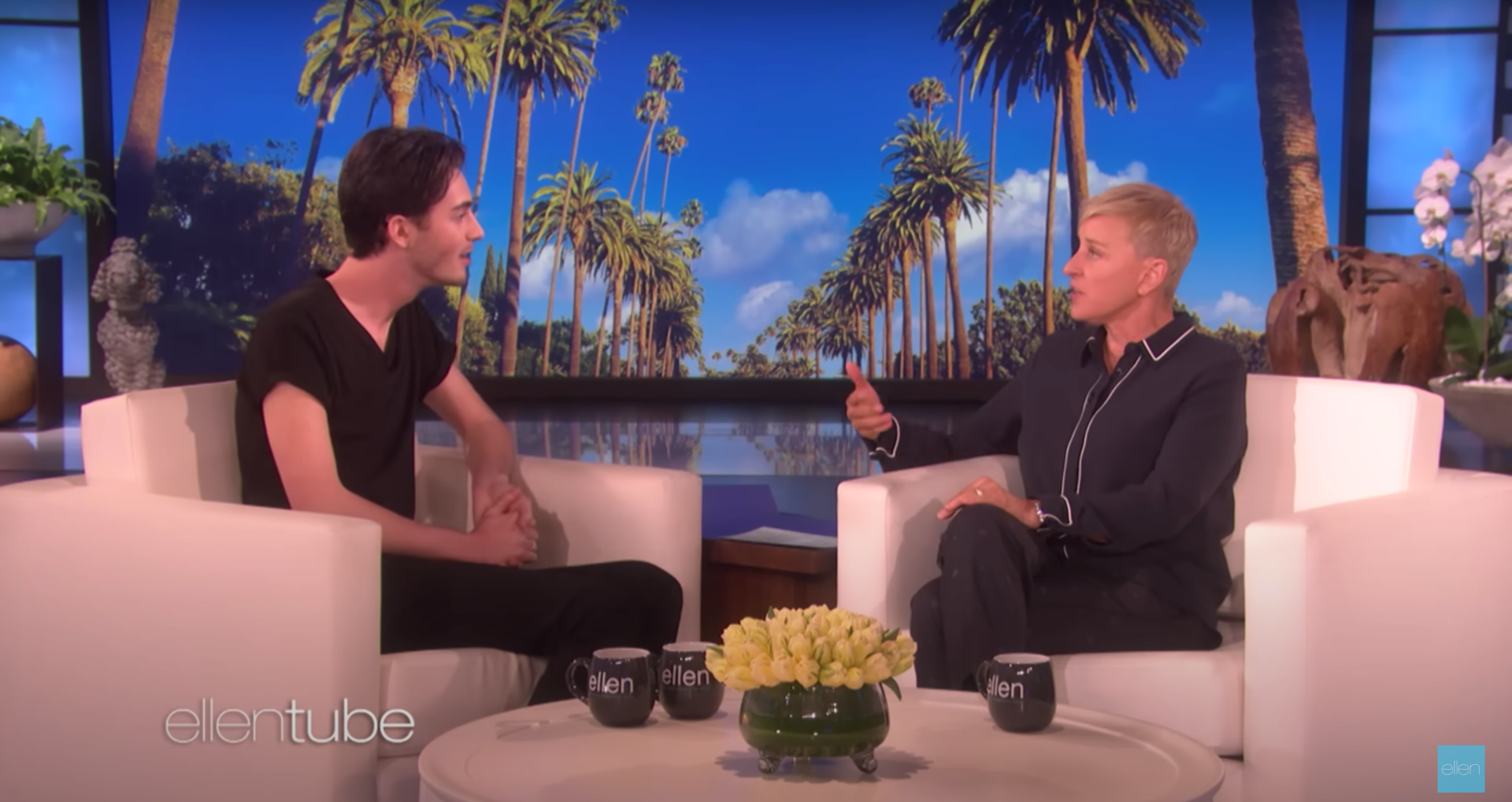
The primary catalyst that accelerated this digital moment into traditional media prominence was an invitation to appear on The Ellen DeGeneres Show. In May 2010, just weeks after the video went viral, Chance flew to Los Angeles to perform the song live on television, sit for an interview with DeGeneres, and receive a telephone call on air from Lady Gaga herself. This appearance cemented his status as one of the earliest quintessential examples of web-native stardom, preceding the modern TikTok era by over a decade.
During this initial wave, DeGeneres’s production company, eleveneleven, subsequently signed Chance as its very first music artist. This partnership paired the young singer with major industry managers and record labels, launching a whirlwind schedule of promotional tours, television appearances, and international travel designed to turn a viral sensation into a sustainable pop career.
Navigating the Music Industry as a Minor
Transitioning from a middle school classroom to international red carpets presents immense psychological and professional challenges. For Chance, the years immediately following his debut EP, Hold On ’til the Night (2011), involved intense media training, constant touring, and the pressure to maintain commercial momentum while growing up in the public eye.
Managing a career of this magnitude requires robust institutional safeguards, legal representation, and parental oversight. In the early 2010s, the regulatory framework governing minor entertainers on digital and daytime television platforms was still adapting to the realities of viral media. While daytime talk shows provided an unmatched megaphone for promotion, they also placed immense performance expectations on young artists who were simultaneously trying to complete basic education.
Key Milestones in Early Career Development
- Viral Breakthrough (April 2010): The "Paparazzi" piano cover is uploaded to YouTube.
- Daytime Television Debut (May 2010): First appearance on The Ellen DeGeneres Show.
- Label Partnership (Summer 2010): Signing with eleveneleven and subsequent association with Interscope Records.
- Debut Album Release (September 2011): Launch of Hold On ’til the Night, featuring singles like "Waiting Outside the Lines."
- Independent Transition (Mid-2010s): Shifting away from major label machinery to refine a mature, self-directed musical style.
Retrospective Analysis and Later Reflections
Years after his initial whirlwind of fame, the narrative surrounding Chance's relationship with daytime television shifted as he transitioned into an independent adult artist. In interviews with outlets like Rolling Stone in 2022, Chance discussed the complexities of his early career, describing the immense pressure he faced as a teenager under the guidance of powerful industry figures.
These reflections brought renewed public attention to historical clips of his television appearances, prompting audiences to re-examine the power dynamics inherent in daytime talk shows hosting minors who were simultaneously managed by the show's producers. While public interest often centers on the dramatic framing of these retrospective interviews, cultural critics frequently point to Chance's journey as a vital case study in child stardom, agency, and artistic reinvention in the digital age.
Comprehensive Comparison of Career Phases
| Career Phase | Approximate Timeline | Primary Platform | Management Structure | Key Musical Style |
|---|---|---|---|---|
| Viral Discovery | 2010 | YouTube / Daytime TV | Independent / Family-led | Pop piano covers |
| Major Label Era | 2010–2014 | Interscope / eleveneleven | Corporate management | Mainstream adolescent pop |
| Independent Evolution | 2015–Present | Streaming / Global Touring | Self-managed / Independent labels | Alternative pop / Indie-synth |
Frequently Asked Questions
How old was Greyson Chance when he first appeared on Ellen?
Greyson Chance was 12 years old when he first appeared on The Ellen DeGeneres Show in May 2010, shortly after his piano cover of Lady Gaga's "Paparazzi" went viral on YouTube.
Was Greyson Chance signed to Ellen DeGeneres’s record label?
Yes. Following his initial viral appearance, Chance became the very first artist signed to eleveneleven, a record label established by DeGeneres, which partnered with Interscope Records to release his debut music.
What song made Greyson Chance famous?
His impassioned piano and vocal cover of Lady Gaga’s "Paparazzi," performed at a 2010 middle school talent show and subsequently uploaded to YouTube, served as the primary catalyst for his international recognition.
How did Greyson Chance's career evolve after his early success?
After stepping away from the major label system during his teenage years to finish school and develop his personal identity, Chance returned to the music industry as an independent artist, releasing critically praised alternative-pop projects such as Portraits and Trophies.
Why do people look back at his early talk show appearances?
Retrospective interest is driven by adult interviews where Chance discussed the pressures of growing up in the entertainment industry under the watch of his early management team, leading fans and media analysts to re-evaluate the treatment of minor pop stars in television media.
Next Actions and Further Exploration
For those examining the broader mechanics of viral media and the evolution of child stardom, reviewing archival performance footage alongside modern independent releases offers a clear perspective on artistic autonomy. Observers interested in Chance's current output can explore his independently released studio albums and follow his ongoing touring schedules across North America and international venues.
Image Gallery