Why Your Auto Insurance Claim Is Taking Forever and What You Can Do About It
When you find yourself asking why your auto insurance claim is taking forever, it is usually because multiple administrative, investigative, and logistical bottlenecks are colliding behind the scenes. Auto insurance claims are designed...
When you find yourself asking why your auto insurance claim is taking forever, it is usually because multiple administrative, investigative, and logistical bottlenecks are colliding behind the scenes. Auto insurance claims are designed to be straightforward transactions, but complex liability disputes, severe supply chain backlogs, communication gaps, and strict legal verification requirements frequently turn a routine payout into a multi-week or multi-month ordeal. Understanding the precise mechanics of how insurers process claims can help you identify where your file is stuck and give you the tools to push it forward.
Contents
The Anatomy of an Auto Insurance Claim
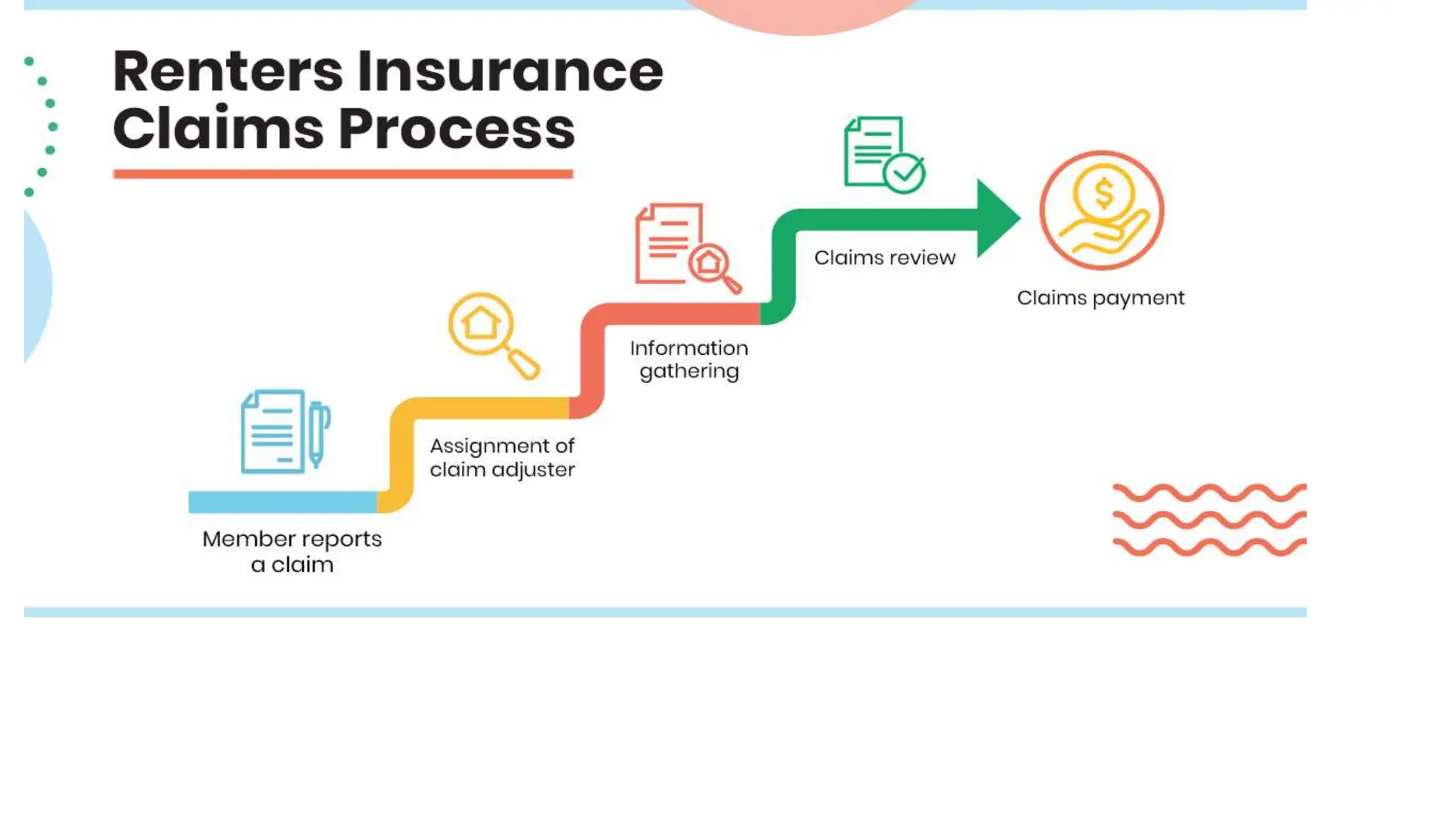
To understand why a claim stalls, you must first examine how an insurance claim is processed from the moment an accident occurs to the final payout. When you file a claim, it goes through several distinct operational phases. Each phase introduces specific dependencies that can delay the overall timeline.
The process typically begins with the first notice of loss (FNOL). During this stage, you report the accident, provide initial details, and receive a claim number. Next comes the investigation and coverage verification phase. An adjuster is assigned to review your policy details, verify that your premiums are up to date, and determine whether the specific incident is covered under your contract.
Following coverage verification, the damage evaluation and liability assessment takes place. An appraiser inspects the vehicle, or a desk adjuster reviews photographs and repair shop estimates. Simultaneously, the insurer investigates who was at fault by gathering police reports, interviewing witnesses, and reviewing dashcam footage or traffic camera recordings.
The final phase involves settlement negotiation and disbursement. Once liability and repair costs are agreed upon, funds are released to you, the lienholder, or the repair facility. If any single link in this chain breaks—such as a missing police report or an uncooperative third party—the entire workflow grinds to a halt.
Common Reasons Why Auto Insurance Claims Get Delayed
Insurance companies handle thousands of claims simultaneously, prioritizing them based on severity, legal exposure, and completeness of documentation. When a claim takes an unusually long time, it is almost always driven by one of several systemic and situational factors.
1. Liability Disputes and Shared Fault
One of the most frequent causes of delay is a dispute over who caused the accident. If the other driver gives a conflicting account of events to their insurer, liability becomes contested. In states that follow contributory negligence or comparative fault rules, insurers must carefully analyze evidence to determine exact percentages of fault. This often requires accident reconstruction experts, formal depositions, or waiting for official municipal records, all of which extend the timeline significantly.
2. Backlogs in Parts Availability and Repair Facilities
Supply chain volatility and labor shortages in the automotive repair industry have drastically impacted claim turnaround times. Even after an insurance company approves an estimate, body shops frequently face severe delays in sourcing OEM (Original Equipment Manufacturer) parts, specialized microchips, or specific body panels. Because insurers usually base their payout or rental car coverage limits on estimated repair windows, vehicle parts delays directly stall the finalization of the claim.
3. Missing Documentation and Incomplete Information
An insurance file cannot move forward without all required administrative pieces. Common missing links include:
- Official police or highway patrol crash reports.
- Itemized medical bills and treatment records (in injury claims).
- Signed medical authorization forms or recorded statements.
- Proof of vehicle ownership, titles, or loan payoff statements for total losses.
If an adjuster is waiting for a third party—such as a hospital, a police department, or a lienholder—to send documentation, your file sits in a pending status indefinitely unless proactively managed.
4. Suspicion of Fraud or Thorough Investigation Protocols
Insurance fraud costs billions of dollars annually, prompting carriers to deploy automated fraud-detection algorithms on incoming claims. If your claim triggers certain red flags—such as a delayed reporting window, suspicious vehicle damage patterns, or inconsistent statements—it may be transferred to the Special Investigation Unit (SIU). SIU investigations involve deep background checks, financial reviews, and extensive interviews, which can freeze claim processing for weeks or months.
5. High Claim Volume and Understaffed Adjuster Workloads
Insurance markets experience massive seasonal surges in claim volumes, particularly following severe weather events, major storms, or widespread natural disasters. When thousands of policyholders file claims simultaneously, individual adjuster caseloads skyrocket. Understaffed claims departments struggle to keep pace, leading to delayed phone calls, unreturned emails, and sluggish file reviews.
Understanding Total Loss and Injury Claim Complications
While standard property damage claims for minor fender-benders can often be resolved within a week or two, total loss valuations and bodily injury claims involve legal and financial complexities that inherently require more time.
Total Loss Determinations
When the cost to repair a vehicle exceeds a certain percentage of its actual cash value (ACV)—typically between 70% and 90% depending on state regulations and insurer guidelines—the car is declared a total loss. Calculating ACV requires the insurer to research comparable vehicle sales in your local market. Disagreements over what constitutes a comparable vehicle often lead to protracted negotiations regarding your car's true market value. Furthermore, if you still have an active car loan, the insurer must coordinate with your lienholder to pay off the remaining balance before releasing any residual funds to you.
Bodily Injury Claims
If you or your passengers sustained injuries in the accident, the bodily injury portion of the claim cannot be fairly evaluated until you have reached maximum medical improvement (MMI). Adjusters need a complete picture of your medical expenses, future treatment needs, and lost wages. Settling an injury claim too early can forfeit your right to seek additional compensation if complications arise later. Consequently, medical claims routinely take months or even years to resolve, especially when negotiating with opposing insurance carriers or litigating through attorneys.
Comparison of Auto Insurance Claim Timelines by Type
| Claim Type | Average Timeline | Primary Causes of Delay |
|---|---|---|
| Minor Property Damage | 3 to 7 Days | Simple repair estimates, prompt document submission, clear liability. |
| Contested Liability Property Damage | 2 to 6 Weeks | Conflicting witness statements, delayed police reports, inter-company arbitration. |
| Total Loss Valuation | 3 to 5 Weeks | Market research for vehicle value, lienholder payoff coordination, title transfer. |
| Bodily Injury Claim | Months to Years | Ongoing medical treatment, gathering medical records, legal negotiations. |
Actionable Steps to Speed Up a Stalled Claim
If your auto insurance claim has stalled, waiting passively for an adjuster to call you back is rarely effective. You can take direct, structured steps to regain control of the timeline and motivate the insurance carrier to process your file.
1. Maintain a Detailed Communication Log
Every time you speak with an insurance representative, note the date, time, full name of the representative, their direct extension, and a summary of what was discussed. If communications happen via email, keep a dedicated folder. This paper trail proves your diligence and holds the insurer accountable if deadlines are missed.
2. Identify the Specific Bottleneck
Call your adjuster and ask direct, precise questions: "What specific document, inspection, or approval is currently holding up my file?" Once you identify the missing element—whether it is a police report, a medical bill, or a signature on a form—focus your entire effort on supplying or acquiring that exact item.
3. Escalate to a Supervisor or Manager
If your adjuster is consistently unresponsive, fails to return calls within 48 to 72 hours, or provides vague excuses, respectfully request to speak with their direct supervisor or claims manager. Supervisors have the authority to reassign files, override minor administrative hurdles, or authorize immediate payments for undisputed portions of a claim.
4. File a Complaint with Your State Insurance Commissioner
Insurance companies are legally bound by state regulations and unfair claims settlement practices acts. If an insurer is acting in bad faith—exhibiting unreasonable delays, failing to acknowledge communications, or refusing to investigate promptly—you can file a formal consumer complaint with your state’s Department of Insurance or Office of the Insurance Commissioner. State regulators require insurers to respond to official inquiries within a specified legal timeframe, which frequently jolts stalled claims back into active review.
Frequently Asked Questions
Why is the insurance company taking so long to inspect my car?
Insurers often rely on third-party independent appraisal networks or virtual photo-inspection platforms. If local appraisers are experiencing high demand or if your vehicle is stored at a tow yard with restricted access, scheduling conflicts arise. You can request to drive the vehicle to an authorized drive-in inspection center or submit high-resolution digital photos directly through the insurer's mobile application to bypass scheduling bottlenecks.
Can I get a rental car while my claim is taking forever?
Whether you are entitled to a rental car depends entirely on your policy coverages (specifically rental reimbursement coverage) or whether liability has been formally accepted by the at-fault driver's insurance. If the other party's insurer accepts liability, they are typically responsible for providing a comparable rental vehicle during the reasonable repair window. If liability is disputed, you must rely on your own policy's optional coverages or pay out of pocket and seek reimbursement later.
What constitutes insurance bad faith regarding claim delays?
State laws define insurance bad faith differently, but generally, an insurer acts in bad faith when they fail to conduct a prompt, thorough, and fair investigation of a claim without a reasonable basis. Merely being busy or understaffed does not excuse an unreasonable delay. Documenting prolonged unresponsiveness and missed statutory deadlines is critical if you need to consult a legal professional regarding bad faith practices.
Should I hire an attorney if my claim is taking too long?
If your claim involves severe personal injuries, permanent disability, catastrophic property loss, or clear bad faith denial and unreasonable delay by the insurer, consulting an experienced personal injury or insurance law attorney is often wise. However, for minor property damage claims, hiring an attorney may consume a significant portion of your settlement through contingency fees without necessarily speeding up parts delivery or repair schedules.
Can the insurance company close my claim if I do not respond?
Yes. Insurers have internal file-closure protocols. If an adjuster makes multiple attempts to contact you and receives no response over a period typically ranging from 30 to 60 days, they may mark the file as abandoned or closed due to lack of cooperation. Always keep communication lines open, even if you are waiting on outside information, to ensure your claim remains active in their system.
Summary and Next Actions
When an auto insurance claim takes forever, it is usually the result of liability disputes, supply chain disruptions, missing documentation, or internal administrative backlogs. To break the deadlock, immediately contact your adjuster to pinpoint the exact missing piece, escalate the issue to a supervisor if communication fails, and maintain a meticulous log of all interactions. If statutory guidelines are violated, do not hesitate to involve your state insurance commissioner to compel a timely resolution.
Image Gallery