Understanding the HCG Diet Plan PDF: A Comprehensive Guide to Protocols, Safety, and Structural Requirements
The HCG diet plan PDF typically outlines a strict 500-to-800-calorie-per-day regimen combined with human chorionic gonadotropin (HCG) hormone administration, designed for rapid weight loss. While widely searched by individuals seeking...
The HCG diet plan PDF typically outlines a strict 500-to-800-calorie-per-day regimen combined with human chorionic gonadotropin (HCG) hormone administration, designed for rapid weight loss. While widely searched by individuals seeking rapid results, understanding the complete protocol requires examining its medical safety, structural phases, dietary restrictions, and regulatory classifications.
Contents
Introduction to the HCG Diet Protocol
The human chorionic gonadotropin (HCG) diet is a specialized, highly restrictive weight loss protocol that gained widespread popularity following the publishing of Dr. A.T.W. Simeons’ manuscript, Pounds and Inches, in the 1950s. Today, individuals frequently search for an "understanding the hcg diet plan pdf" document to review the daily schedules, allowable food lists, and mixing instructions for the hormone.
However, before downloading or following any clinical roadmap found online, it is essential to understand the biological mechanisms, regulatory stances, and health risks associated with the protocol. Medical authorities, including the U.S. Food and Drug Administration (FDA), have issued warnings regarding over-the-counter HCG products, noting a lack of scientific evidence supporting their efficacy for weight reduction. This guide examines what these documents typically contain, the structural phases of the program, and the clinical realities of combining very-low-calorie diets with hormone treatments.
Origins and Mechanics of the Simeons Protocol
The foundational text behind nearly all HCG diet plan documents is Dr. Simeons' original research. Operating out of a clinic in Rome, Simeons theorized that administering small doses of HCG—a hormone produced during pregnancy—would mobilize abnormal fat deposits and protect structural fat and muscle mass.
According to the traditional protocol, HCG is intended to signal the hypothalamus to release stored fat into the bloodstream to be burned for energy. This theoretical mechanism is paired with a strictly controlled diet to ensure that the mobilized calories are utilized rather than stored. Modern clinical consensus, however, attributes any rapid weight loss on the program almost entirely to the extreme caloric restriction rather than any metabolic alteration induced by the hormone.
Structure of a Standard HCG Diet Plan Document
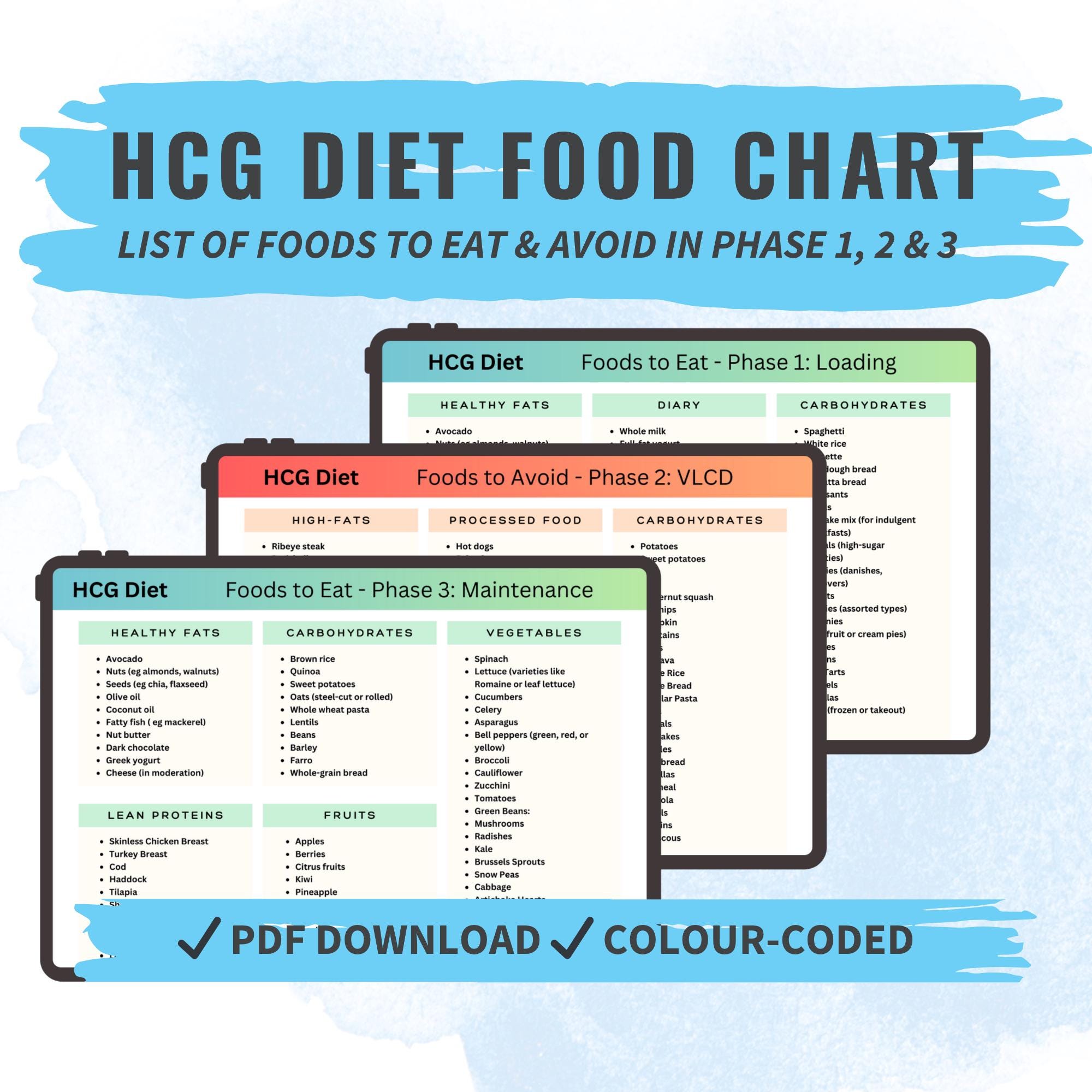
Most downloadable PDF guides follow a rigid framework derived from historical texts. A comprehensive document typically segments the weight loss journey into distinct phases, each with specific behavioral and nutritional rules.
Phase 1: Preparation and Loading
Before dropping calories, the traditional protocol requires two days of "fat loading." During these 48 hours, participants consume high-fat, high-calorie foods while beginning their daily dose of HCG. The theoretical purpose is to saturate the body’s normal fat reserves before entering a period of starvation, though modern nutritional science views this phase primarily as a psychological transition.
Phase 2: Very Low-Calorie Diet (VLCD)
This is the core operational phase of the document, typically lasting anywhere from 21 to 40 days, depending on the specific variant of the protocol.
- Calorie Target: Restricted strictly to 500 calories per day (some modern adaptations allow 800 calories).
- Macronutrient Breakdown: Explicit limits on proteins, specific vegetables, a single piece of fruit, and a grissini breadstick or melba toast.
- Prohibited Items: Sugars, starches, oils, butters, and most commercial cosmetics or lotions containing lipids that might be absorbed through the skin.
Phase 3: Stabilization and Maintenance
Once the HCG administration stops, participants must continue the 500-calorie diet for an additional 72 hours to allow the hormone to leave the system. Following this, Phase 3 begins, where starches and sugars are strictly avoided for three weeks while overall caloric intake is gradually increased toward a normal maintenance level. This phase aims to stabilize the hypothalamus and prevent immediate rebound weight gain.
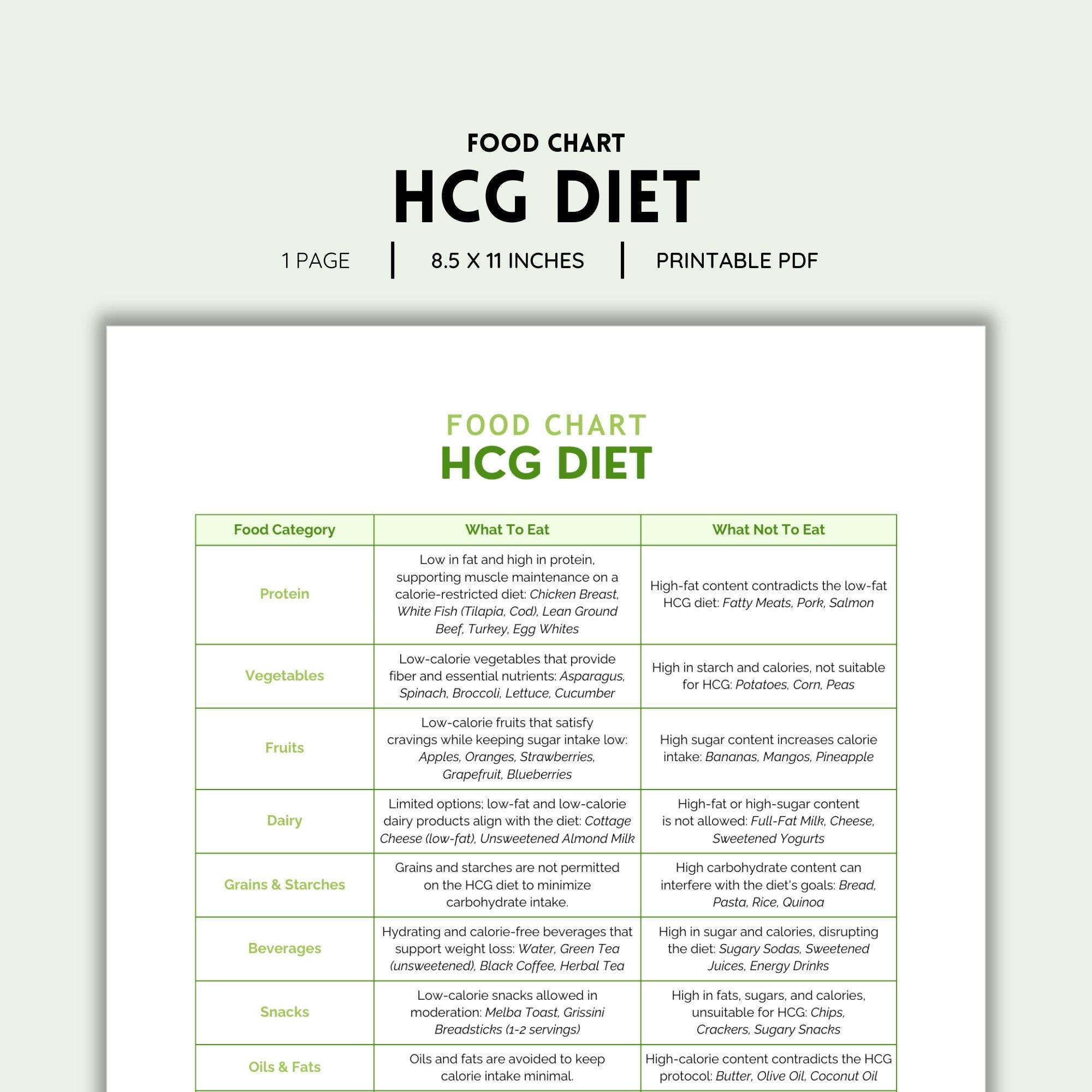
Breakdown of Phase 2 Food Options
Typical PDF guides include exact matrices of permitted foods. Mixing food groups or substituting unlisted items is generally prohibited in traditional texts.
| Food Group | Allowed Items (Per Serving) | Prohibited Items |
|---|---|---|
| Proteins (100g, weighed raw) | Veal, lean beef, chicken breast, white fish, lobster, crab, shrimp | Pork, fatty fish (salmon, tuna), lamb, processed meats |
| Vegetables (One choice per meal) | Spinach, chard, chicory, beet-greens, tomatoes, celery, fennel, onions, radishes, cucumbers | Potatoes, carrots, corn, peas, legumes, avocado |
| Fruits (Two per day, spaced out) | One apple, one orange, handful of strawberries, half a grapefruit | Bananas, grapes, mangoes, dried fruits, fruit juices |
| Carbohydrates | One grissini breadstick or one melba toast (twice daily) | Bread, pasta, rice, oats, processed grains |
Regulatory Status and Safety Considerations
When evaluating any HCG protocol, regulatory standing and safety data are critical parameters. The safety profile of the HCG diet has been scrutinized by major health organizations for decades.
FDA Regulations on HCG Products
The U.S. FDA, alongside the Federal Trade Commission (FTC), has taken regulatory action against companies selling over-the-counter HCG diet products, classifying them as fraudulent and illegal. The FDA states that HCG is not proven to be safe or effective for weight loss and has not been approved for over-the-counter sales. Prescription HCG is approved only for specific medical conditions, such as female infertility and certain endocrine disorders, and must be administered under direct medical supervision.
Health Risks of Very Low-Calorie Diets
Consuming only 500 calories per day presents significant physiological risks. Potential complications documented in clinical literature include:
- Gallstone Formation: Rapid weight loss frequently triggers the formation of gallstones due to changes in bile chemistry.
- Nutritional Deficiencies: A 500-calorie intake makes it mathematically difficult to consume adequate vitamins, minerals, and essential fatty acids.
- Electrolyte Imbalances: Severe restriction can lead to dangerous shifts in potassium, sodium, and magnesium levels, impacting cardiac function.
- Muscle Wasting: Despite claims that HCG spares lean tissue, extreme caloric deficits inevitably result in the breakdown of structural muscle alongside fat.
Frequently Asked Questions
Is a prescription required for HCG?
Yes. In many jurisdictions, including the United States, HCG is legally classified as a prescription-only medication. Buying HCG online without a prescription or purchasing homeopathic over-the-counter drops violates regulatory guidelines and carries quality-control risks.
Why do some PDF guides allow 800 calories instead of 500?
Modern adaptations of the protocol sometimes increase the daily limit to 800 calories to mitigate severe fatigue, dizziness, and nutritional shortfalls associated with the original 500-calorie threshold, though medical oversight remains essential.
Can men follow the HCG diet plan?
Historically and structurally, the protocol applies to both men and women. The physiological mechanisms of caloric restriction and hormone administration operate similarly across sexes, though nutritional requirements differ.
What causes rapid weight regain after the diet?
Because the VLCD relies on extreme caloric restriction rather than sustainable behavioral modification, the body often responds with a drastic reduction in basal metabolic rate. When normal eating resumes, the body stores energy efficiently, frequently leading to rapid weight regain unless long-term lifestyle changes are maintained.
Are homeopathic HCG drops effective?
Clinical studies and regulatory bodies have found that over-the-counter "homeopathic" HCG drops contain little to no active hormone. Any weight loss achieved while using these products is attributed entirely to the accompanying severe calorie restriction.
Next Steps and Professional Guidance
Before attempting any protocol outlined in an HCG diet plan PDF, individuals should consult a qualified physician or a registered dietitian. Given the severe nutritional limitations and regulatory concerns surrounding unregulated hormone sales, professional medical evaluation ensures that any weight loss strategy prioritizes long-term metabolic health and safety over rapid, temporary results.
Image Gallery