Foundation Repair in Morris Plains NJ: Methods, Costs, and Regulations
Foundation repair in Morris Plains, New Jersey, involves specialized structural interventions—such as steel push piers, helical piers, and slab jacking—designed to correct settlement, cracking, and water intrusion caused by local clay-...
Foundation repair in Morris Plains, New Jersey, involves specialized structural interventions—such as steel push piers, helical piers, and slab jacking—designed to correct settlement, cracking, and water intrusion caused by local clay-heavy soils and freeze-thaw cycles, with total project costs typically ranging from $3,000 for minor crack injections to $25,000 or more for major structural stabilization requiring municipal permits and engineering oversight.
Contents
Understanding Foundation Issues in Morris Plains, New Jersey
Morris Plains, located within Morris County, features distinct environmental and geological conditions that directly impact residential and commercial foundations. The local soil composition frequently includes a mix of glacial till, silt, and expansive clays. These soils are notoriously reactive to moisture fluctuations. During heavy spring rains or rapid snowmelts, the clay expands, exerting intense hydrostatic pressure against foundation walls. Conversely, during dry summer months, the soil shrinks, creating voids beneath footings and slabs. This constant cycle of expansion and contraction, combined with the region's freezing winter temperatures, creates a challenging environment for concrete foundations.
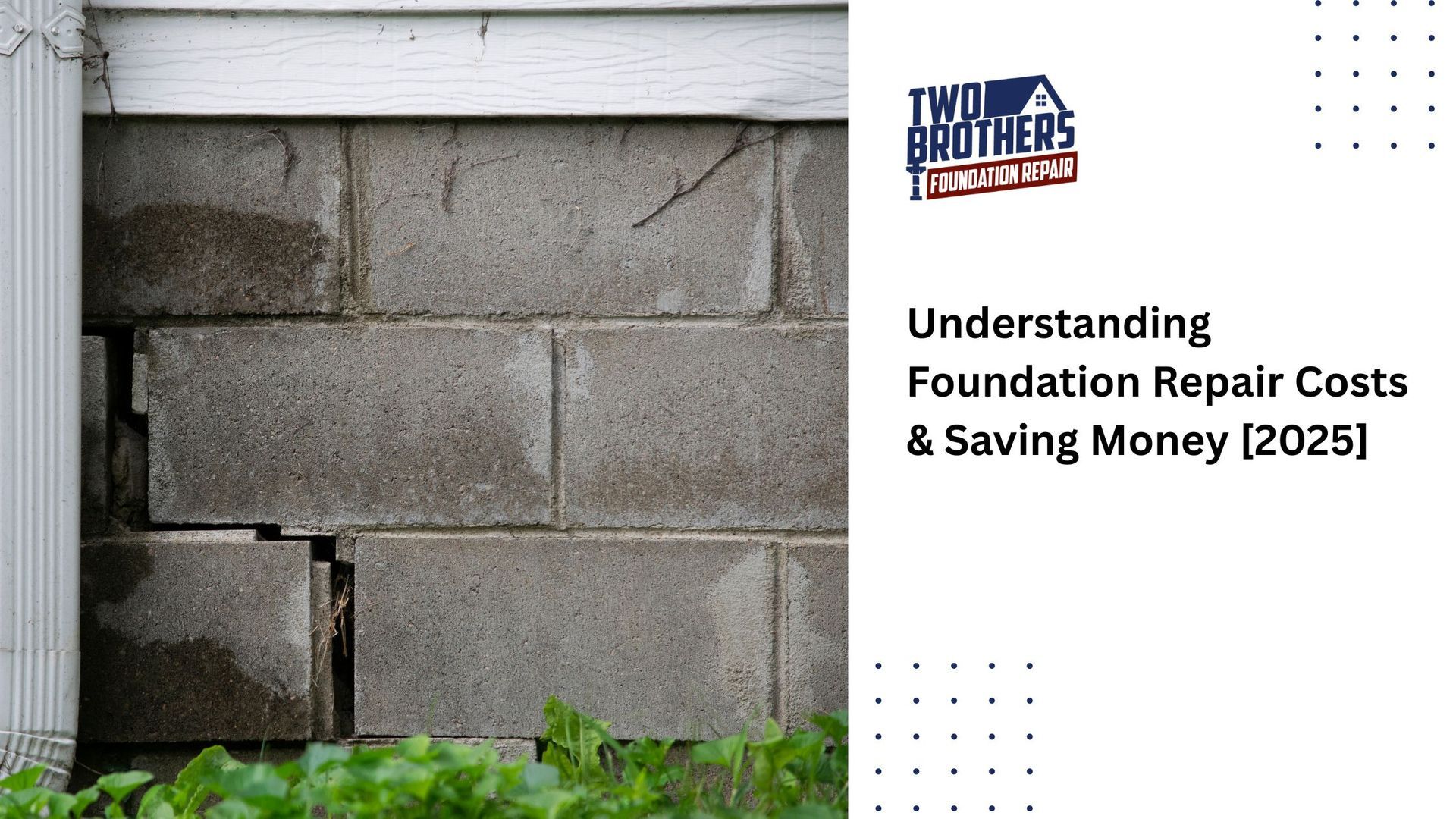
Homeowners in Morris Plains commonly observe several warning signs indicating that their foundation requires professional evaluation. Interior and exterior masonry cracks, doors and windows that stick or fail to latch properly, sloping floors, and gaps between walls and ceilings are classic indicators of differential settlement. Additionally, bowing or buckling basement walls signal that lateral earth pressure has exceeded the structural capacity of the masonry. Ignoring these symptoms can lead to severe structural compromise, diminished property values, and extensive water infiltration that fosters mold growth and compromises indoor air quality.
Primary Methods of Foundation Repair
When structural engineers or certified foundation repair contractors assess a compromised property in Morris Plains, they select remediation techniques tailored to the specific failure mechanism. Structural repairs generally fall into two categories: stabilizing settling foundations and reinforcing bowing or inward-leaning walls.
Steel Push Piers and Helical Piers
For homes experiencing downward settlement due to weak load-bearing strata beneath the footings, underpinning is the industry standard. This method transfers the weight of the structure from unstable soil down to stable bedrock or load-bearing strata.
- Steel Push Piers: Heavy-duty steel tubes are hydraulically driven deep into the ground alongside the foundation footing until they reach load-bearing strata. Brackets are then attached to the footing, and hydraulic jacks lift the structure back toward its original elevation as much as safely possible.
- Helical Piers: These large steel shafts feature welded helical plates (flights) that are screwed into the soil rather than driven. They are ideal for lightweight structures, porches, and situations where torque monitoring provides an immediate verification of load capacity during installation.
Carbon Fiber Reinforcement and Wall Anchors
When basement walls crack vertically or bow inward due to lateral pressure, stabilizing the wall from further movement is essential.
- Carbon Fiber Straps: High-tensile strength carbon fiber strips are epoxy-bonded vertically to the face of the basement wall and anchored to the sill plate and floor. This non-intrusive method distributes lateral loads across a wider area and prevents the wall from bowing further.
- Steel Wall Plate Anchors: For walls with significant inward displacement, steel earth anchors are driven into the stable soil outside the excavation zone. These are connected via steel rods to plates bolted inside the basement wall. Tightening the interior nuts gradually pulls the wall back toward a stable position over time.
Slab Jacking and Polyurethane Foam Injection
Concrete slabs, such as garage floors, driveways, and interior basement floors, often settle when the underlying soil washes away or compacts.
- Mudjacking (Slab Jacking): A traditional slurry of water, soil, sand, and cement is pumped beneath the sunken concrete slab to fill voids and raise it back to level.
- Polyurethane Foam Injection (Polyjacking): A modern evolution of slab jacking, this method injects a high-density expanding polyurethane polymer through small drilled holes. The foam expands rapidly, filling voids, compacting loose sub-soil, and lifting the concrete with minimal disruption and a much lighter footprint.
| Repair Method | Primary Application | Estimated Cost Range | Typical Installation Time |
|---|---|---|---|
| Epoxy Crack Injection | Non-structural hairline cracks / water leaks | $500 – $1,500 per crack | 1 day |
| Carbon Fiber Straps | Minor bowing walls (< 2 inches) | $3,500 – $7,000 | 1–2 days |
| Steel Wall Anchors | Severe bowing or buckling foundation walls | $5,000 – $10,000 | 1–2 days |
| Push / Helical Piers | Foundation settlement and sinking corners | $10,000 – $25,000+ | 2–5 days |
| Polyurethane Foam Injection | Sunken concrete slabs and interior floors | $1,500 – $4,000 | 1 day |
Cost Factors for Foundation Repair in Morris Plains
Evaluating the financial investment required for foundation repair involves understanding that costs vary widely based on the severity of the damage, the chosen engineering methodology, labor rates in Morris County, and site accessibility. Minor localized repairs, such as sealing a single non-structural crack with epoxy, may cost under $1,000. Conversely, a comprehensive structural overhaul involving exterior excavation, drainage installation, and the placement of 10 to 15 steel push piers can easily exceed $25,000.
Several distinct variables drive these project costs:
- Extent of Damage: Minor settlement affecting one corner of a home requires far fewer materials and labor hours than a structure suffering from global foundation failure.
- Access Constraints: Working in tight urban or suburban lots in Morris Plains where heavy machinery cannot reach may require manual labor or specialized compact equipment, increasing labor expenses.
- Engineering Fees: Many Morris Plains municipalities require a structural engineer's report and stamped drawings before issuing building permits for structural repairs. Engineering consultations and design plans typically add $500 to $2,500 to the total project cost.
- Remediation and Waterproofing: Because foundation problems are frequently caused or exacerbated by water, repairs often require supplementary waterproofing, French drains, and sump pump installations, which add to the baseline estimate.
Regulations, Permitting, and Code Compliance in Morris Plains
Property owners in Morris Plains, NJ, must navigate local municipal and state regulations before initiating foundation work. The Borough of Morris Plains enforces the Uniform Construction Code (UCC) of New Jersey, which governs structural alterations, concrete work, and underpinning procedures.
Building Permits and Inspections
For minor cosmetic repairs, such as interior epoxy crack sealing that does not alter structural elements, permits are generally not required. However, any project involving structural modification, underpinning, pier installation, wall stabilization, or major excavation requires a formal building permit issued by the Morris Plains Construction Department.
- Permit Application Process: Licensed contractors typically pull permits on behalf of the homeowner. The application must include detailed construction plans, and in many cases, architectural or structural drawings stamped by a New Jersey-licensed professional engineer.
- Municipal Inspections: Once the work is underway, municipal code inspectors must perform progressive inspections. For example, an inspector may need to examine pier footings or anchor placements before concrete is poured or excavations are backfilled. Final approval closes the permit, ensuring the work complies with safety standards and protecting the property's resale value.
Frequently Asked Questions
How do I know if my foundation crack is serious?
Hairline cracks under 1/8 inch wide are often normal curing shrinkage cracks in concrete. However, cracks that are wider than 1/4 inch, diagonal cracks running at a 45-degree angle, stair-step cracks in brick or cinder block mortar joints, or cracks accompanied by wall displacement require immediate evaluation by a structural professional.
Will my homeowners insurance cover foundation repair?
In most standard homeowners insurance policies in New Jersey, foundation repair is excluded because settling, earth movement, and normal wear and tear are considered maintenance issues. Coverage may only apply if the foundation damage is the direct result of a covered peril, such as a sudden plumbing leak or a vehicle impact. Homeowners should review their specific policy or consult their insurance agent.
How long do steel push piers take to install?
For an average residential home in Morris Plains, installing a system of steel push piers typically takes between two and four days. The exact duration depends on the number of piers required, soil conditions, and whether interior flooring must be temporarily removed to access interior load points.
Do I need a structural engineer before hiring a contractor?
While some specialized foundation contractors employ in-house structural specialists, hiring an independent structural engineer provides an objective assessment of your foundation's condition. Furthermore, Morris Plains building officials frequently require an engineer's stamped drawings to approve permits for significant structural stabilization.
Can foundation repairs be performed during the winter in New Jersey?
Yes, exterior and interior foundation repairs can generally be executed year-round in Morris Plains. While freezing temperatures can complicate exterior concrete pours and excavation work, modern techniques like steel pier driving and interior carbon fiber installation are largely weather-independent.
Conclusion and Next Actions
Addressing foundation issues promptly is essential to preserving the structural integrity and market value of any property in Morris Plains, New Jersey. Homeowners suspecting structural movement should begin by scheduling an inspection with a licensed, insured foundation repair contractor or a registered professional engineer. Verify that all contractors hold appropriate New Jersey home improvement contractor registrations, carry general liability and workers' compensation insurance, and are willing to pull necessary local permits through the Morris Plains Construction Department. Securing professional evaluations and following regulatory guidelines ensures safe, permanent stabilization of your home.
Image Gallery