Sandra Melgar Update 2023: Case Status, Legal Proceedings, and Context
The 2023 status regarding the Sandra Melgar case centers on ongoing legal scrutiny, appeals, and public interest surrounding her 2017 conviction for the murder of her husband, John Melgar. While no singular exoneration or major structu...
The 2023 status regarding the Sandra Melgar case centers on ongoing legal scrutiny, appeals, and public interest surrounding her 2017 conviction for the murder of her husband, John Melgar. While no singular exoneration or major structural reversal occurred during 2023, the case continues to attract attention from legal analysts, true-crime investigators, and advocates reviewing forensic evidence and timeline consistency.
Contents
The case of Sandra Melgar stands as one of the most thoroughly scrutinized criminal trials in recent Texas legal history. It combines complex forensic timelines, contested physical evidence, and intense debate over investigative thoroughness. For individuals tracking the developments of this legal proceeding, understanding the background, the core arguments presented in 2023, and the mechanics of the post-conviction review process is essential for grasping the current standing of the case.
Background and Core Facts of the Sandra Melgar Case
The legal ordeal began in December 2012 when John Melgar was found dead in the couple's northwest Harris County home in Texas, and Sandra Melgar was discovered bound, beaten, and locked in a closet. Investigators initially treated both as victims of a violent home invasion, but suspicion quickly shifted toward Sandra Melgar as inconsistencies allegedly emerged in her statements and the physical evidence gathered at the crime scene.
Throughout the investigation, law enforcement maintained that the scene was staged. Prosecutors argued that financial motives or marital discord prompted Sandra to attack her husband and orchestrate a complex cover-up to mimic a break-in. Conversely, defense teams and supporters pointed out that DNA evidence found at the scene did not match Sandra, and signs of forced entry or external intrusion were inadequately explored by initial responders.
Despite defense arguments pointing to reasonable doubt and alternative suspects, Sandra Melgar was formally indicted, tried, and subsequently convicted of capital murder in 2017. She received a sentence of life imprisonment. Since that verdict, the legal battle has transitioned from trial defense to post-conviction writs, appellate filings, and public advocacy campaigns seeking to overturn the conviction based on newly interpreted evidence or alleged trial errors.
Developments and Status in 2023
Entering 2023, the primary focus for Sandra Melgar's legal team and supporters involved navigating the rigid appellate structures of the Texas judicial system. Post-conviction proceedings for individuals serving life sentences often involve habeas corpus applications, which require demonstrating constitutional violations, newly discovered evidence that was unavailable at trial, or actual innocence supported by verifiable scientific or factual proof.
During 2023, public interest spiked following investigative journalism pieces and true-crime media coverage re-examining the forensic timeline. Analysts focused heavily on the mechanics of the crime scene:
- The amount of time Sandra Melgar reportedly spent bound in the closet.
- The lack of comprehensive DNA testing on certain items recovered from the house.
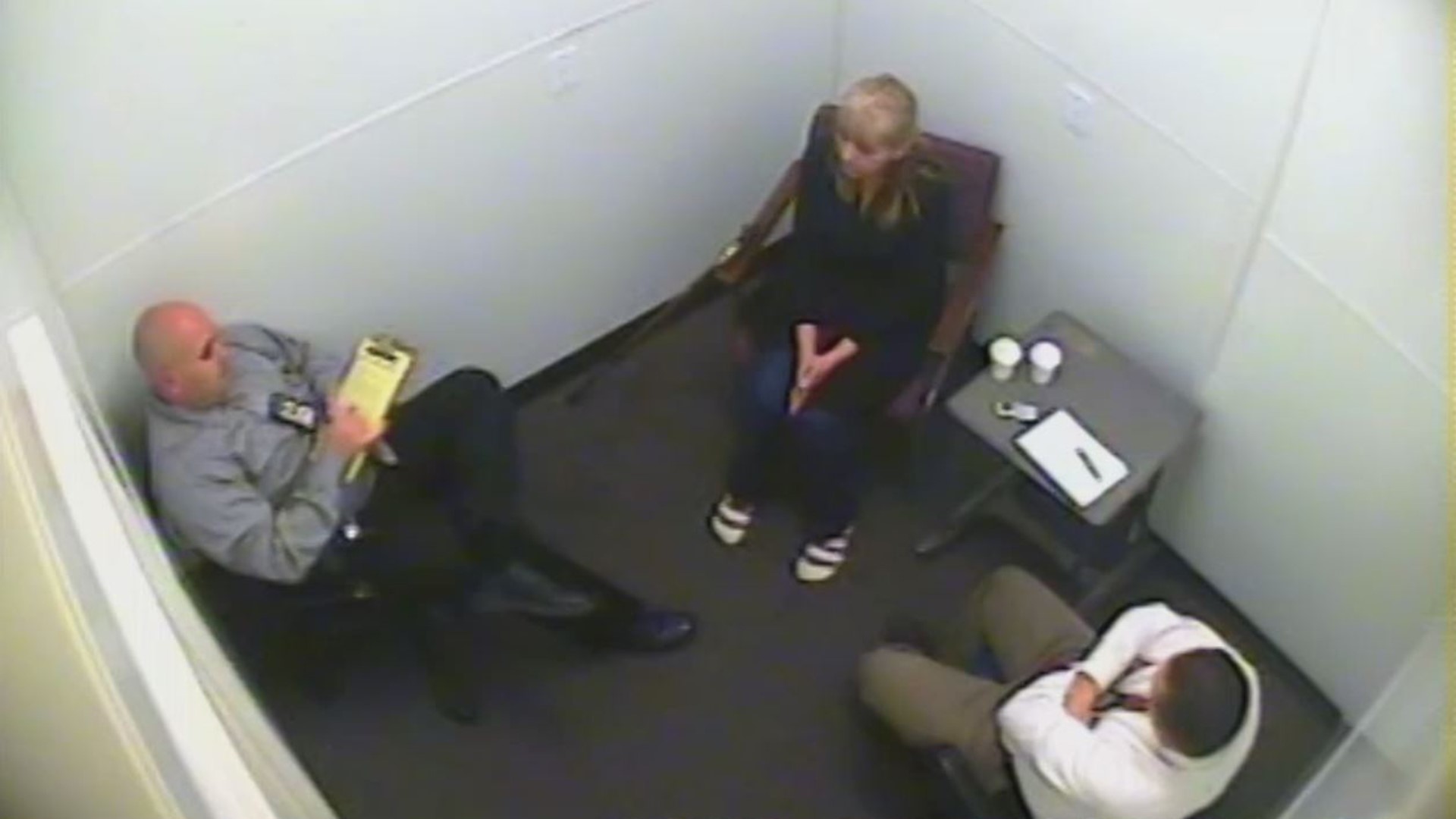
- The interrogation techniques used by law enforcement during initial interviews.
However, despite heightened media attention and ongoing efforts by defense advocates to bring national focus to the case, 2023 did not yield a formal judicial vacation of the conviction or an official order for a new trial from the Texas Court of Criminal Appeals. The legal reality of post-conviction appeals is notoriously slow, requiring meticulous documentation and strict adherence to procedural deadlines, which explains why substantive courtroom breakthroughs can take years to materialize.
Key Legal Challenges in Post-Conviction Review
Navigating the post-conviction landscape for a murder conviction in Texas involves overcoming significant legal hurdles. The burden of proof shifts dramatically once a jury has returned a guilty verdict and the direct appeals process has concluded.
| Stage of Proceedings | Primary Legal Objective | Standard of Proof Required | Common Obstacles |
|---|---|---|---|
| Direct Appeal | Identify procedural or legal errors made by the judge or prosecution during the original trial. | Reversible error affecting the outcome of the trial. | Preserved objections at trial; wide discretion granted to trial courts. |
| State Habeas Corpus | Present constitutional claims, ineffective assistance of counsel, or newly discovered evidence. | Clear and convincing evidence of a constitutional violation or actual innocence. | Strict statutory filing deadlines (such as the Texas Code of Criminal Procedure Article 11.07); procedural default rules. |
| Federal Habeas Corpus | Challenge state court rulings on constitutional grounds after exhausting all state-level remedies. | Adherence to the Antiterrorism and Effective Death Penalty Act (AEDPA) standards. | Extreme deference to state court factual findings; strict limitation on new evidentiary hearings. |
These structural frameworks illustrate why updates on cases like Sandra Melgar's often reflect prolonged legal waiting periods rather than sudden judicial pivots. Each filing must pass rigorous screening before judges decide whether to grant evidentiary hearings.
Public Advocacy and Forensic Scrutiny
A defining characteristic of the Sandra Melgar case is the active role played by independent forensic experts and advocacy groups. Supporters have consistently challenged the prosecution's timeline, arguing that it was physically implausible for Sandra to have inflicted her own severe injuries, bound herself securely in a difficult-to-reach position, and executed the crime within the narrow window proposed by the state.
Advocacy efforts in 2023 continued to push for advanced DNA testing on physical evidence that went untested or inconclusive during the 2017 trial. Modern forensic techniques, such as touch DNA and familial DNA searching, have increasingly played a pivotal role in overturning wrongful convictions nationwide. For the Melgar defense, securing access to these biological samples for independent re-testing remains a central strategic goal in their ongoing legal strategy.
Frequently Asked Questions
What was the outcome of the Sandra Melgar trial?
Sandra Melgar was convicted of the capital murder of her husband, John Melgar, in 2017. She was sentenced to life imprisonment without the possibility of parole, a verdict that was subsequently upheld through standard direct appellate reviews.
Did Sandra Melgar receive a new trial or release in 2023?
No. Despite continued public interest, media coverage, and ongoing post-conviction evaluations by defense advocates, no court ordered a new trial or released Sandra Melgar during the 2023 calendar year.
What are the main arguments used by Sandra Melgar's supporters?
Supporters argue that the physical evidence points to an outside intruder, citing uninvestigated DNA profiles found at the crime scene, the severity of the physical injuries sustained by Sandra, and alleged flaws in the police investigation and timeline established by the prosecution.
How does the Texas post-conviction process affect this case?
Post-conviction relief in Texas requires navigating complex state habeas corpus statutes. These proceedings demand rigorous legal documentation, adherence to strict filing deadlines, and high legal standards to prove constitutional violations or actual innocence.
Where can official court records for the case be found?
Official records, appellate filings, and docket updates can typically be accessed through the Harris County District Clerk's office or the official website of the Texas Court of Criminal Appeals, depending on the specific level of active litigation.
Conclusion and Next Legal Steps
The status of the Sandra Melgar case remains anchored to the 2017 conviction, with post-conviction legal strategies focusing on uncovering procedural errors or securing access to advanced forensic testing. Observers and legal scholars monitoring the case continue to watch for developments regarding state habeas filings or motions for forensic DNA testing. Anyone seeking accurate, up-to-date docket information should consult official Texas court repositories rather than speculative media summaries.
Image Gallery