Navigating Daily Life: How Fast Is a Supra in Everyday Use?
When evaluating the Toyota GR Supra for daily driving, the question of speed extends far beyond raw acceleration times and top-end track figures. While its capability to sprint from zero to 60 mph in roughly 3.9 to 4.2 seconds—dependin...
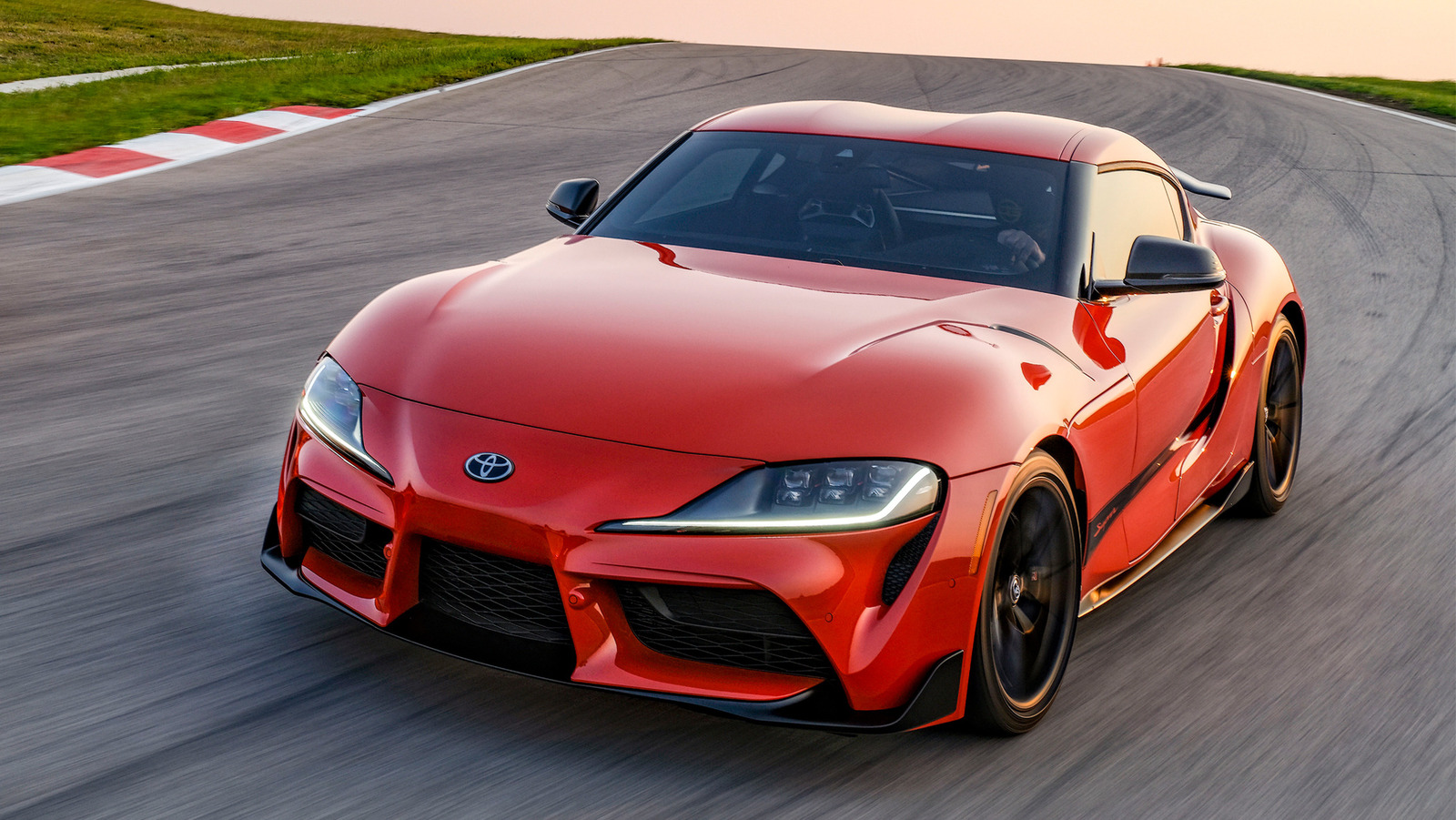
When evaluating the Toyota GR Supra for daily driving, the question of speed extends far beyond raw acceleration times and top-end track figures. While its capability to sprint from zero to 60 mph in roughly 3.9 to 4.2 seconds—depending on whether you select the 3.0-liter inline-six or the 2.0-liter turbocharged four-cylinder—grabs headlines, everyday usability hinges on how that power translates to stop-and-go traffic, highway merging, fuel economy, and practical cabin packaging. The Supra is remarkably swift and responsive in mundane commuting scenarios, offering instant torque delivery that makes darting through gaps in traffic effortless, yet its performance is packaged within the compromises of a compact two-seater sports car.
Contents
Understanding the balance between high-end performance and daily livability requires looking past the spec sheet. Owners must live with limited cargo space, a low driving position, and firm suspension tuning. This comprehensive guide analyzes how fast the Supra feels and behaves during routine daily driving, detailing its powertrain responsiveness, real-world fuel economy, ergonomics, and suitability as a primary commuter vehicle.
Powertrain Responsiveness in Stop-and-Go Traffic
The true measure of a car's everyday speed is not its maximum velocity on a closed circuit, but its throttle response and low-end torque delivery when creeping through morning gridlock. The GR Supra benefits significantly from its BMW-sourced engines—specifically the B58 3.0-liter turbocharged inline-six and the B48 2.0-liter turbocharged four-cylinder. Both powerplants feature twin-scroll turbochargers designed to minimize lag, ensuring that power is available immediately when stepping on the accelerator at low RPMs.
In city driving, the 3.0-liter model produces its peak torque of 368 lb-ft starting at a remarkably low 1,800 RPM. This wide, flat torque band means drivers do not need to rev the engine aggressively to keep pace with fast-moving urban traffic. Light throttle inputs yield immediate forward momentum, making the car feel deceptively fast and agile away from traffic lights.
The 8-speed ZF automatic transmission plays a vital role in this seamless everyday performance. Unlike dual-clutch transmissions that can occasionally feel jerky or hesitant during low-speed crawling or parking maneuvers, the torque-converter automatic in the Supra shifts smoothly and predictably. In Normal mode, the transmission prioritizes higher gears to optimize fuel efficiency and quiet cabin noise, but it drops down gears instantly the moment the driver demands acceleration for an unexpected lane change or a quick gap in traffic.
Highway Merging and Passing Dynamics
While city driving tests low-speed tractability, highway driving is where the Supra’s sports car pedigree shines with effortless utility. Merging onto a fast-moving interstate or passing slower traffic at highway speeds requires absolute confidence, and the Supra delivers this through relentless mid-range pulling power.
When traveling at 65 mph, depressing the accelerator does not require a dramatic, delayed downshift; the massive wave of forced-induction torque pulls the car forward with authoritative speed. The aerodynamically refined body shape and stable high-speed tracking make triple-digit velocities feel alarmingly effortless, meaning drivers must monitor the speedometer closely to avoid unintentional speeding citations.
Passing B-road traffic or semi-trucks on rural two-lane highways takes mere seconds. The Supra's precise steering rack and sharp turn-in allow the driver to place the car accurately within the lane, while the relentless acceleration ensures that passing maneuvers are completed safely and quickly before oncoming traffic becomes a factor.
Daily Usability, Ergonomics, and Practical Compromises
Raw speed is only part of the equation when determining whether a vehicle functions well day-to-day. The physical architecture of the Supra introduces several compromises that owners must navigate during routine errands, grocery runs, and long commutes.
Cabin Packaging and Visibility
The Supra is built on a tight, driver-focused platform shared with the BMW Z4. The cockpit is intimate, offering limited headroom and legroom for taller drivers. Furthermore, the exterior design—characterized by a long hood, double-bubble roof, and high beltline—results in significant blind spots. Rearward and quarter-view visibility is severely restricted, making shoulder checks and parking maneuvers heavily reliant on backup cameras, parking sensors, and properly adjusted side mirrors.
Cargo Space and Accessibility
Unlike a traditional hatchback or sedan, the Supra features a traditional trunk opening linked to the cabin via a liftback design. While the rear cargo area holds up to 10.2 cubic feet of space, the aperture is relatively narrow, making the loading of bulky items, large suitcases, or multiple grocery bags challenging. Additionally, items stored in the back can become quite warm due to their proximity to the exhaust system running underneath the chassis.
Efficiency and Operating Costs in Routine Driving
An everyday car must be evaluated through the lens of fuel consumption and maintenance requirements. Despite its high-performance capabilities, the GR Supra is relatively efficient when driven conservatively on a daily commute.
| Engine Variant | City Fuel Economy (EPA Est.) | Highway Fuel Economy (EPA Est.) | Premium Fuel Requirement | Typical Daily Range |
|---|---|---|---|---|
| 2.0L Turbo 4-Cylinder | 25 mpg | 31 mpg | Required (91+ Octane) | ~400 miles |
| 3.0L Turbo Inline-6 | 22 mpg | 30 mpg | Required (91+ Octane) | ~390 miles |
| 3.0L Manual Inline-6 | 19 mpg | 27 mpg | Required (91+ Octane) | ~350 miles |
The figures above demonstrate that highway cruising in top gear allows the engine to loaf at low RPMs, yielding impressive efficiency for a car capable of sub-four-second zero-to-60 times. However, utilizing the car's speed frequently in urban stop-and-go driving will quickly degrade fuel economy toward the lower end of the spectrum. Furthermore, because high-octane premium gasoline is strictly required, daily commuting costs remain higher than those associated with standard economy hatchbacks.
Frequently Asked Questions
Can the Toyota GR Supra be driven comfortably every day?
Yes, the Supra can serve as a daily driver, provided the owner is willing to accept the compromises of a sports car. Its ride quality in Normal mode is surprisingly compliant, absorbing minor road imperfections well, and its cabin features modern infotainment and driver-assistance tech. However, getting in and out requires ducking under a low roofline, and cargo space is limited.
Is the 2.0-liter Supra fast enough for daily commuting?
The 2.0-liter four-cylinder model produces 255 horsepower and reaches 60 mph in roughly 5.0 seconds. For everyday commuting, highway passing, and merging, this is more than adequate speed. It also offers slightly better fuel economy and a lighter front end, though most enthusiasts prefer the robust power delivery of the 3.0-liter inline-six.
How does the Supra handle bad weather in daily use?
As a rear-wheel-drive sports car with wide summer performance tires, the Supra is not inherently optimized for snow, ice, or heavy downpours. Driving the car in winter weather requires swapping the factory tires for dedicated winter (snow) tires. Even with proper rubber, deep snow will challenge its low ground clearance.
Does the Supra have enough room for groceries and luggage?
The trunk accommodates a few grocery bags, a gym duffel, or a couple of weekend travel backpacks. However, long items or large rigid suitcases will not fit due to the shallow trunk height and narrow opening. It is strictly a two-person vehicle with limited storage flexibility.
Is the manual transmission version better for daily driving?
The 6-speed manual transmission, introduced for the 3.0 model year, offers a more engaging and interactive driving experience. While automatics are objectively easier in heavy stop-and-go traffic, the Supra's clutch pedal is progressive and light enough that manual commuting remains entirely manageable without inducing excessive leg fatigue.
Practical Recommendation for Prospective Daily Drivers
If you are considering the Toyota GR Supra as a daily driver, take a thorough extended test drive that mirrors your actual weekly routine. Drive it through congested urban streets, park it in a tight garage or parallel spot to evaluate visibility, and test the ease of entry and exit. For drivers who prioritize excitement, styling, and effortless acceleration over cargo utility and spaciousness, the Supra delivers high-performance thrills that elevate an ordinary commute into an engaging daily event.
Image Gallery