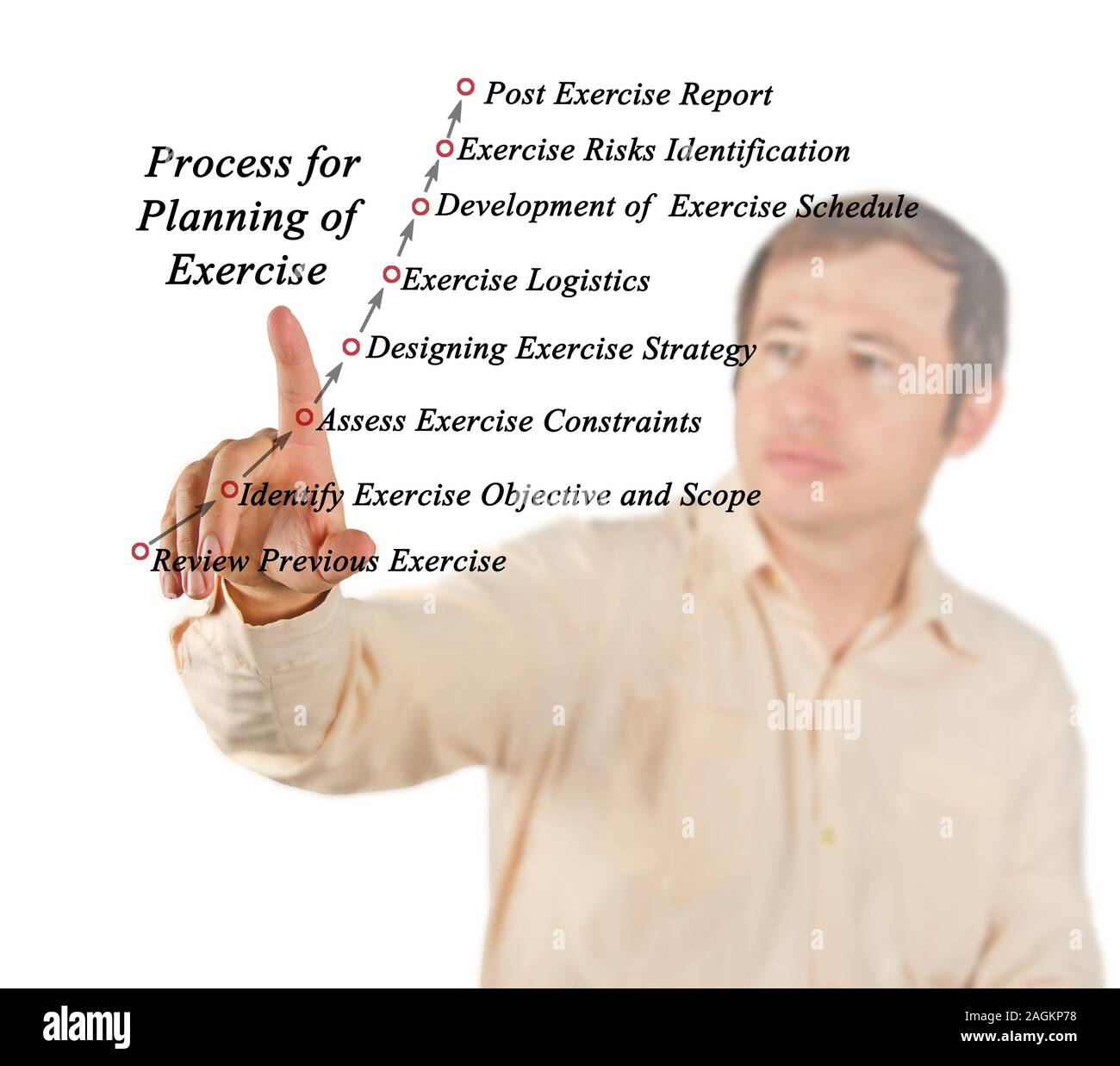
Practical Exercise Planning: A Systematic Guide to Emergency Preparedness
Practical exercise planning is a structured methodology used to design, develop, and execute simulations that test an organization's operational response to specific threats or hazards. This process involves establishing measurable obj...
Practical exercise planning is a structured methodology used to design, develop, and execute simulations that test an organization's operational response to specific threats or hazards. This process involves establishing measurable objectives, creating realistic scenarios, and implementing a rigorous evaluation framework to identify gaps in resources, training, and emergency protocols before a real-world crisis occurs.
Contents
Effective practical exercise planning is the bridge between theoretical emergency plans and operational reality. In 2026, the standard for this process remains grounded in the Homeland Security Exercise and Evaluation Program (HSEEP), a set of guiding principles that ensures consistency across different jurisdictions and industries. Whether you are managing a corporate crisis team, a healthcare facility, or a municipal emergency management agency, the goal of exercise planning is to build a "no-fault" environment where personnel can practice their roles, validate existing plans, and identify areas for improvement.
The Core Principles of Exercise Design
To be effective, a practical exercise must be more than just a gathering of stakeholders; it must be a purposeful investigation of capability. The design phase is the most critical component of the planning process, as it dictates the scope and complexity of the entire endeavor.
The HSEEP Methodology
The Homeland Security Exercise and Evaluation Program (HSEEP) provides a common language and set of processes for exercise planning. It emphasizes a capabilities-based approach, meaning exercises are designed to test specific functions—such as communications, medical surge, or hazardous materials response—rather than just "having a drill." Using this framework ensures that the data gathered during the exercise is actionable and standardized.
Defining SMART Objectives
The success of an exercise is measured by its objectives. Planners must move away from vague goals like "testing the fire plan" and toward SMART objectives:
- Specific: Focus on a single capability or function.
- Measurable: Define how success will be quantified (e.g., "Notification of all key personnel within 15 minutes").
- Achievable: Ensure the objective is realistic for the participants' current training level.
- Relevant: Align the objective with the organization’s most likely or high-impact risks.
- Time-bound: Set a clear timeframe for the actions to be completed during the exercise.
The Exercise Planning Cycle
Planning a complex exercise can take anywhere from three months to over a year, depending on the scale. The process is broken down into a series of formal meetings and development phases.
1. Concepts and Objectives (C&O) Meeting
This is the kickoff event where the exercise planning team identifies the purpose, scope, and objectives of the exercise. During this phase, planners determine what type of exercise is appropriate (discussion-based vs. operations-based) and identify the core capabilities to be tested.
2. Initial Planning Meeting (IPM)
In the IPM, the team begins to build the scenario. They define the exercise location, participants, and lead evaluators. This meeting marks the transition from broad concepts to specific logistical requirements.
3. Mid-Term Planning Meeting (MPM)
For large-scale exercises, the MPM is used to review the draft documentation, including the Exercise Plan (ExPlan) and the Master Scenario Events List (MSEL). Planners conduct a site walkthrough and finalize resource requirements, such as food, water, medical support for participants, and communications equipment.
4. Final Planning Meeting (FPM)
The FPM is the "point of no return." All documentation is finalized, and any remaining logistical hurdles are resolved. No major changes should be made to the scenario or objectives after this meeting.
Categorizing Exercise Types
Exercises are generally divided into two main categories: discussion-based and operations-based. Selecting the right type depends on the maturity of the organization's plans and the specific objectives being tested.
| Exercise Type | Category | Primary Purpose | Complexity |
|---|---|---|---|
| Seminar | Discussion | Orient participants to new plans or policies. | Low |
| Workshop | Discussion | Develop new products, such as SOPs or emergency plans. | Low/Medium |
| Tabletop (TTX) | Discussion | Facilitated discussion regarding a simulated disaster. | Medium |
| Game | Discussion | Competitions to explore the consequences of different decisions. | Medium |
| Drill | Operations | A coordinated, supervised activity used to test a single specific operation. | Medium |
| Functional Exercise | Operations | Test command and coordination in a real-time environment without field deployment. | High |
| Full-Scale Exercise | Operations | A multi-agency, multi-jurisdictional exercise involving actual deployment of resources. | Very High |
Developing a Realistic Scenario
A scenario is the narrative that drives the exercise. It provides the "Who, What, Where, When, and Why" of the simulated incident. For a scenario to be effective, it must be plausible. If participants find the scenario too far-fetched, they may disengage, leading to a "fight the scenario" rather than "fight the problem" mentality.
The Master Scenario Events List (MSEL)
The MSEL (often pronounced "Measle") is a chronological timeline of events or "injects" that push the exercise forward. Each inject is designed to prompt a specific action from the participants that relates directly to an exercise objective. For example, if an objective is to test a hospital's triage capability, a MSEL inject might be: "First transport of 10 'Red' category patients arrives at the Emergency Department."
Role of the SimCell
In Functional and Full-Scale exercises, the Simulation Cell (SimCell) represents entities that are not physically present. If a participant needs to call the State Police or a local utility company, and those agencies are not participating, the SimCell receives the call and provides a scripted response to maintain the realism of the exercise flow.
Logistics and Safety Planning
Operations-based exercises involve moving people and equipment, which introduces inherent risks. A dedicated Safety Officer must be appointed for every operations-based exercise. This individual has the authority to stop the exercise immediately if they observe an unsafe condition.
Key logistical considerations include:
- Communications: Establishing dedicated radio channels or phone lines for exercise play to avoid interference with actual emergency frequencies.
- Props and Moulage: Using makeup and fake wounds (moulage) or physical props to increase realism.
- Badging and Identification: Ensuring all participants, observers, and evaluators are clearly identified with vests or badges to prevent confusion with the general public.
- The "Real World" Phrase: Establishing a phrase such as "Real World Emergency" or "No Duff" to signal that a participant has suffered an actual injury and that exercise play should pause.
The Evaluation Phase: Measuring Success
The most common failure in practical exercise planning is treating the "Conduct" phase (the day of the exercise) as the end of the process. Without a rigorous evaluation, the exercise is merely theater.
The After-Action Report (AAR)
The AAR is the formal record of the exercise. It summarizes what happened, what went well, and what needs to be improved. The evaluation should be based on the Exercise Evaluation Guides (EEGs), which provide a standardized way to document whether objectives were met, partially met, or not met.
The Improvement Plan (IP)
The IP is the roadmap for the future. It takes the "Areas for Improvement" identified in the AAR and turns them into specific tasks. Each task must be assigned to a specific individual or department with a concrete deadline for completion. Common improvements include:
- Updating standard operating procedures (SOPs).
- Purchasing new equipment or technology.
- Conducting additional training for specific staff roles.
- Drafting new mutual aid agreements with external partners.
Common Pitfalls in Exercise Planning
Even experienced planners can fall into traps that undermine the effectiveness of a practical exercise. Avoiding these common mistakes is essential for maximizing the return on investment.
- Over-complicating the Scenario: Too many simultaneous events can overwhelm participants and prevent them from completing any single objective successfully.
- Lack of Stakeholder Buy-in: If senior leadership does not view the exercise as a priority, participants may not take it seriously, and the Improvement Plan is unlikely to be funded or executed.
- "Testing" Instead of "Training": Exercises should be used to validate plans, not to punish individuals for mistakes. A "no-fault" environment encourages honest performance and clearer data.
- Poor Evaluation Data: If evaluators are not properly trained or do not have clear criteria, the resulting AAR will be vague and unhelpful.
Professional Considerations and Resources
Exercise planning is a specialized skill set. In the United States, the Federal Emergency Management Agency (FEMA) provides comprehensive training through the Emergency Management Institute (EMI). Courses such as IS-120.c (An Introduction to Exercises) and IS-130.a (How to be an Exercise Evaluator) are essential prerequisites for anyone leading these efforts.
For international practitioners, the ISO 22301 standard for business continuity management systems also emphasizes the necessity of regular exercising and testing to ensure organizational resilience.
Frequently Asked Questions
How often should an organization conduct practical exercises?
The frequency depends on the organization's risk profile and regulatory requirements. However, most experts recommend at least one major exercise per year, supplemented by quarterly tabletop exercises or drills. This "building block" approach ensures that skills remain sharp and that new staff are regularly oriented to emergency procedures.
Who should be on the exercise planning team?
The team should be small but representative. It should include a Lead Planner, a Safety Officer, and subject matter experts (SMEs) from the functional areas being tested (e.g., IT, logistics, medical, or security). Crucially, the people on the planning team should not be participants in the exercise, as they will already know the scenario and the injects.
What is the difference between a drill and a functional exercise?
A drill is a narrow, tactical activity used to test a single operation or function, such as a fire evacuation or a radio check. A functional exercise is more complex; it tests the command and coordination elements (the "brain") of an organization, usually in a simulated real-time environment, but without the physical deployment of all field resources.
Can practical exercises be conducted virtually?
Yes. Since 2020, virtual tabletop exercises (VTTXs) have become increasingly common. While operations-based exercises like Full-Scale simulations still require physical presence for realism, discussion-based exercises can be highly effective when conducted over secure video conferencing platforms, provided there is strong facilitation and clear digital injects.
How do you handle "exercise artificialities"?
Exercise artificialities are elements that aren't realistic but are necessary for the exercise to function (e.g., time compression or the absence of real patients). Planners should acknowledge these during the initial briefing. The goal is to minimize them where possible but ensure they do not prevent the objectives from being met.
Next Steps for Planners
If you are tasked with developing a practical exercise, your first step should be to conduct a Training and Exercise Planning Workshop (TEPW). This meeting allows you to look at your organization's existing gaps and training needs to create a Multi-Year Training and Exercise Plan (MYTEP). By scheduling a logical progression of exercises—starting with seminars and building up to full-scale operations—you ensure that your team is never overwhelmed and that every exercise provides maximum value for the time and resources invested.
Image Gallery