Freddie Freeman’s MLB Debut: A Comprehensive Look at the Start of a Hall of Fame Path
Freddie Freeman made his Major League Baseball debut on September 1, 2010, playing for the Atlanta Braves against the New York Mets at Turner Field. Entering the game as a pinch-hitter in the eighth inning, he flew out to left field. W...
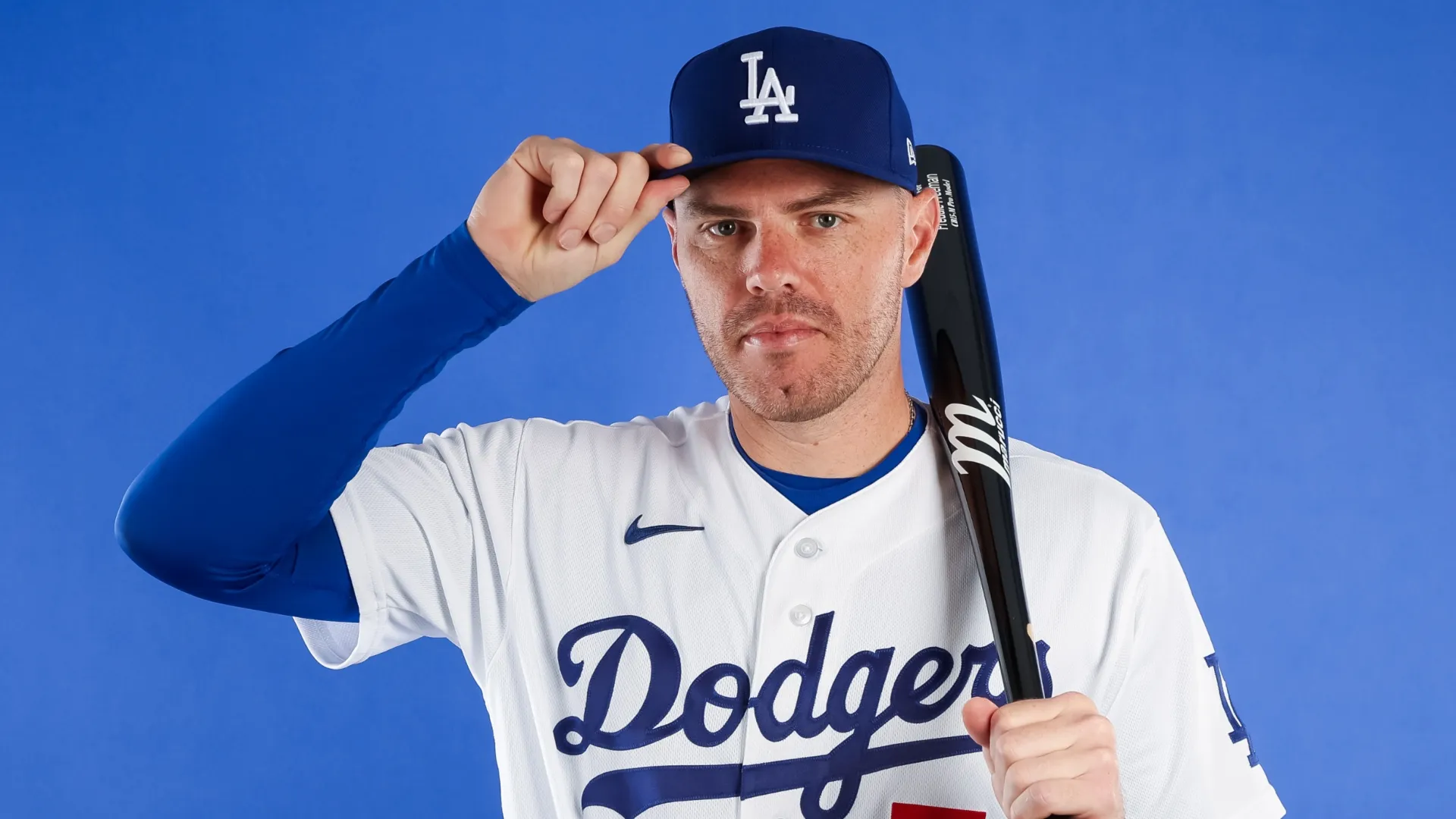
Freddie Freeman made his Major League Baseball debut on September 1, 2010, playing for the Atlanta Braves against the New York Mets at Turner Field. Entering the game as a pinch-hitter in the eighth inning, he flew out to left field. While his first appearance was brief, it signaled the arrival of a foundational player who would eventually define a generation of Braves baseball before continuing his storied career with the Los Angeles Dodgers.
Contents
The Road to Turner Field: Context of the 2010 Call-Up
To understand the significance of Freddie Freeman’s debut, one must look at the state of the Atlanta Braves organization in 2010. This was a transformative year for the franchise, marked by the retirement of legendary manager Bobby Cox. The "Baby Braves" movement was in full swing, headlined by Jason Heyward, who had debuted earlier that year to massive fanfare. Freeman, drafted in the second round of the 2007 MLB Draft out of El Modena High School, had moved rapidly through the minor league system, showcasing a polished left-handed swing and a high-IQ approach to first base defense.
By late August 2010, Freeman was tearing through Triple-A Gwinnett. He posted a .319 batting average with 18 home runs and 87 RBIs across the minor league season. With the MLB rosters expanding in September, the Braves front office saw an opportunity to give their top infield prospect a taste of the "Show" during a heated National League East pennant race.
Freeman’s arrival was not just a developmental milestone; it was a strategic move. The Braves needed depth as they pushed for a Wild Card spot, and Freeman’s left-handed bat provided a valuable tool for Bobby Cox in late-game situations. When the news of his promotion was revealed, it sparked immediate excitement among a fan base that was beginning to see the post-Chipper Jones era take shape.
September 1, 2010: Breaking Down the Debut Game
The atmosphere at Turner Field on September 1, 2010, was focused on the standings. The Braves were hosting the New York Mets, and the game was a relatively tight affair. Tim Hudson started for the Braves, delivering a masterful performance that kept the Mets' bats quiet.
Freddie Freeman did not start the game; instead, he waited in the dugout, wearing the number 30 jersey that would soon become iconic in Atlanta. His moment arrived in the bottom of the eighth inning. The Braves were leading 4-1. With two outs and no one on base, Bobby Cox signaled for Freeman to pinch-hit for relief pitcher Jonny Venters.
The Plate Appearance
Freeman stepped into the box to face Mets reliever Jason Isringhausen, a veteran right-hander with significant postseason experience. For a 20-year-old rookie, facing a pitcher of Isringhausen’s stature was a "welcome to the big leagues" moment.
Freeman worked the count, showing the patient approach that would become his trademark over the next 15 years. On a 2-2 pitch, Freeman connected with a fastball, driving it toward left field. While the contact was solid, it didn't have the distance to clear the fence or find a gap. Mets left fielder Lucas Duda drifted back and caught the fly ball for the third out.
Though he went 0-for-1 in his debut, the poise Freeman showed in the box was immediately evident to scouts and teammates alike. He didn't look overmatched; he looked like he belonged.
The First Hit and the September Stretch
While the debut was a single plate appearance, the days following "the reveal" of Freddie Freeman to the MLB stage were crucial. He didn't have to wait long for his first career hit. It came on September 5, 2010, at Sun Life Stadium against the Florida Marlins. Facing right-hander Clay Hensley, Freeman lined a single to center field in the second inning.
Throughout the remainder of September 2010, Freeman was used sparingly but effectively. He appeared in 20 games, primarily as a pinch-hitter or a late-inning defensive replacement for veteran first baseman Derrek Lee.
Statistical Summary of Freeman's 2010 Debut Stint
| Category | 2010 Performance | Context/Notes |
|---|---|---|
| Games Played | 20 | Mostly pinch-hitting appearances |
| Plate Appearances | 27 | Limited exposure during a pennant race |
| Hits | 4 | Including his first career home run on Sept 21 |
| Batting Average | .167 | Typical of a young prospect adjusting to velocity |
| Home Runs | 1 | Hit against the Phillies' Roy Halladay |
| RBIs | 1 | The lone RBI came on his solo home run |
The highlight of his 2010 stint occurred on September 21 against the Philadelphia Phillies. Facing the legendary Roy Halladay—who was in the midst of a Cy Young-winning season—Freeman launched his first career home run. Homering off a future Hall of Famer served as a definitive "reveal" that Freeman was ready for the highest level of competition.
Technical Analysis: The Freeman Swing in 2010 vs. 2026
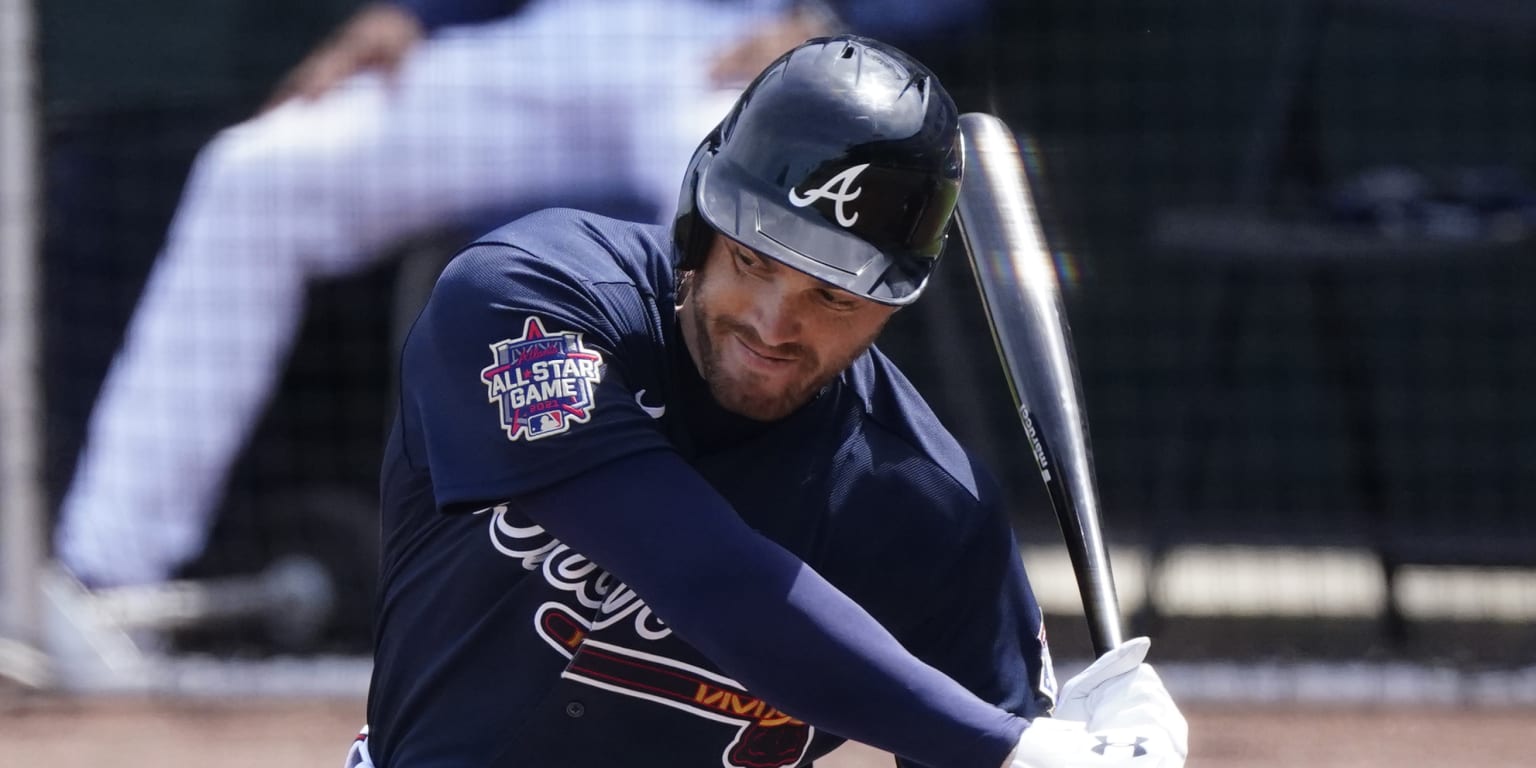
Looking back from the vantage point of 2026, the evolution of Freddie Freeman’s mechanics is a study in consistency. In 2010, Freeman already possessed the "inside-out" swing path that allowed him to drive the ball to all fields. His ability to stay on off-speed pitches and take high-velocity fastballs to the opposite field was rare for a player of his age.
However, there were notable differences:
- Stance Width: In 2010, his stance was slightly narrower. As he matured into his prime years with the Braves and later the Dodgers, he widened his base to generate more consistent power from his lower half.
- Hand Placement: His hands were held slightly higher during his debut season. By the time he won the NL MVP in 2020 and helped the Dodgers to a World Series in 2024, his hands had settled into a more relaxed, "quiet" position that reduced swing tension.
- Approach: In 2010, Freeman was more aggressive early in counts. By 2026, he is widely regarded as one of the most disciplined hitters in the league, often ranking in the top percentiles for chase rate and walk percentage.
The Long-Term Impact of the Debut
Freddie Freeman’s debut was the starting gun for a career that has reached rare heights. In 2011, he finished second in the National League Rookie of the Year voting to teammate Craig Kimbrel. From there, he became an eight-time All-Star, a Gold Glove winner, and the 2020 NL MVP.
The "reveal" of his talent in 2010 also solidified the Braves' decision-making regarding their roster. The team felt comfortable moving on from other infield options because they knew the first base position was secured for the next decade. Even after his high-profile move to the Los Angeles Dodgers in 2022, Freeman’s debut remains a landmark moment in Atlanta sports history, representing the bridge between the Bobby Cox era and the modern championship era.
In 2026, as Freeman continues to pad his Hall of Fame resume with the Dodgers, his debut is frequently cited as a masterclass in how a prospect should be integrated into a winning culture. He wasn't rushed into a starting role during a pennant race; instead, he was allowed to observe veterans like Chipper Jones and Brian McCann, learning the nuances of the game before taking over full-time in 2011.
Comparison: Freeman’s Rookie Status vs. Career Averages
As of the current 2026 season, Freeman’s career numbers have validated every bit of the hype that surrounded his September 2010 call-up.
| Metric | 2010 (Debut Season) | Career Average (as of 2026) |
|---|---|---|
| Batting Average | .167 | .300 |
| On-Base Percentage | .259 | .388 |
| Slugging Percentage | .333 | .512 |
| Fielding Percentage | 1.000 | .994 |
| Average Exit Velocity | N/A (Pre-Statcast) | 91.5 mph |
Common Questions Regarding Freddie Freeman’s Debut
Who was the pitcher Freddie Freeman faced in his first MLB at-bat?
Freddie Freeman faced Jason Isringhausen of the New York Mets. Isringhausen was a veteran pitcher at the time, known for his years as a closer for the St. Louis Cardinals. Freeman flew out to left field on a 2-2 count.
Did Freddie Freeman start his first MLB game?
No, Freddie Freeman did not start his first game. He entered as a pinch-hitter for relief pitcher Jonny Venters in the bottom of the eighth inning. His first MLB start came two days later, on September 3, 2010, against the Florida Marlins, where he played first base and batted seventh.
What was Freddie Freeman’s jersey number during his debut?
During his 2010 debut and the remainder of that season, Freddie Freeman wore jersey number 30. He famously switched to number 5 in 2011, which he wore for the rest of his tenure with the Atlanta Braves and continued to wear with the Los Angeles Dodgers.
How old was Freddie Freeman when he made his MLB debut?
Freddie Freeman was 20 years and 354 days old when he debuted on September 1, 2010. He turned 21 just eleven days later. His youth was a major talking point at the time, as he was one of the youngest players in the National League.
Did the Braves win the game in which Freeman debuted?
Yes, the Atlanta Braves defeated the New York Mets 4-1 on September 1, 2010. Tim Hudson earned the win, and Peter Moylan earned the save. While Freeman did not contribute a hit to the victory, the game was an important win for the Braves' postseason aspirations.
Next Steps for Fans and Collectors
For those looking to commemorate this piece of baseball history, Freddie Freeman’s 2010 Topps Update (US175) is widely considered his most important rookie card, capturing him in the Braves uniform he wore during that debut month. As Freeman moves closer to 3,000 career hits—a milestone many expect him to reach before his current contract expires—revisiting the footage of his first at-bat at Turner Field offers a poignant look at where one of the greatest first basemen in history began his journey.
Fans interested in a deeper dive into his early years can visit the National Baseball Hall of Fame archives or check official team history on the MLB website for detailed box scores from the 2010 season.
Image Gallery