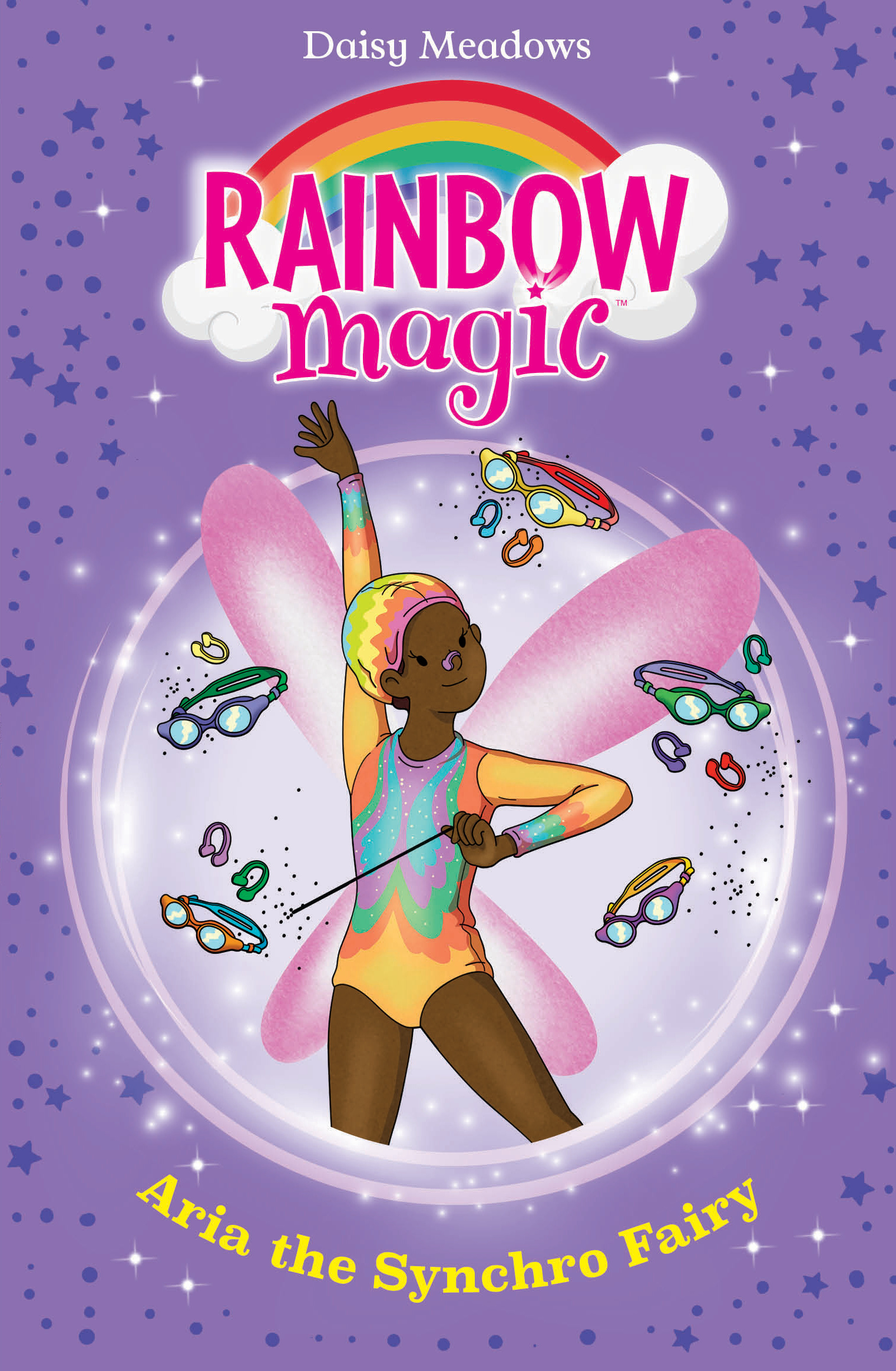
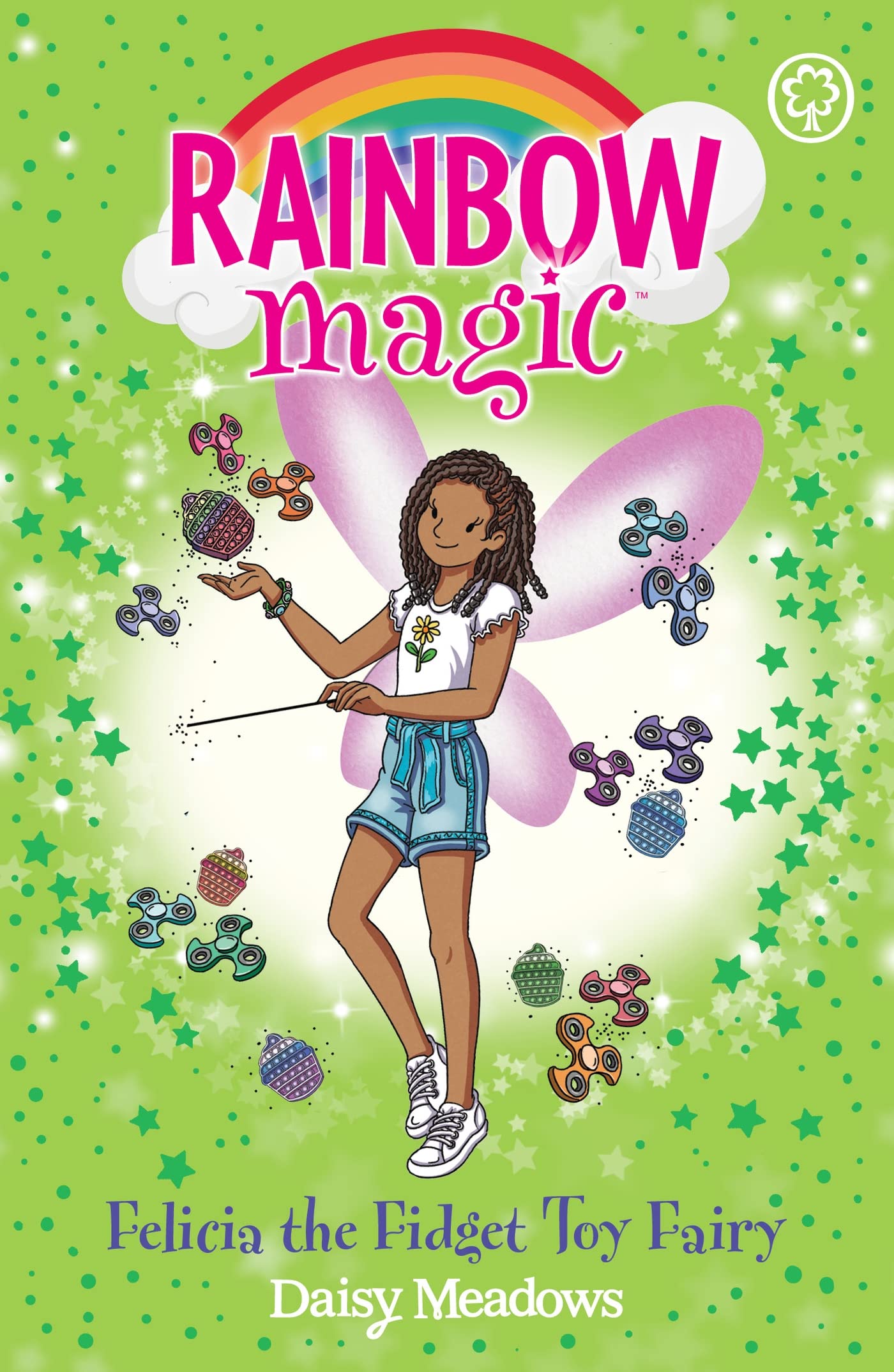
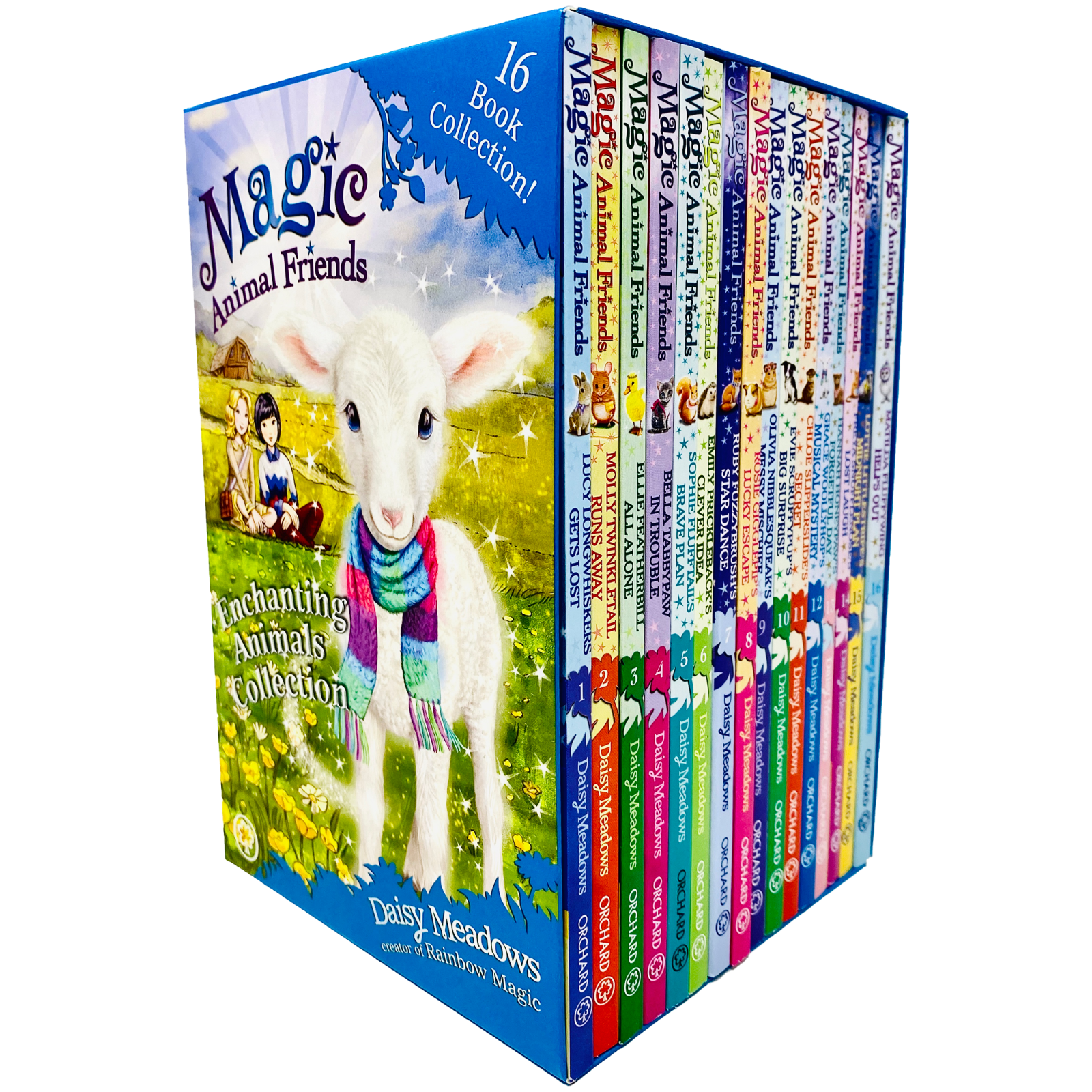
Daisy Meadows Net Worth in Publishing: The Financial Scale of the Rainbow Magic Empire
As of 2026, the collective pseudonym Daisy Meadows does not possess a personal net worth because it is a corporate brand identity rather than an individual. However, the Rainbow Magic franchise it represents is valued at over $300 mill...
As of 2026, the collective pseudonym Daisy Meadows does not possess a personal net worth because it is a corporate brand identity rather than an individual. However, the Rainbow Magic franchise it represents is valued at over $300 million in cumulative global retail sales, having sold more than 40 million copies worldwide through its owners, Working Partners and the Coolabi Group.
Contents
Understanding the "net worth" of Daisy Meadows requires a deep dive into the mechanics of intellectual property (IP) packaging, ghostwriting contracts, and the corporate acquisition of literary brands. Unlike a traditional author who retains copyright and full royalty rights, the financial value of the Daisy Meadows name belongs to the entities that created and manage the series.
The Corporate Author: Who is Daisy Meadows?
To analyze the financial standing of Daisy Meadows, one must first recognize that the "author" is a creation of Working Partners, a London-based book packaging company. This business model differs significantly from the traditional path to publication. In this ecosystem, a team of editors and creative directors develops the core concept, character bibles, and plot outlines. They then hire various writers—often referred to as ghostwriters—to draft the manuscripts based on these rigid specifications.
Since the launch of Ruby the Red Fairy in 2003, dozens of writers have contributed to the series under the Meadows moniker. Notable authors who have written for the brand include Narinder Dhami, Sue Bentley, Linda Chapman, and Sue Mongredien. Because the copyright is held by the packager (Working Partners) and the publisher (Orchard Books in the UK and Scholastic in the US), the financial success of the books benefits the corporate shareholders rather than a single individual.
The Financial Scale of the Rainbow Magic Franchise
The Rainbow Magic series is one of the most successful children's book franchises in history. Its financial impact on the publishing industry is measured not just in unit sales, but in its ability to dominate the "early reader" market for over two decades.
Global Sales and Revenue Streams
By 2026, the series has expanded to include over 250 titles, categorized into themed "sub-series" (such as the Weather Fairies, Jewel Fairies, and Petal Fairies). This high-volume output is a deliberate financial strategy to maintain shelf space in retail environments.
Estimated revenue streams for the brand include:
- Direct Book Sales: With over 40 million units sold, the gross retail revenue is estimated to exceed $280 million, assuming a conservative average price point of $6.99 per book.
- Foreign Rights: The series has been translated into over 30 languages, providing steady licensing income from international publishers.
- Merchandising and Licensing: While books remain the primary driver, the brand has seen various iterations of stationery, apparel, and digital apps.
The Role of Working Partners and Coolabi Group
The true "net worth" of the Daisy Meadows brand was effectively crystallized in 2012 when Coolabi Group acquired Working Partners for approximately £15 million (roughly $23.5 million at the time). This acquisition included the rights to Rainbow Magic along with other massive franchises like Warrior Cats (Erin Hunter) and Beast Quest (Adam Blade).
Since that acquisition, Coolabi has focused on maximizing the valuation of these IPs through digital transformation and expanded distribution. In the financial landscape of 2026, the internal valuation of the Rainbow Magic IP within Coolabi’s portfolio is significantly higher than its initial purchase price, given its continued dominance in the school-age demographic and its expansion into streaming-adjacent content.
How Profits are Distributed in the Daisy Meadows Model
The financial structure of a packaged series like Rainbow Magic is vastly different from that of a solo author like J.K. Rowling or Dav Pilkey. In the Daisy Meadows model, the "net worth" generated by the books is distributed across several layers:
- The Publisher (Scholastic/Orchard): They take the lion's share of the retail price to cover printing, distribution, and marketing.
- The Packager (Working Partners/Coolabi): They receive the royalties and licensing fees as the copyright owners.
- The Ghostwriters: Most writers for the Daisy Meadows series are paid a flat fee (often ranging from $3,000 to $10,000 per book, depending on experience and contract terms) or a very small percentage of royalties. They generally do not share in the long-term "net worth" of the brand.
Comparison: Daisy Meadows vs. Traditional Author Brands
To understand the efficiency of the corporate author model, it is helpful to compare the Daisy Meadows entity against traditional high-earning authors in the 2026 publishing market.
| Feature | Daisy Meadows (Corporate) | Traditional Top-Tier Author |
|---|---|---|
| Ownership | Corporate (Coolabi/Working Partners) | Individual Author |
| Production Speed | 10–20 books per year | 1–2 books per year |
| Royalties | Retained by the company | Paid to the author |
| Brand Longevity | Infinite (new writers can be hired) | Limited to the author's lifespan/output |
| Estimated Franchise Value | $300M+ (Retail) | Varies (e.g., $1B+ for Rowling) |
| Marketing Focus | Character and Brand Identity | Author Personality and Voice |
The Impact of High-Volume Publishing on "Net Worth"
The financial genius behind the Daisy Meadows name lies in the "collectibility" factor. By releasing books in sets of seven, the publishers encourage repeat purchases. This creates a predictable revenue model that traditional authors often struggle to replicate.
In the 2026 fiscal environment, this predictability makes the Daisy Meadows IP a "blue-chip" asset in the publishing world. While the individual writers do not see a "net worth" spike, the brand itself acts as a massive engine for Scholastic and Coolabi, providing the capital necessary to fund other, riskier literary ventures.
Challenges to Brand Valuation in 2026
Despite its massive success, the valuation of the Daisy Meadows franchise faces modern challenges:
- Digital Competition: The rise of interactive storytelling apps and high-frequency content on video platforms competes for the same 5-to-8-year-old audience.
- Market Saturation: With over 250 titles, there is a risk of fatigue. However, the "evergreen" nature of fairy stories for new generations of readers has historically mitigated this.
- AI in Publishing: As of 2026, the use of Large Language Models (LLMs) to assist in the drafting of series fiction has become a point of contention. While it could lower production costs for brands like Daisy Meadows, it also raises complex copyright issues that could affect the IP's total valuation.
The Writers Behind the Pseudonym: Earnings and Career Impact
While the "Daisy Meadows net worth" is a corporate figure, the individual writers behind the name have used the platform to build their own professional careers. For a writer, being part of the Daisy Meadows collective is often a "work-for-hire" arrangement that provides:
- Stable Income: In an industry where royalties are unpredictable, flat-fee ghostwriting offers guaranteed payment.
- Industry Credit: Writing for a global brand provides a pedigree that helps authors land their own solo contracts later.
- Skill Development: The rigorous plotting requirements of Working Partners act as a "finishing school" for commercial fiction writers.
However, from a wealth-building perspective, the writers who contribute to Daisy Meadows are typically middle-class earners. Their personal net worths are generally in the range of high-five to low-six figures, unless they have successfully transitioned into solo brand-name authorship.
FAQ: Common Questions About Daisy Meadows' Financial Status
Is Daisy Meadows a real person?
No. Daisy Meadows is a collective pseudonym created by Working Partners Ltd. The books are written by a variety of ghostwriters, including Narinder Dhami and Linda Chapman.
How much does a Daisy Meadows writer get paid?
Most contributors are paid a flat fee for their work, which can range from $3,000 to over $10,000 per manuscript. Some early contributors may have had small royalty agreements, but the majority of the profit remains with the copyright holders (Coolabi).
Who owns the rights to Rainbow Magic in 2026?
The intellectual property is owned by Coolabi Group, which acquired Working Partners in 2012. The books are published primarily by Orchard Books (a division of Hachette) in the UK and Scholastic in the US.
What is the total retail value of the Rainbow Magic series?
As of 2026, the series has generated over $300 million in retail sales globally since its inception in 2003.
Can I buy shares in Daisy Meadows?
You cannot buy shares in the name itself, but you can look at the corporate owners. Coolabi Group is the primary entity, and its valuation is influenced by the performance of the Daisy Meadows brand.
Summary of the Financial Legacy
The "net worth" of Daisy Meadows in publishing is a testament to the power of Intellectual Property over individual celebrity. While the name does not have a bank account, the brand represents a multi-million dollar asset that continues to yield high returns for its corporate parents. For readers and aspiring writers, it serves as the ultimate example of how "packaged" fiction can dominate the global market through volume, consistency, and strategic brand management.
If you are looking to understand the financial side of publishing, the Daisy Meadows model proves that sometimes, the most valuable "authors" are the ones who don't actually exist.
Image Gallery