What Are Student Residences in Lisbon? A Complete Guide for 2026
Student residences in Lisbon are purpose-built housing facilities designed to accommodate domestic and international higher education students. These accommodations range from subsidized public dormitories managed by university social...
Student residences in Lisbon are purpose-built housing facilities designed to accommodate domestic and international higher education students. These accommodations range from subsidized public dormitories managed by university social services to high-end private residences (PBSA) offering all-inclusive amenities like gyms, study halls, and 24/7 security.
Contents
Lisbon has evolved into a premier global destination for higher education, driven by the prestige of its universities and the vibrant Mediterranean lifestyle. However, the city’s popularity has created a competitive housing market. For students arriving in 2026, understanding the nuances of student residences—from the application tiers to the specific neighborhood benefits—is essential for securing a safe, affordable, and academically conducive living environment.
The Two Primary Categories of Student Residences
The student housing landscape in Lisbon is split into two distinct sectors: public residences managed by universities and private residences managed by commercial entities. Each serves a different demographic and offers varying levels of service.
Public University Residences (SAS)
Public residences are managed by the Serviços de Ação Social (SAS) of each individual university, such as the University of Lisbon (ULisboa), NOVA University Lisbon (UNL), and the Polytechnic University of Lisbon (IPL).
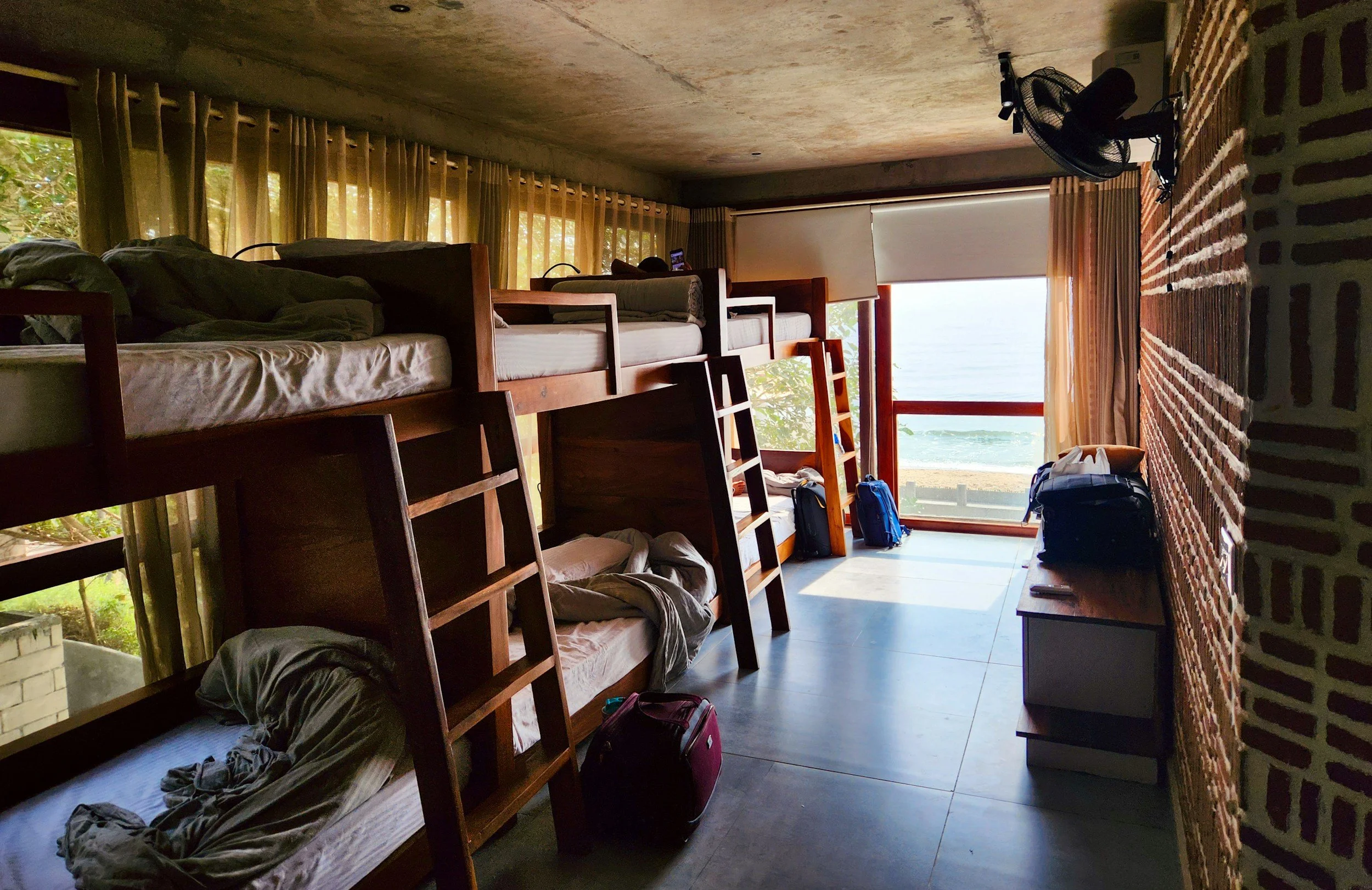
The primary mission of these residences is to support students with limited financial means. In 2026, priority is strictly given to scholarship holders (bolseiros). These accommodations are typically the most affordable option in the city but are also the most difficult to secure due to high demand and limited supply. Facilities are usually functional, offering shared or individual rooms, communal kitchens, and laundry areas.
Private Purpose-Built Student Accommodations (PBSA)
Private residences have seen massive investment over the last decade. Brands like Nido, Livensa Living, Micampus, and Collegiate operate large-scale complexes across Lisbon.
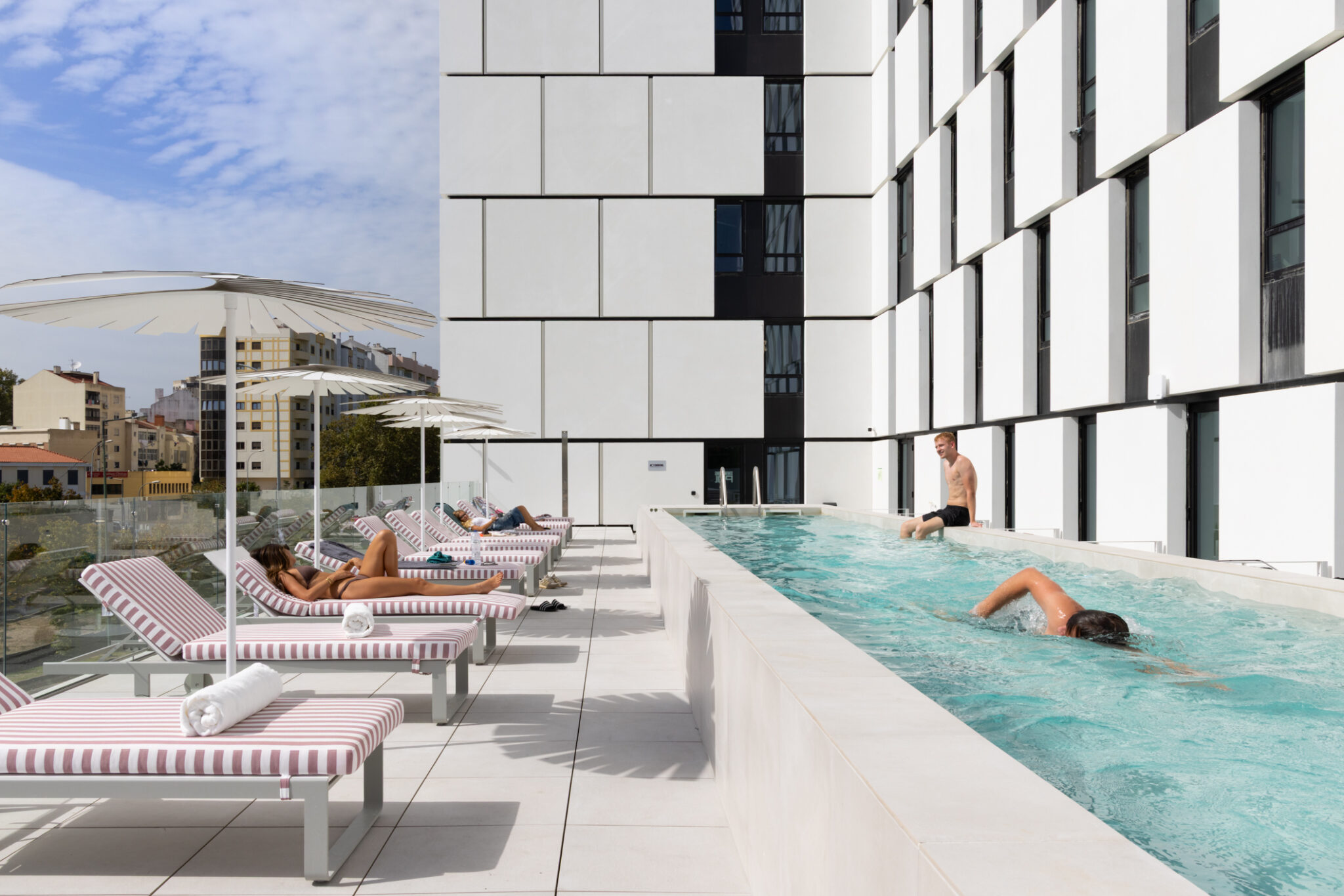
These residences cater to students who prioritize convenience and community. Most private residences operate on an "all-inclusive" bill model, meaning electricity, water, high-speed internet, and weekly cleaning are included in the monthly rent. They also feature premium amenities such as rooftop terraces, swimming pools, private cinema rooms, and organized social calendars to help international students integrate.
Key Neighborhoods for Student Housing in Lisbon
Location is the most significant factor affecting both the cost and the quality of life for a student in Lisbon. Because the city’s universities are spread across different hubs, residences are concentrated in specific clusters.
Cidade Universitária and Alvalade
This is the heart of student life in Lisbon. It hosts the main campus of the University of Lisbon and ISCTE-IUL.
- Atmosphere: Highly academic with vast green spaces like Jardim do Campo Grande.
- Residences: This area has a high concentration of both public SAS residences and large-scale private ones.
- Accessibility: Excellent metro connections (Yellow and Green lines).
Alameda and Arroios
Centrally located, this area is the primary choice for engineering students attending Instituto Superior Técnico (IST).
- Atmosphere: Multicultural and bustling. It is popular for its proximity to both the university and downtown nightlife.
- Residences: Many smaller, "boutique" private residences are located in renovated historic buildings here.
Benfica and Sete Rios
Located slightly further from the city center, these neighborhoods serve the Polytechnic Institute of Lisbon (IPL) and the Catholic University of Portugal (UCP).
- Atmosphere: Residential and quieter, offering a more "local" Lisbon experience.
- Residences: Generally offer slightly more competitive pricing than those in the city center while remaining well-connected by the Blue Metro line and suburban trains.
Santos and Ajuda
These areas host schools dedicated to architecture, design, and social sciences, such as IADE and the Faculty of Architecture.
- Atmosphere: Santos is known for its design boutiques and riverfront access, while Ajuda offers a more traditional, hilly neighborhood feel.
- Residences: Several modern private residences have opened near the riverfront to accommodate the influx of international design students.
Cost Analysis and Budgeting for 2026
Budgeting for a student residence in Lisbon requires a clear understanding of what is included in the base price. As of 2026, the market remains tight, and prices reflect the high demand for quality housing.
| Feature | Public Residence (SAS) | Private Residence (PBSA) |
|---|---|---|
| Monthly Rent (Approx.) | €250 – €500 | €750 – €1,450 |
| Utilities (Water/Elec) | Usually Included | Included |
| Room Type | Mostly Shared | Mostly Private Studios/Ensuites |
| Internet/Wi-Fi | Basic (Eduroam) | High-speed (Private) |
| Cleaning Services | Common areas only | Often included (weekly/bi-weekly) |
| Security | Minimal/Receptionist | 24/7 Security & CCTV |
| Gym/Leisure | Rarely available | Standard feature |
Students should also account for a security deposit, which is typically equivalent to one or two months of rent, payable upon signing the contract. In the private sector, many residences also charge an annual "membership" or "admin fee" ranging from €50 to €200 to cover social events and maintenance.
Application Requirements and Documentation
Securing a spot in a residence requires preparation, especially for international students who need to provide proof of their status in Portugal.
For Public Residences
The application for SAS residences usually opens alongside the university enrollment period. You will typically need:
- Proof of enrollment in a public higher education institution.
- Your Tax Identification Number (NIF - Número de Identificação Fiscal).
- Socio-economic documentation (income tax returns) if applying for a subsidized rate.
- Identification (Citizen Card or Passport).
For Private Residences
The process is more streamlined and functions similarly to a hotel or apartment booking. Requirements include:
- Letter of Acceptance: Proof that you are a student or researcher.
- Guarantor (Fiador): Many residences require a Portuguese guarantor. If you do not have one, you may be asked to pay several months of rent in advance or provide an increased security deposit.
- NIF: While not always mandatory for the initial booking, you will need a NIF for the formal rental contract to ensure legal compliance and potential tax deductions.
Advantages of Choosing a Residence Over a Shared Apartment
While many students opt for "quartos" (rooms in shared private apartments), student residences offer several structural advantages that simplify life in a foreign city.
1. Legal Security and Contracts
The informal rental market in Lisbon can be risky, with some landlords refusing to provide legal contracts to avoid taxes. Student residences, both public and private, provide formal rental agreements. This is crucial for students who need to provide "proof of address" for their residence permit (VFS/AIMA) or to open a Portuguese bank account.
2. All-Inclusive Budgeting
In a shared apartment, monthly utility costs (electricity, gas, water) can fluctuate significantly, especially during winter months when heating costs rise. Student residences provide a fixed monthly cost, which is invaluable for students living on a strict stipend or parental allowance.
3. Safety and Maintenance
Most residences employ on-site maintenance teams. If a lightbulb breaks or a heater fails, it is typically fixed within 24 hours. Additionally, controlled access via electronic key cards and on-site staff provides a layer of security that traditional apartment buildings often lack.
4. Community and Integration
Living in a residence provides an immediate social circle. For international students, this mitigates the isolation that can occur when moving to a new country. Shared study rooms also encourage collaborative learning and peer support during exam seasons.
Common Challenges and Considerations
Despite the benefits, student residences are not a universal solution for everyone.
- Strict Rules: Many residences have policies regarding guests, noise levels, and overnight stays. If you prefer total independence and the ability to host friends without restrictions, a private apartment might be more suitable.
- Space Limitations: Rooms in residences, particularly older public ones, can be small. Storage is often limited to a single wardrobe and under-bed space.
- Booking Deadlines: For the September intake, the best residences are often fully booked by May or June. Students who wait until their university results are finalized in August often find themselves limited to the most expensive or least convenient options.
Frequently Asked Questions
Is it cheaper to live in a residence or a shared flat?
Generally, a shared flat (quarto em casa partilhada) might have a lower sticker price, but once you add the costs of internet, utilities, cleaning, and the lack of amenities like a gym, the price gap narrows significantly. For those seeking the lowest possible cost, public residences are the cheapest, followed by shared flats in outlying neighborhoods like Loures or Odivelas.
Do I need a Portuguese NIF to book a student residence?
For private residences, you can often start the booking process with just your passport. However, to finalize a legal rental contract in Portugal, a NIF (Tax Identification Number) is highly recommended and often mandatory for the landlord to register the contract with the Tax Authority (Autoridade Tributária).
Are student residences in Lisbon safe?
Yes, student residences are among the safest housing options in the city. Private residences almost always feature 24/7 reception, CCTV, and electronic room keys. Public residences also maintain controlled access, though they may have fewer staff on-site during late-night hours.
Can I stay in a student residence during the summer holidays?
Most private residences offer 12-month contracts or the option to extend through the summer. Public university residences, however, often close certain wings for maintenance during July and August, or they may prioritize students attending summer courses.
Are the rooms furnished?
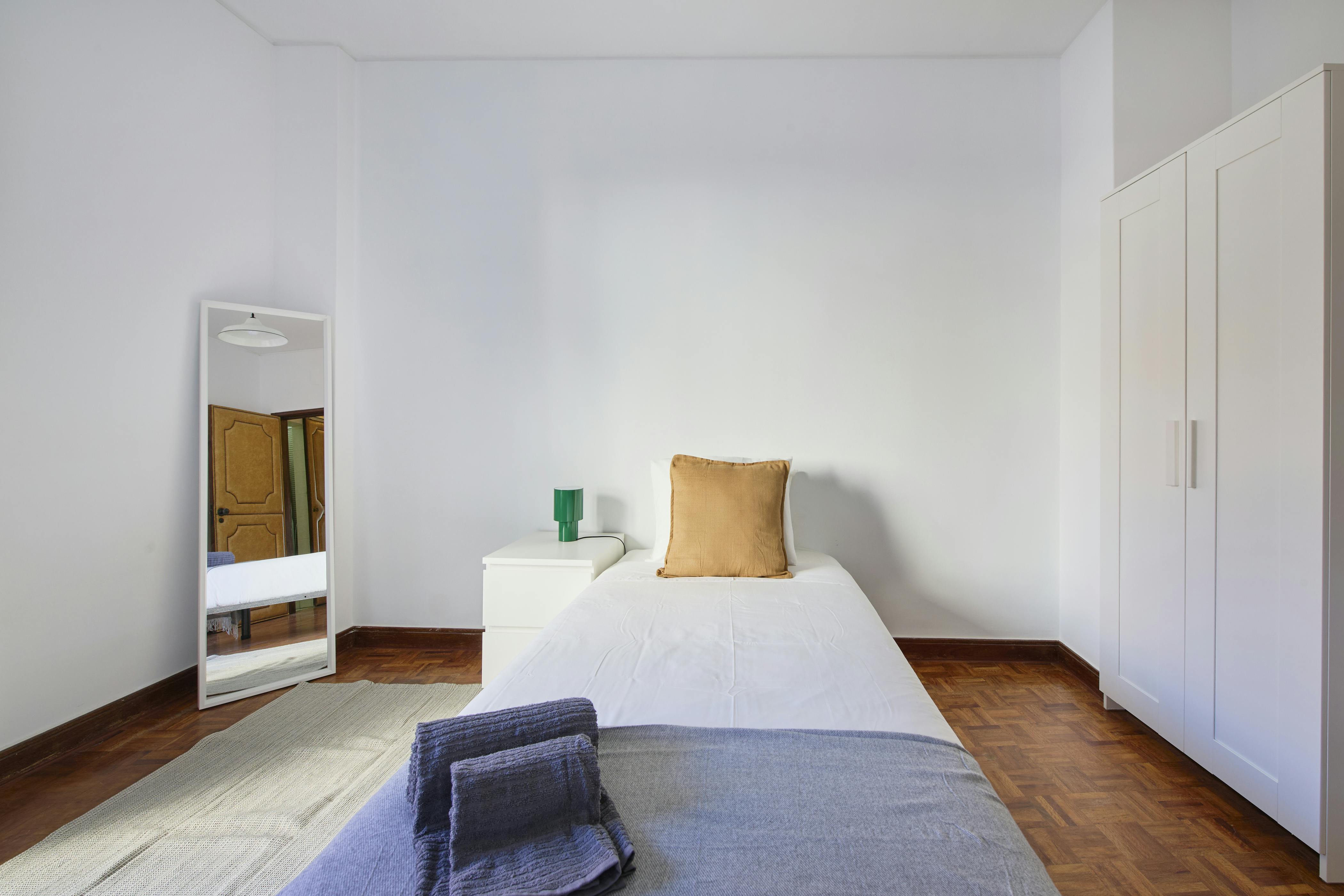
Yes, almost all student residences in Lisbon are provided fully furnished with a bed, desk, chair, and wardrobe. Private residences often include additional items like lamps, curtains, and sometimes bedding packs (though these may come at an extra cost).
Practical Recommendation for Incoming Students
If you are planning to study in Lisbon in 2026, the most effective strategy is to apply early. If you are eligible for a scholarship, submit your SAS application the moment the portal opens. If you are looking at the private market, use the spring months to take virtual tours of residences in the neighborhood of your faculty. Always ensure that any payment made is backed by a formal booking confirmation and a draft contract to protect your rights under Portuguese rental law.
Image Gallery