Optimizing the Supply Chain with Manufacturing Solutions of MN: A 2026 Industry Guide
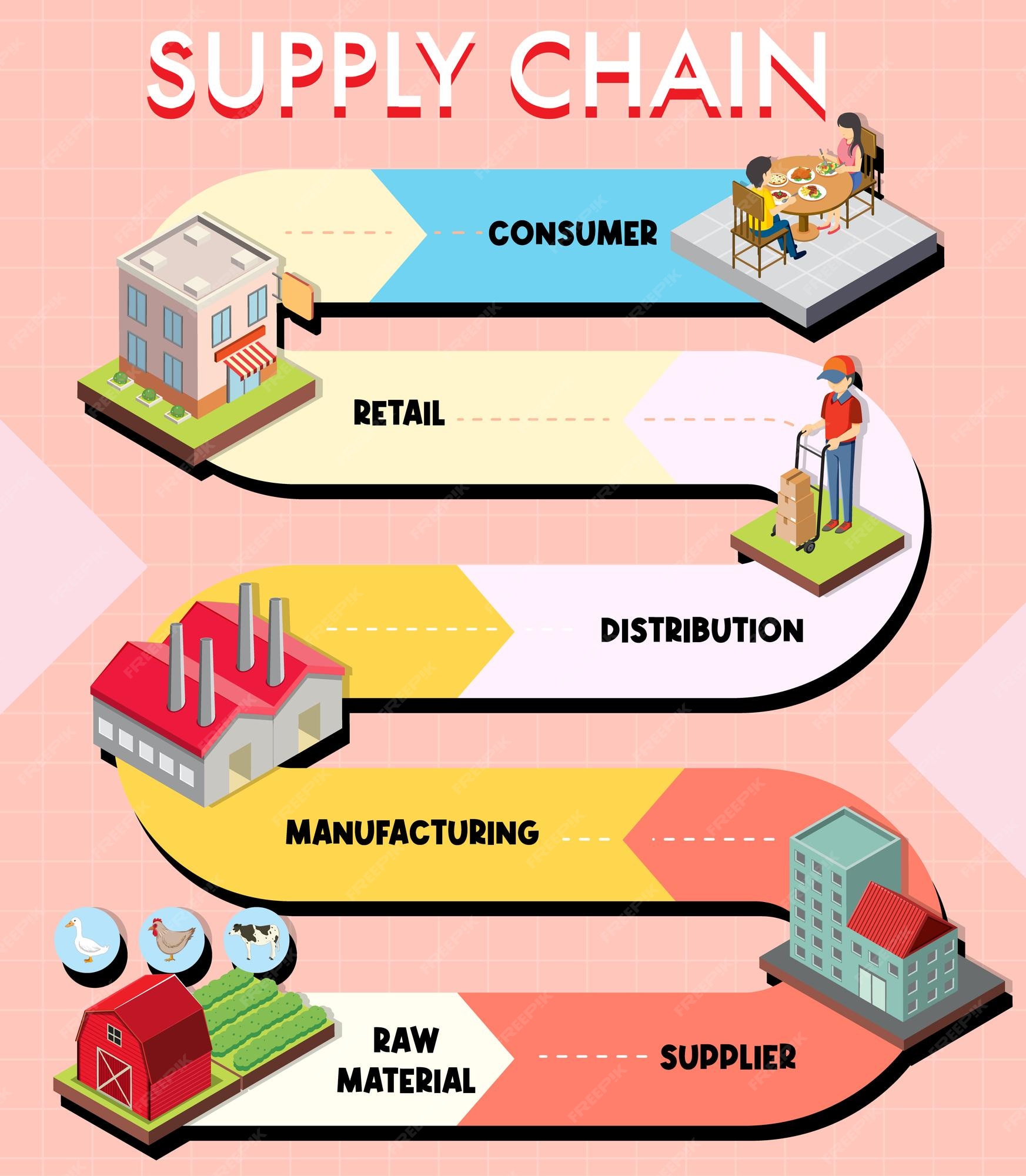
Manufacturing solutions of MN in the supply chain provide critical contract assembly, kitting, and distribution services that bridge the gap between production and the end consumer. By leveraging Minnesota’s central North American loca...
Manufacturing solutions of MN in the supply chain provide critical contract assembly, kitting, and distribution services that bridge the gap between production and the end consumer. By leveraging Minnesota’s central North American location and advanced industrial infrastructure, these solutions enable businesses to reduce lead times, lower overhead costs, and maintain high-quality control through localized, expert-managed operations.
Contents
The Role of Minnesota-Based Manufacturing in Modern Supply Chains
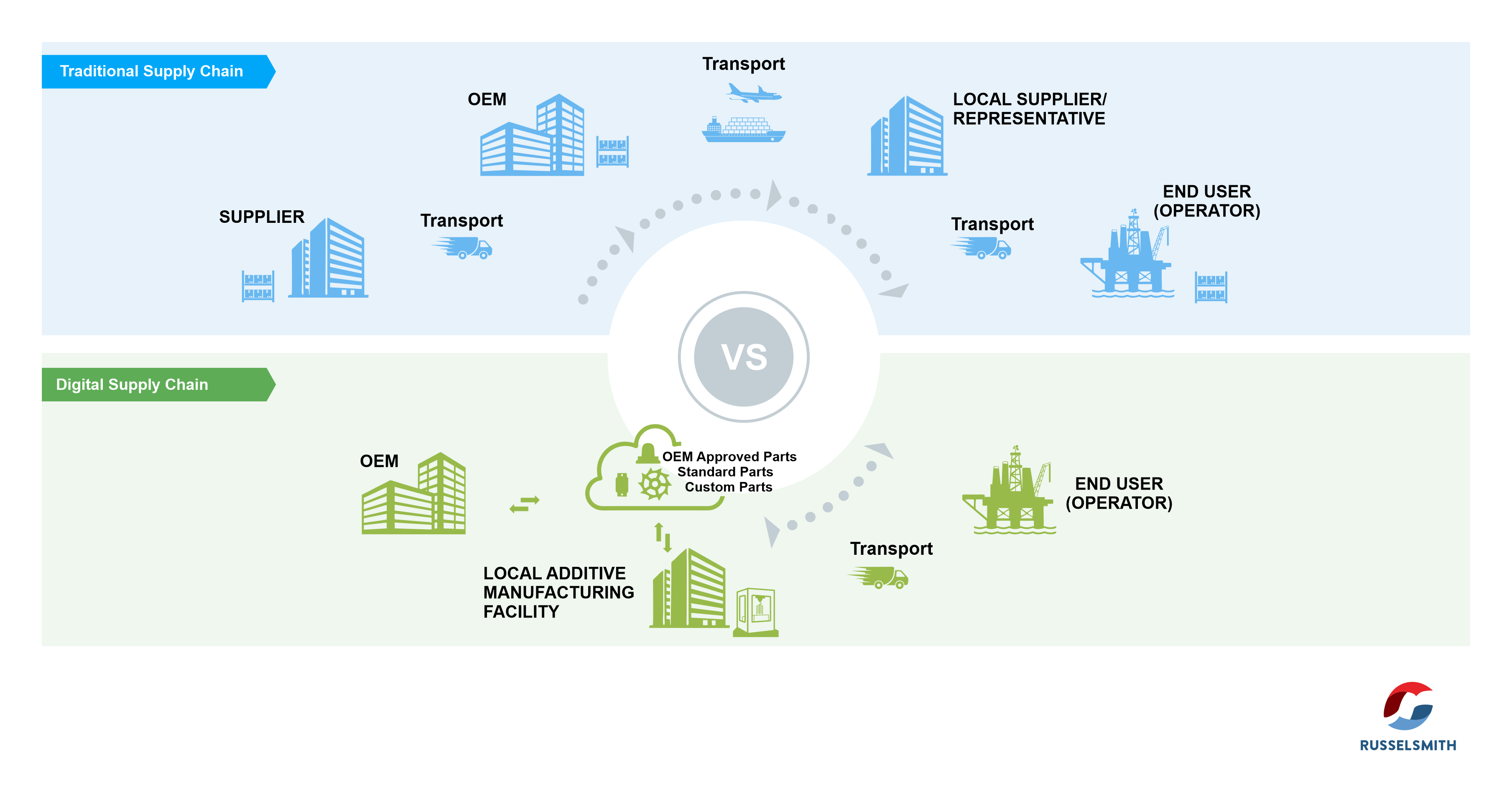
As we navigate the industrial landscape of 2026, the shift toward regionalized supply chains has solidified. Manufacturing Solutions of MN (Minnesota) serves as a primary hub for companies seeking to de-risk their operations from international volatility. The central United States, particularly the Upper Midwest, offers a strategic advantage for logistics, providing a 24-to-48-hour transit window to most major North American markets.
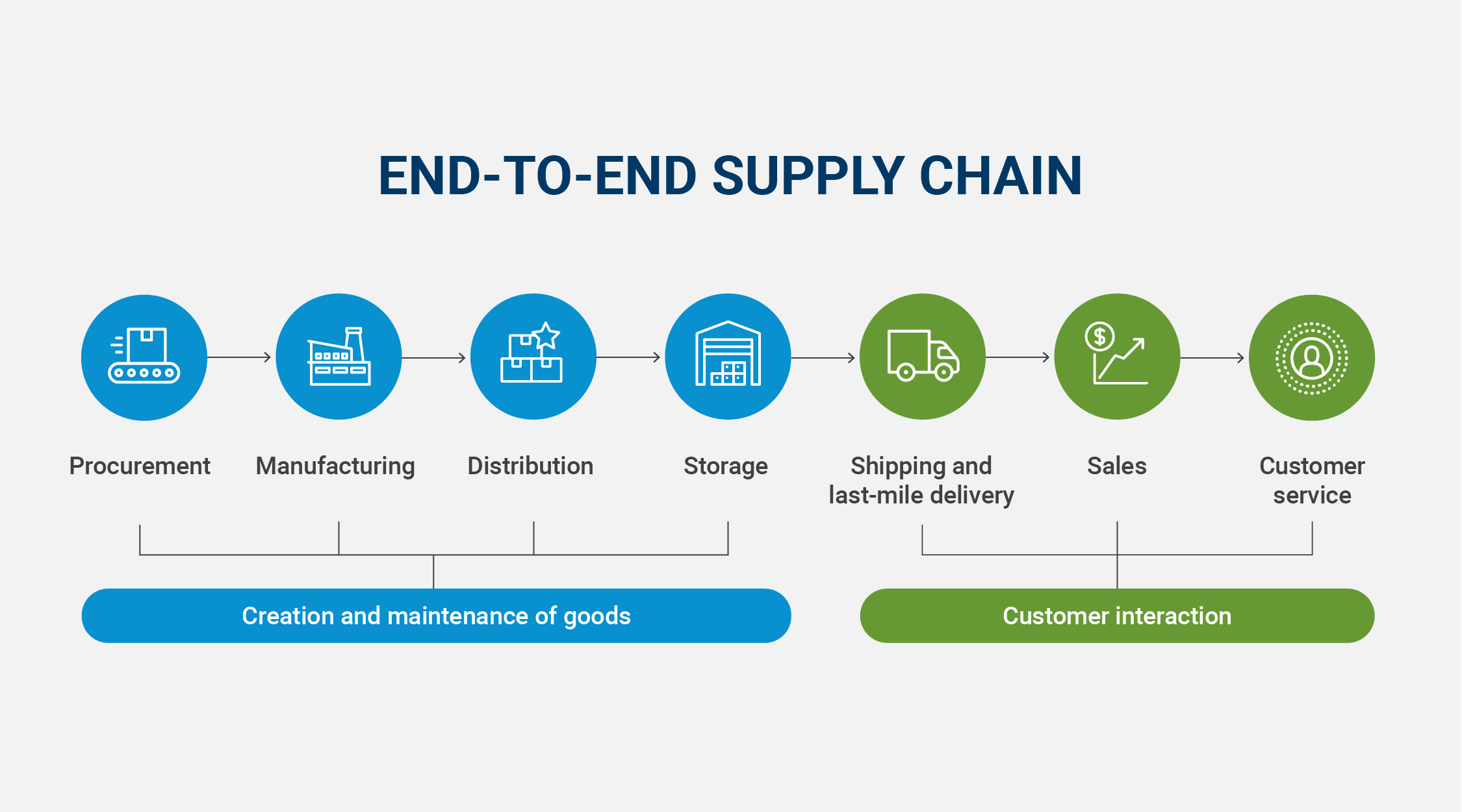
Manufacturing solutions in this region are no longer just about "making parts." They encompass a holistic approach to the supply chain, including engineering support, component sourcing, inventory management, and final-mile fulfillment. In 2026, the integration of smart factory technology and real-time data analytics has transformed these Minnesota facilities into high-tech extensions of a client’s own enterprise.
Why Regional Hubs Matter in 2026
The global disruptions of the early 2020s led to a permanent change in how "Just-in-Time" (JIT) manufacturing is executed. Modern strategies now prioritize "Just-in-Case" resilience. By utilizing manufacturing solutions in Minnesota, companies can maintain smaller, more agile inventories that are closer to the point of use. This reduces the carbon footprint associated with long-haul shipping and mitigates the impact of port delays or geopolitical friction.
Core Service Pillars: From Prototyping to Fulfillment
To understand how manufacturing solutions of MN integrate into the supply chain, one must examine the specific service pillars that define the industry in 2026. These services are designed to remove friction at every stage of the product lifecycle.
Contract Assembly and Precision Manufacturing
At the heart of these solutions is contract assembly. This involves the outsourced fabrication of complex mechanical or electronic components. By 2026 standards, MN manufacturers utilize advanced robotics and collaborative robots (cobots) to handle high-repetition tasks, allowing human workers to focus on quality assurance and complex troubleshooting. This hybrid workforce model ensures that precision is maintained even during high-volume production runs.
Kitting and Specialized Packaging
Kitting is a critical supply chain function where individual but related items are grouped, packaged, and supplied together as one unit. Manufacturing solutions in MN have perfected this through "Smart Kitting," which uses vision systems to verify that every component is present before a kit is sealed. This is particularly vital for the medical device and aerospace industries, which are prominent in Minnesota’s economic ecosystem.
Warehouse Management and 3PL Integration
Supply chain solutions are incomplete without robust warehousing. Modern MN facilities function as Third-Party Logistics (3PL) providers, offering climate-controlled storage, cross-docking, and sophisticated Warehouse Management Systems (WMS). These systems integrate directly with a client’s ERP (Enterprise Resource Planning) software via API, providing real-time visibility into stock levels and order statuses.
Addressing Supply Chain Disruptions with Agile Manufacturing
In 2026, agility is the most valuable currency in the supply chain. Manufacturing solutions of MN provide this through scalable production capacities. When a sudden spike in market demand occurs, these service providers can ramp up production far more quickly than an internal department could, due to their specialized focus and diverse labor pools.
Reshoring and Nearshoring Trends
Many organizations have moved their manufacturing back to the U.S. (reshoring) or to nearby regions (nearshoring). Minnesota’s manufacturing sector has been a primary beneficiary of this trend. The state’s investment in vocational training and STEM education has produced a workforce capable of managing the high-tech demands of 2026 manufacturing, from CNC machining to 3D printing (additive manufacturing) at scale.
Technological Integration: IoT and AI
The "Factory of the Future" is a reality in 2026. Manufacturing solutions in the MN region now frequently employ Internet of Things (IoT) sensors on the production line to predict machine failure before it happens (predictive maintenance). For the supply chain, this means fewer unplanned outages and more reliable delivery schedules. Artificial Intelligence is also used to optimize packing configurations, ensuring that shipping containers are utilized to their maximum capacity, further reducing costs.
Technical Specifications and Quality Standards
Quality is the non-negotiable foundation of any manufacturing solution. In the Minnesota corridor, adherence to international standards is a requirement for participation in global supply chains.
- ISO 9001:2015: The baseline for quality management systems, ensuring consistent product quality and customer satisfaction.
- ISO 13485: Critical for the Minnesota medical device cluster, this standard governs the design and manufacture of medical products.
- AS9100: Required for aerospace and defense manufacturing, reflecting the highest tiers of process control and traceability.
- ITAR Compliance: For companies handling defense-related technologies, International Traffic in Arms Regulations (ITAR) compliance is essential for legal operation within the U.S. supply chain.
Cost Analysis and Operational Efficiency
Outsourcing to a manufacturing solutions provider in MN is often more cost-effective than maintaining internal facilities. This is due to the "shared services" model, where the overhead costs of the facility, equipment, and administrative staff are distributed across multiple clients.
ROI of Outsourced Manufacturing
When calculating Return on Investment (ROI), businesses must look beyond the per-unit cost. The true value lies in the reduction of capital expenditure (CAPEX). By using a partner in Minnesota, a company avoids the multi-million dollar investment required for specialized machinery and the ongoing costs of facility maintenance. In 2026, the ability to shift fixed costs to variable costs is a major strategic advantage for CFOs.
Comparative Analysis of Supply Chain Solutions
The following table illustrates how regional manufacturing solutions compare across various operational metrics in the current 2026 market.
| Metric | In-House Manufacturing | International Outsourcing | MN Regional Solutions |
|---|---|---|---|
| Initial CAPEX | High | Low | Negligible |
| Lead Times | Variable | Long (4-8 weeks) | Short (1-2 weeks) |
| Quality Control | Total | Difficult to Verify | High (ISO Certified) |
| Supply Chain Risk | Moderate | High | Low |
| Tech Integration | Dependent on Budget | Limited | Advanced (Cloud/AI) |
| Communication | Direct | Language/Time Barriers | Real-time / Local |
Integrating MN Solutions into Your Corporate Strategy
To successfully implement these solutions, a company should follow a structured integration path.
- Needs Assessment: Identify which components of your supply chain are bottlenecks. Is it assembly speed, kitting accuracy, or shipping costs?
- Vendor Auditing: Evaluate MN-based providers based on their certifications (ISO, etc.) and their ability to handle your specific material requirements.
- Pilot Programs: Start with a limited product line or a specific kitting project to test the integration of data systems and the quality of the output.
- Full-Scale Integration: Once the pilot is successful, move toward full ERP integration. This allows the manufacturing partner to see your orders in real-time and trigger production automatically.
Frequently Asked Questions
What are the primary benefits of using a Minnesota-based manufacturer for supply chain needs?
The primary benefits include reduced shipping times to North American markets, access to a highly skilled technical workforce, and high levels of quality assurance. Minnesota's infrastructure is specifically designed to support heavy industry and high-tech manufacturing, making it a reliable hub for reshoring initiatives in 2026.
How does kitting improve supply chain efficiency?
Kitting reduces the number of individual line items that must be tracked and handled at the point of final assembly or sale. By outsourcing kitting to a manufacturing solutions provider, companies can receive "ready-to-use" packages that streamline their own internal processes, reduce labor costs, and significantly lower the chance of missing components in the final product.
Are manufacturing solutions in MN suitable for small businesses?
Yes, many providers offer scalable solutions that cater to small and medium-sized enterprises (SMEs). Because these providers operate on a shared-resource model, small businesses can access high-end technology and professional logistics services that would otherwise be cost-prohibitive to build in-house.
What role does sustainability play in 2026 manufacturing solutions?
Sustainability is now a core component of supply chain management. Minnesota manufacturers often utilize renewable energy from the regional grid and implement "circular economy" practices, such as waste reduction and material recycling. By shortening the physical supply chain, these solutions also lower the overall carbon footprint of the product.
How is data security handled in outsourced manufacturing?
In 2026, data security is paramount. Leading manufacturing solution providers use encrypted API connections for ERP integration and adhere to strict cybersecurity frameworks (such as CMMC for defense-related work). This ensures that intellectual property and sensitive customer data remain protected throughout the production cycle.
Next Steps for Supply Chain Optimization
For organizations looking to enhance their operational resilience, the next logical step is to perform a Logistics and Production Audit. Evaluate your current lead times and the hidden costs of managing multiple vendors. Transitioning to a comprehensive manufacturing solution in Minnesota can consolidate your vendor list, simplify your billing, and provide a single point of accountability for your product’s journey from the factory floor to the customer's door. Contact a regional industrial consultant or a certified MN contract manufacturer to begin a feasibility study for your specific product line.
Image Gallery