Investigation and Technical Analysis of the 360 Ride Collapse
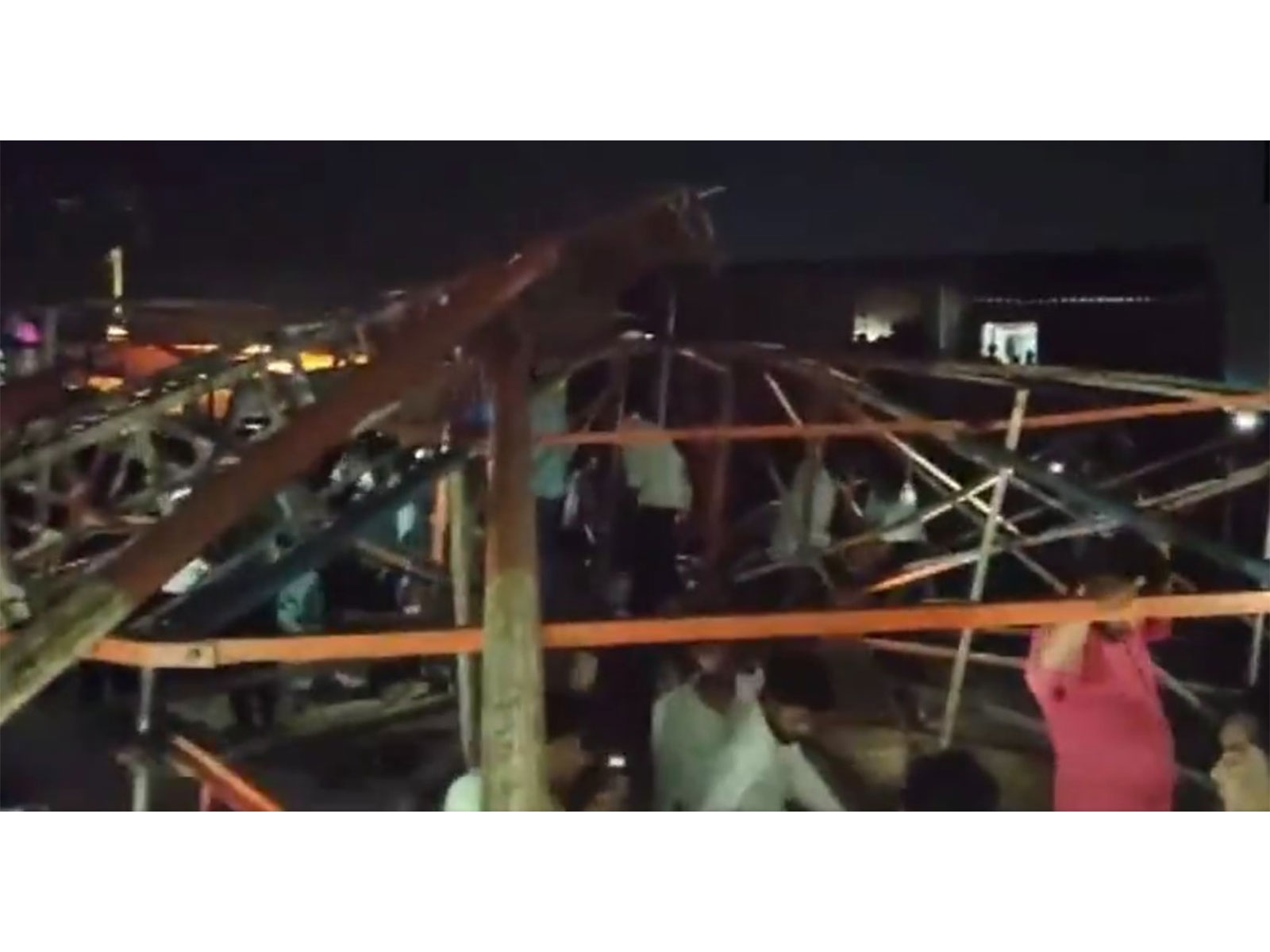
The 360 ride collapse refers most prominently to the catastrophic failure of a spinning drop tower at a carnival in Mohali, Punjab, in September 2022. The incident occurred when the rotating platform, which ascends a central tower befo...
The 360 ride collapse refers most prominently to the catastrophic failure of a spinning drop tower at a carnival in Mohali, Punjab, in September 2022. The incident occurred when the rotating platform, which ascends a central tower before spinning and dropping, plummeted approximately 50 feet due to a mechanical failure in the hoisting and braking systems.
Contents
The Mohali incident remains a benchmark for discussing amusement park safety, mechanical fatigue, and regulatory oversight. As we evaluate the state of fairground safety in 2026, the details of that collapse provide critical lessons in engineering maintenance and the necessity of secondary fail-safe mechanisms. This article provides a comprehensive breakdown of the incident, the technical causes of the failure, and the resulting changes in safety protocols for high-thrill rotating rides.
Chronology of the Mohali 360 Ride Failure
The collapse occurred on the evening of September 4, 2022, at the Dussehra Ground in Phase 8, Mohali. The ride, often marketed as a "Spinning 360" or "Drop Tower," was a mobile unit designed for temporary fairs. It featured a circular carriage that seated approximately 30 to 50 passengers, designed to rise to the top of a vertical mast, rotate at high speeds, and then descend in a controlled drop.
Witness footage captured the moment of the disaster: as the carriage reached its apex and began its descent phase, the mechanism failed to decelerate. Instead of a hydraulic or magnetic braking engagement, the carriage went into a free-fall. Upon impact with the steel base of the tower, the force was sufficient to eject several riders from their seats, despite the presence of safety bars. Approximately 10 to 15 individuals sustained significant injuries, including spinal trauma, fractures, and head injuries.
The immediate aftermath highlighted a critical lack of emergency preparedness at the site. There were no ambulances stationed at the fairground, and the operators of the ride reportedly fled the scene immediately following the crash, leaving bystanders to assist the victims.
Technical Specifications and Mechanical Failure Points
To understand why the 360 ride collapsed, one must examine the engineering of mobile drop towers. These rides generally rely on a combination of steel wire ropes (cables), hydraulic cylinders, and magnetic braking systems (Eddy current brakes).
The Role of Wire Ropes and Pulley Systems
In most mobile versions of the 360 ride, the carriage is hoisted by heavy-duty steel cables. These cables are wound around drums driven by electric motors or hydraulic systems. In the Mohali case, preliminary investigations pointed toward the snapping of the primary hoisting cable. When a cable snaps on a ride of this height, the carriage is no longer under the control of the motor.
Failure of the Secondary Braking System
A standard "fail-safe" in amusement park engineering is the inclusion of secondary brakes. These are often permanent magnets (Eddy current brakes) located on the tower or the carriage. As the carriage drops, the magnetic field creates a natural resistance that slows the ride down even if power is lost.
In the 360 ride collapse, the failure was twofold:
- Mechanical Severance: The cable snap was the initiating event.
- Inadequate Dampening: The ride lacked a sufficient hydraulic or magnetic buffer at the base. Standard permanent installations include deep "catch" cylinders or thick rubberized impact zones. Mobile units, due to their need for rapid assembly and disassembly, often utilize less robust dampening systems, which proved fatal in this instance.
Root Cause Analysis: Why the Collapse Occurred
Investigations into the 360 ride collapse identified several systemic failures that contributed to the mechanical breakdown. These can be categorized into material fatigue, maintenance negligence, and design flaws.
Material Fatigue and Inspection Lapses
Steel cables used in amusement rides are subject to immense stress, including tension, bending, and environmental wear. Over time, individual strands within the wire rope can break—a process known as fatigue. In 2026, current standards require non-destructive testing (NDT), such as magnetic particle inspection, to find internal cracks before they lead to a snap. In the 2022 incident, evidence suggested that the cables had not been inspected for internal wear, and the ride had been operating beyond its recommended service interval for critical components.
Load Distribution and Centrifugal Force
The "360" element of the ride adds a layer of complexity. Because the carriage rotates while ascending and descending, it creates centrifugal forces that place lateral stress on the central mast and the guiding rollers. If the rollers are not perfectly aligned or lubricated, they can "bind" against the tower. A binding event followed by a sudden release can create a "shock load" on the cable, which is often significantly higher than the static weight of the riders. This shock load is a common culprit in sudden cable failures.
Regulatory and Oversight Gaps
The fair in Mohali was operating under a temporary license. Subsequent reports revealed that the organizers had not obtained a formal fitness certificate for the ride from the relevant engineering departments. This highlights a recurring issue in fairground safety: mobile rides often bypass the rigorous, multi-agency inspections required for permanent theme parks like those governed by IAAPA (International Association of Amusement Parks and Attractions).
Comparative Safety Standards: Mobile vs. Permanent Rides
The safety profile of a 360-degree rotating ride varies significantly based on its installation type. Permanent installations are governed by strict building codes and regular third-party audits, whereas mobile "carnival" versions operate in a more fluid regulatory environment.
| Feature | Mobile 360 Ride (Carnival) | Permanent Drop Tower (Theme Park) |
|---|---|---|
| Foundation | Temporary steel pads or wooden blocks | Deep reinforced concrete pilings |
| Braking System | Often mechanical or friction-based | Redundant magnetic (Eddy current) brakes |
| Inspection Frequency | Usually once per setup (often visual only) | Daily mechanical checks; Annual NDT |
| Operator Training | Seasonal workers; variable training | Certified technicians; rigorous safety drills |
| Power Supply | Portable generators (risk of surges) | Dedicated high-voltage grid connections |
Legal Consequences and Industry Reforms
Following the 360 ride collapse, local authorities in Punjab initiated criminal proceedings against the fair organizers and the ride owners. Charges included Section 337 (causing hurt by act endangering life or personal safety of others) and Section 338 of the Indian Penal Code.
The incident sparked a nationwide debate in India regarding the "Amusement Ride Safety Act." By 2026, several jurisdictions have implemented stricter "Fitness Certificate" requirements. These require every mobile ride to be inspected by a certified structural engineer every time it is moved and reassembled. Furthermore, there is now a greater emphasis on the "Black Box" of amusement rides—data loggers that record the speed, cycle count, and load of every trip to ensure maintenance is performed based on actual usage rather than just time elapsed.
How to Verify Ride Safety as a Consumer
While the engineering details of a 360 ride collapse are complex, there are practical steps the public can take to assess the safety of an amusement ride before boarding.
- Look for the Permit: Most regions require a valid operating permit or fitness certificate to be displayed near the ticket booth. Ensure the date is current.
- Observe the Operators: Professional operators should be focused, performing consistent restraint checks, and using clear communication signals. If operators appear distracted or are not checking safety bars, avoid the ride.
- Visual Inspection: Look for signs of "deferred maintenance," such as excessive rust on load-bearing joints, frayed electrical cables, or leaking hydraulic fluid (usually a bright red or clear oily substance) near the base of the tower.
- Listen to the Machine: Excessive grinding, metal-on-metal screeching, or unusual "clunking" sounds during the cycle can indicate misaligned rollers or worn bearings.
Expert Recommendation for 2026
If you are a fair organizer or a technician responsible for high-capacity thrill rides, the Mohali 360 ride collapse serves as a permanent reminder that visual inspections are insufficient. Implementing a predictive maintenance schedule using ultrasonic testing for all hoisting components is the only way to guarantee the integrity of the ride. For the general public, prioritizing rides at established parks with transparent safety records remains the most effective way to mitigate risk.
Frequently Asked Questions
What exactly caused the 360 ride in Mohali to fall?The primary cause was the failure of the hoisting cables, compounded by the absence of an effective secondary braking or buffering system. When the cable snapped, there was nothing to arrest the carriage’s downward momentum before it struck the ground.
Were there any fatalities in the 360 ride collapse?While there were no immediate fatalities reported at the scene of the Mohali crash, several passengers suffered "life-altering" injuries, including permanent spinal damage and complex fractures. The lack of onsite medical staff exacerbated the severity of the situation for the injured.
Are 360 rotating rides safe to use in 2026?Modern 360 rides that adhere to ASTM F2291 standards (Standard Practice for Design of Amusement Rides and Devices) are exceptionally safe. These standards require redundant fail-safes, meaning if one cable or brake fails, a secondary system automatically engages to stop the ride safely.
Who is held liable when a carnival ride collapses?Liability typically falls on three parties: the ride owner/operator for maintenance failures, the fair organizers for failing to verify safety permits, and potentially the manufacturer if a design defect is discovered. In many jurisdictions, victims can pursue both criminal charges and civil litigation for damages.
What is an Eddy current brake, and could it have prevented the crash?An Eddy current brake uses powerful magnets to create a braking force without any physical contact between parts. Because it doesn't rely on electricity or friction, it is nearly impossible for it to "fail" as long as the magnets are present. If the Mohali ride had been equipped with these along the length of the tower, the carriage would have slowed down automatically as it fell.
Image Gallery