Comprehensive Guide to Simple Reading for Kindergarten PDFs
Simple reading for kindergarten PDFs are downloadable, printable documents designed to help emergent readers develop foundational literacy skills through controlled vocabulary, phonics patterns, and high-frequency sight words. These re...
Simple reading for kindergarten PDFs are downloadable, printable documents designed to help emergent readers develop foundational literacy skills through controlled vocabulary, phonics patterns, and high-frequency sight words. These resources provide a structured way for parents and educators to support early decoding and fluency by offering accessible text that matches a child’s specific developmental stage.
Contents
In 2026, the landscape of early childhood education has shifted heavily toward the "Science of Reading," an evidence-based approach that emphasizes systematic phonics instruction. As a result, the demand for high-quality, simple reading for kindergarten PDFs has surged. These digital files serve as a bridge between classroom instruction and home practice, offering a cost-effective and highly customizable way to build a child’s confidence.
The Role of Kindergarten Reading Materials in Early Literacy
The primary goal of kindergarten reading is to move a child from recognizing letters to decoding simple words and eventually reading short sentences. Simple reading PDFs are essential because they allow for immediate application of newly learned sounds. Unlike traditional picture books, which may contain complex vocabulary and irregular spelling, kindergarten-specific PDFs are often "decodable."
Decodable texts are carefully sequenced to include only the letter-sound relationships that a student has already been taught. For example, if a child has learned the sounds for 's', 'a', 't', 'p', 'i', and 'n', a high-quality PDF will focus on words like "sat," "pin," and "tap." This ensures that the child is not guessing based on pictures but is actually practicing the cognitive work of blending sounds into words. This builds the "orthographic mapping" necessary for long-term reading success.
Key Features of Effective Simple Reading PDFs
When searching for or creating simple reading materials, several technical and pedagogical criteria must be met to ensure the resource is effective for a five- or six-year-old.
1. Controlled Vocabulary and Phonics Focus
The most effective PDFs focus on CVC words (Consonant-Vowel-Consonant) such as cat, dog, sit, and bug. In 2026, most educational standards require that these materials also introduce "Heart Words"—high-frequency words that are not easily decodable (like the, said, or was)—one at a time. The ratio should be roughly 80% decodable text to 20% high-frequency words to prevent frustration.
2. Visual Layout and Typography
Kindergarteners are still developing fine motor skills and visual tracking. A high-quality PDF should feature:
- Large Sans-Serif Fonts: Fonts like Comic Sans (often used for its "a" and "g" shapes), Arial, or specialized dyslexia-friendly fonts are preferred.
- Double Spacing: Extra space between lines and words helps prevent "word crowding," where the child loses their place.
- Limited Distractions: While illustrations are helpful for engagement, they should not give away the story entirely, as this encourages the "guessing habit" rather than decoding.
3. Progressive Difficulty
A single PDF should not be a "one-size-fits-all" document. Instead, look for sets that offer a progression. A typical sequence begins with single-word identification, moves to three-word phrases, and culminates in short, three-sentence stories. This scaffolding prevents cognitive overload.
Types of Kindergarten Reading PDFs Available
Understanding the different categories of reading PDFs helps in selecting the right tool for a child's current level.
| Type of PDF | Primary Focus | Best Used For | Key Characteristic |
|---|---|---|---|
| Phonics Decodables | Sound-letter blending | Building decoding skills | Focuses on specific sounds (e.g., Short 'a') |
| Sight Word Readers | Memorization of high-frequency words | Increasing reading speed/fluency | Uses repetitive sentence stems (e.g., "I see the...") |
| Emergent Readers | Print awareness and concepts | Introducing the idea of a book | Heavy reliance on picture cues and simple patterns |
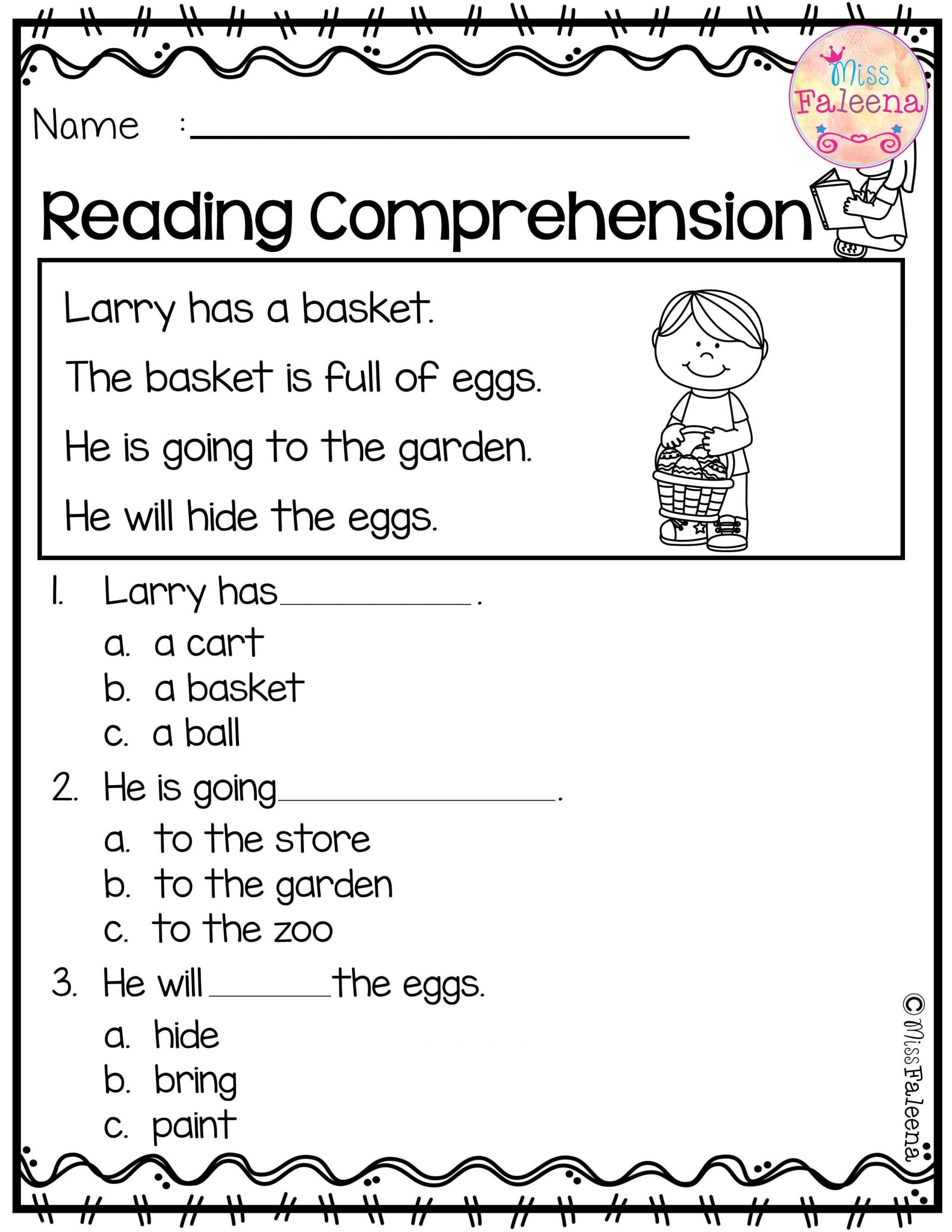
| Reading Passages | Comprehension and tracking | Assessing understanding | Short stories followed by 1-2 simple questions |
| Word Families | Pattern recognition | Rhyming and speed | Groups words like map, tap, cap together |
Where to Source Quality Kindergarten Reading PDFs
Finding reliable resources requires looking past generic search results to find evidence-based materials. In 2026, several platforms and organizations remain the gold standard for these downloads.
Educational Resource Portals
Websites like ReadWorks and CommonLit have expanded their kindergarten offerings to include printable PDF versions of their digital "Article-A-Day" or "Read-Aloud" supplements. These are often free for educators and parents. Additionally, the Florida Center for Reading Research (FCRR) provides extensive, research-backed student center activities in PDF format that include reading components.
Open Educational Resources (OER)
Governments and non-profits have increasingly released reading materials under Creative Commons licenses. The Core Knowledge Language Arts (CKLA) curriculum, for example, offers their entire K-2 library as free PDFs. These are highly structured and follow a rigorous phonics-first sequence, making them some of the most reliable "simple reading" documents available.
Commercial Educational Marketplaces
While free resources are abundant, some parents prefer curated, aesthetically pleasing sets from platforms like Teachers Pay Teachers (TpT) or Education.com. When purchasing these, it is vital to verify that the creator uses a "Science of Reading" framework rather than "Balanced Literacy," as the latter may rely too heavily on repetitive patterns that don't teach actual decoding.
Best Practices for Implementing PDF Reading Materials
Simply printing a PDF and handing it to a child is rarely effective. Success lies in the instructional method used alongside the document.
The "I Do, We Do, You Do" Method
- I Do (Modeling): The adult points to the words and reads the sentence fluently, demonstrating how to track from left to right.
- We Do (Guided Practice): The adult and child read the PDF together at the same time (choral reading). This provides a "safety net" for the child.
- You Do (Independent Reading): The child reads the passage alone. The adult should only intervene if the child is stuck for more than 5 seconds, encouraging them to "stretch the sounds" rather than telling them the word.
Physical vs. Digital Usage
While these are PDFs, the method of delivery matters. For kindergarteners, physical paper is generally superior to a tablet screen. Handling a physical page helps with tactile learning and allows the child to use a finger or a "tracking tool" (like a popsicle stick) to follow the words. If using a digital device, ensure that notifications are turned off to maintain the child’s limited attention span.
Printing Logistics
To save on ink and make the materials more durable:
- Print in grayscale unless the color is necessary for a specific activity (like color-coding phonemes).
- Use a booklet print setting to turn a standard 8.5x11 sheet into a small, foldable book that feels more manageable for small hands.
- Laminate high-frequency word lists or "reading mats" so they can be reused with dry-erase markers for writing practice.
Common Pitfalls and Troubleshooting
Even with high-quality PDFs, challenges often arise in the kindergarten reading journey.
- Memorization vs. Reading: If a child reads a repetitive PDF (e.g., "The cat is red," "The cat is blue") too many times, they may memorize the pattern and stop looking at the words. To fix this, ask the child to point to specific words out of order to ensure they are actually decoding.
- Frustration Levels: If a child is crying or refusing to read, the PDF is likely too difficult. Revert to a "simpler" level that focuses on sounds they have 100% mastered to rebuild their confidence.
- Visual Overload: Some PDFs are "busy" with too many borders and clipart images. If a child is distracted, use two blank pieces of paper to cover everything on the page except the specific line they are reading.
Frequently Asked Questions
How many minutes a day should a kindergartener practice reading these PDFs?
For most five- and six-year-olds, 5 to 10 minutes of focused reading practice is sufficient. Consistency is more important than duration. Short, successful sessions prevent "reading fatigue" and keep the experience positive. If the child is engaged, you can extend the session, but always stop before they become frustrated.
Should I focus on phonics PDFs or sight word PDFs first?
In 2026, the consensus among literacy experts is to prioritize phonics-based decodable PDFs. Sight words should be introduced as "tools" to help connect the decodable words into sentences. Learning to decode gives a child the power to read thousands of words, whereas memorizing sight words only gives them the power to read that specific word list.
What if my child can say the individual sounds but can't blend them into a word?
This is a common developmental stage called "choppy blending." You can help by using a "continuous blending" technique. Instead of saying "c - a - t," encourage the child to stretch the sounds together without stopping the airflow: "caaaattt." Many simple reading PDFs include "blending lines" specifically designed to help with this transition.
Are free PDFs just as good as paid ones?
Yes, many free resources from organizations like the Core Knowledge Foundation or Reading Rockets are professionally developed and research-based. The main advantage of paid PDFs is often the "convenience factor"—they may come in themed bundles or have more modern illustrations—but the pedagogical value is frequently comparable.
Can I use these PDFs for children with speech delays or English as a Second Language (ESL)?
Absolutely. Simple reading PDFs are excellent for ESL learners and children with speech delays because they provide visual reinforcement for oral language. For these students, focus on PDFs that have clear, literal illustrations that match the nouns in the text to help build vocabulary alongside decoding skills.
Final Recommendation for Parents and Educators
When selecting "simple reading for kindergarten pdfs," prioritize decodability and clarity over visual flair. Start with a small set of CVC-focused stories and move slowly. The goal of kindergarten reading is not to finish a certain number of books, but to master the fundamental mechanics of how sounds form words. By providing a child with printed materials they can actually "unlock" using their phonics knowledge, you are fostering a sense of competence that will serve as the foundation for their entire academic career.
For the best results in 2026, look for resources tagged with "Science of Reading" or "Structured Literacy" to ensure the materials align with current neurological research on how children's brains learn to process written language.
Image Gallery