Are There Alligators in Lake Tobesofkee? Wildlife Facts and Safety Guide
Yes, alligators are occasionally found in Lake Tobesofkee, though they are not considered a resident population in high numbers. While the lake is located near the northern limit of their natural range in Georgia, sightings occur perio...
Yes, alligators are occasionally found in Lake Tobesofkee, though they are not considered a resident population in high numbers. While the lake is located near the northern limit of their natural range in Georgia, sightings occur periodically as individuals move through the Ocmulgee River basin and connected waterways.
Contents
Lake Tobesofkee, located in Macon-Bibb County, Georgia, is one of the region's premier recreational destinations. Spanning approximately 1,750 acres with 35 miles of shoreline, it attracts thousands of swimmers, boaters, and anglers annually. However, because the lake sits near the "Fall Line"—the geological boundary separating the Piedmont and the Coastal Plain—it occupies a unique ecological transition zone. This location frequently prompts questions from visitors regarding the presence of the American alligator (Alligator mississippiensis).
The Geographic Context: The Fall Line and Alligator Habitat
To understand the presence of alligators in Lake Tobesofkee, one must first understand the geography of Georgia. The Fall Line runs roughly through Augusta, Macon, and Columbus. South of this line, the flat, sandy Coastal Plain provides the ideal slow-moving blackwater rivers, swamps, and marshes that alligators prefer. North of this line, the rocky, higher-elevation Piedmont region is generally less hospitable to large reptile populations due to cooler water temperatures and swifter currents.
Macon sits directly on this transition. While Lake Tobesofkee is a man-made reservoir created in the 1960s, it is fed by Tobesofkee Creek, which eventually connects to the Ocmulgee River system. Alligators are highly mobile creatures, especially during the spring mating season and the warm summer months. They often use river corridors as "highways" to explore new territories. Consequently, it is ecologically normal for a small number of alligators to occasionally enter the lake, even if the environment does not support a massive, permanent breeding population like those found in South Georgia or Florida.
Documented Sightings and DNR Management
The Georgia Department of Natural Resources (DNR) and the Macon-Bibb County Parks and Recreation Department monitor wildlife activity at Lake Tobesofkee. Historically, there have been several confirmed alligator sightings within the lake's boundaries, particularly in the marshier, less-developed northern fingers of the reservoir and near the Arrowhead Park area.
When an alligator is spotted in a high-traffic recreational area, such as the public swimming beaches at Sandy Beach or Claystone Park, the response is dictated by the Georgia DNR’s Nuisance Alligator Program. Because Lake Tobesofkee is a primary "contact-sports" lake—meaning swimming and skiing are allowed—the tolerance for large alligators in public areas is very low.
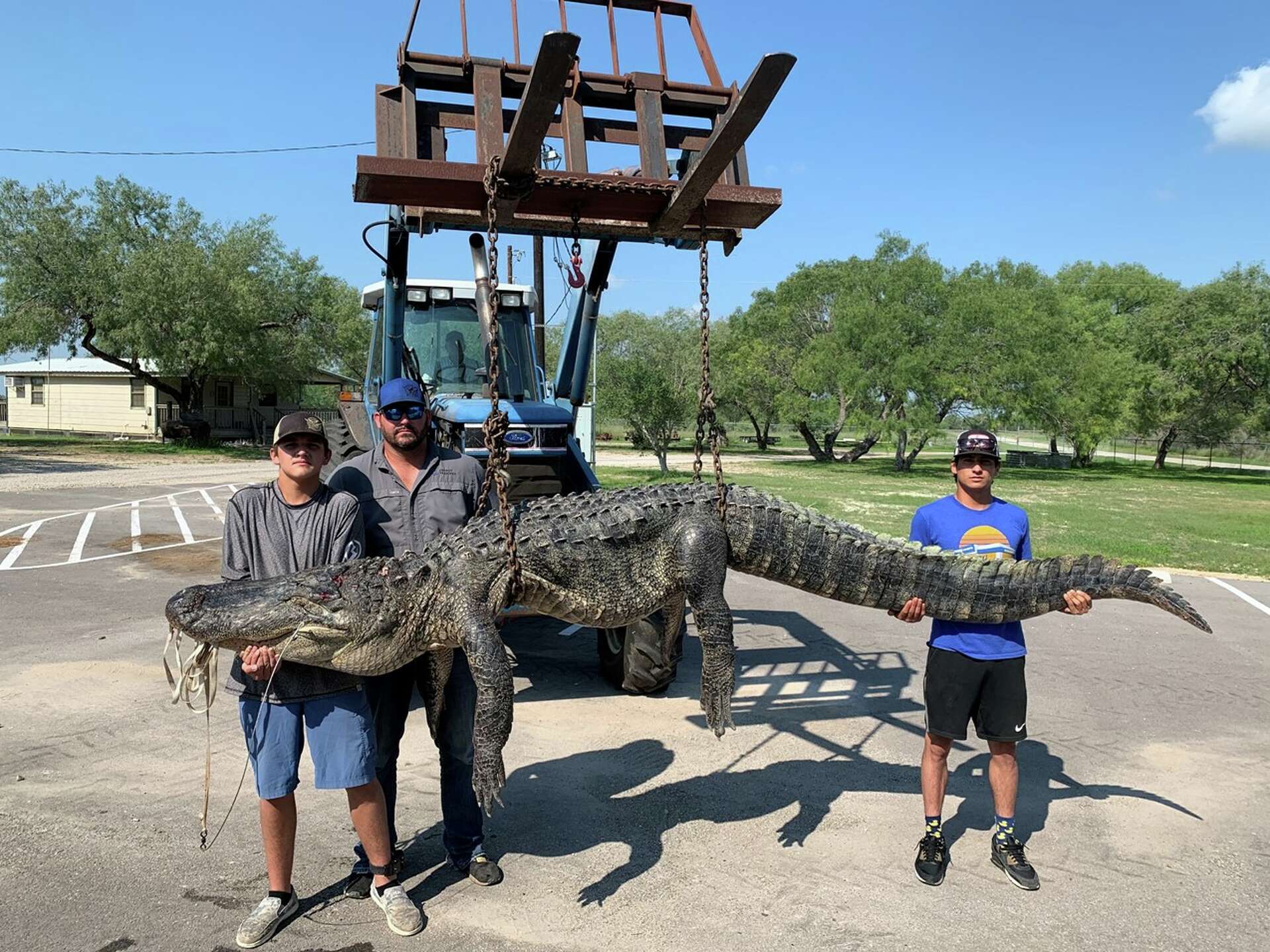
If an alligator is deemed a threat (usually defined as being over four feet in length or exhibiting a loss of fear of humans), the DNR may authorize a licensed nuisance alligator trapper to remove the animal. It is important to note that alligators smaller than four feet are generally not considered a threat to humans and are often left alone to move on naturally, as they are a protected native species.
Why Alligators Enter Lake Tobesofkee
There are three primary reasons why an alligator might be found in Lake Tobesofkee in 2026:
- Dispersal of Sub-Adults: Young alligators, typically between two and five years old, are often forced out of prime habitats by larger, territorial males. These "transient" gators wander into smaller creeks and reservoirs looking for a territory of their own.
- Mating Season Movement: During May and June, male alligators become significantly more active as they search for mates. This increased movement often leads them into areas where they are more visible to the public.
- Connectivity to the Ocmulgee River: Although Lake Tobesofkee is dammed, the surrounding wetlands and the Tobesofkee Creek watershed provide a corridor for wildlife. High-water events or heavy rainfall can facilitate the movement of aquatic species across the landscape.
Comparing Alligator Presence in Georgia Lakes
While the presence of an alligator in Lake Tobesofkee can cause a stir among locals, it is helpful to place the lake in context with other major Georgia water bodies.
| Lake Name | Region | Alligator Population Density | Primary Recreation |
|---|---|---|---|
| Lake Tobesofkee | Middle Georgia | Low / Occasional | Swimming, Boating, Fishing |
| Lake Seminole | Southwest Georgia | Very High | Fishing, Duck Hunting |
| Lake Blackshear | South Central Georgia | High | Boating, Residential |
| Lake Eufaula | West Georgia (Border) | High | Fishing, Tournaments |
| Lake Lanier | North Georgia | Extremely Rare / None | Swimming, Heavy Boating |
| Lake Oconee | Middle/North Georgia | Rare / Occasional | Boating, Golf Resorts |
As the table illustrates, Lake Tobesofkee is far from being an "infested" waterway. The likelihood of encountering an alligator at Tobesofkee is significantly lower than at lakes located further south, such as Lake Blackshear or Lake Seminole, where alligators are a daily sight and a core part of the ecosystem.
Safety Guidelines for Lake Visitors
For those planning to visit Lake Tobesofkee in 2026, the risk of a negative alligator encounter is statistically negligible, especially compared to the risks associated with boating accidents or heat exhaustion. However, practicing "alligator awareness" is essential for coexisting with Georgia's native wildlife.
Rules for Swimmers and Beach-Goers
Swimmers should stay within the designated buoyed areas at Claystone and Sandy Beach parks. These areas are cleared and monitored more frequently than the remote coves. Avoid swimming at dusk or dawn, which are the primary feeding times for alligators and other aquatic predators. Alligators rely on stealth and low light to hunt fish, turtles, and small mammals; swimming during these times increases the (already low) chance of a mistaken-identity encounter.
Guidance for Pet Owners
Pets are often more at risk than humans. If you are walking a dog near the shoreline or at Arrowhead Park, keep them on a short leash. Alligators may perceive a small splashing animal as natural prey. Never allow your pet to swim in the lake in unmonitored or weedy areas.
The Golden Rule: Never Feed Alligators
The most dangerous alligator is one that has been fed by humans. Feeding alligators causes them to associate people with food, leading them to approach boats and docks rather than swimming away. This "habituated" behavior is almost always what leads to an alligator being classified as a nuisance and subsequently euthanized by the DNR. In Georgia, it is illegal to feed alligators.
The Role of Alligators in the Ecosystem
While often feared, alligators are a vital "keystone species." Even in small numbers, they help maintain the balance of the Lake Tobesofkee ecosystem. They prey on rough fish populations and turtles, preventing overpopulation that can crash specific fish stocks. Furthermore, alligator "wallows" in the marshier sections of the creek can provide essential water holes for other wildlife during periods of drought.
By 2026, conservation efforts and habitat management in Bibb County have focused on maintaining the recreational value of the lake while acknowledging that it remains a part of the natural Georgia landscape. The presence of an occasional alligator is a sign of a functioning aquatic corridor connecting the lake to the broader river systems of the Southeast.
Identifying an Alligator vs. Other Wildlife
At Lake Tobesofkee, many "sightings" turn out to be other animals. Large common snapping turtles, which are abundant in the lake, can often be seen poking their heads above water. Similarly, large beaver or North American river otters can create wakes and silhouettes that resemble a small alligator from a distance.
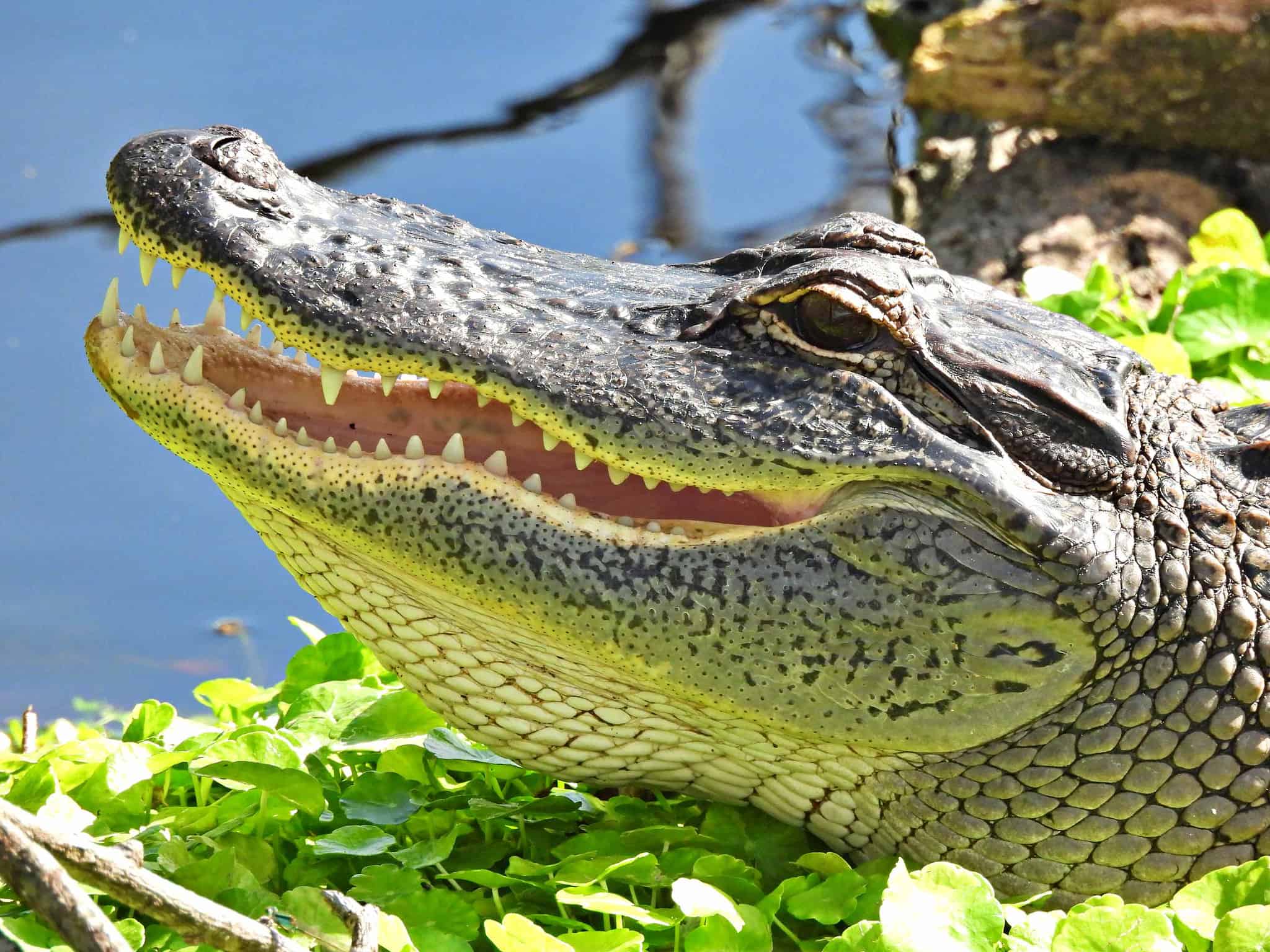
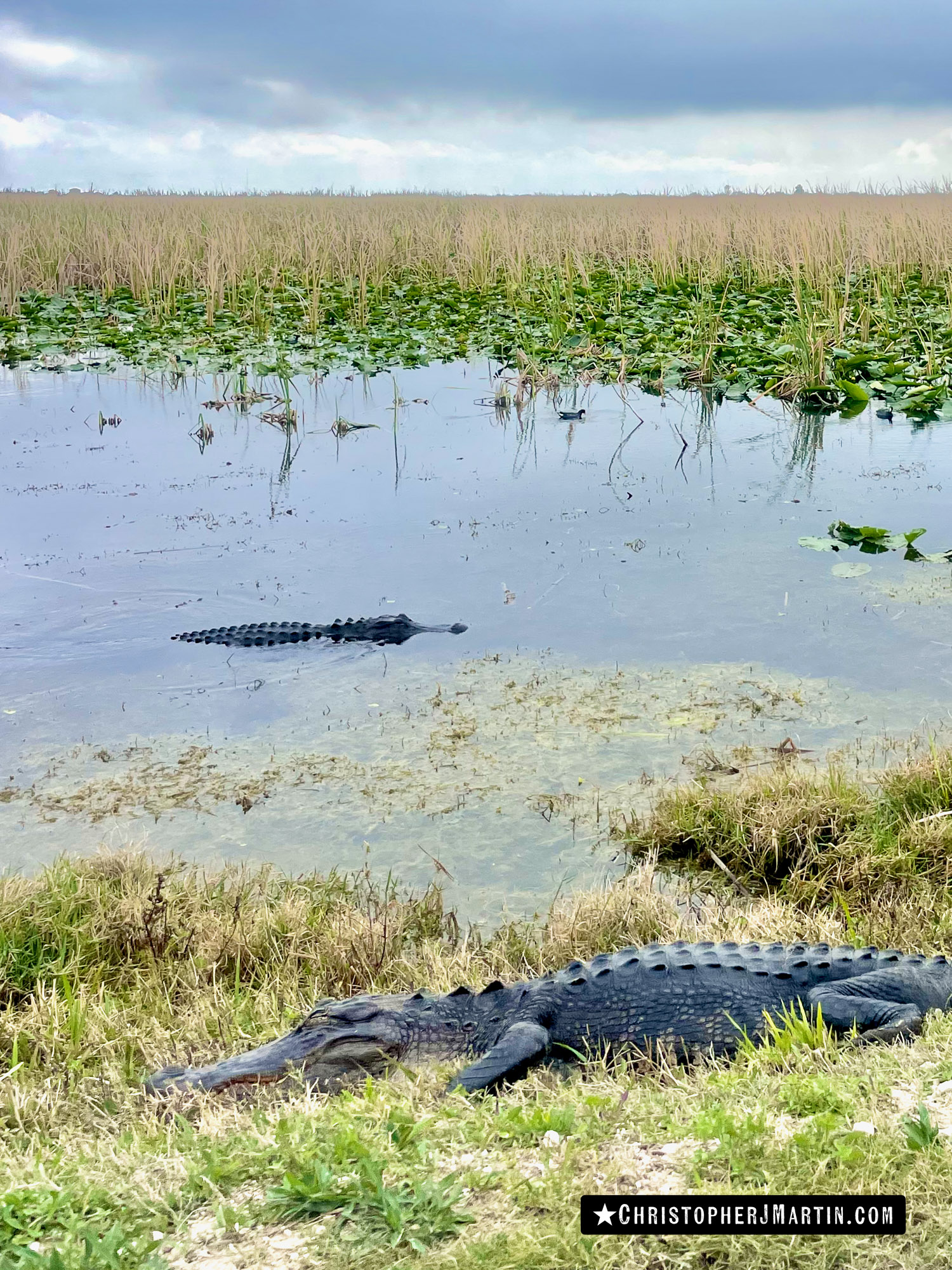
An alligator’s head is distinctive: you will see the snout, the eyes, and sometimes the ridge of the back (scutes) in a line. If the animal dives, it will typically submerge quietly without the large splash often associated with a beaver’s tail slap.
What to Do If You See an Alligator
If you spot an alligator while at Lake Tobesofkee, do not panic. Follow these steps:
- Maintain Distance: Stay at least 60 feet away from the animal. If it begins to hiss or move toward you, you are too close.
- Do Not Harass: Throwing rocks or poking the animal with a fishing rod is illegal and dangerous.
- Report to Authorities: If the alligator is in a designated swimming area or appears to be lurking near a dock or boat ramp, contact the Lake Tobesofkee Recreation Office at (478) 474-8770 or notify a park ranger on-site.
- Contact DNR: For sightings in more remote areas that seem to pose a potential threat to the public, you can contact the Georgia DNR Wildlife Resources Division (Region 4 Office) which covers the Macon area.
FAQs
Are there "alligator-free" parts of Lake Tobesofkee?
There are no physical barriers preventing alligators from moving throughout the lake. However, the high-traffic areas near the dams and the open, deep-water sections of the lake are much less attractive to alligators than the shallow, vegetated northern ends of the reservoir. The public swimming beaches are the most heavily monitored areas.
Has anyone ever been attacked by an alligator at Lake Tobesofkee?
There are no verified records of a fatal alligator attack at Lake Tobesofkee. While there have been occasional reports of "close calls" or sightings that frightened swimmers, documented injuries are virtually non-existent in this specific lake. Most alligator-related incidents in Georgia occur in the southernmost part of the state and typically involve humans feeding the animals or attempting to capture them.
Can alligators survive the winters in Macon?
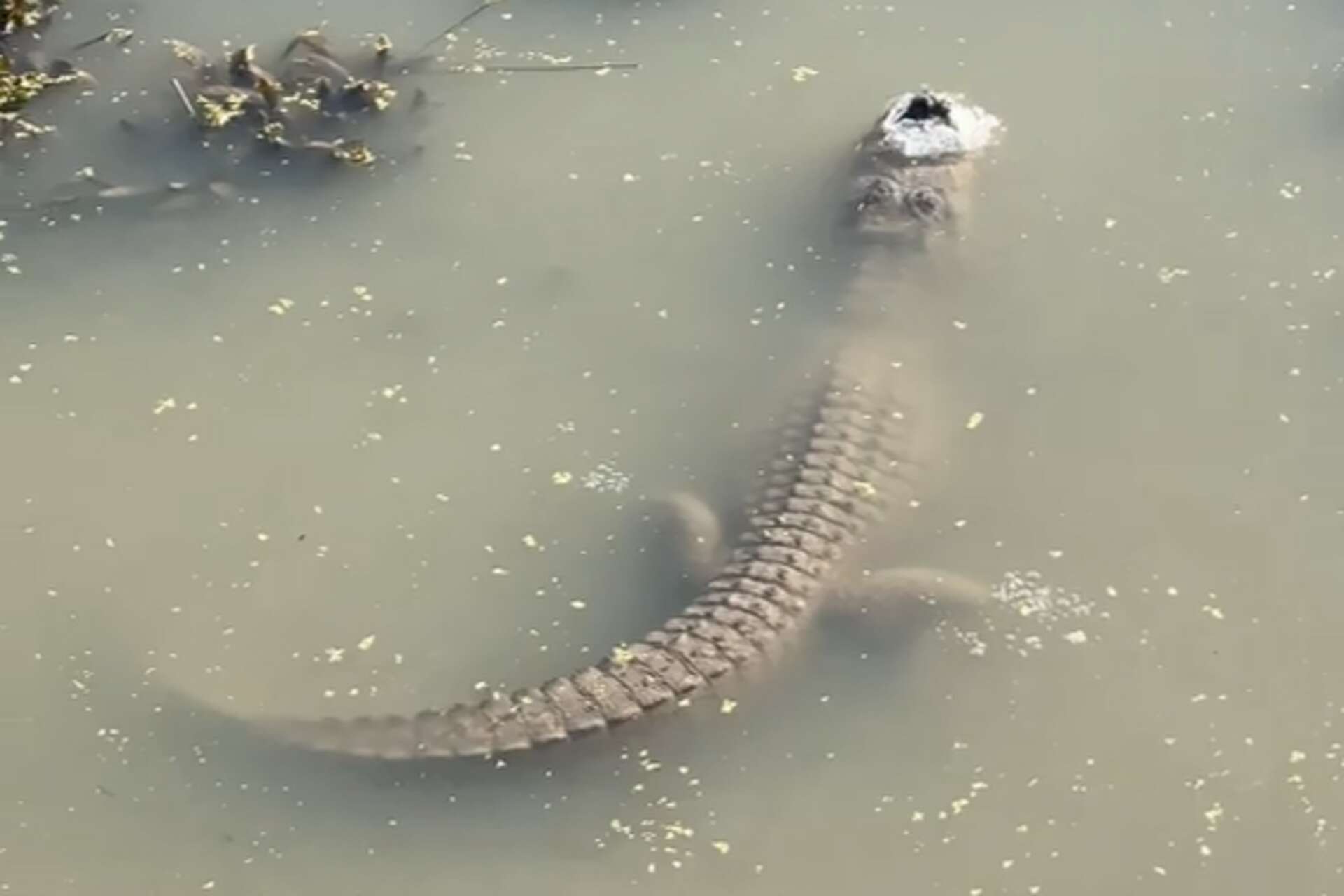
Yes. Alligators are surprisingly resilient to cold. When temperatures drop, they enter a state called brumation—a reptilian version of hibernation. They stay at the bottom of the water or in dens along the bank, slowing their metabolism. They can even survive with their snouts frozen into the ice of a pond to breathe. While Macon is cooler than Savannah or Valdosta, it is well within the survival range for the species.
Is it safe to kayak in the marshy areas of the lake?
Kayaking and canoeing are safe, but paddlers should remain observant when navigating the narrow, shallow inlets at the north end of the lake. Avoid reaching into thick vegetation and keep your hands and feet inside the vessel. If you see an alligator on a log, give it a wide berth; it will usually slide into the water to get away from you.
Does the lake have a "resident" alligator population?
Unlike Lake Seminole, which has a massive resident population, Lake Tobesofkee is considered to have a "transient" population. This means that while there may be a few individuals present at any given time, the lake does not typically host a dense, self-sustaining breeding colony.
Practical Recommendation
If you are visiting Lake Tobesofkee in 2026 for a day of swimming or boating, you should proceed with confidence but maintain standard water safety awareness. The risk from alligators is extremely low, but it is not zero. Treat the lake as a natural environment: swim in designated areas, keep pets on leashes, and never feed the wildlife. By respecting the boundaries between human recreation and natural habitats, you can safely enjoy one of Middle Georgia's greatest outdoor resources.
Image Gallery