Meaning of Parsley en Español: A Complete Linguistic and Culinary Guide
The meaning of parsley in Spanish is perejil. This common culinary herb, known scientifically as Petroselinum crispum, is a staple in Spanish-speaking households and professional kitchens worldwide. Beyond a simple translation, "pereji...
The meaning of parsley in Spanish is perejil. This common culinary herb, known scientifically as Petroselinum crispum, is a staple in Spanish-speaking households and professional kitchens worldwide. Beyond a simple translation, "perejil" carries significant cultural, medicinal, and idiomatic weight across various Hispanic regions.
Contents
Understanding the translation of "parsley" is only the first step for students of language, travelers, or culinary enthusiasts. Because parsley is often confused with other herbs—most notably cilantro—and carries different connotations depending on the country, a deep dive into its linguistic roots and practical applications is essential. As of 2026, parsley remains one of the most purchased fresh herbs in global markets, maintaining its status as a foundational ingredient in Mediterranean and Latin American gastronomy.
The Etymology and Linguistic Roots of "Perejil"
The Spanish word perejil finds its origins in the Old French word peresil, which evolved from the Vulgar Latin petroselīnum. This Latin term was borrowed from the Greek petrosélinon, a compound of pétra (stone or rock) and sélinon (celery). Therefore, the literal ancestral meaning of parsley is "rock celery," referring to its tendency to grow in rocky areas or high-altitude terrains.
In modern Spanish, the word is pronounced "peh-reh-HEEL." The "j" carries the characteristic aspirated "h" sound common in Spanish linguistics. While the word is standardized across the Spanish-speaking world, the way it is used in sentences can vary. For example, in Spain, you might hear a chef ask for perejil fresco (fresh parsley), whereas in parts of the Caribbean, the emphasis might be on distinguishing it clearly from cilantro or culantro.
The Real Academia Española (RAE) defines "perejil" as an umbelliferous plant with greenish flowers and highly divided, aromatic leaves, used as a condiment. This definition underscores its primary identity as a functional tool in the kitchen rather than just a decorative plant.
Distinguishing Varieties: Perejil Liso vs. Perejil Rizado
In any Spanish-speaking market (mercado) in 2026, you will likely encounter two primary varieties of parsley. Distinguishing between them is crucial because their flavor profiles and culinary uses differ significantly.
1. Perejil Liso (Flat-Leaf or Italian Parsley)
This is the most common variety used in Spanish and Latin American cooking. It is often referred to as "perejil italiano" in some regions. It features dark green, flat leaves with jagged edges.
- Flavor Profile: Robust, peppery, and bright.
- Best For: Cooking into sauces, stews, and soups, as it holds up better under heat than its curly counterpart.
2. Perejil Rizado (Curly-Leaf Parsley)
This variety is more ornamental, characterized by its thick, ruffled, and bunched leaves.
- Flavor Profile: Milder, almost grass-like, with a slightly bitter undertone.
- Best For: Garnishing and decoration. In many traditional Spanish "tabernas," a sprig of perejil rizado is placed alongside a dish purely for aesthetic presentation.
Comparison Table: Parsley Varieties in the Spanish Context
| Feature | Perejil Liso (Flat-leaf) | Perejil Rizado (Curly-leaf) |
|---|---|---|
| Common Name | Perejil de hoja plana / Perejil italiano | Perejil crespo / Perejil rizado |
| Aroma | Intense and herbaceous | Mild and fresh |
| Texture | Soft and tender | Crunchy and coarse |
| Primary Use | Sauces, marinades, and stews | Garnishes and salads |
| Heat Tolerance | High | Low (best used raw) |
The "Parsley vs. Cilantro" Dilemma in Spanish
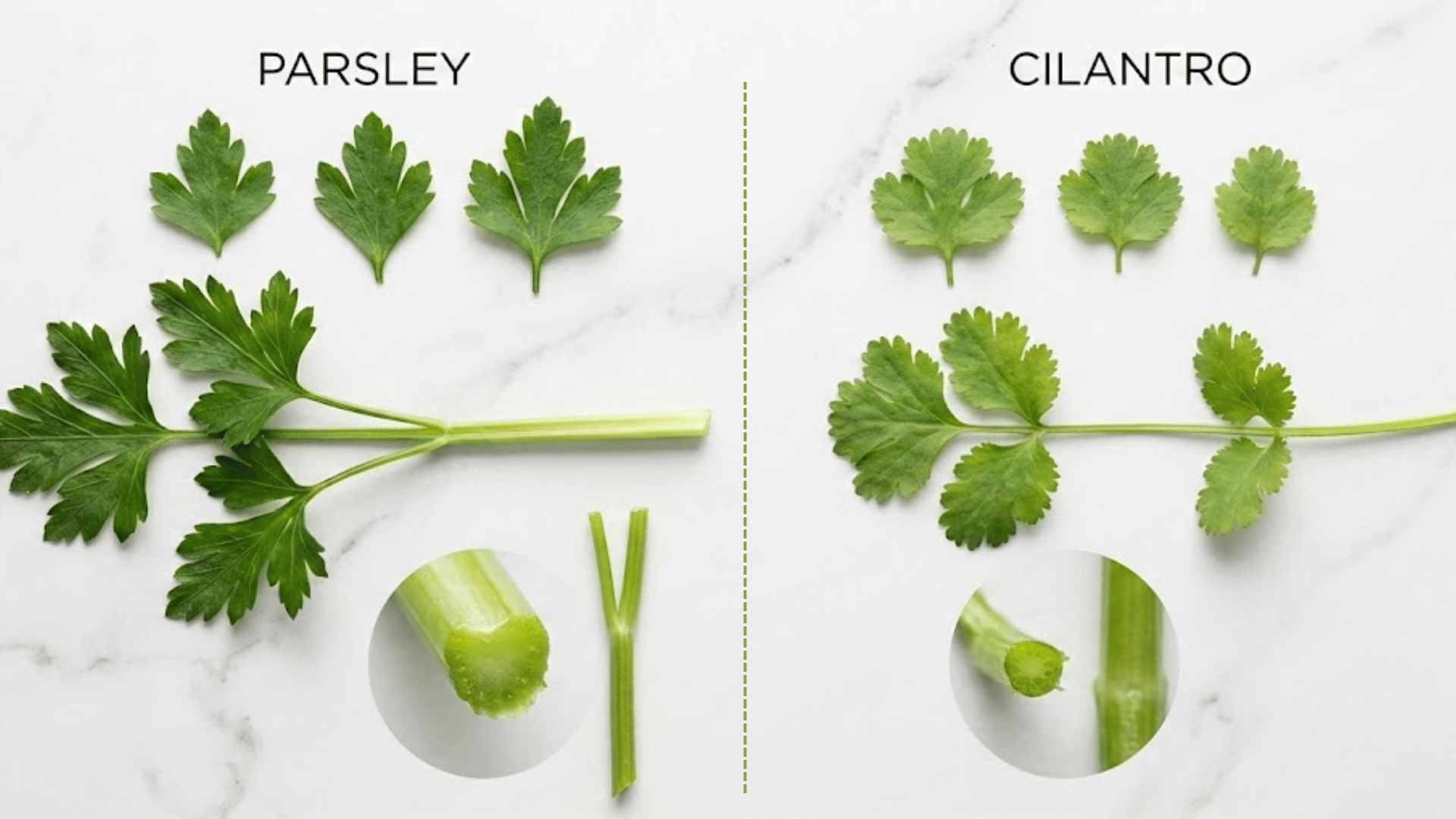
For English speakers learning Spanish, the most frequent point of confusion is distinguishing perejil from cilantro (coriander). In many Latin American markets, these two herbs look remarkably similar at a glance, leading to many "kitchen accidents" where a dish intended to be savory and peppery ends up tasting citrusy and bold.
How to Tell Them Apart Linguistically and Visually
- The Leaves: Parsley (perejil) leaves are generally more pointed and triangular. Cilantro leaves are more rounded and scalloped.
- The Color: Parsley is typically a darker, more forest-green shade. Cilantro is a brighter, more vibrant lime-green.
- The Scent: This is the most reliable test. If you rub a leaf between your fingers, parsley will smell fresh and "green," while cilantro has a very distinct, sharp, and soapy-citrus aroma.
- The Labeling: In Mexico and parts of Central America, cilantro is much more dominant. If a recipe calls for "perejil," it is a deliberate choice for a milder, more European-influenced flavor profile.
Culinary Applications in Hispanic Gastronomy
Parsley is not just a garnish in Spanish-speaking cultures; it is a structural component of many iconic dishes. Its ability to cut through fat and add a "bright" note to heavy proteins makes it indispensable.
Salsa Verde (Spanish Green Sauce)
In Spain, salsa verde is a classic preparation used primarily for fish, such as Merluza en Salsa Verde (Hake in Green Sauce). Unlike the Mexican salsa verde (which uses tomatillos), the Spanish version is a delicate emulsion of olive oil, garlic, flour, fish stock, and a massive amount of finely chopped perejil. The parsley gives the sauce its signature emerald color and fresh finish.
Chimichurri
While synonymous with Argentina and Uruguay, chimichurri has become a global phenomenon. The soul of a good chimichurri is the balance between dried oregano and a high volume of fresh, finely minced perejil liso. Combined with garlic, oil, and vinegar, the parsley acts as the primary fresh element that balances the richness of grilled beef (asado).
Sofrito Bases
In the Caribbean (Puerto Rico, Dominican Republic, Cuba), parsley is often included in the sofrito—the aromatic base used for beans, rice, and stews. While cilantro or culantro (recao) often takes center stage, perejil is frequently added to round out the flavor profile and provide a more complex herbal foundation.
Cultural Symbolism and Idiomatic Expressions
The word "perejil" has permeated the Spanish language beyond the kitchen. Understanding these nuances provides a deeper cultural "meaning" of the word.
"Estar en todos los perejiles"
This is a popular idiom in Spain. It translates literally to "being in all the parsleys." It is used to describe someone who is involved in everything, perhaps a bit of a "busybody" or someone who wants to be present at every event and social gathering. Because parsley is used as a garnish or ingredient in almost every traditional dish, it "shows up" everywhere—hence the metaphor.
Historical and Superstitious Context
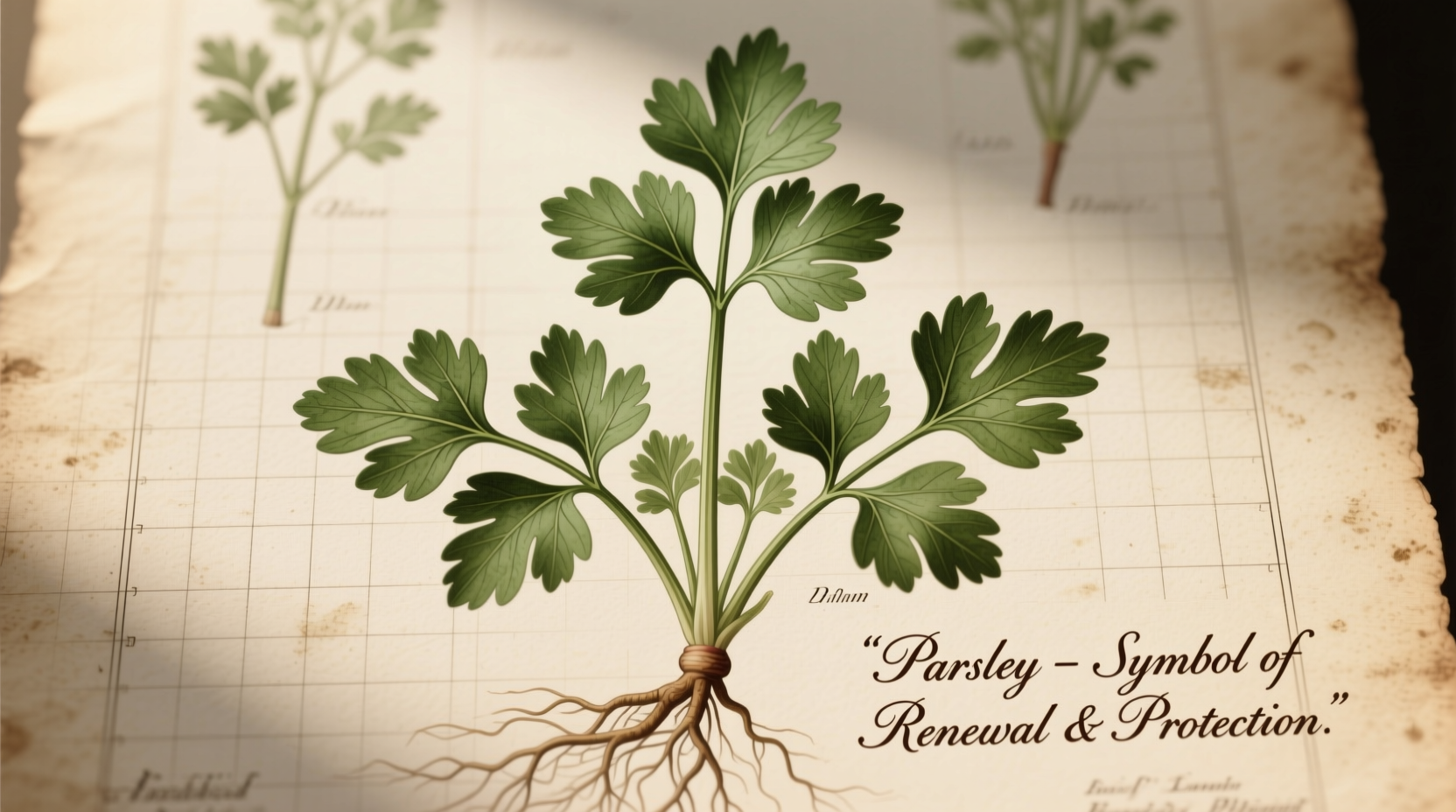
In some Mediterranean traditions, parsley was associated with both death and rebirth. Ancient Greeks used it to fashion funeral wreaths, but in later Spanish folklore, it became a symbol of luck and protection. It is not uncommon to see a small glass of water with a sprig of parsley sitting on the counter of a family-owned panadería (bakery) or bodega to ward off "mal de ojo" (the evil eye) and bring prosperity to the business.
Nutritional and Medicinal Values Recognized in 2026
By 2026, the nutritional profile of perejil has been well-documented by international health organizations. It is no longer viewed as a "filler" herb but as a nutrient-dense superfood.
- Vitamin K: Parsley is exceptionally high in Vitamin K, which is essential for bone health and blood clotting.
- Vitamin C and Antioxidants: It contains high levels of myristicin and apigenin, antioxidants that help combat oxidative stress.
- Diuretic Properties: In traditional Spanish medicine (remedios caseros), an infusion of parsley (tea) is often recommended to help with fluid retention and kidney health, though it should be used with caution and under professional guidance.
For more detailed nutritional data, the USDA FoodData Central provides comprehensive breakdowns of the chemical composition of both flat and curly varieties.
Practical Guide: Buying and Storing Parsley
When shopping in a Spanish-speaking environment, use these phrases to ensure you get exactly what you need:
- "¿Tiene perejil fresco?" (Do you have fresh parsley?)
- "Quiero un manojo de perejil liso, por favor." (I want a bunch of flat-leaf parsley, please.)
- "¿Es esto perejil o cilantro?" (Is this parsley or cilantro?)
Storage Tips
To keep your perejil fresh for up to two weeks:
- Treat it like a bouquet of flowers. Trim the stems and place the bunch in a glass with an inch of water.
- Cover the top loosely with a plastic bag.
- Store it in the refrigerator.
- Change the water every two days to prevent bacterial growth and wilting.
FAQ: Frequently Asked Questions about Parsley en Español
What is the most common mistake when translating "parsley" to Spanish?
The most common mistake is confusing it with cilantro. While they are both green herbs in the Apiaceae family, they are not interchangeable in recipes. Always confirm by smelling the herb; "perejil" has a mild, earthy scent, whereas "cilantro" is very pungent.
Is "perejil" used the same way in Mexico and Spain?
In Spain, perejil is a primary flavoring agent for seafood and sauces. In Mexico, while used, it is often secondary to cilantro. However, in Mexican "Alta Cocina" (haute cuisine), parsley is frequently used for its clean flavor profile in sophisticated emulsions and oils.
Can I use dried parsley instead of fresh "perejil"?
In Spanish cooking, fresh is almost always preferred. Dried parsley loses most of its essential oils and bright flavor. If you must use dried, use only one-third of the amount called for in fresh "perejil," but be aware the flavor will be significantly muted.
Are there other names for parsley in Spanish-speaking countries?
"Perejil" is the universal term. However, you might hear descriptors like perejil de verdeo in the Southern Cone (Argentina/Uruguay) or perejil criollo in parts of the Caribbean to denote local varieties.
Is parsley tea common in Hispanic culture?
Yes, known as té de perejil or infusión de perejil, it is a traditional home remedy used as a diuretic or to help with digestion. It is typically made by steeping fresh leaves in boiling water for five to ten minutes.
Practical Recommendation
When navigating the world of Hispanic cuisine or language, do not underestimate the humble perejil. If you are a beginner, start by mastering the "Scent Test" to distinguish it from cilantro. For cooks, try your hand at a traditional Spanish Salsa Verde—it is the perfect way to appreciate how this herb can transform a simple piece of fish into a gourmet meal. Whether you are using it for its health benefits, its flavor, or to understand a Spanish idiom, "perejil" is a word that will serve you well in any Spanish-speaking context.
Image Gallery