Comprehensive Guide to Auto, Home, and Health Insurance Companies in Raleigh (2026)
Finding the right auto, home, and health insurance in Raleigh requires navigating a unique regulatory environment where state-mandated rate bureaus and regional medical networks dictate costs. In 2026, Raleigh residents typically find...
Finding the right auto, home, and health insurance in Raleigh requires navigating a unique regulatory environment where state-mandated rate bureaus and regional medical networks dictate costs. In 2026, Raleigh residents typically find the best value by balancing national carriers like State Farm or GEICO with North Carolina-specific providers like Blue Cross Blue Shield of NC.
Contents
The insurance landscape in Raleigh, North Carolina, has evolved significantly as the Research Triangle continues its trajectory as a leading global tech and healthcare hub. With the population of Wake County continuing to surge in 2026, the demand for comprehensive protection has led to a more competitive, albeit complex, insurance market. For residents, the challenge is no longer just finding a provider, but finding one that understands the specific risks associated with the Piedmont region—from I-540 traffic patterns to the increasing frequency of severe localized thunderstorms and the nuances of the North Carolina Rate Bureau.
The Regulatory Framework: How Raleigh Insurance Differs
Unlike many other states where insurance companies have significant freedom to set their own prices, North Carolina utilizes a unique system known as the North Carolina Rate Bureau (NCRB). The NCRB represents all companies writing property insurance in the state and submits rate filings to the Commissioner of Insurance for approval. This system aims to provide stability, but it also means that base rates for auto and home insurance are often more uniform across different companies than in other states.
However, companies in Raleigh frequently use "Consent to Rate" forms. These allow a carrier to charge a premium higher than the rate filed by the NCRB, provided the policyholder agrees in writing. In 2026, with rising property values in North Raleigh and Cary, understanding these forms is essential for anyone seeking homeowners' coverage.
Auto Insurance Companies in Raleigh
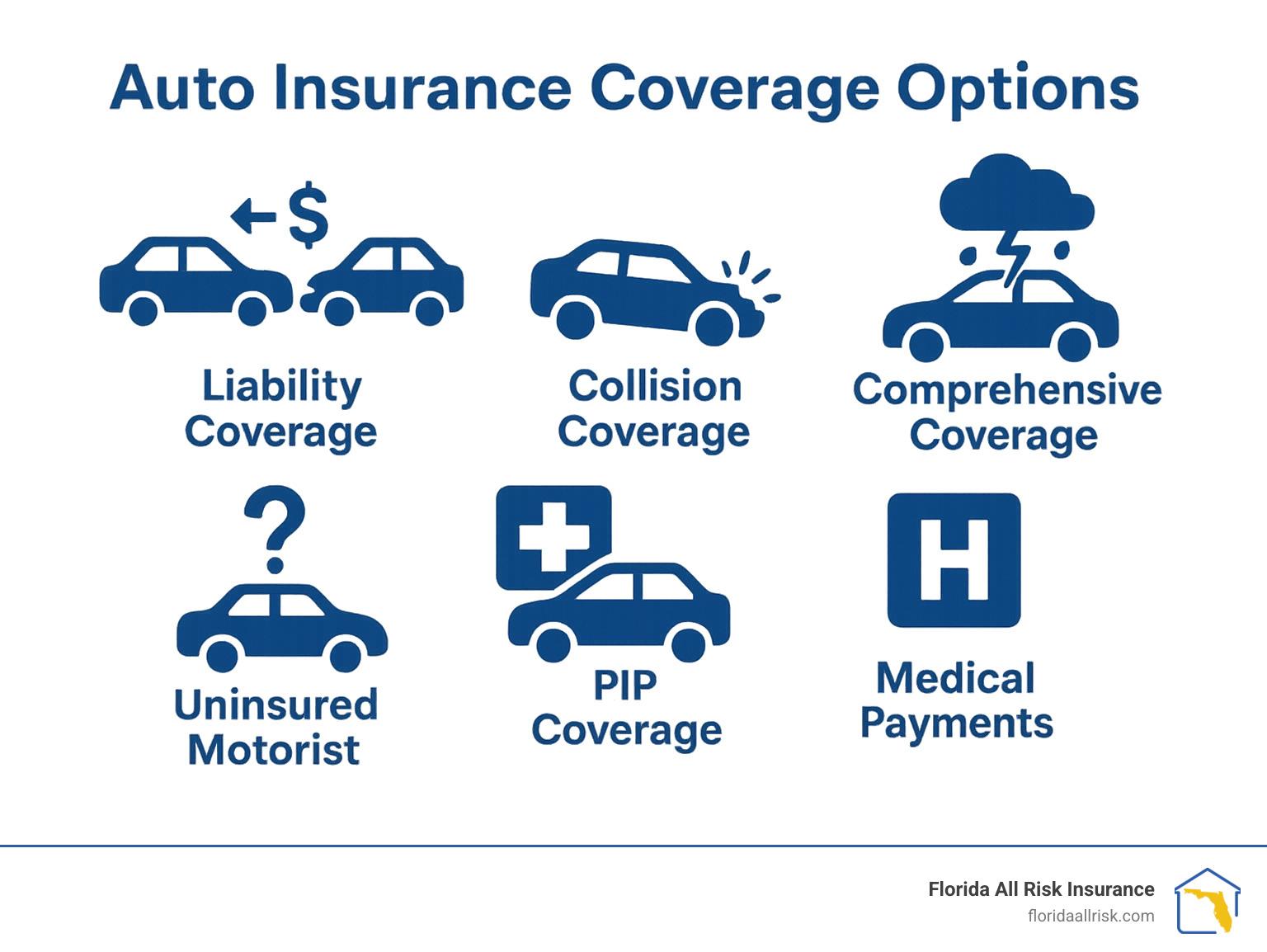
Raleigh’s rapid growth has led to increased congestion on major arteries like the Beltline and Capital Boulevard. Consequently, auto insurance premiums in the city reflect these urban risks. North Carolina law mandates specific minimum liability limits of 30/60/25: $30,000 for bodily injury per person, $60,000 for total bodily injury per accident, and $25,000 for property damage.
Leading Carriers for Raleigh Drivers
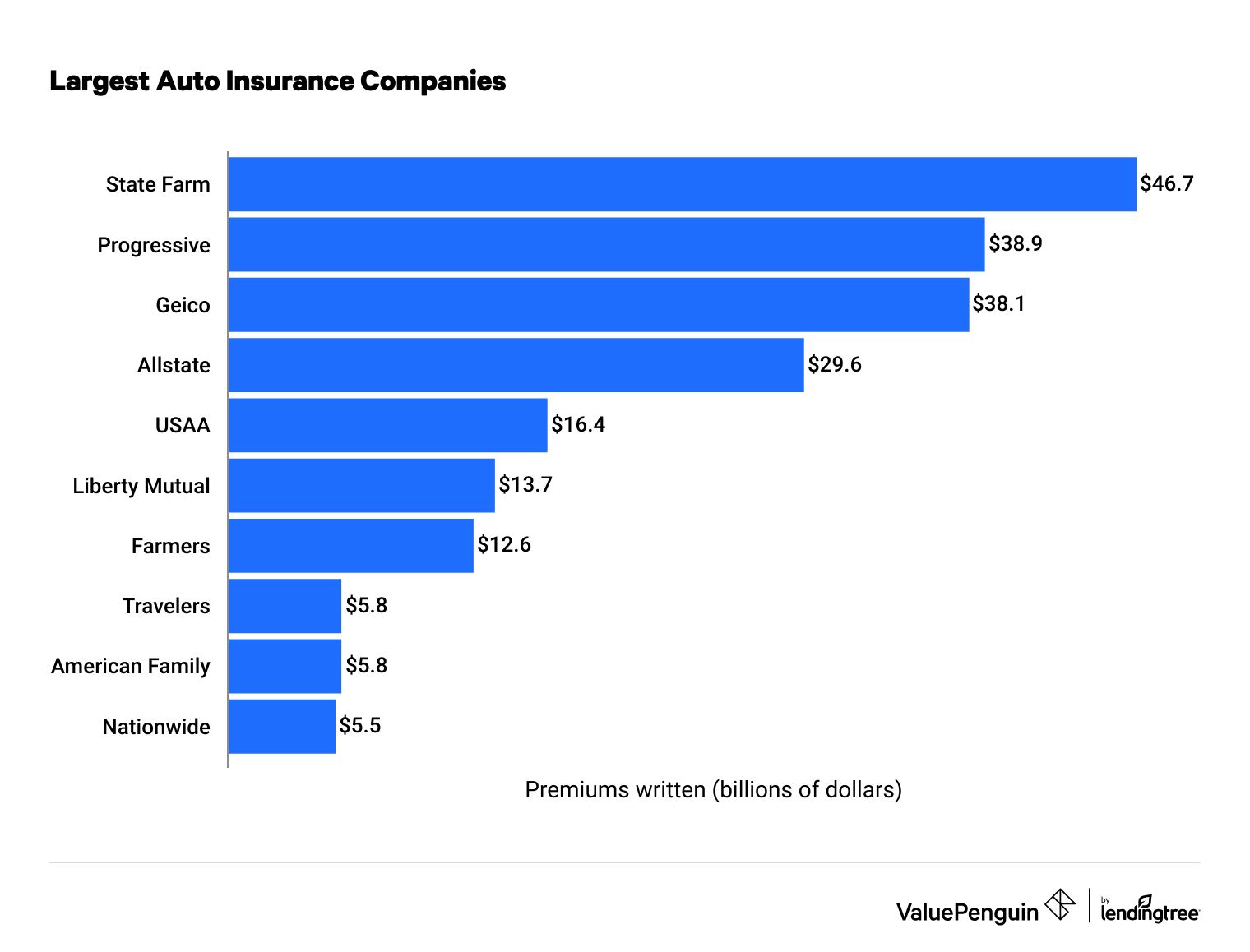
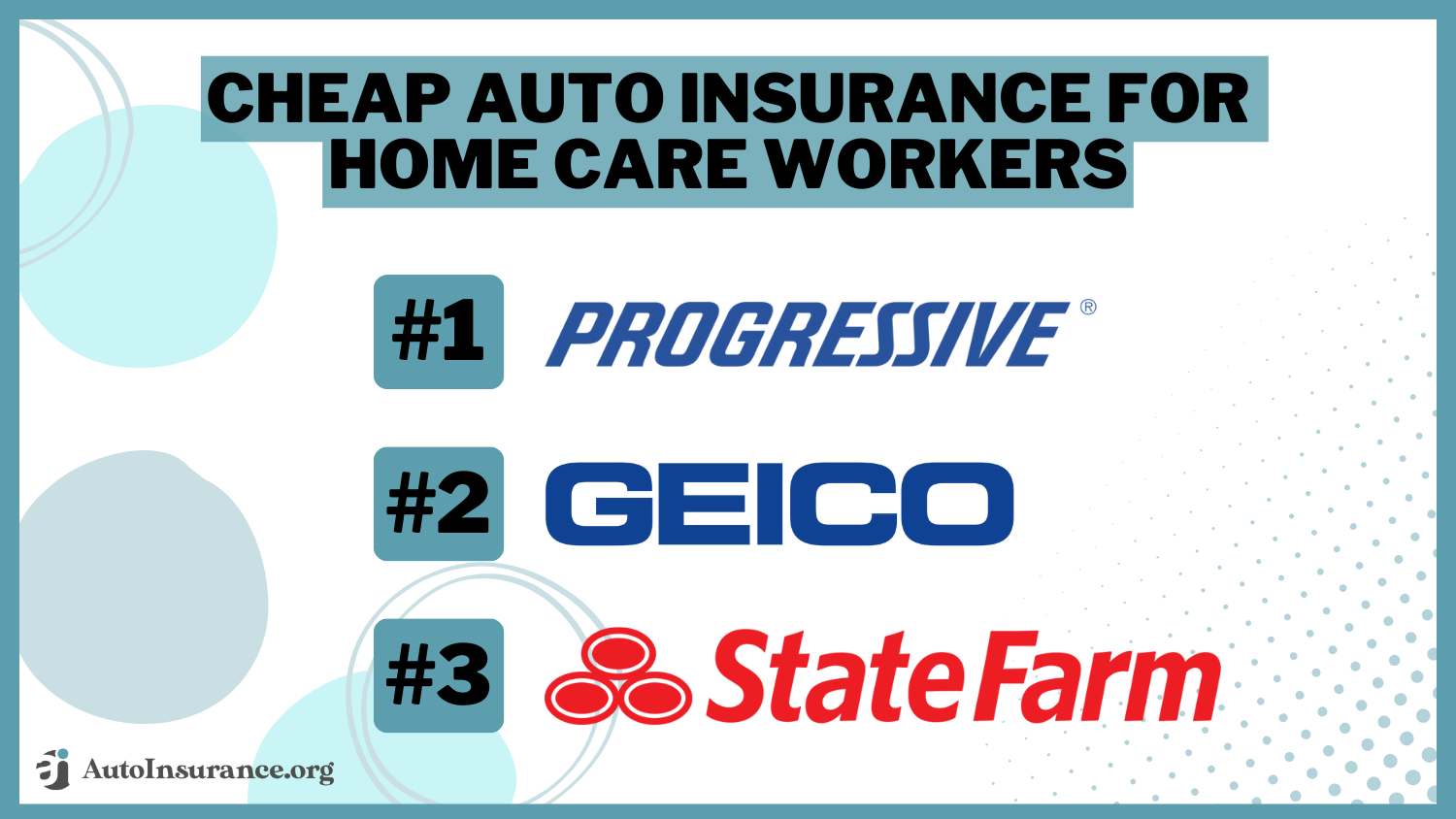
- State Farm: Known for having the largest network of local agents in the Triangle, State Farm remains a top choice for families who prefer personalized service and bundled policies.
- GEICO: Often the most competitive for digital-first users and students at NC State University, GEICO utilizes a robust mobile platform that appeals to Raleigh’s tech-savvy workforce.
- Progressive: In 2026, Progressive continues to lead in "Snapshot" usage-based insurance programs, which are particularly popular among remote workers in the Research Triangle Park (RTP) who drive fewer miles than traditional commuters.
- Erie Insurance: A regional favorite that consistently ranks high in JD Power customer satisfaction surveys for the Mid-Atlantic region. Erie is often praised for its "Rate Lock" feature, which keeps premiums steady unless a vehicle or driver is added or removed.
Critical Coverage Considerations
Given the high number of high-value vehicles in affluent areas like North Hills and Five Points, the state minimums are rarely sufficient. Experts recommend a minimum of 100/300/100 to protect personal assets against litigation. Furthermore, Uninsured/Underinsured Motorist Coverage is vital in Raleigh, as it protects you if you are involved in a collision with a driver who lacks adequate insurance—a common occurrence in high-growth metropolitan areas.
Homeowners Insurance in the Research Triangle
Raleigh’s geographic location in the Piedmont provides a buffer from the direct impact of Atlantic hurricanes, but the city is still prone to the remnants of tropical systems and severe convective storms. In 2026, the primary concern for Raleigh homeowners is "Replacement Cost" versus "Actual Cash Value," especially given the high cost of labor and materials in the local construction market.
Top Home Insurance Providers
- North Carolina Farm Bureau: Because they are headquartered in Raleigh, they have an intimate understanding of the local geography and soil conditions (such as the expansive clay found in parts of Wake County).
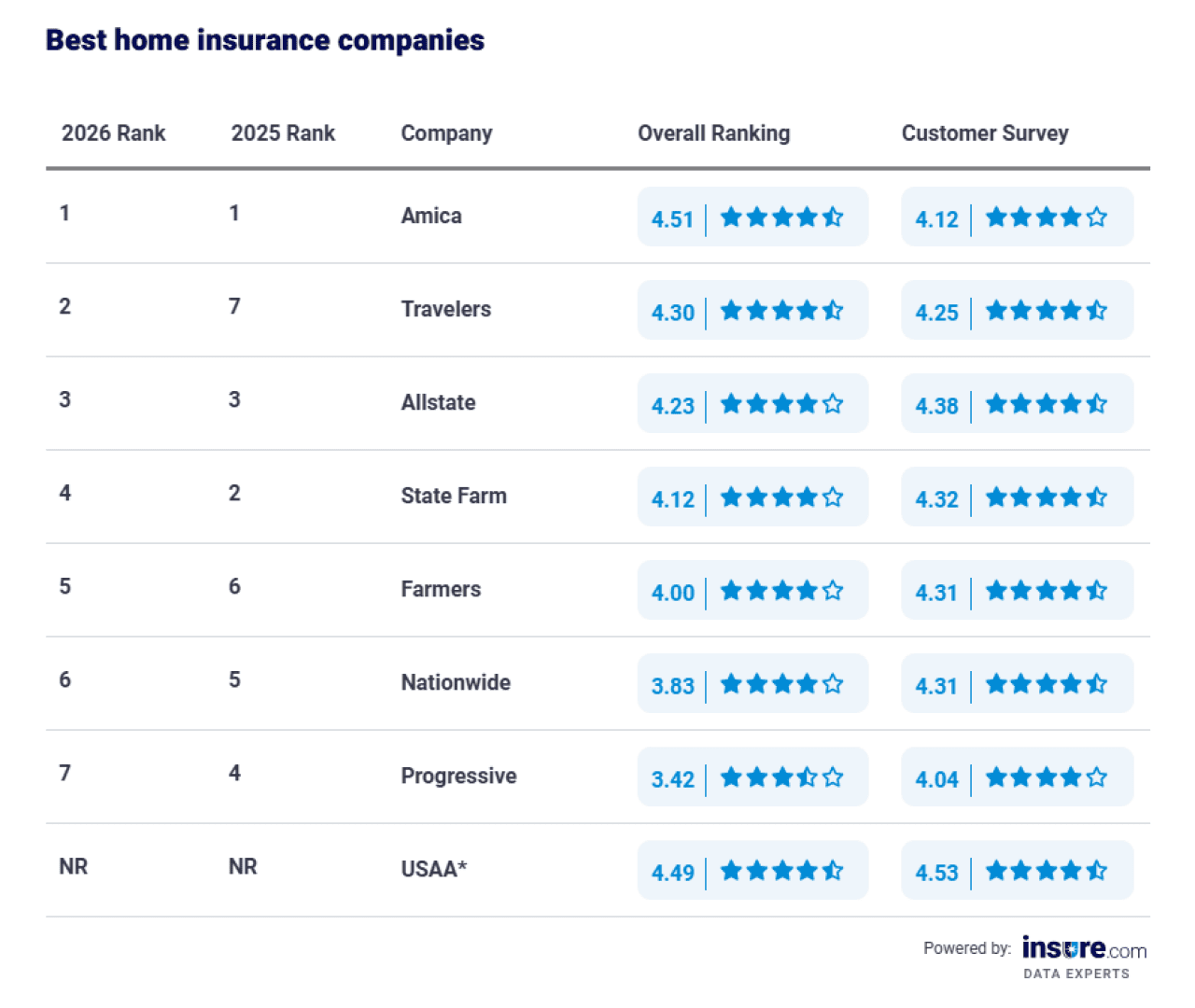
- Allstate: Popular for their "Claim-Free Rewards" and specialized coverage options for the many new-construction homes appearing in suburban Raleigh and Knightdale.
- Travelers: Often selected for high-value properties due to their robust umbrella policy integrations and "green home" discount incentives for energy-efficient upgrades.
Addressing Environmental Risks
Standard homeowners' policies in Raleigh cover fire, wind, and hail, but they strictly exclude Flood Insurance. Even if your home is not in a high-risk FEMA flood zone, the urban sprawl of Raleigh has changed drainage patterns. In 2026, many residents opt for private flood insurance or a policy through the National Flood Insurance Program (NFIP) to protect against flash flooding from the Neuse River basin or Crabtree Creek.
Health Insurance Options in Raleigh
The health insurance market in Raleigh is dominated by the proximity of world-class medical institutions like Duke Health, UNC Health, and WakeMed. Choosing a health insurance company in 2026 depends largely on which of these networks you prefer to access.
Principal Health Insurers
- Blue Cross and Blue Shield of North Carolina (Blue Cross NC): The most extensive provider in the state. Their "Blue Advantage" and "Blue Value" plans are staples of the Raleigh market, offering the widest access to local specialists.
- UnitedHealthcare (UHC): Frequently the choice for large employers in the RTP. UHC provides competitive PPO plans that are essential for residents who need out-of-state coverage flexibility.
- Aetna (CVS Health): Known for its integration with local pharmacies and "MinuteClinic" locations throughout Wake County, making it a convenient option for primary care.
- Ambetter from North Carolina Health Choice: Often the most affordable entry point on the Affordable Care Act (ACA) Exchange for individuals and freelancers.
Plan Types and Network Restrictions
In 2026, Raleigh residents must choose between HMOs, which often require referrals and staying strictly within a network (like many WakeMed-centered plans), and PPOs, which offer more freedom at a higher premium. For those utilizing the ACA Marketplace, it is crucial to verify that your preferred Raleigh-area specialist remains "in-network," as provider contracts frequently shift during the open enrollment period.
Comparing Top Raleigh Insurance Providers (2026)
| Provider | Primary Focus | Best Feature for Raleigh Residents | Avg. Local Rating |
|---|---|---|---|
| State Farm | Auto/Home | Extensive local agent network in Wake County | 4.7/5 |
| Blue Cross NC | Health | Deepest integration with Duke and UNC Health | 4.5/5 |
| NC Farm Bureau | Home/Auto | Localized risk assessment and Piedmont expertise | 4.8/5 |
| GEICO | Auto | Competitive rates for RTP commuters | 4.3/5 |
| Erie Insurance | Auto/Home | Multi-year premium stability (Rate Lock) | 4.6/5 |
Strategies for Reducing Insurance Costs in Raleigh
With inflation impacting the 2026 market, Raleigh residents can employ several strategies to lower their premiums without sacrificing coverage quality:
- Bundling (Multi-Policy Discount): Combining auto and home insurance with a single carrier like Allstate or State Farm can result in discounts of 15% to 25%.
- Higher Deductibles: Given that Raleigh has a relatively low risk for catastrophic total loss compared to coastal NC, increasing your deductible from $500 to $1,000 can significantly lower monthly premiums.
- Credit Score Management: North Carolina allows insurers to use "Insurance Scores" (based on credit history) to help determine premiums. Maintaining a high credit score is one of the most effective ways to lower your auto and home rates in the Triangle.
- Professional Discounts: Many carriers offer discounts for employees of major Raleigh entities, including state government employees, NC State University staff, and employees of large tech firms in the RTP.
Frequently Asked Questions
Does my Raleigh homeowners insurance cover hurricane damage?
Yes, wind and hail damage—often caused by hurricanes or tropical storms—are typically covered under standard policies in Raleigh. However, damage caused by rising water (flooding) is not covered and requires a separate flood insurance policy. Most agents in the North Carolina Department of Insurance database recommend checking your windstorm deductible, which may be a percentage of your home's value rather than a flat dollar amount.
How do I find a local insurance agent in Raleigh?
You can verify the license of any agent or agency through the North Carolina Department of Insurance (NCDI) website. It is recommended to work with an Independent Agent in Raleigh if you want to compare multiple carriers, as they are not "captive" to a single company like State Farm or Allstate.
Why are auto insurance rates rising in Raleigh in 2026?
Rates are primarily influenced by two factors: the increasing cost of vehicle repairs (due to advanced sensors and technology) and the rise in accident frequency correlated with Raleigh’s population growth. The North Carolina Rate Bureau periodically adjusts base rates to reflect these statewide and regional trends.
Can I get health insurance in Raleigh outside of Open Enrollment?
Generally, you can only enroll in a health plan during the annual Open Enrollment Period (typically November through January). However, "Qualifying Life Events"—such as moving to Raleigh from another state, getting married, or losing employer-sponsored coverage—trigger a Special Enrollment Period, allowing you to secure coverage mid-year.
Are there specific discounts for hybrid or electric vehicles in Raleigh?
Yes, many carriers in 2026 offer "Green Vehicle" discounts. As Raleigh expands its EV charging infrastructure, companies like Travelers and Liberty Mutual have introduced specific credits for owners of electric vehicles to encourage sustainable transit.
Final Recommendation
For the comprehensive protection of your assets in Raleigh, the most effective strategy is a hybrid approach. Utilize a national carrier for auto and home insurance to take advantage of bundling discounts and financial stability, while looking toward regional leaders like Blue Cross NC for health coverage to ensure access to the Triangle's premier medical facilities. Always request a "Consent to Rate" explanation if your premium exceeds the NCRB base rate, and review your coverage annually to account for the rapidly appreciating property values in the Wake County market.
Image Gallery