Understanding Marketing Campaign Cost: A Strategic Framework for Budget Allocation
Determining your marketing campaign cost requires aligning financial outlays with specific growth objectives, channel performance, and target audience accessibility. By calculating the total cost of production, distribution, platform f...
Determining your marketing campaign cost requires aligning financial outlays with specific growth objectives, channel performance, and target audience accessibility. By calculating the total cost of production, distribution, platform fees, and agency overhead, businesses can establish a clear budget that maximizes return on investment while accounting for the volatile variables of the 2026 digital landscape.
Contents
Core Components of Marketing Campaign Expenditure
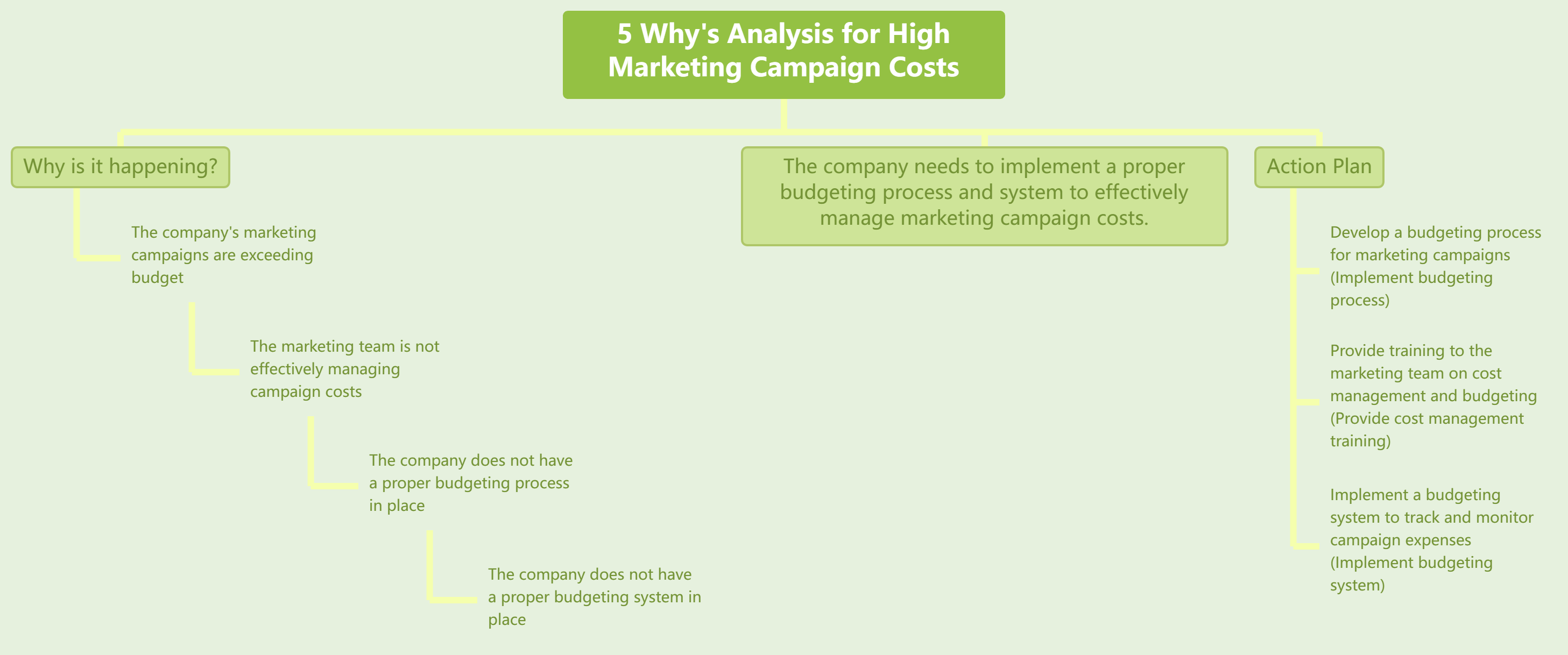
A marketing campaign is rarely a single expense; it is a composite of several interconnected financial obligations. Understanding these pillars allows for more accurate forecasting and prevents "budget creep," where unforeseen costs derail a project before it reaches maturity.
Production and Creative Costs
Before a message reaches an audience, it must be crafted. This includes the costs of market research, creative direction, copywriting, graphic design, and video production. In 2026, the integration of generative AI in early-stage conceptualization has reduced some labor costs, but the premium for high-quality, human-led storytelling remains significant. High-production assets, such as professional-grade video advertisements, often carry a higher upfront cost but provide greater long-term brand equity compared to ephemeral, low-effort content.
Media Buying and Distribution
This is frequently the largest line item in any campaign budget. Whether you are utilizing Programmatic Advertising, Search Engine Marketing (SEM), or Social Media Ads, you are effectively renting space in the attention economy. Media costs are highly dependent on the "CPM" (Cost Per Mille) or "CPC" (Cost Per Click) models, which fluctuate based on industry competitiveness, seasonal demand, and the specific geographic reach of your campaign.
Technology and Tooling
Modern marketing relies on a sophisticated stack of software. This includes Customer Relationship Management (CRM) platforms, analytics tools, and attribution software. While these are often billed as recurring operational expenses, a portion of their cost should be amortized across the lifecycle of your campaigns, as they are essential for measuring the efficacy of the spend.
Establishing Your Budgeting Methodology
To arrive at a realistic marketing campaign cost, you must move beyond arbitrary guessing. Most established firms utilize one of three primary methodologies to determine their financial ceiling.
1. Percentage of Revenue
This is a common, conservative approach where the marketing budget is set as a fixed percentage of current or projected revenue. For established companies, this usually falls between 5% and 15%. This method ensures that spending remains tethered to the company's financial health, preventing over-leveraging during lean periods.
2. Objective-Based Budgeting
This "bottom-up" approach requires you to define a specific goal—such as acquiring 1,000 new customers—and then calculating the cost required to reach that goal based on historical conversion data. If your Cost Per Acquisition (CPA) is $50, you know with reasonable certainty that you require a $50,000 media budget to meet your target.
3. Competitive Parity
In hyper-competitive niches, businesses often look to their competitors’ share of voice. By analyzing the public ad spend of market leaders, companies set budgets intended to match or exceed the visibility of their rivals. While this ensures market presence, it ignores the internal operational efficiencies that determine whether that spend actually results in a profit.
Comparative Overview of Campaign Channels
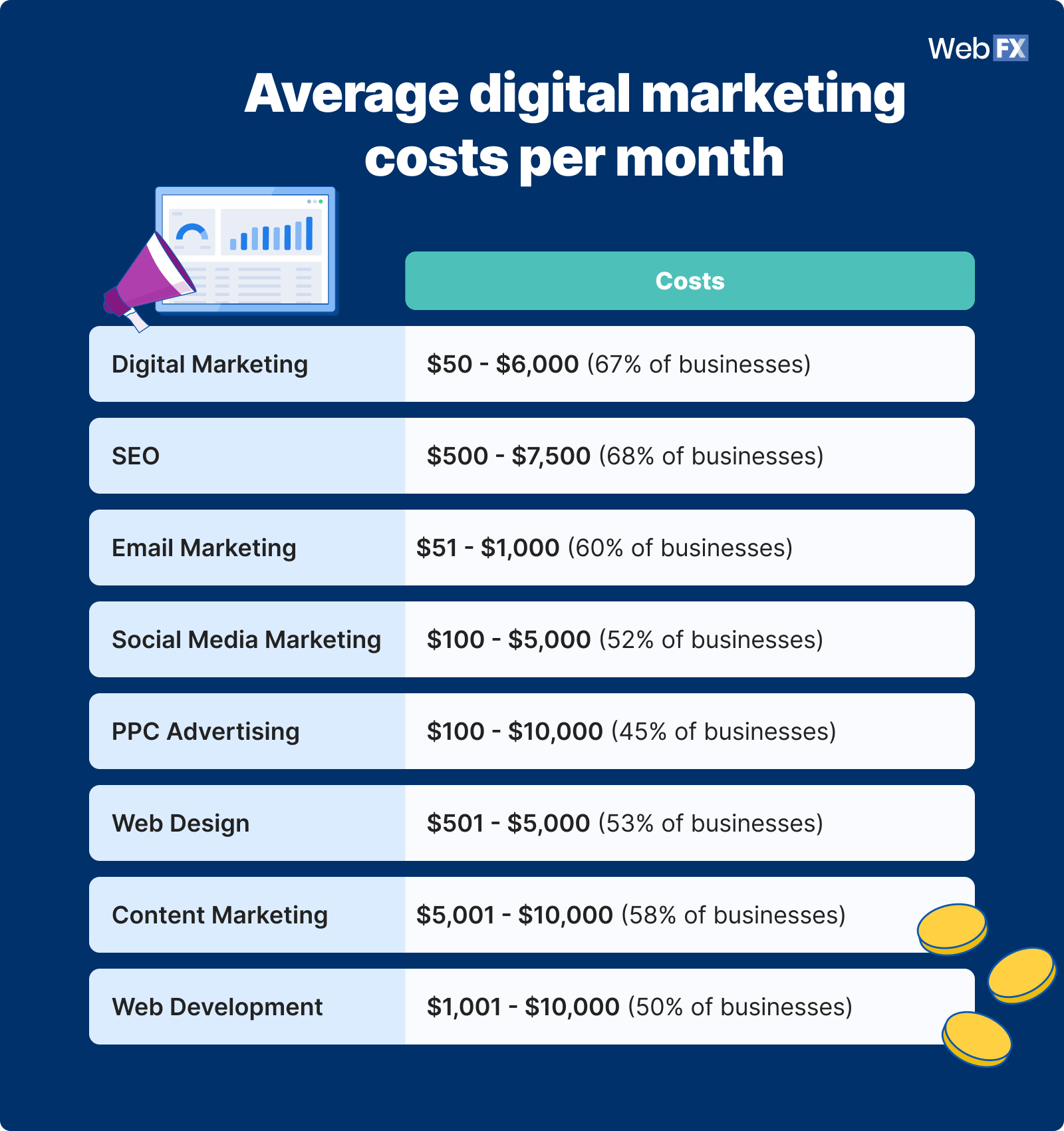
The cost profile of a marketing campaign varies drastically depending on the chosen channel. The following table highlights the primary cost drivers and typical characteristics associated with common marketing mediums.
| Channel | Primary Cost Driver | Predictability | Typical Performance Metric |
|---|---|---|---|
| Search Ads (SEM) | Keyword Competition | High | Cost Per Click (CPC) |
| Social Media Ads | Audience Targeting | Moderate | Cost Per Mille (CPM) |
| Content Marketing | Production/Labor | Low | Organic Traffic/Leads |
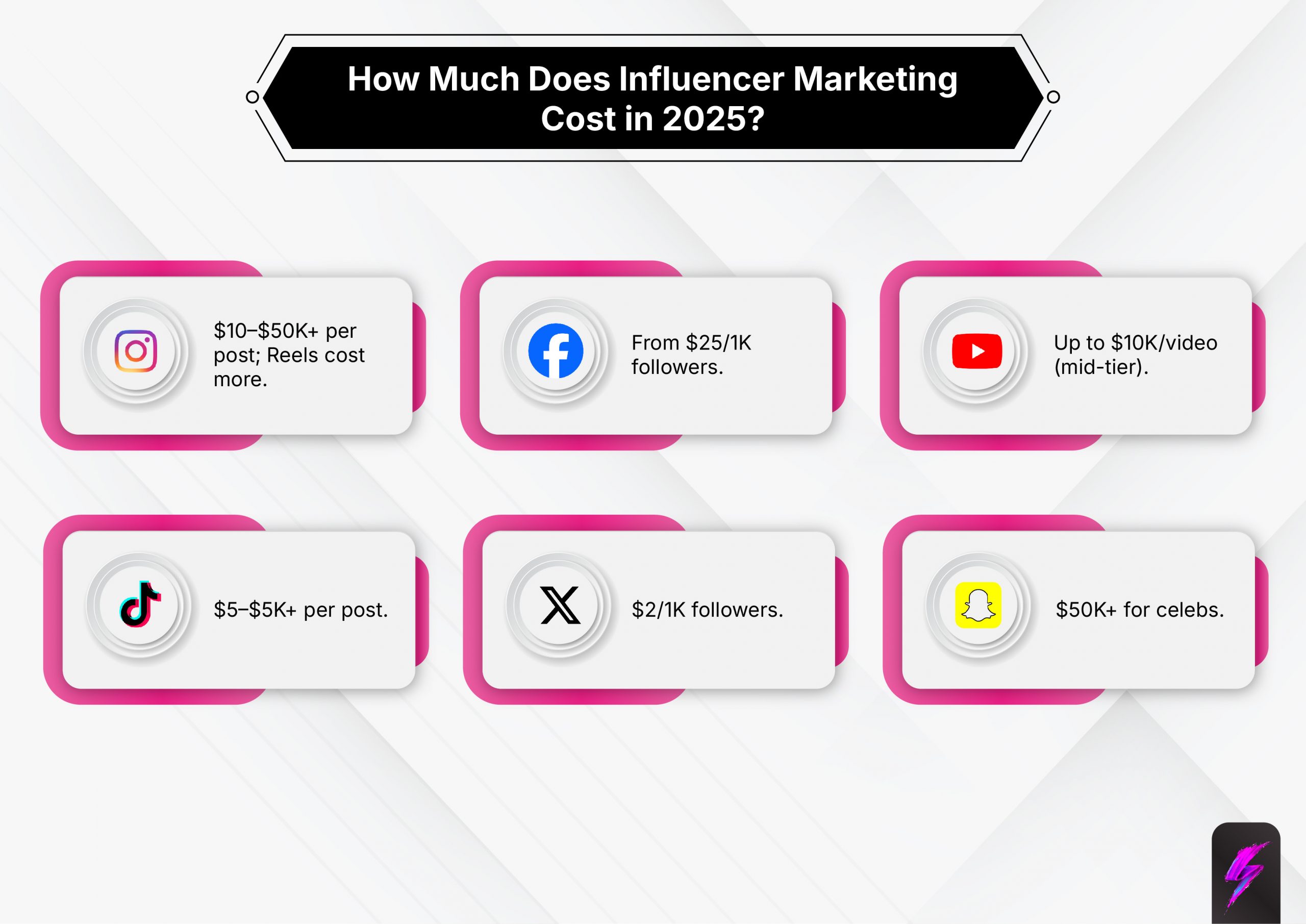
| Influencer Marketing | Flat Fee or Performance | Moderate | Engagement Rate |
| Email Marketing | Software/List Size | Very High | Conversion/Open Rate |
Managing Variable Costs and Hidden Fees
Beyond the direct costs mentioned above, marketing campaigns are susceptible to hidden expenses that can degrade your margins. Recognizing these early is essential for maintaining a profitable campaign.
Agency Fees and Retainers
If you outsource your marketing, agency fees are a significant component. In 2026, pricing structures have shifted toward performance-based models alongside traditional monthly retainers. It is critical to clarify whether the agency’s fee includes creative revisions, platform management, and reporting. Failing to define the scope of work clearly can lead to "out-of-scope" billing that was never accounted for in the initial project budget.
Creative Fatigue and Refresh Costs
Digital advertisements suffer from diminishing returns as the audience becomes desensitized to the creative assets. A campaign that starts with a high conversion rate may see its efficacy drop by 20–30% within a few weeks. Budgeting for "creative refreshes"—the development of new imagery, copy, and video—is a mandatory expense that many first-time planners overlook.
Data Privacy and Compliance Costs
With the ongoing evolution of data privacy regulations across various global jurisdictions, businesses must account for the cost of compliance. This may include legal reviews of ad copy, implementing consent management platforms, or ensuring that third-party data providers meet strict regulatory standards. These costs are often ignored but are essential to mitigate the risk of litigation or regulatory fines.
Frequently Asked Questions
How do I know if my marketing campaign cost is too high?
Your costs are too high if your Cost Per Acquisition (CPA) consistently exceeds the Customer Lifetime Value (CLV). If the expense to secure a customer is higher than the profit that customer generates over their relationship with your business, the campaign is technically loss-making, regardless of how much revenue it drives.
Should I prioritize volume or quality when setting my budget?
Prioritize quality during the testing phase of a campaign. By focusing on higher conversion rates and better-qualified leads, you establish a baseline of profitability. Once the conversion pathway is optimized, you can scale the volume of traffic with more confidence that your increased spend will yield a positive return.
What is the biggest mistake businesses make when budgeting for campaigns?
The most common mistake is failing to reserve a contingency fund. Marketing is experimental by nature; platforms change, and audience behaviors shift. A contingency fund of 10–15% of the total budget provides the flexibility to pivot strategies or double down on high-performing segments without needing to seek additional funding.
How does seasonality impact marketing costs?
Seasonality creates artificial inflation in media buying. During peak periods, such as the end-of-year holiday cycle, competition for ad inventory spikes, driving up the cost of CPMs and CPCs. You must account for these "peak-season premiums" when forecasting your annual marketing expenditure.
Does AI integration actually lower marketing campaign costs?
AI lowers the cost of production and routine data analysis tasks. It allows for the rapid creation of copy variations and automated bid management. However, it does not remove the need for human oversight and strategic direction. While it makes your budget go further, it does not eliminate the necessity of spending on human creative expertise and high-level strategy.
Strategic Recommendation
To ensure your marketing campaign cost remains sustainable, adopt a "pilot and scale" model. Start with a smaller, highly controlled budget to test your creative and targeting hypotheses. Collect performance data for at least 14 days before committing to your full budget. Once you have verified your CPA and conversion efficiency, allocate your remaining funds toward the highest-performing channels to ensure you are investing in growth rather than simply spending to maintain presence.
Image Gallery