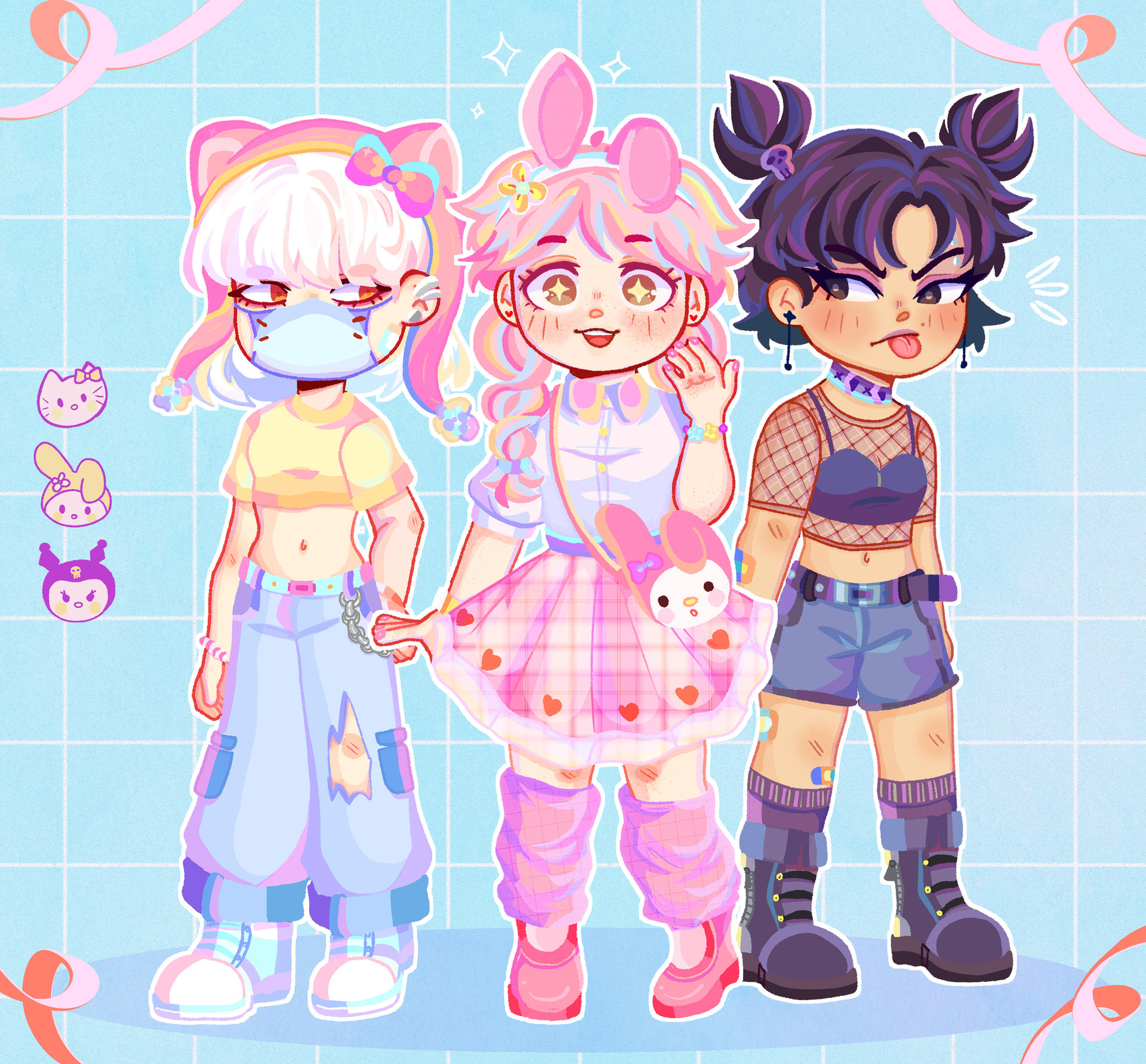
Why the Hello Kitty Characters as Humans Fascinate Fans
The fascination with reinterpreting Sanrio’s iconic Hello Kitty characters as humans stems from the intersection of character design psychology and the inherent human desire for relatability. By transposing whimsical, non-human aesthet...
The fascination with reinterpreting Sanrio’s iconic Hello Kitty characters as humans stems from the intersection of character design psychology and the inherent human desire for relatability. By transposing whimsical, non-human aesthetics into human forms, fans bridge the gap between abstract mascots and complex identities, allowing for deeper emotional engagement, nuanced fan fiction, and creative self-expression through "gijinka" or personification art.
Contents
The Psychology of Personification
At the core of the "Hello Kitty as human" phenomenon is a process known as anthropomorphism. Humans are hardwired to assign intent, personality, and human-like traits to inanimate objects or stylized characters. While characters like Hello Kitty, My Melody, or Kuromi are already designed with expressive faces and distinct color palettes, they exist in a "kawaii" (cute) vacuum that is often detached from the complexities of human social structures.
When artists redesign these characters as humans, they are not merely "drawing a person"; they are translating visual shorthand into personality archetypes. A bow, a signature color, or a specific accessory becomes a fashion choice, a hairstyle, or a personality quirk. This process allows the audience to project themselves onto the characters more effectively. It transforms the character from a static piece of merchandise into a dynamic protagonist capable of navigating the relatable stressors of human life, such as career choices, interpersonal conflicts, and fashion trends.
The Role of Gijinka Culture
"Gijinka" is the Japanese term for the practice of humanizing non-human entities. While prevalent in anime and manga culture, it has found a particularly fertile ground in the Sanrio fandom. This practice serves as a creative exercise that tests an artist's ability to retain the "essence" of a character while completely changing the medium of their form.
Fans find the exercise fascinating because it invites a communal dialogue about design. For example, when conceptualizing Hello Kitty as a human, the debate often centers on whether to emphasize her nurturing qualities—associated with her "mom" and "bakery" lore—or her status as a global pop-culture icon. The fascination lies in the tension between the original, rigid design and the infinite flexibility of the human form. This allows for a vast array of interpretations, from modern, edgy street-style depictions to high-fashion, ethereal reinterpretations.
Distinguishing Character Archetypes in Human Form
The appeal is also driven by how different characters lend themselves to specific human archetypes. The contrast between characters like My Melody and Kuromi is a masterclass in visual storytelling, which becomes even more compelling when translated into human character design.
| Character | Iconic Trait | Humanized Archetype | Visual Focus |
|---|---|---|---|
| Hello Kitty | Red Bow | The Nurturer/Icon | Balanced, warm, timeless |
| My Melody | Pink Hood | The Sweet Idealist | Soft, youthful, pastel |
| Kuromi | Black Hood/Skull | The Rebellious Cynic | Edgy, dark academia, bold |
| Cinnamoroll | Large Ears | The Gentle Dreamer | Airy, soft fabrics, comfort |
| Pompompurin | Beret | The Easy-going Friend | Relaxed, cozy, golden tones |
By observing how these traits manifest as human features—such as Kuromi’s aesthetic shifting into gothic lolita fashion or Cinnamoroll’s ears becoming oversized, cozy scarves—fans deepen their appreciation for the original character's fundamental traits.
Expanding the Narrative: From Mascot to Protagonist
A significant factor in the enduring appeal of these humanized versions is the narrative expansion they facilitate. Within the original Sanrio lore, characters often exist in a state of perpetual harmony or simple episodic conflict. Transforming these characters into humans allows the fan community to construct complex narratives that the source material never touches.
In fan fiction and roleplay communities, Hello Kitty might become an ambitious young entrepreneur managing a global brand, while Kuromi might be reimagined as a talented but misunderstood punk musician. This shift allows the community to explore modern themes—such as the balance between work and play, or the importance of friendship in adulthood—using a familiar visual shorthand that is already beloved by millions. It turns the franchise into a sandbox for creative writing and artistic development.
Artistic Challenges and Community Engagement
For many illustrators, the challenge of humanization is technical. Capturing the specific "vibe" of a Sanrio character without relying on their trademark ears or tails requires a high degree of skill in color theory and silhouette recognition. Fans of the genre follow these artists not just for the output, but for the process. They look for artists who can maintain "brand integrity"—the sense that a character is instantly recognizable even when the non-human features are stripped away.
The communal aspect of this phenomenon cannot be overstated. Platforms that host fan art become galleries for these interpretations, where the community critiques and celebrates the success of a "gijinka" design. It creates a feedback loop: an artist posts a humanized version, the community analyzes how well the design captures the character's personality, and new iterations are born from that discourse.
Why This Matters in 2026
In 2026, the intersection of high-concept character design and personal identity continues to evolve. As digital fashion and virtual avatars become more prominent, the skills developed by fans humanizing Sanrio characters mirror real-world trends in digital identity. The fascination is no longer just about "what if this character was human," but rather "how does this character’s aesthetic inform my own style?" The humanized versions of Sanrio characters provide a template for fashion inspiration, digital persona creation, and even interior design, bridging the gap between childhood nostalgia and adult creative expression.
Frequently Asked Questions
What does "gijinka" mean in the context of Sanrio?
Gijinka refers to the fan-created practice of reimagining non-human characters, such as animals or mascots, as humans. It involves adapting a character's defining colors, accessories, and personality traits into human fashion and character design.
Why do fans prefer humanized versions over original designs?
Fans do not necessarily prefer these versions; rather, they serve a different purpose. While the original designs are valued for their simplicity and "kawaii" aesthetic, humanized versions allow fans to relate to the characters on a deeper, more mature level, enabling narrative exploration and complex artistic expression.
Are there official humanized versions of these characters?
Generally, Sanrio maintains the characters in their original forms to preserve brand identity. While there may be promotional artwork or crossover events where characters wear human-like clothing, the "humanization" seen in fan culture is almost entirely a community-driven phenomenon.
How can I start drawing my own humanized versions?
Start by deconstructing the character's primary color palette and signature accessory. Instead of drawing the animal, focus on what a human version of that character would value. If the character is playful, translate that into a vibrant fashion style; if they are shy, use softer, layered textures and muted colors.
Is there a specific style that is most popular?
There is no single "correct" style. However, the most popular interpretations tend to align with contemporary fashion trends like "Soft Girl," "Dark Academia," or "Streetwear," as these styles provide a relatable modern lens through which to view these classic characters.
Next Steps for Enthusiasts
If you are interested in exploring this space further, the best approach is to engage with the community on visual-centric social platforms. Observe how different artists approach the same character; look for commonalities in color palettes and accessories. To create your own, choose one Sanrio character you feel a deep personal connection to, list three of their personality traits, and challenge yourself to represent those traits through a human outfit and hairstyle without using any of the character's original animal features.
Image Gallery