How to Compare Auto Insurance Quotes from Various Companies in 2026
In 2026, obtaining auto insurance quotes from various companies involves using high-speed online comparison tools, visiting direct carrier platforms, or consulting independent agents. By evaluating multiple offers side-by-side, drivers...
In 2026, obtaining auto insurance quotes from various companies involves using high-speed online comparison tools, visiting direct carrier platforms, or consulting independent agents. By evaluating multiple offers side-by-side, drivers can identify the most competitive premiums, specific coverage endorsements, and discount structures tailored to their unique driving profile and vehicle technology.
Contents
Comparing auto insurance quotes is no longer a simple matter of looking for the lowest monthly price. As vehicle technology has advanced and the insurance industry has integrated more sophisticated data modeling, the "various insurance companies" in the market now offer highly differentiated products. To find the best value, a consumer must understand how these companies calculate risk, what data they require, and how the current 2026 economic landscape influences premiums. Whether you are insuring a traditional internal combustion vehicle, a high-tech electric vehicle (EV), or a semi-autonomous commuter car, the process of gathering and vetting quotes remains the primary method for ensuring financial protection without overpaying.
The Importance of Multi-Carrier Comparisons
The insurance market is highly fragmented, with hundreds of providers ranging from national giants to regional specialists. Each company uses a proprietary actuarial formula to determine how much a specific driver should pay. One company might favor homeowners with long-term stability, while another might offer more aggressive rates for young professionals or gig-economy workers.
In 2026, the variance between the highest and lowest quotes for the same driver can often exceed 40%. This discrepancy occurs because different companies have different "appetites" for risk at different times. If a carrier has experienced heavy losses in a specific geographic region due to climate-related events or rising litigation costs, they may raise rates to reduce their exposure. Meanwhile, a competitor looking to expand its market share in that same area might offer introductory rates or specialized discounts. Without checking various insurance companies, a driver has no way of knowing if their current renewal offer is still competitive within the broader market.
Essential Information for Accurate Quotes
To receive an accurate quote, you must provide consistent data to every insurer you contact. Discrepancies in the information provided can lead to "premium shock" later, where the final policy price is significantly higher than the initial quote once the company runs a formal background check.
Driver and Household Data
Insurers require the full names, birthdates, and driver’s license numbers of all licensed residents in your household. In 2026, many companies also look at "lifestyle data," such as your occupation and education level, where legally permitted, as these factors correlate with claims frequency. Your driving history—including accidents, speeding tickets, and claims filed over the last three to five years—is the most critical component of your profile.
Vehicle Specifications
The Vehicle Identification Number (VIN) is the most reliable way to get an accurate quote. The VIN informs the insurer about specific safety features, such as advanced driver assistance systems (ADAS), which can lower premiums, or high-cost components like lidar sensors and specialized battery arrays in EVs, which might increase the cost of collision and comprehensive coverage.
Mileage and Usage
Be prepared to state how many miles you drive annually and the primary use of the vehicle (commuting, pleasure, or business). If you use your vehicle for ridesharing or delivery services, you must disclose this during the quoting process. Standard personal policies typically exclude commercial use, and failing to mention this can lead to a denied claim.
Navigating Different Quoting Channels
There are three primary ways to access quotes from various insurance companies. Each has distinct advantages and trade-offs regarding speed, convenience, and depth of advice.
| Channel Type | Best For | Pros | Cons |
|---|---|---|---|
| Direct-to-Consumer | Speed and brand loyalty | Fast, user-friendly apps, direct control over policy. | Only provides one quote; no comparison of other brands. |
| Online Aggregators | Rapid price benchmarking | Compares 10+ companies at once; highlights the lowest rates. | May lead to follow-up marketing calls; some local insurers may be missing. |
| Independent Agents | Complex needs and expert advice | Personalized service; access to "broker-only" carriers. | Takes more time than an app; relies on the agent's specific carrier list. |
| Captive Agents | Relationship-based service | Deep knowledge of a single brand's bundled products. | Limited to one company's offerings and pricing models. |
Using Online Comparison Sites
Aggregators are the most efficient starting point for most drivers. These platforms allow you to enter your data once and receive estimated rates from a dozen or more carriers. However, users should be aware that these are often "preliminary" quotes. To lock in the rate, you usually need to transfer to the carrier's own website to finalize the underwriting process, which involves a "hard" pull of your motor vehicle record (MVR) and credit-based insurance score.
Working with Independent Agents
For drivers with unique circumstances—such as high-net-worth individuals needing umbrella policies or drivers with a "high-risk" designation due to multiple infractions—an independent agent is invaluable. These professionals represent various insurance companies and can navigate niche markets that don't advertise on television or appear on major aggregation websites.
Understanding Coverage Types in 2026
When comparing quotes, it is vital to ensure you are comparing "apples to apples." A low quote might simply reflect lower coverage limits or higher deductibles.
- Liability Coverage (Bodily Injury and Property Damage): This is the foundation of every policy. It pays for injuries or damages you cause to others. In 2026, as vehicle repair costs and medical expenses continue to rise, many experts recommend limits far above the state-mandated minimums (e.g., 100/300/100).
- Collision and Comprehensive: These cover damage to your own vehicle. Collision applies to accidents, while comprehensive covers theft, vandalism, and weather damage. For older vehicles with low market value, you might consider dropping these to save on premiums.
- Uninsured/Underinsured Motorist (UM/UIM): This protects you if you are hit by a driver who lacks adequate insurance. Given the economic volatility of 2026, a significant percentage of drivers may carry only minimum limits, making UM/UIM essential.
- Telematics and Usage-Based Insurance (UBI): Many various insurance companies now offer "pay-how-you-drive" programs. By allowing a smartphone app or a plug-in device to monitor your braking, speed, and mileage, you can earn substantial discounts. This is particularly beneficial for low-mileage drivers.
Factors Influencing 2026 Insurance Rates
The insurance landscape in 2026 is shaped by several macroeconomic and technological factors that drivers must account for when viewing quotes.
- Vehicle Complexity: Modern vehicles are equipped with sophisticated sensors and cameras. A minor bumper scrape that cost $500 to fix a decade ago may now cost $3,000 because of the need to replace and recalibrate ADAS sensors. This has led to a general upward trend in collision premiums across all various insurance companies.
- Climate Risks: Regional carriers are increasingly sensitive to weather patterns. If you live in an area prone to wildfires, hurricanes, or heavy hail, your comprehensive coverage quotes will reflect that heightened risk, even if your personal driving record is perfect.
- Social Inflation: This refers to the rising costs of insurance claims resulting from litigation trends and higher jury awards. Insurance companies pass these costs on to policyholders through increased liability premiums.
- Electric Vehicle (EV) Adoption: While EVs have fewer moving parts, they are often more expensive to repair and can be totaled more easily if the battery pack is damaged. Quotes for EVs from various insurance companies can vary wildly based on the carrier's experience with specific battery technologies.
How to Effectively Compare Quotes
To ensure you are getting the best deal from various insurance companies, follow these steps:
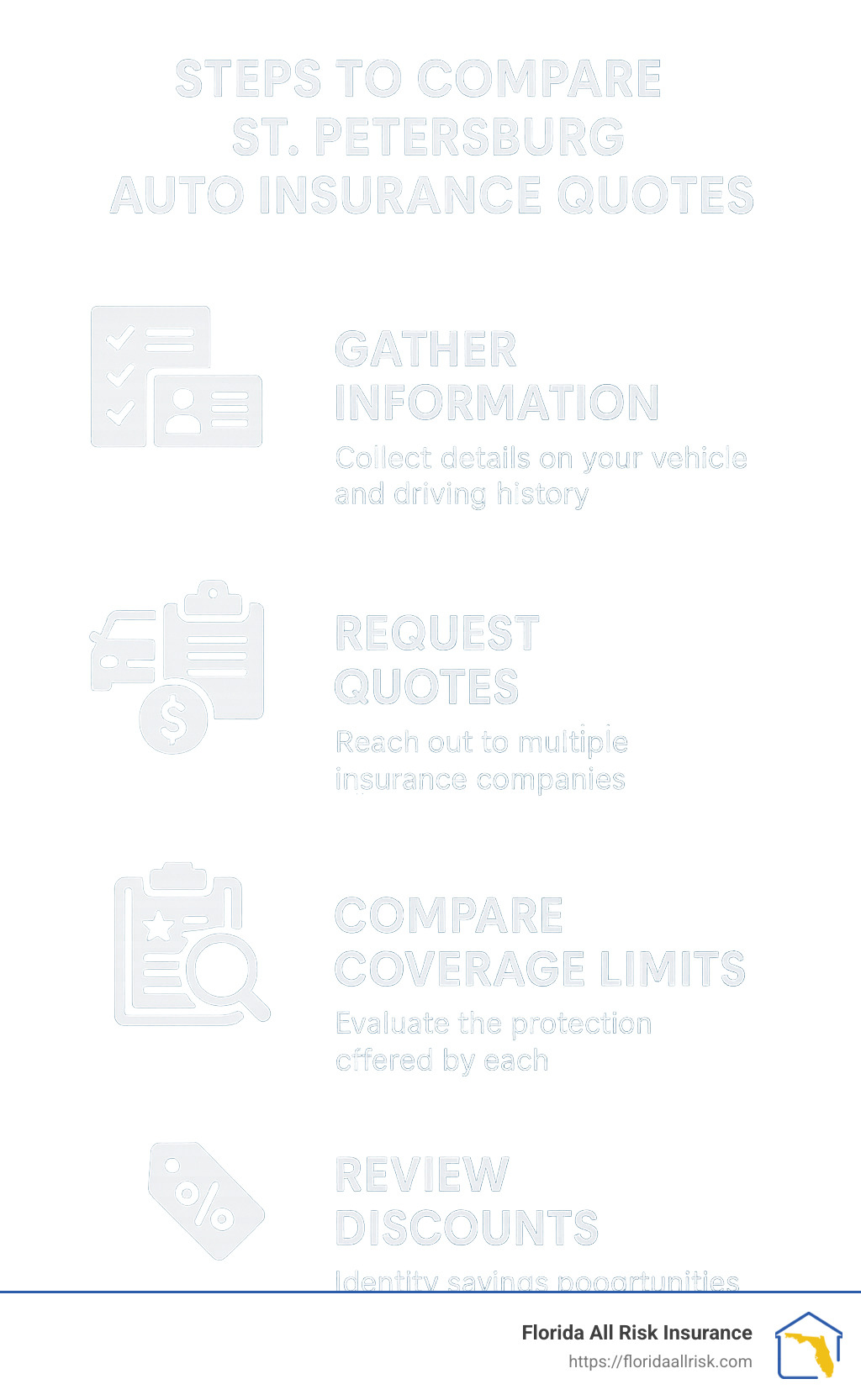
- Standardize Your Limits: Decide on your coverage limits (e.g., $100k/$300k liability) and deductibles (e.g., $500 or $1,000) before you start. Use these exact numbers for every quote request.
- Check for Bundling: Ask each company how much you would save by moving your homeowners or renters insurance to them. Some companies offer deep discounts for multi-policy households that can outweigh a slightly higher base auto premium.
- Review the Financial Rating: Price is important, but the company must be able to pay claims. Check the A.M. Best or S&P Global ratings for any insurer you are considering. Stick with companies rated "A-" or better.
- Read the Fine Print on Discounts: Look for specific discounts like "Good Student," "Military," "Safe Driver," or "Professional Association" memberships. Not every company advertises every discount upfront.
- Evaluate the Claims Process: Look at consumer reviews regarding how various insurance companies handle claims. A company with the lowest quote but a reputation for slow payouts and poor customer service may cost you more in stress and out-of-pocket expenses later.
Common Pitfalls to Avoid
The most common mistake when looking at quotes from various insurance companies is focusing exclusively on the "teaser" rate. Some carriers offer a low introductory rate for the first six months, only to spike the premium at the first renewal. Always ask about the company’s history of rate stability.
Another mistake is neglecting to update your information. If you have recently moved, changed jobs (and thus changed your commute distance), or gotten married, these changes can significantly impact your quotes. If you are comparing quotes based on old data, the results will be irrelevant.
Finally, do not cancel your old policy until the new one is officially in force. A "coverage gap" of even one day can lead to higher rates in the future, as insurers view uninsured periods as a high-risk indicator.
Frequently Asked Questions
How often should I get auto insurance quotes from various companies?
It is recommended to shop for quotes at least once a year or whenever you experience a major life event, such as buying a new car, moving, or a significant change in your credit score. Even without these events, insurance companies frequently update their pricing algorithms, meaning a company that was the most expensive for you last year might be the most affordable this year.
Does getting multiple quotes affect my credit score?
In the United States, insurance companies perform a "soft pull" of your credit report during the quoting process. Unlike "hard pulls" used for credit card or mortgage applications, soft pulls do not impact your credit score. You can get quotes from dozens of various insurance companies without any negative effect on your creditworthiness.
Why do quotes from various insurance companies differ so much for the same coverage?
Quotes differ because each company uses a unique risk-assessment model. One insurer might place a heavy emphasis on your credit history, while another focuses more on your driving record or the safety rating of your vehicle. Additionally, each company has different overhead costs and profit margin targets, which are reflected in their pricing.
Is the cheapest quote always the best option?
Not necessarily. The cheapest quote might come from a company with a poor claims-handling reputation or one that uses lower-quality aftermarket parts for repairs. It is important to balance cost with the company's financial stability, customer service ratings, and the specific terms of the policy, such as whether they provide original equipment manufacturer (OEM) parts.
Can I get a quote if I don't have a car yet?
Yes, you can obtain "non-owner" insurance quotes or use a prospective vehicle's year, make, and model to get an estimate. This is highly recommended before purchasing a new vehicle, as the insurance cost can vary significantly between different models and should be factored into your total cost of ownership.
Practical Recommendation
When comparing auto insurance quotes from various insurance companies in 2026, your first action should be to gather your current policy's "Declarations Page." This document lists your current coverages and limits, providing the necessary baseline for an accurate comparison. Start with a reputable online aggregator to identify the three lowest-priced carriers, then visit those specific carriers' websites or call an agent to verify the final price after all applicable discounts and background checks are applied. Always prioritize companies with a high financial strength rating to ensure your claims will be honored when it matters most.
Image Gallery