Blake Lively in a Black Dress: An Analysis of Red Carpet Style and Fashion Influence
Blake Lively’s consistent ability to command the spotlight when wearing a black dress serves as a masterclass in modern red carpet styling, blending classic Hollywood glamour with contemporary structural innovation. Whether through hig...
Blake Lively’s consistent ability to command the spotlight when wearing a black dress serves as a masterclass in modern red carpet styling, blending classic Hollywood glamour with contemporary structural innovation. Whether through high-fashion archival pieces or custom-tailored gowns, Lively uses the neutrality of black to emphasize silhouette, texture, and intricate design details, establishing a signature aesthetic that influences broader trends in formal evening wear.
Contents
The Strategic Utility of Black in Red Carpet Styling
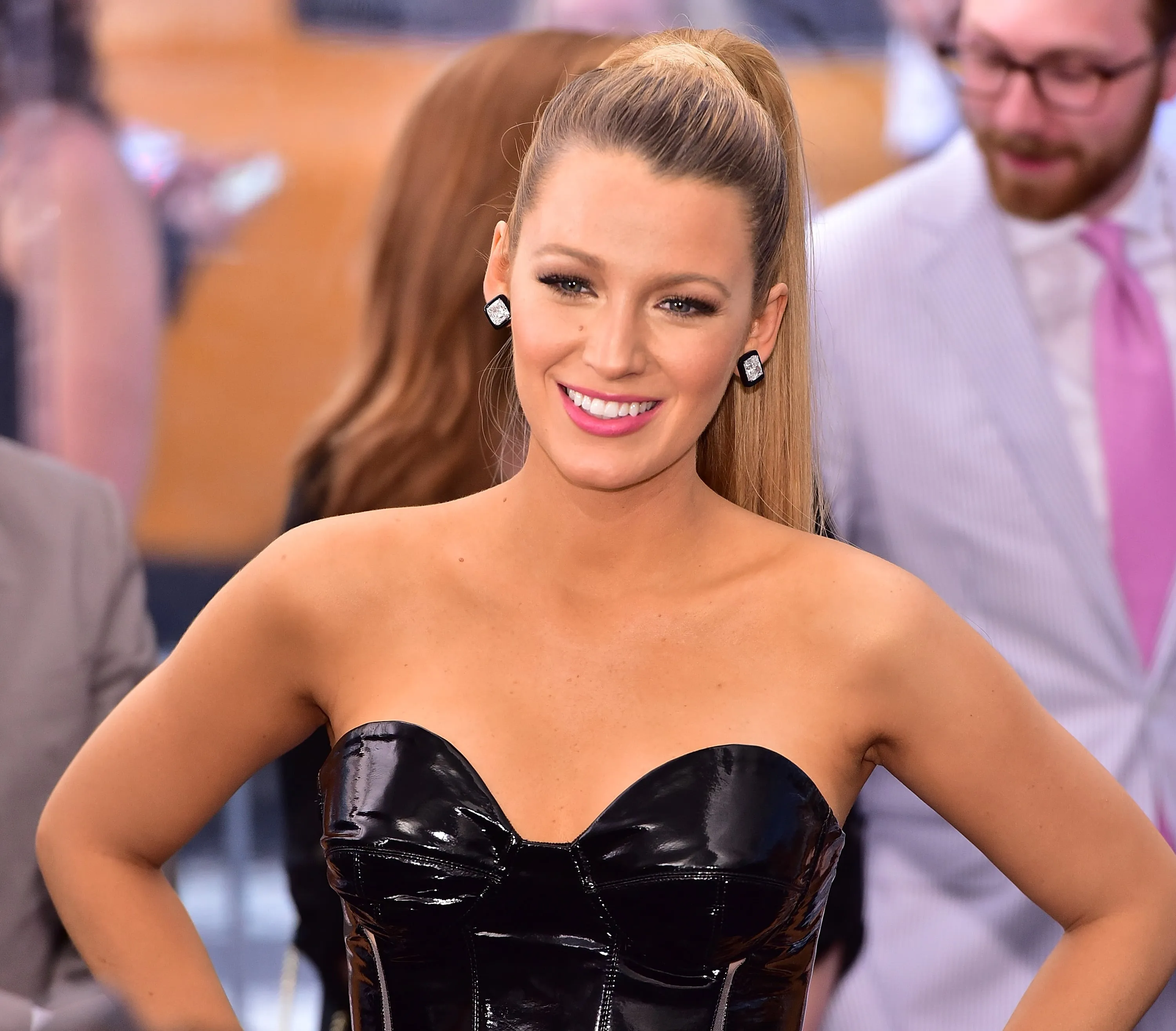
The black dress holds a unique position in celebrity fashion, functioning as a "blank canvas" that allows for a focus on construction and fabric rather than color. For Blake Lively, the choice of black is often a deliberate departure from the bright palettes frequently seen on red carpets, providing a sense of gravitas and sophistication.
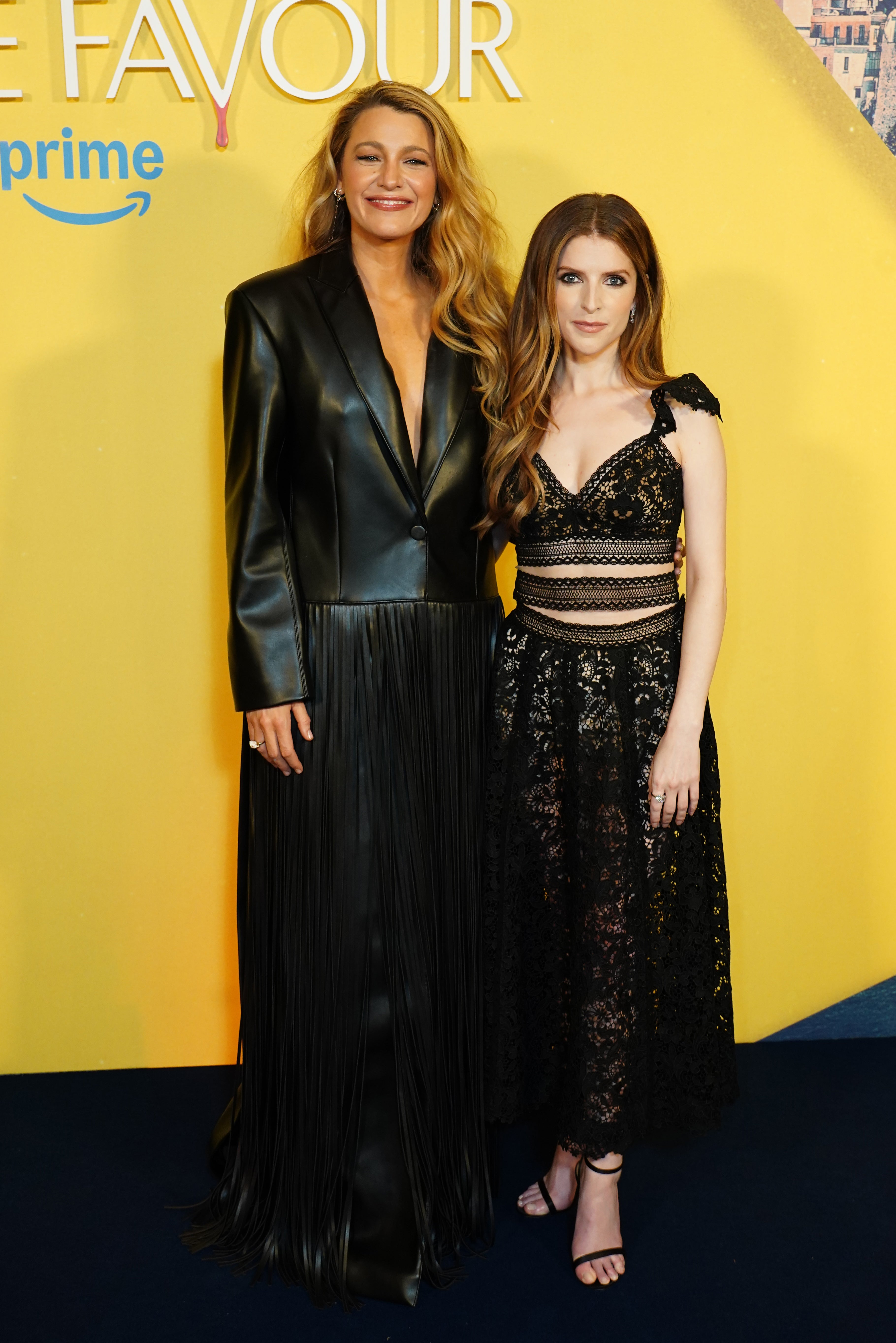
When analyzing her most notable appearances in black, one observes a preference for "architectural" fashion. This involves dresses that incorporate deep necklines, dramatic trains, or unconventional materials such as velvet, silk crepe, or beaded lace. By opting for a monochromatic palette, Lively forces the viewer’s eye to move toward the garment’s engineering—the way the bodice is sculpted, how the fabric drapes over the body, or how the gown interacts with her movement. This is a common strategy among high-profile public figures to ensure the garment remains timeless, avoiding the pitfalls of dated color trends while maintaining a high visual impact.
Historical Context and Key Appearances
Lively’s approach to the "little black dress" (LBD) and the "gala black gown" has evolved significantly throughout her career. While her early red carpet days were defined by vibrant colors and bohemian influences, her later appearances exhibit a move toward structured, high-fashion couture.
- Custom Couture Silhouettes: A frequent element in Lively’s black dress repertoire is the use of custom pieces that prioritize a perfect fit. Proper tailoring remains the prerequisite for the success of these gowns; without the precise adjustments made by her styling team, the dramatic proportions she often favors would lose their intended visual balance.
- Archival Fashion: Lively is noted for her appreciation of fashion history, often sourcing archival pieces that showcase the craftsmanship of past decades. By wearing archival black dresses, she provides a bridge between vintage design sensibilities and modern event environments, proving that classic silhouettes require little embellishment to stay relevant.
Comparative Analysis of Evening Wear Silhouettes
Choosing the right black dress for a high-profile event involves navigating several style categories. The following table illustrates the common structural approaches Lively has utilized to maintain aesthetic diversity while adhering to a black color scheme.
| Silhouette Type | Key Feature | Ideal Event Context | Stylistic Impact |
|---|---|---|---|
| Mermaid/Trumpet | Fitted bodice to flared hem | Galas, awards ceremonies | Creates an elongated, dramatic profile |
| Column/Sheath | Straight, slim cut | Movie premieres, film festivals | Minimalist, elegant, and understated |
| Ballgown | Voluminous skirt and corset | Major red carpet events (e.g., Met Gala) | Regal, traditional, and high-impact |
| High-Slit Gown | Leg-revealing cutouts | High-energy events | Modern, bold, and youthful edge |
Technical Considerations for Achieving the "Lively" Look
For those seeking to replicate the sophistication of a Blake Lively-inspired look, understanding the technical requirements of high-fashion evening wear is essential. It is not merely about the color; it is about the "fit and fabric" ratio.
- Fabric Selection: The choice of fabric determines the dress’s structure. Heavy silks and velvets provide a luxurious, grounded appearance, while lighter, sheer fabrics (often used in layered black gowns) create an ethereal, textured look.
- Structural Support: Many of the gowns associated with Lively's best looks feature hidden corsetry. Achieving a seamless appearance in a black dress often requires professional tailoring to ensure that internal structural elements—such as boning or padding—are entirely invisible, allowing the fabric to fall naturally.
- Monochromatic Texturing: A common mistake in monochromatic dressing is the lack of visual contrast. To avoid a flat appearance, one should look for dresses that feature mixed media—for instance, a matte crepe skirt paired with a sequined bodice, or velvet accents on a silk gown. This creates depth and dimension under harsh camera flashes.
- Footwear and Proportion: Lively often balances a floor-length gown with minimalist heels. When the dress is the primary focal point, accessories are typically kept to a minimum to ensure the silhouette remains uninterrupted.
Managing Expectations and Styling Realities
While the image of a celebrity in a black gown may look effortless, it is the result of significant behind-the-scenes preparation. Readers looking to emulate this style should be aware of the "maintenance" aspect. Black fabric, particularly materials like velvet or dark silk, is unforgiving regarding lighting and dust. Professional garment care, including proper storage (using garment bags) and immediate steaming prior to an event, is the industry standard for maintaining the "pristine" look seen in editorial photography.
Furthermore, jurisdictional standards for formal wear are non-existent, but event codes (such as "Black Tie") provide the framework. If you are selecting a black dress for a formal occasion, the hem length and the level of exposure (necklines or cutouts) should remain consistent with the venue's requirements to ensure you remain appropriately dressed for the environment while achieving a high-impact aesthetic.
Frequently Asked Questions
How does Blake Lively choose the right fabric for a black gown? Lively’s stylists typically select fabrics based on the venue lighting. Heavy, matte fabrics like wool crepe or velvet are chosen for evening settings to absorb light, whereas silks and beaded fabrics are used for events with high-intensity flash photography to catch and reflect light, creating a dynamic visual.
Can a black dress be considered "bold" on the red carpet? Yes, when the design leans into structural experimentation. By choosing dramatic volumes, unexpected cutouts, or unconventional necklines, a black dress moves away from being a "safe" choice and becomes a structural statement that rivals bright colors.
What is the best way to accessorize a black dress? The most effective way to accessorize is through metallic accents or monochromatic textural contrast. Lively often uses either high-contrast jewelry (such as colored gemstones) or matching black accessories to keep the focus on the gown’s silhouette.
Are there specific tailoring requirements for a floor-length black gown? Tailoring is the most critical element. The hem must be perfectly aligned with the height of the heels being worn. Any variation in length that causes the fabric to bunch at the floor or hover too far above it can ruin the intended line of the garment.
How do you maintain the "depth" of black fabric? Deep black fabrics can appear faded under high-intensity light. Using high-quality fibers like silk or high-density synthetic blends is key. Professional dry cleaning is recommended to preserve the dye intensity and prevent the "greyish" cast that can occur with lower-quality materials over time.
Recommendation for Personal Styling
To successfully execute a look inspired by Blake Lively’s black-dress aesthetic, prioritize the silhouette over trends. Begin by identifying the structural cut—whether it be an A-line, column, or mermaid style—that best suits your individual body composition. Once the shape is established, invest in professional tailoring to ensure the garment fits with the precision of custom couture. Finally, treat the lack of color as a stylistic advantage by focusing on high-quality fabrics and subtle, intentional textural details rather than over-accessorizing. By focusing on these technical foundations, you can achieve a red-carpet-worthy aesthetic that emphasizes elegance and structural integrity.
Image Gallery