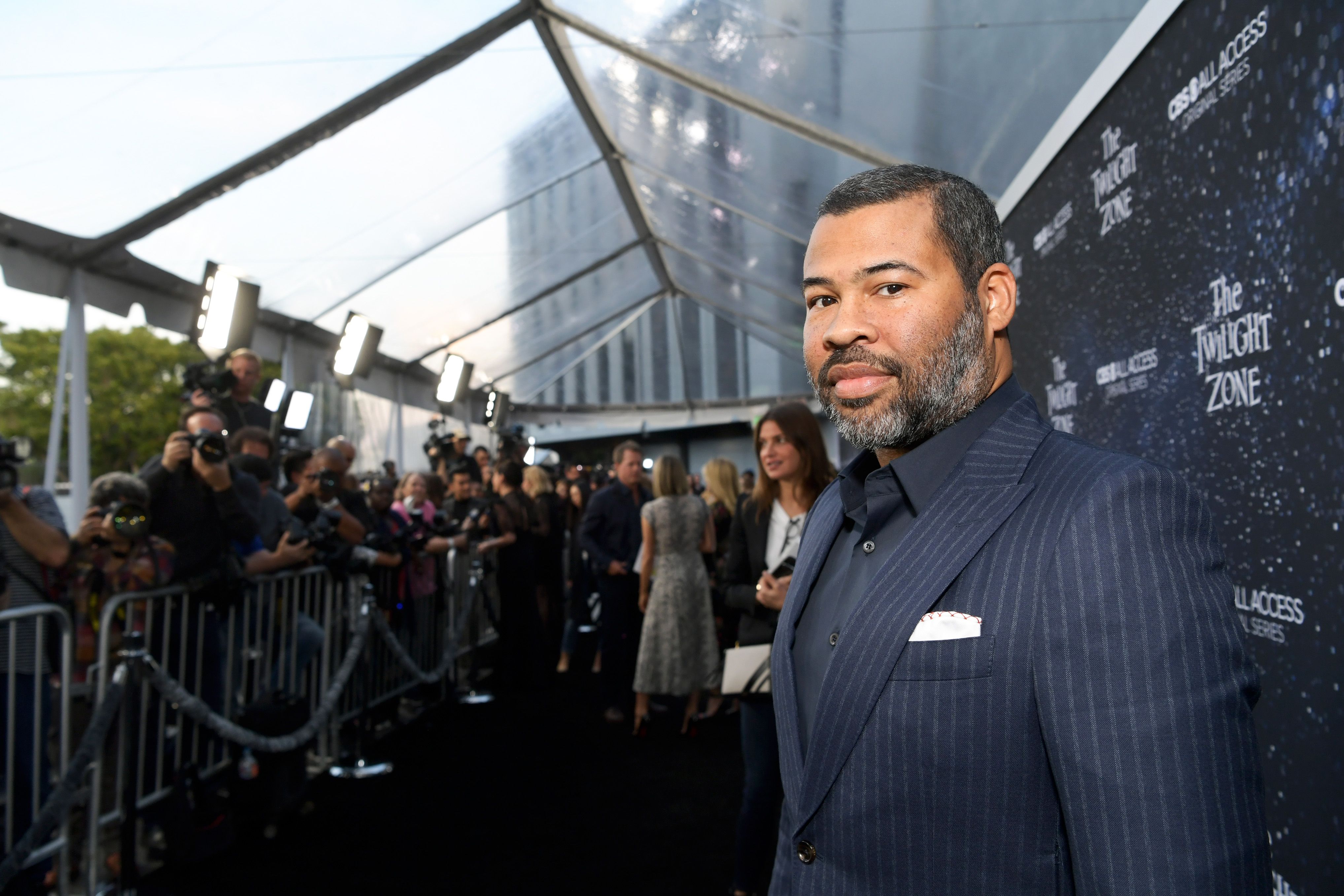
Jordan Peele’s Twilight Zone Episodes Are a Small Slice of a Larger Reboot
The 2019-2020 iteration of The Twilight Zone, hosted and executive produced by Jordan Peele, represents only one segment of a broader, multi-generational effort to modernize Rod Serling’s anthology series. While Peele’s contributions e...
The 2019-2020 iteration of The Twilight Zone, hosted and executive produced by Jordan Peele, represents only one segment of a broader, multi-generational effort to modernize Rod Serling’s anthology series. While Peele’s contributions established a specific thematic and visual language for the reboot, they function as a curated bridge connecting the classic legacy of the 1959 original with the evolving landscape of modern speculative fiction and social commentary.
Contents
Understanding the Architecture of the 2019 Reboot
To understand why Jordan Peele’s Twilight Zone is categorized as a specific subset of a larger project, one must examine the production intent behind the series released on CBS All Access (now Paramount+). The project was not intended as a replacement for the original, but as an expansion of the "Zone" as an intellectual property.
The reboot was characterized by a distinct "Prestige TV" approach. Unlike the original series, which often relied on tight, 25-minute morality plays, the Peele-produced episodes frequently leaned into hour-long formats. This shift allowed for deeper character development and a more deliberate pacing, often echoing the style of Peele’s own cinematic work in Get Out and Us. However, these episodes were consistently framed by the host persona—a nod to Serling—which served as a meta-textual bookmark reminding viewers that these stories existed within a shared, recursive universe.
The Role of the Host as a Narrative Anchor
Jordan Peele’s role as the narrator served as the primary marketing and thematic bridge for the series. By stepping into the shoes of Rod Serling, Peele effectively invited the audience into a "larger reboot" where the tone was modernized to address contemporary anxieties.
The episodes produced under his tenure focused heavily on systemic issues, surveillance culture, and the ethics of technology. These were not just standalone tales of the uncanny; they were designed to be viewed as a cohesive collection of social critiques. By positioning his episodes as a "slice" of this reboot, the production acknowledged that the anthology format allows for infinite expansion. The 2019 series functioned as a proof of concept, demonstrating that the Twilight Zone brand could survive by pivoting toward high-concept, socially conscious science fiction.
Comparative Analysis of Anthology Reboots
When analyzing the Twilight Zone landscape, it is helpful to contrast the various attempts to revive the format. The following table highlights the structural differences between iterations:
| Iteration | Primary Focus | Runtime | Tone |
|---|---|---|---|
| 1959 Original | Existential Morality | 25 mins | Poetic / Fable-like |
| 1985 Reboot | Genre Homage | 25-50 mins | Variable / Experimental |
| 2002 Revival | Modernized Classics | 45 mins | Procedural / Dark |
| 2019/2020 Reboot | Social Allegory | 45-60 mins | Satirical / Cinematic |
The Peele era differentiates itself through its heavy reliance on visual metaphors and a darker, more cynical view of human institutions compared to the more whimsical, sometimes lighter entries found in the 1985 version.
Thematic Consistency vs. Creative Autonomy
A common misconception is that Jordan Peele directed or wrote every episode of the reboot. In reality, the series employed a writers' room and various directors, meaning his influence was largely "executive." This is the core of the "small slice" argument: Peele provided the framework, the curation, and the brand identity, but the episodes themselves were the product of a collaborative ecosystem.
This distinction is crucial for fans looking to understand the series' consistency. While Peele’s specific narrative thumbprint is most visible in episodes that lean into the uncanny, the broader reboot includes stories that branch into different sub-genres, such as body horror, techno-thriller, and domestic drama. By viewing his episodes as part of a larger, multifaceted reboot, viewers can appreciate the variety of creative voices that the production supported, rather than holding the entire series to the stylistic expectations of Peele's own filmography.
Technical Requirements for Modern Viewers
To fully engage with the Twilight Zone reboot as it exists in 2026, viewers should prioritize access through Paramount+, which currently holds the rights to the archive. Because the series is an anthology, there is no requirement to watch episodes in chronological order; however, the "Peele-curated" episodes share a thematic thread regarding the loss of privacy in the digital age.
- Platform Access: Ensure your subscription tier covers the full library of the CBS All Access-originated content.
- Contextual Familiarity: While not required, watching key episodes from the 1959 original (such as "The Monsters Are Due on Maple Street") provides a baseline for the allegory the 2019 series attempts to update.
- Pacing Considerations: Be prepared for the extended runtime of the 2019 episodes. Unlike the original, these stories require a commitment similar to a feature film.
Common Criticisms and Creative Constraints
The reboot faced criticism for its length—a frequent point of contention among long-time fans who associate the series with the brisk efficiency of the 1959 version. The "slice" of the reboot that Jordan Peele oversaw was sometimes criticized for feeling "over-produced" or too heavy-handed with its political commentary.
However, this is a defining characteristic of the 2019-2020 period. The creative team leaned into the Twilight Zone’s history of social critique, essentially "turning up the volume" on the metaphors that Serling used more subtly in the 1960s. By identifying these episodes as a specific period, viewers can navigate the series with a clearer understanding of why the tone shifts between the early and later episodes of the reboot.
Frequently Asked Questions
Is Jordan Peele the sole creator of the 2019 Twilight Zone? No. While he served as the face and executive producer, the series was a collaborative effort involving Simon Kinberg, Marco Ramirez, and a diverse range of writers and directors. Peele’s role was to curate the vision and provide the introductory narration.
Do I need to watch the original series to understand the reboot? Not at all. The 2019 episodes are self-contained stories. While there are Easter eggs and nods to the classic series, the narrative, characters, and settings are entirely new, making them accessible to first-time viewers.
Why are the episodes in the 2019 series longer than the originals? The shift to a 45-to-60-minute format was a creative choice to align the series with modern "Prestige TV" standards. This allowed for more complex world-building and character arcs, though it changed the pacing compared to the original 25-minute morality plays.
Is there a specific "best" starting point for the 2019 series? Most critics suggest starting with "The Comedian," the pilot episode, as it establishes the tone, the host's presence, and the series' commitment to exploring the consequences of power and ambition.
Are there plans for more episodes in this style? As of 2026, the specific 2019-2020 reboot has concluded. Future iterations of The Twilight Zone remain a possibility given the brand's enduring popularity, but they will likely be defined by new creative leads and shifting stylistic approaches.
Recommendation for Viewers
To best enjoy the series, approach the episodes as distinct, high-concept short films rather than traditional television episodes. If you find the pacing of the hour-long segments too slow, try alternating between an episode from the 2019 reboot and an original 1959 episode. This contrast highlights exactly how the "smaller slice" of the modern reboot fits into the larger, decades-spanning legacy of the franchise. Begin with the pilot to understand the intended atmosphere, then explore individual episodes based on the specific genres—such as sci-fi, supernatural, or psychological thriller—that interest you most.
Image Gallery