How to Perform a Basic Net Worth Calculation
Calculating your net worth provides a definitive snapshot of your current financial health by subtracting your total liabilities from your total assets. This fundamental metric helps you track progress toward long-term goals, assess yo...
Calculating your net worth provides a definitive snapshot of your current financial health by subtracting your total liabilities from your total assets. This fundamental metric helps you track progress toward long-term goals, assess your ability to weather financial emergencies, and make informed decisions about debt management, saving, and investing.
Contents
Understanding the Core Components of Net Worth
Net worth is the difference between what you own and what you owe. Think of it as a balance sheet for your personal finances. When you perform this calculation, you are essentially quantifying your financial standing at a single point in time. Because your financial situation is dynamic, repeating this calculation annually or semi-annually is recommended to observe trends.
Defining Assets
Assets include anything you own that holds monetary value. To calculate net worth correctly, you must categorize assets into two types: liquid and illiquid.
- Liquid Assets: These are resources that can be converted into cash quickly without significant loss of value. Examples include checking and savings accounts, money market funds, and cash on hand.
- Illiquid Assets: These are possessions that take longer to sell or convert to cash. This category includes real estate, retirement accounts (like a 401(k) or IRA), brokerage accounts, vehicles, and personal property such as jewelry, art, or collectibles.
When valuing assets, always use the current fair market value rather than the price you originally paid. For example, your home’s value should be based on a recent appraisal or a realistic estimate from a reputable real estate platform, not your original purchase price from years ago.
Defining Liabilities
Liabilities represent your total debt obligations. These are the claims that others have on your assets. Common liabilities include:
- Secured Debt: Loans backed by collateral, such as mortgages or auto loans.
- Unsecured Debt: Obligations not tied to specific collateral, such as credit card balances, personal loans, student loans, or medical debt.
To find your total liabilities, sum the remaining balances of every debt you carry. Do not include monthly recurring expenses that are paid off in full, such as a monthly utility bill, unless the payment is currently past due.
The Step-by-Step Calculation Process
Follow this structured approach to arrive at an accurate net worth figure. Consistency is vital, so perform this calculation using the same methodology each time you update your records.
- Gather Financial Documentation: Collect your most recent bank statements, investment portfolio summaries, mortgage statements, and loan balance reports.
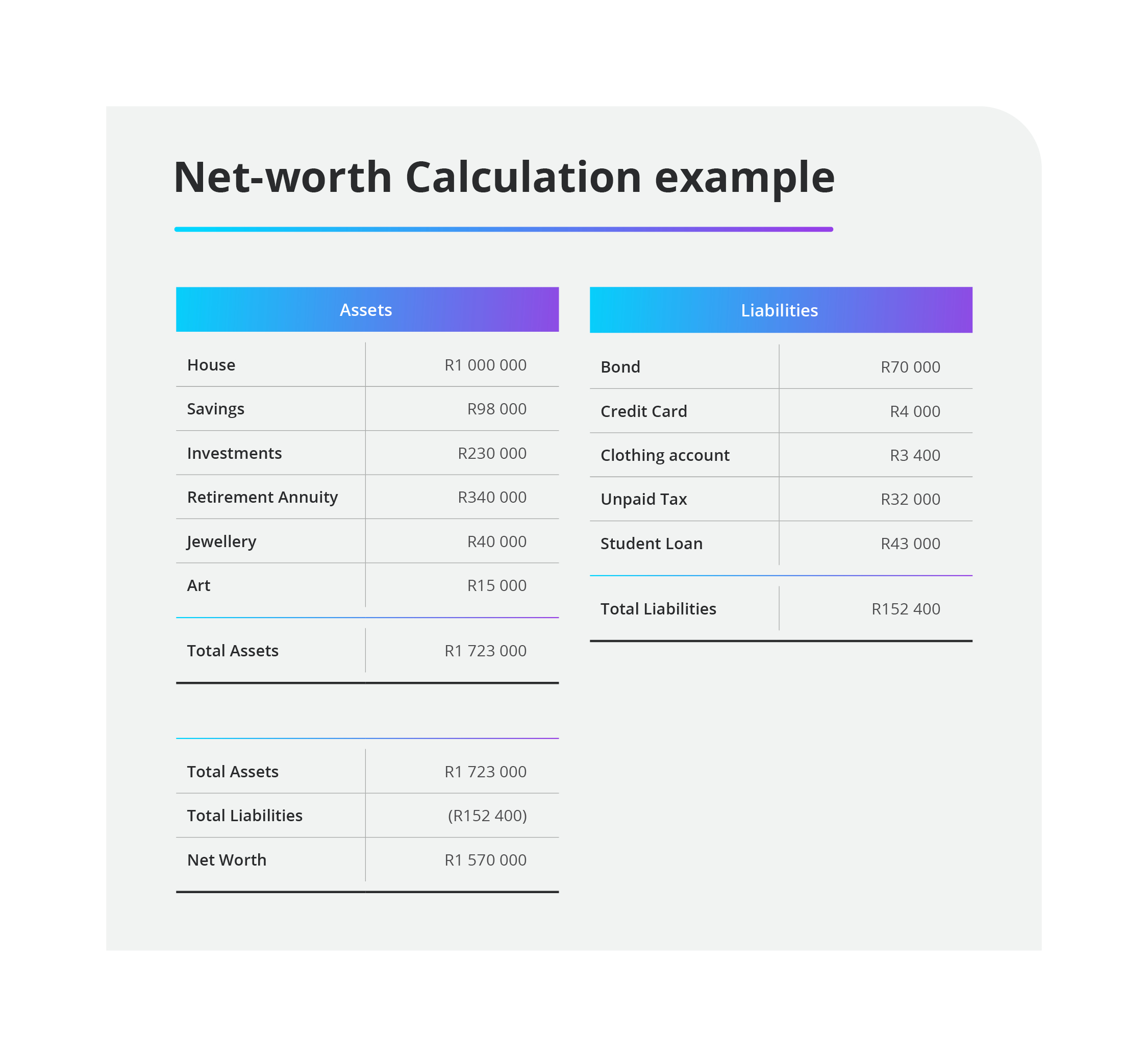
- List and Total Assets: Create a comprehensive list of all assets. Include cash, investment accounts, real estate equity (the current market value of the home minus the remaining mortgage), and the current value of vehicles.
- List and Total Liabilities: List every outstanding debt. Ensure you have the current payoff amount for each loan. Credit card balances should reflect the amount you would owe if you paid the balance in full today.
- Subtract Liabilities from Assets: Apply the formula: Assets – Liabilities = Net Worth.
- Interpret the Result: A positive net worth indicates that your assets exceed your debts. A negative net worth (often called being "underwater") indicates that your debts exceed the value of your assets.
Comparative Financial Metrics Table
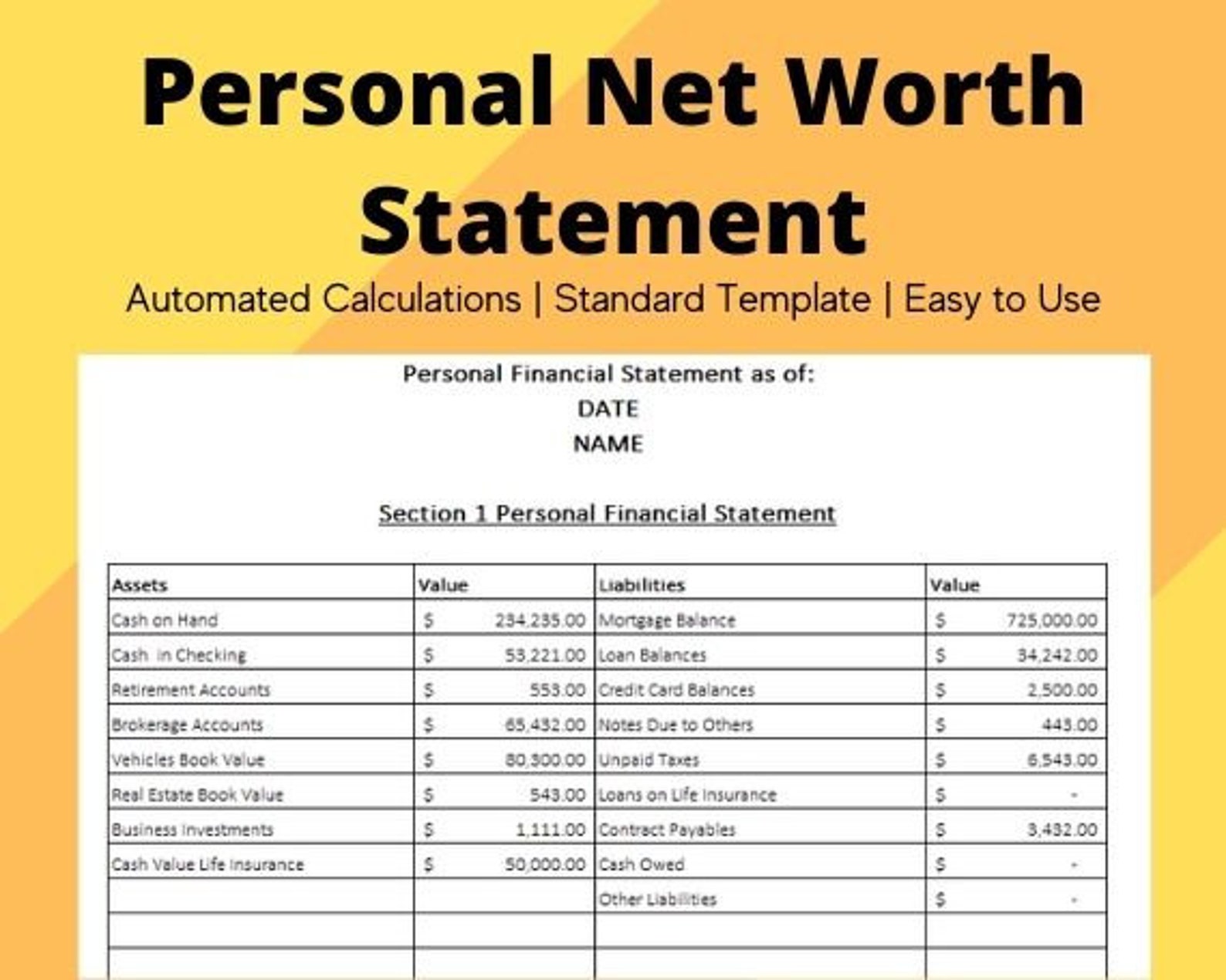
The following table categorizes common financial items to assist you in organizing your data before performing the calculation.
| Financial Item | Classification | Valuation Method |
|---|---|---|
| Cash/Savings | Asset (Liquid) | Account balance |
| Brokerage Account | Asset (Liquid) | Current market value |
| Primary Residence | Asset (Illiquid) | Current fair market value |
| Mortgage | Liability | Remaining principal balance |
| Student Loans | Liability | Remaining balance |
| Credit Cards | Liability | Current statement balance |
| Personal Vehicle | Asset (Illiquid) | Current trade-in/resale value |
Common Mistakes and How to Avoid Them
Even with a simple formula, errors frequently occur due to misclassification or inconsistent reporting.
Overvaluing Personal Property: It is common for individuals to overestimate the resale value of personal items like furniture, clothing, or electronics. To keep your net worth calculation conservative and accurate, focus primarily on high-value items or ignore personal belongings entirely if they are difficult to appraise.
Ignoring Interest Accruals: When calculating liabilities, ensure you are using the most recent payoff amount. Depending on your lender, the balance on your online banking dashboard may not include interest accrued since the last billing cycle.
Inconsistent Valuation Periods: If you value your home in January and your investment portfolio in December, your net worth figure will be skewed by market fluctuations and time-based changes. For the most accurate reflection, gather all data for the same specific "snapshot" date.
Strategic Use of Your Net Worth Figure
Knowing your net worth is only the first step. The real value lies in using this number to refine your financial strategy.
- Emergency Preparedness: A positive net worth is often a prerequisite for financial stability. If your net worth is primarily tied up in illiquid assets, you may still face liquidity issues during a job loss or medical crisis. Ensure you maintain a sufficient emergency fund in liquid cash.
- Debt Reduction Focus: If your net worth is negative or stagnant, review your liabilities list. Prioritize paying off high-interest debt, such as credit cards, as these not only drag down your net worth but also deplete cash flow through interest payments.
- Asset Allocation: By tracking your net worth over time, you can see if your investments are growing at a rate that offsets your debt obligations. If your net worth is not increasing despite regular debt payments, it may indicate that your assets are not diversified or are underperforming.
Frequently Asked Questions
Does a negative net worth mean I am failing financially? No. Many people, particularly those early in their careers or those who have recently taken out student loans or mortgages, have a negative net worth. It is a snapshot of your current situation, not a permanent reflection of your potential or your long-term success.
Should I include my future pension or Social Security benefits? Generally, no. Net worth calculations are based on what you currently own and owe. Future income streams, regardless of how guaranteed they may seem, are not assets you can sell or leverage today. They should be considered part of your retirement income planning rather than your current net worth.
How often should I calculate my net worth? Performing the calculation once or twice a year is sufficient for most people. Tracking it too frequently, such as weekly or monthly, can lead to frustration due to short-term market volatility rather than reflecting actual growth or progress.
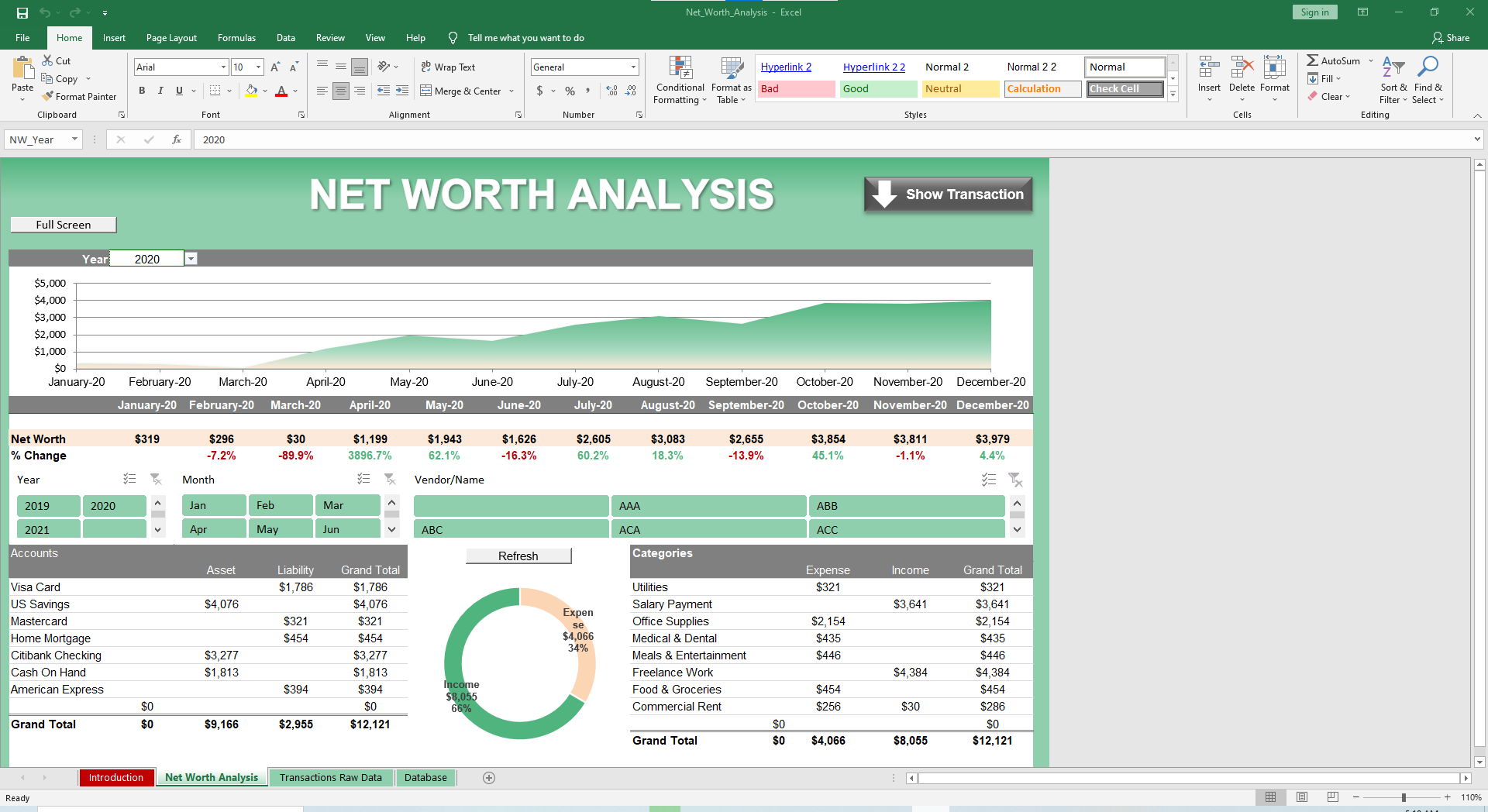
Do I need specialized software to track this? You do not need specialized software. A simple spreadsheet (like Microsoft Excel or Google Sheets) is often the best tool because it allows you to customize your categories and observe historical trends over several years.
What is the difference between net worth and cash flow? Net worth is a "stock" measure representing your total wealth at a specific moment. Cash flow is a "flow" measure representing the movement of money (income vs. expenses) over a period of time. You can have positive cash flow but still have a negative net worth if you carry significant debt.
Next Steps
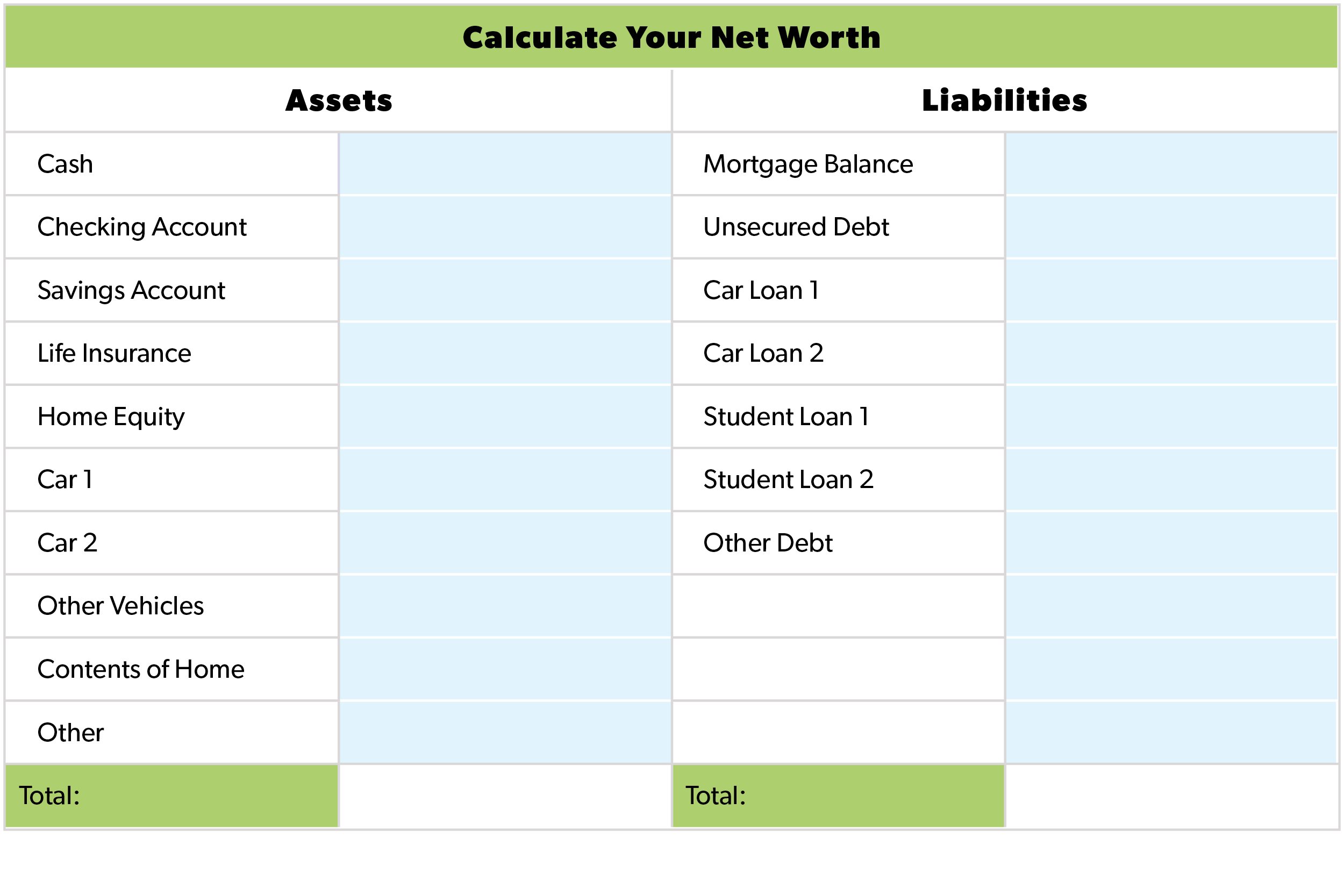
Begin your first calculation by setting aside one hour to gather your most recent bank, investment, and loan statements. Create a simple spreadsheet with two columns: Assets and Liabilities. Once you arrive at your total, keep this document in a secure location and set a calendar reminder for six months from today to repeat the process. Consistent monitoring is the most effective way to turn this data into actionable financial intelligence.
Image Gallery